Windows Errors? Fix Them Before They Spread
Do these 3 things before closing this tab:
1Repair Windows errors before they cause bigger problems2Fix the driver behind crashes, sound loss and screen glitches3Clear out junk files and repair common Windows errorsOutbyte PC Repair · freeRepair common Windows errors and clear accumulated junk for a smoother, more stable PC - no reinstall needed.
Fix My PC Now →ThatPainter is reader-supported. When you buy through links on our site, we may earn an affiliate commission. Learn More
The best herb garden design is the one that matches your usable light, drainage, available footprint and willingness to check moisture. The 25 ideas below range from a three-pot windowsill to a pollinator border and a modular apartment setup. Each includes the herbs it suits, the practical trade-offs and the maintenance detail that keeps the design productive.
Start by measuring the light where plants will actually sit. Iowa State University Extension advises at least four to six hours of sun daily, while University of New Hampshire Extension recommends six or more hours of direct sun for container herbs. If a window cannot provide that, add a supplemental LED or fluorescent fixture rather than expecting shade-tolerant growth from sun-loving herbs.
As an Amazon Associate I earn from qualifying purchases.
What’s actually slowing this PC down?
Pick the symptom - the matching free tool is one click away.
Choose the design before you buy plants
Match light to the herbs
Basil, thyme, rosemary, oregano and lavender are strongest in bright, sunny positions with a chance to dry between waterings. Chives, basil and cilantro are practical indoor starters, although basil still needs the brightest spot you have. A low-light location can work when an LED or fluorescent grow light supplies the missing hours.
Give roots air and an escape route for water
Every pot, box or repurposed container needs drainage holes and a quality, well-draining soilless mix. Saucers can protect furniture, but do not leave pots standing in collected water. Watering frequency depends on the species, container size, temperature and airflow; test the mix rather than following a fixed calendar.
#1 Best Overall

- High planting efficiency: Start an indoor herb garden with the Ahopegarden hydroponic growing system, which includes a water reservoir, an overhead LED grow light, and a circulation system that keeps the water fresh. The hydroponic setup and lighting systems allow plants to grow up to faster and healthier in controlled conditions. Simply add plant seeds, water, and nutrients to the reservoir and watch the plants grow
- 10 Pods & Water Level Window Included: This indoor grow kit with light offers 10 growing stations, The reservoir of our hydroponic vegetable garden kit also comes with a see-through water level window, so with a glance, you can see how much water is in the reservoir and when it’s time to add more water.
- 2 Growing Modes for Veggies, Fruits & Flowers: The grow light of our indoor veggie growing system features full-spectrum lamps that simulate natural sunlight, and you can choose between two different light modes (vegetables or flowers&fruit ) based on what you are growing, blue for vegetables and red for fruit. Flowers also can be grown in this indoor plant grower system
- 14.5 Inches Height-Adjustable Light Post: Our harvest indoor hydroponic garden comes with a bright grow light that can be adjusted in height as the plants grow taller. Plants can grow up to 14.5 inches. What’s more, the grow lights are on a 16-hours-on, 8-hours-off timer. So with an automatic light timer, there’s really not much you have to do to get your plants growing u
- Perfect for Family: This indoor garden plant germination kit is an ideal for families on Christmas and other holidays. This hydroponic growing kit is small enough to fit on the counter in the kitchen, which allows users to grow and vegetables indoors year-round. This indoor planter with grow light really is the that keeps on giving
Group plants by moisture preference
Rosemary, thyme, oregano and lavender prefer a drier Mediterranean-style setup. Chives, cilantro and many leafy annuals accept more even moisture. Mint spreads aggressively, so its roots should be confined to a container of its own instead of sharing a bed or window box.
Plan for harvesting, pruning and winter
Place frequently cut herbs where you can reach them easily. Harvest and prune often, and remove flowers or flower buds when the goal is tender leafy growth and strong culinary flavor. Indoor plants may need occasional light feeding and repotting. Containers holding suitable perennials can be moved indoors before cold weather, but make the transition gradually.
“I think herbs are some of the best plants for beginner gardeners to try growing,” says Krista Quinn, a Faulkner County Extension horticulture agent. A design that makes light, water and harvesting visible turns that beginner-friendly quality into reliable results.
Compare the 25 ideas at a glance
| Design | Footprint | Light | Water and drainage | Portability | Capacity and best use | Effort |
|---|---|---|---|---|---|---|
| Sunny windowsill row | Very small | Bright window; add LED if needed | Individual draining pots; moderate checks | High | Three to five indoor annuals | Low |
| Countertop cooking station | Small | Bright window or supplemental light | Separate pots for different moisture needs | High | Two to four high-use herbs | Low |
| South-facing window box | Small to medium | Six or more direct hours | Fast-draining mix; dries quickly | Medium | Three sun-loving herbs | Low |
| Low-light shelf with LED bar | Small vertical | LED supplies the deficit | Drain trays; inspect lower pots | Medium | Three to six indoor herbs | Medium |
| Patio pot cluster | Medium | Group by sun exposure | Separate dry and evenly moist groups | Medium | Six or more herbs in individual pots | Low |
| Balcony rail planters | Very small floor area | Bright balcony light | Secure boxes with free drainage | Low once mounted | Three to five compact herbs | Medium |
| Vertical wall pocket garden | Minimal floor area | Bright wall or grow light | Shallow pockets need frequent inspection | Low | Several small herbs | Medium |
| Tiered ladder stand | Small vertical | Place sun lovers highest | Check each level separately | Medium | Four to eight pots | Medium |
| Hanging trailing-herb basket | Overhead | Bright light | Must drain freely; can dry fast | Low | One oregano or thyme plant | Low |
| Mint-only container | Small | Sun to bright partial sun | Even moisture with drainage | High | One vigorous mint plant | Low |
| Raised-bed kitchen grid | Medium to large | Sunny bed | Zone by drainage and water demand | Low | Many annual and perennial herbs | Medium |
| Formal geometric border | Medium | Sun and dry soil | Sharp drainage; light pruning | Low | Low thyme or lavender edging | Medium |
| Cottage-style mixed border | Large | Sun with open air | Space plants to avoid stagnant moisture | Low | Tall, medium and low layers | Medium |
| Herb spiral | Compact mound | Sunniest at the top | Upper zones drier; lower zones moister | Low | Many species in one structure | High |
| Rock-and-gravel herb bed | Medium | Full sun | Very free-draining, sandy or gritty soil | Low | Mediterranean perennials | Medium |
| Pathway edge planting | Narrow strip | Sun to bright partial sun | Keep roots out of compacted traffic | Low | Low herbs for quick harvest | Low |
| Repurposed crate garden | Small to medium | Bright outdoor or window light | Use a draining insert; protect wood | Medium | Several annuals | Medium |
| Self-watering planter zone | Small to medium | Bright light | Steadier reservoir moisture | Medium | Moisture-loving herbs | Medium |
| Window-box rotation garden | Small | Seasonally brightest window | Adjust watering as growth changes | Medium | Rotating annuals and perennials | Medium |
| Accessible raised planter | Medium | Sunny, reachable position | Use containers with dependable drainage | Low | High-use herbs for easy access | Medium |
| Child-friendly sensory garden | Small to medium | Bright, safe location | Stable pots; avoid overcrowding | Medium | Clearly labeled fragrant herbs | Low |
| Pollinator-friendly flowering border | Medium | Sunny | Well-drained soil; allow some drying | Low | Herbs shared by people and pollinators | Low |
| Mediterranean trough | Medium | Full sun | Gritty, fast-draining mix | Low | Rosemary, sage, thyme and oregano | Medium |
| Cool-season indoor transition | Small to medium | Strong indoor light | Water less as mix dries indoors | High | Perennial containers overwintered inside | Medium |
| Modular apartment garden | Adaptable | Move modules to follow light | Water each module by species | High | Window box, vertical unit and pots | Medium |
Indoor herb garden ideas
1. Sunny windowsill row
Line up matching pots of basil, chives and cilantro directly below the brightest window. Individual containers let you water cilantro more evenly while allowing basil and chives to be checked separately. Turn the pots periodically so growth does not lean toward the glass. If the window receives less than the needed direct light, mount a small grow light above the row and keep the fixture close enough to illuminate the leaves without heating them.
2. Countertop cooking station
Put the herbs you cut most often—such as basil, chives or cilantro—in individual draining pots beside the meal-preparation area. Keeping each species in its own pot prevents a thirsty herb from forcing a drier one into wet soil. Use a waterproof tray beneath the group, leave room to lift each pot for inspection, and avoid placing foliage where steam from a cooker repeatedly condenses.
3. South-facing window box
A long box under a bright, south-facing window can hold thyme, oregano and rosemary together because they share a preference for strong light and a mix that dries between waterings. Use a container with several drainage holes rather than one outlet at the end. Leave enough space around stems for air movement and trim the plants regularly so the box does not become a dense, shaded mat.
Crashes, No Sound, or Screen Glitches?
Random freezes, missing sound and display glitches usually trace back to one bad driver. Find and replace yours safely.Free scan · under a minuteWindows Errors? Fix Them Before They Spread
Repair common Windows errors and clear accumulated junk for a smoother, more stable PC - no reinstall needed.Free scan · no reinstallRank #2
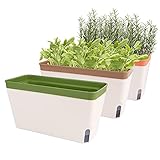
- SELF-WATERING PRINCIPLE: Through two absorbent cotton ropes, the self watering pots provide water to the soil and keep the soil moist through the principle of osmosis, without having to water the plants regularly. Even if you leave home for a few days, it can help you take care of the plants and avoid plants die from water shortage.
- WATER LEVEL MONITORING: There is a visible water level window on the bottom of the rectangle planter box, which can observe the water level at any time to prevent water shortage. Note: To ensure the healthy growth of plants, the water level should not exceed the visible water level window.
- WATER INJECTION PORT: The indoor herb garden pots adopt a double-layer split design, and each herb planter is equipped with a water injection port on the top, which can directly add water without taking out the plants, which is very convenient and saves time and effort.
- PREMIUM MATERIAL: These self watering pots for indoor plants are made of high-quality plastic, which is light and durable. Each size is: 10.5 x 4.5 x 5.5 (L x W x H), The stylish and simple multi-color design (coffee, orange, and green) is a beautiful view of the garden balcony.
- MULTI-PURPOSE: Our windowsill planter is very suitable for planting herbs, organic vegetables, succulents or flowers in gardens, balconies, kitchens or offices and other indoor and outdoor places, bringing a green, fresh and vibrant atmosphere.
4. Low-light shelf with an LED bar
Use a narrow shelf when the best window is occupied or faces a dim exposure. Put a supplemental LED bar under the shelf above the foliage, and arrange pots so the fixture reaches every plant rather than only the front row. Chives, cilantro and compact basil are practical choices. Place a waterproof tray on each level and inspect the back pots, where water can remain unnoticed.
5. Patio pot cluster
Group individual pots on a patio by both sun and watering preference. Put rosemary, thyme, oregano and lavender together in the brightest, driest section; keep herbs that prefer more even moisture in a separate cluster. The arrangement is easy to rearrange when heat or seasonal shade changes. Lift pots occasionally to confirm that drainage holes are open and that a decorative outer container is not holding runoff.
6. Balcony rail planters
Rail-mounted boxes preserve floor space on a narrow balcony. Confirm that the rail hardware is rated for the filled weight, fasten it so wind cannot rock the box, and keep drainage water from falling onto people below. Compact basil, chives, thyme or oregano work well. A rail planter dries faster than a large ground pot, so check the mix more frequently during hot or windy weather.
7. Vertical wall pocket garden
Stack shallow, fabric or rigid pockets on a wall where each pocket can be inspected without moving the entire unit. Reserve the smallest pockets for compact herbs and place thirstier plants where runoff does not bypass their roots. A well-draining medium is essential because lower pockets may receive water from above. Keep the unit close to a bright window or add a grow light across its face.
Quick wins for a faster PC:
Clear out junk files and repair common Windows errorsFree Scan →Fix the driver behind crashes, sound loss and screen glitchesFind Drivers →Repair Windows errors before they cause bigger problemsFix Now →8. Tiered ladder stand
A ladder stand creates several planting levels without a permanent wall installation. Put the most light-demanding herbs on the upper steps, and use lower levels for leafy herbs that tolerate slightly less direct light. Rotate pots weekly or whenever one side stretches toward the window. Use saucers that fit each shelf and water each pot according to its own mix instead of treating the stand as one bed.
9. Hanging basket of trailing herbs
Let oregano or thyme cascade from a hanging basket near a bright window, porch or balcony. Select a basket with an open drainage path and a secure hanger; a saturated basket is heavy. Because hanging containers lose moisture quickly through their sides and bottom, inspect the mix before it becomes bone dry. Keep trailing stems trimmed so harvesting stays within reach and the plant does not shade neighboring containers.
Rank #3

- HERB PLANTER INDOOR - Create your own indoor herb garden for your windowsill or counter. These spacious square herb planters are the perfect size for your herbs and spices.
- CUSTOMIZABLE CHALKBOARD LABELS & MARKER PEN - This herb kit comes with an optional set of 8 reusable oval black labels, 3 stick labels and a wipeable white marker pen.
- POWDER COATED IRON POTS WITH DRAINAGE HOLES - The 3 rust resistant herb pots each have 4 drainage holes in the bottom to grow healthy plants.
- VARNISHED BAMBOO TRAY - The smooth and stylish bamboo tray is coated to be water resistant, and has anti-skid pads on the base to protect your surfaces.
- DECORATIVE & FUNCTIONAL - This window herb garden makes it easy to reach fresh herbs all while elevating your home décor!
10. Mint-only container
Give mint a dedicated pot, even when you plan to place it beside other herbs. Its runners can escape into shared soil and crowd slower plants. Choose a roomy container with drainage, keep it where you can cut it often, and remove surplus stems before they lean into adjacent pots. The single-species design also makes it simple to maintain mint’s preferred, more consistent moisture without overwatering rosemary or thyme.
Outdoor beds and compact structures
11. Raised-bed kitchen grid
Divide a raised bed into a simple grid and reserve permanent corners for perennial herbs that should not be disturbed by seasonal digging. Place plants with similar light and drainage needs in the same section. Put annual basil or cilantro where they can be replanted easily, and leave paths or gaps wide enough to reach the center without stepping on soil. The grid makes crop rotation and harvest planning visible.
Recommended Free Tools
12. Formal geometric border
Edge a path or rectangular bed with low thyme or lavender for a crisp, repeating pattern. Both need a sunny position, sharp drainage and light pruning to hold their shape. Keep the edging outside the main walking line so roots are not crushed and stems are not constantly brushed. Repeat the same plant at regular intervals rather than mixing many species into each small segment.
13. Cottage-style mixed border
Build a layered border with taller rosemary or fennel at the back, medium-height sage in the middle and low thyme along the front. Leave gaps between mature plants so air and light reach the lower foliage. This informal design suits a sunny bed where you can harvest from several angles. Prune the back row before it shades the middle layer, and avoid placing moisture-loving herbs in the driest pocket.
14. Herb spiral
A spiral mound uses height to create several micro-sites in a compact footprint. Put the sunniest, driest herbs—such as thyme, rosemary or oregano—toward the upper sections, and reserve lower areas for herbs that tolerate more moisture. Build the structure so every pocket drains rather than sending all water to one saturated base. Mark each planting zone while the spiral is new; the changing elevations can otherwise make watering confusing.
15. Rock-and-gravel herb bed
Cover a sunny bed with free-draining gravel or blend sandy, gritty material into the root zone for rosemary, thyme, oregano and lavender. The stones reduce splash onto foliage and make the Mediterranean character of the planting clear. Do not use the gravel as a substitute for drainage below the bed: water still needs a route through the underlying soil. Space plants for mature width so humidity does not build in the center.
Rank #4

- 【Indoor Herb Garden】Experience the joy of gardening with our specialized indoor herb planter. This set includes a planter with a tray but does not come with plants and seeds. Designed specifically for herb cultivation, these planters can be used both indoors and outdoors. Crafted from durable metal with a sleek, glossy white finish, they blend functionality with a farmhouse style to enhance your living space.
- 【Windowsill Herb Garden】Our window herb garden includes three pots and a tray with a handle, with each pot measuring 4.4" W x 4.7" H, and the tray measuring 14.2" L x 4.9" W x 1.2" H. It's ideal for growing a variety of herbs such as mint, rosemary, basil, thyme, etc. Tailored for herb growth, our indoor herb pots provide an optimal environment for nurturing your herbs. Their farmhouse design and compact size make them perfect for placement on a windowsill or kitchen countertop.
- 【Ideal for Any Windowsill】Designed to establish an herb garden in your kitchen or any sunny area of your home, our planter offers a delightful way to display your herbs while adding a splash of greenery to your windowsill or balcony. The square shape provides a larger capacity compared to a round one, perfectly utilizing every bit of your home space.
- 【Versatile Planting Options】While perfect for herbs, these planters are also great for other small indoor plants, flowers, vegetables, or even succulents. Their appealing look and convenient size make them ideal for any plant display. Equipped with drainage holes, they ensure optimal watering and prevent waterlogging, helping your plants flourish.
- 【Gardening Made Enjoyable】Suitable for both novice and seasoned gardeners, our windowsill planter set offers a simple and enjoyable way to grow fresh herbs throughout the year. Whether cultivating basil for your pasta or rosemary for your roasted dishes, these planters will enhance both the beauty and functionality of your indoor gardening efforts.
16. Pathway edge planting
Tuck low herbs beside a walkway where a quick snip is convenient. Keep the planting strip outside the compacted foot-traffic zone, and use a narrow edging or stepping stones to protect roots. Low thyme works especially well where it receives sun and occasional brushing without being stepped on. Check that runoff from the path does not collect at the plant crowns after rain.
17. Repurposed crate garden
Turn a sturdy crate into a planter by fitting a draining insert rather than filling the wood directly with wet soil. Use a quality potting mix and set the crate on feet so excess water can escape. Untreated wood should not sit in constant saturation; move the crate under cover during prolonged rain if needed. Compact annuals such as basil, chives and cilantro suit the limited depth, provided the crate receives adequate light.
18. Self-watering planter zone
Use self-watering containers for herbs that prefer steadier moisture, especially when you cannot check pots every day. Keep drought-preferring rosemary, thyme, oregano and lavender in separate, conventional draining pots rather than placing them over a continuously filled reservoir. Follow the planter’s fill indicator, let the mix use available moisture before topping up, and periodically inspect the root zone for stale, waterlogged conditions.
19. Window-box rotation garden
Use one window box as a seasonal roster: grow annual basil or cilantro during warm months, then replace them with suitable perennial containers or move those perennials indoors before cold weather. Refresh crowded plants rather than packing every season into the same root space. Rotate the box toward the brightest available window as the sun angle changes, and adjust watering when indoor temperatures and growth rates fall.
20. Accessible raised planter
Bring the growing surface to a comfortable height and put high-use herbs along the front edge. This layout reduces bending and makes it easier to notice wilt, flowers or dry mix before the plant declines. Choose stable containers or a properly supported raised bed, leave clear access on at least one side, and group herbs by their water needs so a convenient reach does not lead to indiscriminate watering.
Independent reader supportYour contribution helps us test, update, and keep practical guides available for everyone.Family, wildlife and seasonal designs
21. Child-friendly sensory garden
Combine fragrant, clearly labeled herbs in stable containers that cannot tip easily. Keep the planting height reachable, leave open space between pots and supervise harvesting so stems are not stripped or unfamiliar plants tasted. Chives, mint in its own pot and strongly scented culinary herbs create distinct textures and aromas. Place the garden away from hot surfaces and keep drainage water from pooling where children play.
Best Value

- Avant-garde and modern design: Our smart hydroponics growing system kit merges urban farming innovation with minimalist aesthetics. Crafted from durable ABS, its 17" space-saving profile features an LCD touchscreen for one-touch control, perfect for tech-savvy gardeners or as a unique gift. The integrated full-spectrum panel adapts seamlessly to indoor hydroponics, blending functionality with sleek vertical farming appeal.
- Optimal plant growth: Designed for organic vegetables and herbs, this indoor herb garden maximizes yields in compact settings. Its 17" adjustable height prevents light burn on tall stems, ideal for balcony hydroponics or cultivating tomatoes and basil. The science-backed structure supports healthy eating by accelerating photosynthesis, ensuring nutrient-rich harvests even in limited spaces.
- Versatile planting options: Grow 12 fresh herbs or leafy greens simultaneously with our kitchen hydroponics grow system kit. Dual light modes mimic natural sunlight for year-round indoor garden benefits, whether nurturing peppermint or strawberries. This soilless farming solution thrives in apartments, offices.
- Lighting duration control: Engineered using hydroponic farming research, our system’s 22-hour mode boosts flowering by 50% and enhances fruit sweetness—perfect for organic gardening enthusiasts. The mimic ideal greenhouse conditions, turning your living room into a high-efficiency plant growth lab for faster, tastier yields.
- Efficient water management: Our Growth Lamp is equipped with a water tank with a capacity of up to 5L, providing ample space for root development. herb garden built-in ultra-quiet water pump runs in a 30-minute cycle to ensure fresh water circulation, keeping the water fresh without disturbing your peace. Maximum energy savings. Easy harvest of fresh fruits making healthy eating accessible even for beginners or busy urban dwellers.
22. Pollinator-friendly flowering border
Let selected herbs flower after you have harvested enough leaves for cooking. Flowering oregano, thyme, sage and other herbs can provide forage while the border remains useful. Stagger plants so some leafy stems remain available, and remove spent flowers only when you need to redirect growth. A sunny, well-drained bed supports both the herbs and the insects visiting the blooms.
23. Mediterranean trough
Plant rosemary, sage, thyme and oregano together in a sunny trough with a gritty, well-draining mix. Use one long container only when it has ample drainage and the plants share similar watering expectations. Position the tallest herb so it does not shade the rest, and allow the mix to dry between thorough waterings. The trough can sit near a kitchen door for frequent cutting while retaining a coherent, drought-oriented look.
The Tool Desk
Outbyte PC Repair FREERepair Windows errors before they cause bigger problemsFix Now →Outbyte Driver Updater FREEFix the driver behind crashes, sound loss and screen glitchesFind Drivers →24. Cool-season indoor transition
Before cold weather, bring suitable perennial containers indoors gradually rather than moving them from full outdoor sun to a dim room in one step. Inspect for pests, remove damaged growth and place the plants in strong light. Let the mix dry to the level appropriate for each species before watering again; indoor evaporation is often slower. Repot only when roots have filled the container or drainage has become poor.
25. Modular apartment garden
Combine one window box, one vertical unit and several individual pots so each module can move as light and temperature change. Keep sun-loving Mediterranean herbs in the brightest module, use the vertical piece for compact plants and reserve a movable pot for mint or seasonal cilantro. The modular approach also isolates watering problems: a single overwatered pot can be moved or replanted without disturbing the rest of the garden.
Set up any herb garden in six practical steps
- Map the light. Observe the chosen spot and identify whether it receives four to six hours, six or more hours, or less direct sun. Plan supplemental LED or fluorescent lighting for indoor areas that fall short.
- Choose compatible plants. Put dry-loving Mediterranean herbs together, give mint its own container, and reserve steadier-moisture positions for herbs such as chives or cilantro.
- Select containers with drainage. Confirm that every pot, box, pocket or trough has open holes and a way for runoff to escape without damaging the surface below.
- Fill with a quality soilless mix. Use a well-draining medium rather than dense garden soil in containers. Leave enough headspace that watering does not wash mix over the rim.
- Place for access. Keep frequently harvested herbs near the kitchen, and arrange stands or beds so you can lift a pot or reach the center to check moisture.
- Establish a checking routine. Feel the mix before watering, watch for wilting or persistent dampness, and adjust frequency for species, weather, container size and indoor airflow.
Maintenance and troubleshooting
Leggy growth or pale leaves
Move the plant toward stronger light or add a supplemental fixture. Rotate containers so one side does not remain shaded, and prune lightly after new growth appears to encourage branching.
Yellowing leaves and wet mix
Check drainage holes and empty any saucer or cachepot holding water. Allow the mix to dry to the level appropriate for that herb before watering again. If the container stays wet, repot into a more freely draining medium.
Free tools Windows power users keep installed
One-click scans. No signup required.
Wilting despite frequent watering
Look for a blocked hole, compacted mix or roots filling the container. A small pot can dry rapidly in sun or wind, while a crowded root ball may repel water. Rehydrate slowly, then repot if the root zone has no usable space.
Flowers replacing leafy harvest
Pinch flower buds when your priority is tender leaves and strong flavor. If you want pollinator value, allow selected plants to bloom and harvest from other stems so the whole planting remains productive.
Indoor plants declining after the move inside
Acclimate perennials gradually, provide the strongest available light, reduce watering as indoor evaporation slows and check for pests before placing them beside established houseplants. Light feeding and repotting may be needed over a long indoor season.
Quick Recap
How to keep the design productive
- Harvest frequently, taking enough stem to encourage branching but leaving vigorous growth on the plant.
- Keep plant labels with the pot or bed section so similar-looking seedlings are not watered or harvested by mistake.
- Recheck drainage after heavy rain, frost movement or moving a container; holes can become blocked by roots or displaced mix.
- Rearrange portable designs when seasonal sun shifts, rather than accepting stretched growth as inevitable.
- Separate plants whenever one species’ moisture requirement consistently conflicts with its neighbors.

Product prices and availability are accurate as of the date/time indicated and are subject to change. Any price and availability information displayed on Amazon at the time of purchase will apply.

