The Tool Desk
Windows Errors? Fix Them Before They Spread
Repair common Windows errors and clear accumulated junk for a smoother, more stable PC - no reinstall needed.Free scan · no reinstallOutdated Drivers Are Slowing You Down
One free scan finds every outdated or missing driver and matches the right update for your exact hardware.Free scan · exact hardware matchOutbyte Driver Updater FREEFix the driver behind crashes, sound loss and screen glitchesFind Drivers →Outbyte PC Repair FREEClear out junk files and repair common Windows errorsFree Scan →
ThatPainter is reader-supported. When you buy through links on our site, we may earn an affiliate commission. Learn More
The best terrarium starts with one decision: will it be an open, dry arrangement for succulents and cacti, or a closed, humid environment for moss, ferns and small tropical foliage? These eight designs cover both approaches, from a low-maintenance succulent bowl to a bottle garden that becomes a sculptural centerpiece. Match every plant to the same light and moisture conditions, use bright indirect light, and plan to inspect and adjust the enclosure rather than treating it as maintenance-free.
Choose the environment before the decoration
A terrarium is a small growing environment, not merely a glass ornament. Closed vessels retain humidity and are suited to plants that enjoy moist air; open vessels release moisture and are better for plants adapted to drier conditions. The Royal Horticultural Society’s guidance on terrariums and bottle gardens and University of Florida IFAS guidance both stress matching plants with compatible growing needs.
As an Amazon Associate I earn from qualifying purchases.
Recommended Free Tools
| Design choice | Typical plant conditions | Light | Planting access | What you must monitor |
|---|---|---|---|---|
| Closed jar or bottle | Humid; small tropical foliage, mosses or moisture-tolerant ferns | Bright, indirect | Wide to narrow opening | Condensation, excess moisture, crowding and growth against glass |
| Open bowl | Dryer; succulents and cacti | Bright, indirect to bright filtered light | Easy | Water loss, shriveling and wet soil after watering |
| Partly enclosed vessel | Moderate humidity; compatible mosses and small moisture-tolerant plants | Bright, indirect | Moderate | Whether the enclosure is drying too quickly or staying saturated |
Do not place a glass terrarium in direct sun. Sunlight concentrated through the glass can overheat the enclosure and scorch foliage; the RHS and University of Vermont Extension recommend bright but indirect light. A container without drainage also demands restraint. A layer of gravel or other drainage material may be included in some construction methods, but it does not create an outlet, so excess water still remains inside the vessel.
Materials and a reliable planting method
For any concept, gather a clean clear vessel, suitable plants, growing medium, drainage material if your chosen method calls for it, a spoon or scoop, long tweezers for narrow openings, and a spray bottle. Select plants that will remain small enough for the container; slow-growing specimens reduce pruning and crowding.
#1 Best Overall
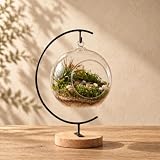
- COMPLETE DIY TERRARIUM KIT — Create your own miniature botanical display with a coordinated set of materials and tools in one kit. The glass globe, live moss, layering materials, decorative pieces and mini tools give you the essentials to build and personalize your terrarium from the ground up
- REAL LIVE MOSS INCLUDED — Unlike kits built only around decorative or artificial materials, this terrarium set includes real live moss to bring natural texture and color into your finished arrangement. Follow the included care guidance to help the moss recover after shipping and maintain it as part of your terrarium.
- LAYER, BUILD & PERSONALIZE — Arrange the included substrates, sand, gravel, moss and decorative accents to create depth, texture and your own miniature landscape. Mini tools help with placing and adjusting smaller details, making the building process part of the experience rather than simply displaying a finished product.
- GLASS GLOBE DISPLAY — The clear glass globe keeps the miniature arrangement visible from multiple angles, while the coordinated wood base and metal frame create a finished display for desks, shelves, tables and other indoor spaces. The compact design turns the completed terrarium into part of your decor.
- STAND OR HANG — Display the finished terrarium on its wood base or use the included hanging rope for another presentation option. The flexible format makes it easy to incorporate the finished piece into a desk, shelf, tabletop or other indoor display area.
- Clean the vessel. Remove residue and rinse away soap. Let the glass dry so you can see the planting layers clearly.
- Plan the composition outside the container. Check mature size, leaf spread and the direction the arrangement will be viewed from. Keep foliage from touching the glass at planting time.
- Add the base layers. Use the drainage and growing-medium approach appropriate to your plant choices. Keep the medium deep enough for roots but do not fill the vessel to the rim.
- Set the tallest or focal plant first. Place it where it will not shade every other specimen, then add lower plants around it.
- Firm the roots gently. Leave air space around stems and avoid burying crowns or rosettes.
- Add moss, stones or other decoration sparingly. Decorative material should not block the opening or press plants against the glass.
- Moisten cautiously. Water or mist according to the plants and enclosure. It is easier to add moisture later than to correct a saturated, undrainable container.
- Position and observe. Place the finished terrarium in bright indirect light and inspect it regularly for wilt, persistent condensation, algae, rot or growth that needs trimming.
Iowa State University Extension describes the basic cycle simply: “The water from the soil is taken up into the plant as it grows.” Read its full terrarium creation and care guide for the relationship between soil, plants and moisture.
1. Closed tropical jar garden
Concept
Use a clear lidded jar or bottle to create a humid green scene of small, slow-growing tropical foliage. The enclosure can look like a miniature jungle while remaining compact enough for a shelf or desk.
Do these 3 things before closing this tab:
1Fix the driver behind crashes, sound loss and screen glitches2Repair Windows errors before they cause bigger problems3Scan for outdated or missing drivers - takes under a minutePlanting and styling
Choose plants with similar humidity and light preferences, then arrange the tallest foliage toward the back and leave visible space between leaves and glass. A crowded jar traps moisture against foliage and makes pruning difficult. Add a dark growing medium and a restrained layer of moss or natural-looking hardscape for contrast.
Care checkpoints
Keep the jar in bright indirect light. A little condensation can occur, but persistent heavy moisture, standing water or yellowing leaves signals that the enclosure needs more ventilation and less water. Closed does not mean self-sustaining: inspect the plants, remove failing leaves and trim growth before it fills the jar. The RHS offers additional bottle-garden guidance at the link above.
2. Open succulent bowl
Concept
An open bowl puts rosette shapes, spines and sculptural forms on display while allowing moisture to escape. It is the natural choice for succulents or cacti that dislike humid, enclosed air.
Planting and styling
Use plants with comparable light and watering needs. Vary height with one upright specimen, several low rosettes and a mineral-looking top dressing, but leave room for each plant to expand. An open rim makes planting easy and lets you reach the soil to check whether it has dried.
The Tool Desk
Outbyte Driver Updater FREEFix the driver behind crashes, sound loss and screen glitchesFind Drivers →Outbyte PC Repair FREERepair Windows errors before they cause bigger problemsFix Now →Rank #2

- COMPLETE DIY PLANTING KIT – NO EXPERIENCE NEEDED — Everything you need to pot any plant or build a self-sustaining glass ecosystem. Just follow the included step-by-step instructions — simple, intuitive, and suitable for all skill levels.
- ALL MATERIALS INCLUDED – JUST BRING YOUR CONTAINER — Kit contains: potting soil, decorative stones, sphagnum moss, activated charcoal, bamboo tweezers, bamboo spoon, and instructions — perfectly dosed for a single project. No waste, no leftovers. (Container & plant not included)
- WORKS WITH ANY PLANT OR CONTAINER — Perfect for terrariums, succulents, cacti, Fittonia, bonsai, moss or any indoor plant. Use a glass jar, vase, bowl or pot — layer the materials your way and create something unique.
- SELF-SUSTAINING OR OPEN PLANTING – YOUR CHOICE — Seal your container for a low-maintenance closed ecosystem with its own water cycle, or use it open for succulents and cacti. One kit, endless possibilities — perfect for beginners and busy plant lovers.
- BEAUTIFUL INDOOR DECORATION & PERFECT GIFT — A stylish addition to any home, living room, or office desk. Makes a unique and creative gift for plant lovers, nature enthusiasts, and kids of all ages.
Care checkpoints
Water cautiously, especially when the bowl has no drainage hole. Moisture can remain below the surface even when the top looks dry, so avoid repeated small splashes that keep the root zone wet. The University of Florida’s terrarium construction guidance explains why plant selection and careful watering matter in containers without an outlet. If stems soften or the base darkens, stop watering and move the bowl to brighter filtered light while assessing for rot.
3. Mossy woodland miniature
Concept
Build a low landscape that resembles a damp woodland floor: moss, tiny foliage plants and a few stones or pieces of wood create a quiet green scene rather than a collection of isolated specimens.
Planting and styling
Use a closed or partly enclosed clear vessel and select mosses and companion plants that tolerate the same moisture and light. Shape the medium into a shallow forest floor, leaving the front open for viewing. Keep hardscape low so it does not shade the moss completely.
Care checkpoints
Bright indirect light keeps the greens visible without heating the glass. Mist or water only when the planting begins to dry; saturated conditions can damage roots even in a woodland-themed design. Oregon State University Extension’s terrarium advice emphasizes ongoing observation because plant, soil and light combinations determine watering needs.
Quick wins for a faster PC:
Repair Windows errors before they cause bigger problemsFix Now →Fix the driver behind crashes, sound loss and screen glitchesFind Drivers →Clear out junk files and repair common Windows errorsFree Scan →4. Miniature fern retreat
Concept
Small ferns bring delicate fronds and a soft, layered texture to a humid terrarium. This design works in a jar, a lidded bowl or another clear enclosure sized to the available space.
Planting and styling
Choose a fern variety that stays proportionate to the vessel and pair it only with plants that accept similar humidity and indirect light. Place the fern where its fronds can arch without pressing against the interior glass. A mossy foreground and a single stone can frame the foliage without competing with its fine texture.
Rank #3

- All-in-one Diy Terrarium Starter Kit: Get the core materials, tools and step-by-step guide needed to start your terrarium project in one box. Includes potting soil, pumice, zeolite, green moss, sphagnum moss, decorative stone, mesh and care tools. Designed for approximately 5–7 inch terrarium jars or containers, depending on container shape and layer thickness. Plants and glass container are not included.
- Beginner-friendly, Layer-by-layer Guide: New to terrariums? Follow the included guide to arrange the drainage substrate, mesh, potting mix, moss and decorative materials step by step. Each layer has a clear purpose, helping first-time builders create an organized terrarium setup with less guesswork.
- Purposeful Materials For Each Layer: Pumice and zeolite create the lower substrate layer, mesh helps separate the potting mix above it, while moss and decorative stone add natural texture and finishing detail. Adjust the amount of each material based on the size, shape and desired layer thickness of your container.
- Made Primarily For Open Terrariums: Designed primarily for open terrarium projects such as succulent, air plant and miniature garden displays. Choose plants with similar light and moisture needs and follow the included care guide for watering. Different plants may require different materials and care routines, so adjust your setup to match the plants you choose.
- A Relaxing & Creative Diy Project: Turn an empty glass container into your own miniature landscape and customize the layers, plants and decorative finish to match your style. The hands-on building experience makes this DIY succulent terrarium kit a relaxing activity for beginners, nature lovers, families and friends, and a thoughtful DIY gift for special occasions.
Care checkpoints
Check the fronds and crown rather than relying on a fixed watering calendar. Dry, crisp fronds suggest insufficient moisture, while constantly wet medium and collapsing leaves suggest excess. The University of Vermont Extension’s terrarium guide provides additional advice on choosing plants and maintaining a balanced planting.
5. Bottle garden
Concept
A clear bottle or narrow-neck vessel turns the terrarium into a sculptural display. The restricted opening is part of the visual appeal, but it changes how you plant and maintain the garden.
Planting and styling
Choose small, slow-growing plants that can remain in scale for a long time. Arrange them with long tweezers, chopsticks or a narrow scoop, working slowly so roots are not damaged. Keep the composition simple: one focal plant, a low companion and a visible sweep of growing medium often read better than a crowded bottle.
Care checkpoints
Planting through a small opening can be fiddly, and later pruning is equally constrained. Leave enough clearance around leaves from the start. Keep the bottle in bright indirect light, and use only the moisture the plants require. The RHS bottle-garden resource explains the practical differences between open access and enclosed displays.
6. Layered landscape with hills and valleys
Concept
Make the terrain the star by shaping the growing medium into hills, valleys and a visible foreground-to-background path. Different plant heights then create depth without needing a large container.
Planting and styling
Build the highest ridge toward the back and a lower valley at the front. Add a taller plant on the ridge, medium plants on the slope and a ground-hugging species in the valley, but verify that all share compatible light and moisture requirements. A few rocks can reinforce the topography; too many hide the plants and reduce usable root space.
Rank #4

- COMPLETE DIY TERRARIUM KIT – NO EXPERIENCE NEEDED — Everything you need to build your own self-sustaining glass ecosystem, all in one box. Just follow the included step-by-step instructions — simple, intuitive, and suitable for all skill levels.
- BEAUTIFUL INDOOR DECORATION & PERFECT GIFT — A stylish accent piece for your home, living room, or office desk. Makes a unique and creative gift for plant lovers, nature enthusiasts, and kids of all ages.
- ALL MATERIALS INCLUDED – NOTHING TO BUY SEPARATELY — Kit contains: glass jar with cork lid (34 fl oz / 1L), coconut soil, decorative stones, sphagnum moss, activated charcoal, bamboo tweezers, bamboo spoon, and cultivation instructions — all pre-measured to fit the included jar perfectly. (Plant not included)
- FULLY CUSTOMIZABLE – CREATE YOUR OWN ECOSYSTEM — Choose the plant you love and design your own unique miniature garden. Best suited for: Fittonia, mini Fern, Tillandsia (air plant), or Moss. Layer the materials your way and make it truly yours.
- SELF-SUSTAINING CLOSED ECOSYSTEM — Once sealed, the terrarium creates its own water cycle through condensation and evaporation, requiring minimal watering. A living decoration that takes care of itself — perfect for beginners and busy plant lovers.
Care checkpoints
Uneven terrain can dry at different rates, so inspect more than one location before watering. Avoid flooding the valley while the ridge remains dry. The Iowa State guide explains why soil, plant uptake and enclosure conditions must be considered together.
Independent reader supportYour contribution helps us test, update, and keep practical guides available for everyone.7. Sideways vessel scene
Concept
Turn a suitable clear container on its side so the opening becomes a dramatic front or side entrance. The result resembles a miniature stage or landscape viewed through a wide portal.
Planting and styling
Confirm that the vessel is stable and that its rim will not chip or press into the plants. Build the planting so soil stays in place when the container is repositioned. Keep the entrance visually clear, then place a focal plant toward the rear and lower elements near the opening.
Care checkpoints
This orientation is a design variation, not a care shortcut. The same rules still apply: choose compatible plants, provide bright indirect light and monitor moisture. Royal Botanic Gardens, Kew’s terrarium instructions demonstrate how vessel shape can change presentation without changing the plants’ basic needs.
8. Single-species study
Concept
Build the entire composition around one kind of plant, such as a small fern in a humid vessel or a succulent in an open bowl. Repetition of one form creates a calm, intentional display.
Planting and styling
Use several specimens of the same plant only if the container gives each enough room. Repeat height or spacing rather than mixing incompatible species. For a fern study, use a humid enclosure and indirect light; for a succulent study, use an open vessel and a drier medium. This approach simplifies decisions because the plants share the same basic requirements.
Best Value

- What You Will Get: 1 terrarium glass, about 9.8 inches high; Aquarium light, about 5.9 inches in diameter; 1 adapter 5V2A, US two-pin plug
- Efficient and Adjustable Lighting: our 3W LED light is suitable for small plants, mosses, succulents, and Venus Fly Trap; You can easily change between strong and weak lighting modes, providing the right amount of light for your plants; The adjustable lighting and rotating lamp base make it ideal for creating a small desk terrarium or desktop plant display
- Sturdy and Transparent: our terrarium container is made of high borosilicate glass, which is thinner than ordinary glass; In addition, it has a lower refractive index, which allows you to see the plants inside the bottle more clearly, making it a choice for growing plants in bottles; The polished round bottle mouth also prevents cuts and scratches
- Humidity and Timing Control: the size of the opening can be adjusted by rotating the inner ring to control the humidity inside the bottle; This helps create a suitable environment for moss, Venus Fly Trap, tropical plants, and other small terrarium plants; The light also has a timing mode to help you coordinate the environment inside the bottle
- Versatile Design: our product can be applied as an aquarium or plant bottle, and its transparent appearance also makes it very suitable for DIY crafts, adding a touch of beauty to your creation; Make it an ideal choice for fighting fish tanks, fish tank landscapes, miniature gardening landscapes, bonsai, aquatic and terrestrial plants, mosses, succulents, etc. Whether for person
Care checkpoints
Uniform planting makes problems easier to spot: a change in color, turgor or growth appears across the whole arrangement. It also means one unsuitable light or watering decision can affect every specimen, so check the vessel regularly and adjust promptly.
How to choose among the eight ideas
- Choose the closed tropical jar, mossy woodland or fern retreat if you can provide bright indirect light and are willing to watch humidity and condensation.
- Choose the open succulent bowl if your space is drier and you prefer plants that tolerate moisture loss.
- Choose the bottle garden for a sculptural focal point and accept the extra precision required through a narrow opening.
- Choose the layered landscape when depth and terrain matter more than a collection of unusual plants.
- Choose the sideways vessel when the container itself should frame the scene.
- Choose the single-species study when consistent care and a restrained visual language are your priorities.
Common problems and practical fixes
Glass stays wet for days
Persistent condensation or droplets may mean too much water, insufficient ventilation or inadequate indirect light. Open the lid briefly if the design allows, pause watering and remove damaged foliage. Do not place the vessel in direct sun to force evaporation; heating the glass can stress the plants.
Plants touch the glass
Prune or reposition them before leaves remain pressed against the surface. Contact reduces airflow around foliage and makes wet leaves more likely to deteriorate. Select slower-growing or smaller plants if the problem returns.
Succulents look soft or translucent
Stop watering and check whether moisture is trapped in the bowl. Move the arrangement to bright filtered light and remove visibly decaying material. A closed vessel is usually unsuitable for plants that need dry air.
Moss or foliage dries out
Check light intensity, the enclosure’s opening and the moisture in more than one part of the medium. Add a small amount of water only after confirming that the plants are actually dry; watering on a schedule can create the opposite problem.
Algae appears on the glass or soil
Reduce excess moisture and harsh or prolonged light, clean accessible glass gently and improve air exchange where possible. Repeated algae growth is a sign that the balance of water and light needs changing, not merely a cosmetic issue.
Recommended Free Tools
Maintenance is part of the design
Every terrarium changes as plants grow. Inspect it for new shoots, yellowing leaves, dry patches, persistent condensation and roots or stems pressing against the glass. Watering frequency varies with plant species, soil, enclosure, season and light, so use the plant’s condition and the medium’s moisture as your guide. Remove failing material promptly, prune before the composition becomes crowded and relocate the vessel if its light is too intense or too dim. A well-designed terrarium is not one that never needs attention; it is one whose plants can be observed, reached and kept in conditions they can share.
Quick Recap

Product prices and availability are accurate as of the date/time indicated and are subject to change. Any price and availability information displayed on Amazon at the time of purchase will apply.

