ThatPainter is reader-supported. When you buy through links on our site, we may earn an affiliate commission. Learn More
The most useful termite clues are swarmers or shed wings, earth-colored mud tubes, and exposed wood that sounds hollow or contains covered galleries. None of these signs, by itself, proves how large an infestation is or where the colony is located. Termites often remain inside soil, wall voids, or wood, so a careful visual check can tell you when to call for help but cannot replace a professional inspection. The steps below explain what to look for, how to distinguish termites from ants, what you can safely check, and how to evaluate treatment and prevention advice.
As an Amazon Associate I earn from qualifying purchases.
What a termite sign can—and cannot—tell you
Termites rarely spend much time in the open. The U.S. Environmental Protection Agency (EPA) notes that they commonly stay in soil, mud tubes, or the material they are tunneling through. Many homeowners first learn about termites after seeing a swarm, finding damage during construction, or noticing a tube on a foundation. That hidden behavior is why a single visible clue should be treated as a reason to investigate, not as a complete diagnosis.
The nine signs below are a practical synthesis of clues described by EPA and Penn State Extension. They are not nine equally conclusive tests. Swarmers, discarded wings, and active mud tubes are more direct evidence of termite activity. Wood-to-soil contact, damp conditions, and damage discovered during remodeling are risk indicators or opportunities to find concealed evidence. Rot, water damage, carpenter ants, and other insects can produce similar symptoms.
#1 Best Overall
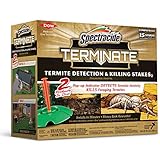
- Two termite products IN one: pop-up indicators detect termite activity, and the stakes kill foraging termites
- Installs IN minutes: place stakes in the ground 2 to 3 feet away from your home and no more than 10 feet apart
- Pop-up indicator: check the stakes for termite activity when the pop-up indicator is seen
- Complete kit: includes 15 stakes with locator shields, instruction booklet and digging tool
Species and timing differ by region. Penn State’s detailed examples focus on eastern subterranean termites and Pennsylvania conditions, while EPA guidance is U.S.-wide. Do not use a local swarm season or appearance as a universal rule for every state or country.
9 common signs of a termite infestation
1. Winged termites indoors
Winged reproductive termites, called swarmers or alates, are often the first stage people notice. They may collect near windows, doors, or lights after emerging from a hidden nest or colony. Finding several winged insects inside a building is a credible reason to arrange an inspection, especially if they appear repeatedly or in more than one room.
Confirm the insect before drawing conclusions. Termites have straight antennae, a broad waist, and four wings that are approximately equal in length. Flying ants have bent antennae, a narrow waist, and front wings longer than their hind wings. A close photograph or a captured specimen can help an inspector identify the insect, but do not assume every flying insect indoors is a termite.
Windows Errors? Fix Them Before They Spread
Repair common Windows errors and clear accumulated junk for a smoother, more stable PC - no reinstall needed.Free scan · no reinstallCrashes, No Sound, or Screen Glitches?
Random freezes, missing sound and display glitches usually trace back to one bad driver. Find and replace yours safely.Free scan · under a minute2. Discarded wings near windows, doors, or lights
After termites swarm and pair, they shed their wings. Small piles of translucent wings on a sill, floor, or near a light source can therefore remain after the insects themselves have disappeared. Wings are easy to overlook because they resemble flakes of paper or dust.
Wing piles indicate that a reproductive event occurred nearby or that swarmers entered from outside; they do not reveal the colony’s size, exact location, or age. Photograph the pattern, note the room and date, and save a few intact wings in a clean container if you can do so without disturbing finishes.
Rank #2

- Trelona ATBS Annual Bait Stations give ongoing structural protection through colony elimination; however, conditions such as competing insects, floods, the presence of alternative food sources, and cold weather may alter complete structural protection
3. Earth-colored mud or shelter tubes on a foundation
Subterranean termites build narrow tubes from soil, saliva, feces, and plant material to maintain humidity and travel safely between the ground and a food source. On a foundation wall, a tube may look like a raised line of dried mud running upward from soil, a crack, a joint, or a penetration.
An intact, moist-looking tube is more concerning than an old, crumbly remnant, but visual age is not a reliable activity test. Do not scrape a tube away and assume the problem is solved. Photograph it in place, record its height and location, and have the area assessed.
4. Tubes on posts, studs, mudsills, or trim
Inspectors also look for shelter tubes on structural posts, wall studs, sill plates (mudsills), porch supports, and trim—particularly where wood meets masonry or soil. Tubes can run behind insulation, inside crawl spaces, or along concealed edges, so the absence of a tube in a finished room does not rule out termites.
Use a flashlight and look at accessible joints, penetrations, and lower portions of framing. Do not remove siding, baseboards, insulation, or drywall merely to search. Opening a finished or load-bearing surface can create damage without establishing whether termites are active.
5. Hollow-sounding or hollowed exposed wood
Termites consume wood from the inside and can leave a thin outer surface intact. Tapping exposed wood may produce a dull or hollow sound, and a carefully probed area may feel unusually soft or empty. EPA and Penn State mention a flathead screwdriver or similar implement for checking exposed suspect wood.
Rank #3

- TWO TERMITE PRODUCTS IN ONE: Pop-up indicators detect termite activity, and the stakes kill foraging termites.
- REPLACEMENT STAKES: Includes 5 stakes with locator shields – designed to replace termite stakes already in use with the Spectracide Terminate Termite Detection & Killing Stakes2 complete kit (sold separately).
- INSTALLS IN MINUTES: Place stakes in the ground 2 to 3 feet away from your home and no more than 10 feet apart.
- POP-UP INDICATOR: Check the stakes for termite activity when the pop-up indicator is seen.
Limit this check to unfinished, readily accessible surfaces such as an exposed sill or scrap-like trim. Probe gently; do not drive a tool into painted, finished, or structural surfaces. Hollow sound can also result from normal framing cavities, decay, or construction methods, so it is a clue that needs interpretation rather than proof.
The Tool Desk
Outbyte PC Repair FREEClear out junk files and repair common Windows errorsFree Scan →Outbyte Driver Updater FREEScan for outdated or missing drivers - takes under a minuteDriver Scan →6. Wood containing earth-like material or covered galleries
When a damaged board is exposed during repair or renovation, you may see winding passages coated with soil-colored material. Penn State describes these earth-like galleries as a characteristic clue in subterranean termite damage. The galleries may follow the grain and leave a paper-thin shell on the outside.
Take close photographs with a scale such as a ruler, note whether the material is damp, and protect the area from further disturbance. An inspector can distinguish termite galleries from carpenter-ant excavation, fungal decay, and mechanical damage more reliably than a homeowner working from appearance alone.
7. Damaged, rotten-looking, or weakened wood
Longstanding termite activity can leave wood largely hollowed, with a crumbly or rotten appearance and a network of passages. Floors, joists, porch components, window framing, and other low or moisture-prone wood deserve attention when they feel unusually weak.
Softness is not synonymous with termites. Leaks, chronic condensation, fungal decay, age, and carpenter ants can all weaken wood. Avoid making a structural-safety decision from a visual impression; if a beam, joist, stair, or sill seems compromised, keep people away from the area and ask a qualified building professional to evaluate it in addition to arranging pest inspection.
Do these 3 things before closing this tab:
1Repair Windows errors before they cause bigger problems2Scan for outdated or missing drivers - takes under a minute3Clear out junk files and repair common Windows errorsRank #4
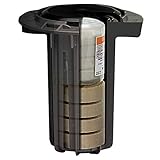
- Includes one CASE of TBS systems: 10 x Advance Termite Inspection Cartdrdge (TIC), 10 x TBS station, 10 x wood block for monitor
- This bait system functions as a DETECTION tool, and does NOT contain termiticides. Install first to detect if termites are present before buying termiticides
- After termites are detected, replace with Trelona cartridges that work with these stations. Trelona is a termiticde by the same brand.
- Does Not Include Spider Tool To Open It
8. Wood in contact with soil or damp masonry
Wood embedded in earth, resting directly on soil, or set into a concrete cellar floor is especially susceptible because it provides termites a concealed route and a steady moisture source. EPA also identifies wood-to-ground contact, poor drainage, leaks, and blocked ventilation as conditions worth correcting.
This condition is a risk factor, not proof of an infestation. A fence post, porch step, trellis, mulch bed, or firewood stack touching the structure may simply be creating an opportunity for termites to reach the building. Document the contact and have the foundation and accessible framing examined before assuming treatment is needed.
9. Damage or clues uncovered during renovation or construction
Some owners discover termites only when replacing flooring, opening a wall, repairing a porch, or remodeling a basement. EPA specifically notes that construction work can reveal damage that was hidden from everyday view.
Pause demolition when you find mud-like material, galleries, live insects, or unexpectedly hollow framing. Photograph the discovery before covering it, keep removed pieces available for inspection, and avoid sealing the area with paint, caulk, or new trim until the cause is understood. A coating can hide evidence and make a later inspection harder.
Quick wins for a faster PC:
Scan for outdated or missing drivers - takes under a minuteDriver Scan →Repair Windows errors before they cause bigger problemsFix Now →What to do after finding a possible sign
- Record the evidence. Write down the date, room or exterior elevation, approximate height, moisture conditions, and whether insects were moving. Take well-lit photographs from overall and close-up distances. Do not infer colony size or species from one clue.
- Make a limited visual check. Examine accessible foundation edges, crawl-space entrances, exposed sill areas, porch supports, and unfinished wood with a flashlight. If an exposed board is clearly suspect, gently probe it with a flathead screwdriver as EPA and Penn State describe. Stop if the surface is finished, structural, wired, or otherwise unsafe.
- Do not destroy the evidence. Do not scrape away every tube, spray insects, pull apart framing, or open walls just to see what is inside. Preserve a representative area for the inspector and keep photographs if a tube must be removed for an urgent repair.
- Arrange a state-licensed inspection. EPA recommends trained professionals for termite work and advises consumers to check state licensing. Ask whether the visit includes the foundation, crawl space, attic or wall-accessible areas, attached porches, plumbing penetrations, and areas of wood-to-soil contact.
- Request a written explanation. The report should identify observed evidence, areas that could not be accessed, the likely termite type if known, visible damage, conducive conditions, and the proposed treatment scope. If the provider found no activity, ask what evidence would justify monitoring or a return visit.
- Review pesticide safety before authorizing work. Ask for the product name, label directions, application locations, ventilation or re-entry timing, protection of occupants and pets, and precautions around wells or drains. EPA warns that improper barrier applications can contaminate a home or nearby drinking-water wells.
- Clarify follow-up terms. Warranty length, retreatment rules, monitoring visits, and repair coverage vary by provider, plan, and location. Obtain those terms in writing instead of assuming that treatment automatically includes structural repairs or unlimited follow-up.
Consumer sprays marketed only as killing termites are not the same as a structural termite treatment. EPA says products that merely claim to kill termites have not demonstrated structural protection. A surface spray may kill insects you can see while leaving the colony and hidden entry route untouched.
Best Value

- TWO TERMITE PRODUCTS IN ONE: Pop-up indicators detect termite activity, and the stakes kill foraging termites.
- INSTALLS IN MINUTES: Place stakes in the ground 2 to 3 feet away from your home and no more than 10 feet apart.
- POP-UP INDICATOR: Check the stakes for termite activity when the pop-up indicator is seen.
- COMPLETE KIT: Includes 15 stakes with locator shields, instruction booklet and digging tool.
How professional termite treatments differ
EPA identifies four broad treatment categories. A licensed provider may use one method or combine methods after evaluating evidence, construction, soil, moisture, and access. There is no universally superior option; the appropriate choice depends on the structure and the documented problem.
| Approach | How it works | Questions to ask | Important cautions |
|---|---|---|---|
| Liquid soil-applied termiticide | A treated zone is placed in soil or other approved locations to intercept termites traveling toward the structure. | Which areas will be treated, how will slabs or utility lines be handled, and what follow-up confirms the barrier remains effective? | Improper application can contaminate a home or nearby drinking-water well and may leave untreated routes. |
| Termite bait system | Bait stations or approved in-ground placements use a termite food source to deliver an active ingredient through foraging termites. | Where will stations be installed, how often will they be inspected, and what happens if feeding is not detected? | Monitoring and service schedules are essential; installation alone is not an instant guarantee. |
| Treated building materials | Approved construction materials or components are treated to resist termite attack in specified applications. | Which components are covered, what label applies, and how are existing damaged areas handled? | Preventive materials do not automatically eliminate an established colony or repair damage. |
| Wood treatment | An approved treatment is applied to accessible wood to protect or address localized areas. | Is the treatment limited to exposed wood, and what protects concealed framing or soil-to-wood routes? | It may be unsuitable as a stand-alone response when termites are entering from soil or hidden voids. |
Compare proposals by evidence of activity, treatment boundaries, access limitations, label compliance, occupant precautions, follow-up frequency, licensing, and written warranty terms. A low price is not meaningful if major parts of the structure are excluded or the proposal does not explain how hidden entry routes will be addressed.
Prevention steps that reduce termite-friendly conditions
Prevention makes a structure less attractive and easier to inspect; it does not cure an active infestation. EPA recommends maintaining dry conditions around the foundation and removing routes that let termites reach wood unnoticed.
Free tools Windows power users keep installed
One-click scans. No signup required.
- Grade soil so rain drains away from the foundation instead of pooling beside it.
- Keep gutters and downspouts functioning, and discharge water away from the structure.
- Repair plumbing leaks, roof leaks, and condensation that keep framing or crawl spaces damp.
- Seal foundation cracks and utility openings where appropriate, while preserving required drainage and ventilation.
- Keep crawl-space vents clear and do not block them with stored items or dense plant growth.
- Prevent shrubs, vines, and other plants from touching exposed wood or concealing the foundation.
- Move firewood, lumber scraps, cardboard, stumps, and wood debris away from the house.
- Remove or redesign direct wood-to-soil contact at steps, trellises, porch supports, and landscape features when feasible.
Make these changes after documenting suspicious evidence and coordinating with the inspector. Covering a tube with new soil, replacing a sill before it is examined, or painting over damaged trim can erase clues that determine the correct treatment.
A practical decision checklist
- One uncertain insect or old wing: save a photo or specimen and monitor for additional evidence.
- Multiple swarmers, fresh wings, an intact tube, or hollow exposed wood: schedule a licensed inspection promptly.
- Weak structural wood, active insects, or damage spreading during renovation: stop work in that area and obtain both pest and building-safety evaluations.
- No visible termites but strong conducive conditions: correct drainage, leaks, vegetation, and wood storage while arranging professional advice if risk remains.
The goal is not to diagnose a colony from one dramatic clue. It is to preserve evidence, avoid unsafe or cosmetic fixes, and obtain a treatment plan that matches the structure, local rules, and pesticide label.
Quick Recap

Product prices and availability are accurate as of the date/time indicated and are subject to change. Any price and availability information displayed on Amazon at the time of purchase will apply.

