Outdated Drivers Are Slowing You Down
One free scan finds every outdated or missing driver and matches the right update for your exact hardware.Free scan · exact hardware match
Windows Errors? Fix Them Before They Spread
Repair common Windows errors and clear accumulated junk for a smoother, more stable PC - no reinstall needed.Free scan · no reinstall
ThatPainter is reader-supported. When you buy through links on our site, we may earn an affiliate commission. Learn More
The right bedroom plants can make a room feel warmer and more settled, but they are not a proven sleep treatment or a substitute for ventilation. Choose species that fit your available light, floor and shelf space, care routine, and household safety needs. For a cat-conscious starting point, a spider plant is described by University of California Agriculture and Natural Resources as easy to grow and non-toxic to cats; verify any plant’s current, species-specific safety before buying.
Use foliage as part of the room’s design: repeat a green tone against a calm wall color, keep plant groupings visually simple, and place pots where they will receive suitable light without becoming a trip hazard. The result is an inviting atmosphere, with realistic expectations about what plants can do.
The Tool Desk
Outbyte Driver Updater FREEScan for outdated or missing drivers - takes under a minuteDriver Scan →Outbyte PC Repair FREEClear out junk files and repair common Windows errorsFree Scan →As an Amazon Associate I earn from qualifying purchases.
What bedroom plants can—and cannot—change
They can add visual warmth and a calmer atmosphere
Indoor greenery gives a bedroom color, texture, and a natural focal point. University of Florida IFAS authors Yuvraj Khamare and Chris Marble summarize studies by writing: “Plants inside our homes, offices, or those used as part of a patio garden have been shown to create a relaxed environment, improving concentration and productivity while reducing stress and anxiety.” That is a broad association with how indoor spaces feel. It does not show that one named bedroom plant treats anxiety, produces a measurable sleep benefit, or works for everyone.
Think of a plant as a design and comfort choice. If caring for it is easy and its placement looks intentional, it may support a more pleasant bedtime routine. Your response will still depend on lighting, noise, temperature, health, and other sleep factors.
#1 Best Overall
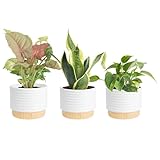
- DECOR-READY LIVE INDOOR PLANTS: This 3-pack of houseplants offers incredible value to gift or instantly upgrade any space. Perfect for shelf, tabletop, or office desk. Varieties will vary — examples include Peace Lily, Snake Plant, Fern, and Pothos
- EASY TO MAINTAIN, BEGINNER-FRIENDLY INDOOR PLANTS: This pack of three Assorted Indoor Houseplants are an effortless way to start your collection. These low-maintenance varieties are easy to grow and require minimal attention, making them a perfect match for new plant parents
- CREATE A CALMING SANCTUARY: Group these gorgeous varieties together for an instant mood-boosting display that supports your wellbeing and brings life to any room
- PERFECT GIFT FOR ANY OCCASION: This living and thoughtful present is ideal for birthdays, housewarmings, holidays, or just because. Brighten a loved one's day with a beautiful indoor plant
- FRESH PLANTS, READY FOR YOUR HOME: Your collection of healthy, vibrant live indoor plants, fresh from our farm, arrives secured in specialized packaging right to your home
They have not been shown to improve sleep
The sources reviewed do not establish that bedroom plants improve sleep duration, sleep quality, or insomnia. Keep claims in the realm of aesthetics and personal experience: a leafy corner may feel soothing, while another person may prefer an uncluttered room or worry about maintenance. Do not buy a plant as a guaranteed sleep intervention.
They are not a practical substitute for ventilation
NASA-era air-cleaning experiments used small, sealed chambers. Iowa State University Extension, in a page last reviewed in January 2024, explains that those conditions do not represent ordinary homes, where air moves, pollutants continue to enter, and rooms are not sealed test boxes. The page concludes that houseplants have little effect on home or office air quality and attributes this statement to the EPA: “There is currently no evidence that a reasonable number of houseplants remove significant quantities of pollutants in homes and offices.”
A 2025 University of California Agriculture and Natural Resources handout repeats a figure of “87 percent of indoor air pollutants within 24 hours” for certain plants. That number is a summary of controlled research, not an expected result in a bedroom. For ordinary indoor air, use source control, a functioning ventilation system, and appropriate filtration rather than adding pots as an air purifier.
Choose a plant by the room, not by a ranking
No source reviewed provides a complete bedroom-specific species ranking. A sensible choice comes from four checks: light, available space, care demands, and who can reach the leaves.
Rank #2
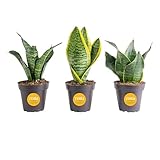
- INSTANT HOME STYLING TRIO: Multi pack of three live snake plants takes the guesswork out of interior design by creating an effortless cohesive look across your living room shelves, bedroom nightstands, or home office desks
- THRIVES ON ACCIDENTAL NEGLECT: Forgiving hard to kill indoor succulents effortlessly tolerate low light environments and forgotten waterings, making them completely foolproof for busy professionals and beginner plant parents
- NATURAL WELLNESS & CLEAN AIR: Living indoor greenery works hard to filter your personal environment, actively helping to lower everyday stress, spark creative focus, and turn a chaotic room into a calming home sanctuary
- TRUE TO SIZE HEIGHT VARIETY: No tiny starter plugs or disappointing surprise sizes here because your real potted Sansevieria houseplants arrive standing a true 8 to 12 inches tall, giving you immediate vertical accent decor out of the box
- FRESH PLANTS, READY FOR YOUR HOME: Your collection of healthy, vibrant live indoor plants, fresh from our farm, arrives secured in specialized packaging right to your home, ready to be enjoyed instantly!
1. Audit the light before you shop
- Observe the room for a full day. Note which windows face the sun, whether neighboring buildings or curtains block it, and how far a proposed plant location is from the glass.
- Classify the spot honestly. A bright windowsill, a few feet from a bright window, and a dim corner are different environments. Do not describe a dark corner as “moderate light” simply because the room looks bright to you.
- Match the plant’s label to the actual spot. The cat-safe examples in the University of California Agriculture and Natural Resources Q&A are described as taking moderate light. If your location is substantially darker, choose a plant whose current care information explicitly supports that condition or move the plant closer to a window.
- Plan for seasonal change. Winter sun, closed curtains, and a changed furniture layout can alter light. Recheck the location if leaves become pale, growth slows, or the plant leans strongly toward the window.
2. Measure the footprint and the reach zone
Record the width of a nightstand, shelf, dresser, or floor corner before purchasing. Leave clearance for drawers, curtains, walking paths, and cleaning. A trailing plant that looks delicate in a shop can occupy a much larger horizontal area once its stems extend. Keep heavy pots on stable surfaces and use a saucer that will not overflow onto painted wood or a floor.
3. Choose a care level you will actually maintain
Plants differ in watering, humidity, pruning, and repotting needs. The evidence supplied here does not establish a universal watering schedule for the examples below, so follow the current nursery or extension instructions for the exact species and cultivar. A forgiving plant that survives your routine is more calming than a demanding specimen that repeatedly declines.
Cat-conscious examples and their trade-offs
The University of California Agriculture and Natural Resources Orange County Master Gardeners Q&A, dated December 19, 2016, identifies the following examples. Its “non-toxic to cats” descriptions apply to the listed plants as presented there; they do not establish safety for every animal, cultivar, or individual circumstance. Confirm identity and current toxicity information before purchase.
| Plant example | What the 2016 Q&A says | Light noted in the Q&A | Practical bedroom consideration |
|---|---|---|---|
| Spider plant (Chlorophytum comosum) | Easy to grow; non-toxic to cats | Moderate light | Works on a shelf or in a hanging position if the container is secure and trailing leaves stay out of walkways. |
| Goldfish plant | Easy to grow; non-toxic to cats | Moderate light | Use where its growth can be seen without blocking a window or brushing against bedding. |
| Peperomias | Easy to grow; non-toxic to cats | Moderate light | Useful for a compact tabletop or dresser arrangement; verify the exact peperomia species. |
| Most small palms | Easy to grow; non-toxic to cats | Moderate light | Check the mature width and pot weight before placing one beside a bed or in a narrow corner. |
| Prayer plant | Listed as cat-safe, but harder to grow | Moderate light | Choose it only if you can follow more exact care guidance and monitor its condition. |
| Phalaenopsis orchid | Listed as cat-safe, but harder to grow | Moderate light | Its upright flowers suit a restrained arrangement; protect the pot from knocks. |
| Polka-dot plant | Listed as cat-safe, but harder to grow | Moderate light | Colored leaves can echo a painted accent wall, but the plant still needs appropriate care. |
| Many begonias | Listed as cat-safe, but harder to grow | Moderate light | Confirm the exact begonia before relying on a general category description. |
The Q&A is a useful starting point, not a current global toxicity database. “Non-toxic to cats” should never be broadened to dogs, birds, reptiles, children, or a different cultivar.
Rank #3

- FARM-DIRECT PACKAGING & ARRIVAL: Each Money Tree is hand-selected at the greenhouse and secured in breathable, reinforced transit-safe materials. This direct-from-nursery process maintains plant integrity and soil moisture, providing a healthy houseplant ready for immediate indoor display
- VERSATILE 12-16 INCH TABLETOP ACCENT: Instantly refresh your desk, shelf, or side table with Pachira aquatica's beautifully braided trunk and a vibrant, hand-shaped canopy. This medium-sized house plant arrives pre-potted in a stylish decorative planter, offering a sophisticated "designer look" that fits perfectly in smaller spaces with absolutely no messy repotting required
- PET-FRIENDLY HOUSEPLANT: Money Tree is safe for homes with cats and dogs according to ASPCA guidelines. Its upright growth habit naturally keeps foliage elevated, reducing accidental pet contact and making it a functional, worry-free botanical choice for pet-loving households
- SYMBOL OF LUCK & PROSPERITY: A staple of Feng Shui tradition, the Money Tree is believed to "trap" fortune in its braided trunk. It is the perfect, meaningful gift for housewarmings, new jobs, or birthdays, offering a living, growing alternative to temporary flowers
- 100% HAPPINESS GUARANTEE: We want your new plants to succeed. If plants arrive stressed, water and rest them in indirect light for 24 hours to revive. If any arrive beyond saving, reach out immediately for a refund. We are here to help!
Design a calming plant arrangement
Use one visual anchor
Start with one plant whose scale suits the room, then add only what the space can support. A single taller specimen beside a dresser, a compact plant on a nightstand, or a controlled trailing plant on a high shelf usually looks more deliberate than several unrelated pots scattered around the room.
Coordinate foliage with the wall color
Green leaves stand out against warm whites, clay tones, muted pinks, and soft blue-greens. Against a deep or saturated wall, use fewer plants and simpler containers so the foliage remains a calm accent rather than visual noise. Repeating one pot finish—matte ceramic, natural terracotta, or a restrained neutral—helps a collection read as one composition.
Keep the sleep zone clear
Do not place unstable pots above the head of the bed. Keep leaves and soil away from pillows, vents, heaters, and electrical equipment. A plant should not force you to squeeze between furniture or reach across the bed to open a curtain. These practical limits matter more than filling every empty corner.
Independent reader supportYour contribution helps us test, update, and keep practical guides available for everyone.Safe placement when pets or children live with you
University of Florida IFAS warns that some houseplants can be toxic if ingested. The concern is not limited to a curious cat: young children and other animals may also chew foliage or potting material. Before purchase, identify the plant precisely and check a current, species-specific safety resource for the animal or child in your home.
Rank #4

- LIVE INDOOR PLANT -Bring home the stunning Lemon Lime Maranta Prayer Plant and enjoy a touch of tropical calm. With its vivid green leaves brushed with yellow and dark-green veins, this houseplant brings instant warmth and charm to any room. Watch as its leaves fold upward at night like praying hands — a living rhythm of peace and nature.
- EASY TO CARE, EASY TO GROW - This live indoor plant thrives in bright, indirect light and grows happily with a little love. Just water every 1–2 weeks when the soil feels half dry, and it will reward you with lush, healthy leaves all year long. Perfect for both beginners and plant lovers looking for something beautiful and low-maintenance.
- PET FRIENDLY & CAT SAFE -Worry-free greenery for your home! All Prayer Plants are recognized by the ASPCA as non-toxic and safe for pets, so you can fill your space with beauty and still keep your furry friends safe. (While it’s not recommended for eating, it won’t harm your cats or dogs.)
- AIR PURIFYING & REFRESHING- Breathe easier with a plant that does more than look good. The Maranta naturally purifies indoor air, helping reduce toxins and refresh your space. Studies show that houseplants like this one can improve mood, focus, and overall wellbeing.
- PERFECT GIFT FOR ANY OCCASION- Plants make the best gifts — thoughtful, living, and full of life. Surprise your loved ones with a pet-friendly, easy-care indoor plant that symbolizes peace and positivity. Ideal for birthdays, housewarmings, or “just because” gifts that last far beyond a bouquet.
- Place plants beyond reach when a household member may chew leaves, dig in soil, or knock over containers.
- Do not assume a plant described as safe for cats is safe for another species or for every individual.
- Remove fallen leaves and spilled potting mix promptly.
- Keep fertilizer, insect-control products, and treated plants away from children and animals.
- If ingestion occurs, retain the plant label or a clear photograph and contact a veterinarian, poison service, or medical professional appropriate to the situation.
Prevent pests without filling a bedroom with pesticide vapors
The National Pesticide Information Center’s “Houseplant IPM” guidance notes that indoor use differs from outdoor use: homes are less ventilated, vapors can remain longer, people spend many hours indoors, and pets may chew or eat plants. It recommends integrated pest management (IPM) to minimize both pests and pesticide use.
- Inspect before bringing a plant inside. Check leaf undersides, stems, soil surface, and the pot rim for insects, webbing, sticky residue, or mold.
- Isolate a suspect plant. Keep it away from other houseplants while you identify the problem and read the product or extension guidance that applies.
- Use physical controls first when appropriate. Remove damaged leaves, wipe accessible foliage, and correct conditions such as standing water or poor airflow according to the plant’s care instructions.
- Escalate carefully. If a treatment is necessary, choose one labeled for the specific plant and pest, follow every indoor-use, ventilation, re-entry, and disposal direction, and keep pets and children away as directed.
- Reinspect instead of automatically repeating. Look for new activity and follow the label’s timing rather than applying a routine spray “just in case.”
Never treat a bedroom as if it were an open garden. Close doors or windows only when the label requires it, ventilate as directed, and do not sleep in a treated room until the product instructions say it is safe to return.
A simple setup and maintenance routine
Before purchase
- Measure the intended location and check its light at several times of day.
- Confirm the exact botanical name, mature size, and current safety information.
- Choose a pot with drainage and a saucer that protects the surface beneath it.
- Decide who will water, inspect, and move the plant when the season changes.
During the first month
- Keep the plant in the light recommended for its label and observe its response.
- Follow the species-specific watering instructions; do not water on a fixed calendar if the guidance says to check the growing medium first.
- Inspect weekly for pests or stress before problems spread to other plants.
- Rotate the pot only if the care instructions support it, and keep growth clear of curtains, vents, and walking paths.
When something looks wrong
- Leaning or stretched growth: reassess the light and move the plant gradually if its instructions allow.
- Yellowing or persistently wet soil: check drainage and review the plant’s watering guidance before adding more water.
- Sticky leaves, webbing, or visible insects: isolate the plant and start the IPM inspection process.
- Leaf damage after a pet reaches it: remove access immediately and verify the plant’s toxicity information rather than relying on a common name.
How to decide which plant belongs in your room
Use this order so appearance does not override basic fit:
- Safety first: eliminate plants that cannot be kept away from a pet or child who may ingest them.
- Light second: reject plants whose documented light needs do not match the actual location.
- Space third: confirm mature size, pot stability, and clearance from beds, doors, vents, and painted surfaces.
- Care fourth: select a maintenance level you can sustain every week.
- Style last: choose foliage, pot color, and height that support the room’s palette and leave visual breathing room.
A spider plant, peperomia, goldfish plant, or small palm may suit a moderate-light room and a cat-conscious household according to the cited 2016 Q&A, while a prayer plant, orchid, polka-dot plant, or begonia may demand more attention. None is established as a superior sleep aid or household air purifier. The best bedroom plant is the one that is safe for your household, suited to the light, stable in its location, and easy for you to care for.
Quick Recap

Product prices and availability are accurate as of the date/time indicated and are subject to change. Any price and availability information displayed on Amazon at the time of purchase will apply.
Do these 3 things before closing this tab:
1Clear out junk files and repair common Windows errors2Fix the driver behind crashes, sound loss and screen glitches3Repair Windows errors before they cause bigger problems
