Outdated Drivers Are Slowing You Down
Free tools Windows power users keep installed
One-click scans. No signup required.
One free scan finds every outdated or missing driver and matches the right update for your exact hardware.Free scan · exact hardware match
Windows Errors? Fix Them Before They Spread
Repair common Windows errors and clear accumulated junk for a smoother, more stable PC - no reinstall needed.Free scan · no reinstall
ThatPainter is reader-supported. When you buy through links on our site, we may earn an affiliate commission. Learn More
Finish the items that protect exposed plumbing, heating, life-safety equipment, drainage and outage supplies before your local forecast turns cold. “Before the first frost” is a planning cue, not a nationwide date: frost timing and freeze exposure vary by region, elevation, construction and equipment. Start with the parts of your home that can freeze or leave you without safe heat, then work through the rest of the checklist.
The National Weather Service identifies the main winter-storm risks as “loss of heat, power and telephone service and a shortage of supplies if storm conditions continue for more than a day.” Use its local-weather guidance alongside your home’s actual condition.
Recommended Free Tools
As an Amazon Associate I earn from qualifying purchases.
How to use this checklist
Walk the property with the forecast in mind. A mild coastal home may not need the same pipe protection as a mountain home with an unheated crawl space. Tasks involving gas, combustion appliances, roofs, chimneys, electrical systems or difficult access should follow manufacturer instructions and, when appropriate, be handled by a qualified professional. The U.S. Department of Energy’s Home Energy Checklist is useful when you are deciding whether a small repair or a broader audit makes sense.
- Do the freeze and heat-loss checks first.
- Complete alarm, vent and emergency-heat checks before using those systems.
- Finish outdoor access and supply checks before a storm makes them difficult.
- Record the location of shutoffs, alarms, filters, fuel and emergency equipment so every household member can find them.
Plumbing and freeze protection
1. Find pipes in unheated or exposed spaces
Trace water lines through attics, crawl spaces, garages, basements and rooms along exterior walls. Pipes in these locations are more exposed to freezing air. Mark sections that lack heat or insulation so you can protect them before temperatures fall.
#1 Best Overall

- Duck Brand insulating foam pipe stick covers are great for insulating both hot and cold water pipes
- These foam pipe covers are pre-slit for easy opening and installation on curved pipes and the self sealing edges make it easy to secure
- Versatile foam pipe insulation helps prevent winter freezing and summer sweating of indoor water, air conditioning and HVAC pipes. Safe for temperatures up to 212 F.
- These pipe covers have an R Value of 3.6 and can fit 1/2" to 3/4" pipes
- Each foam pipe stick is 12" long for easy installation. 6 pipe sticks come in a pack for a total of 6 feet of pipe insulation
2. Insulate vulnerable water pipes
Fit suitable pipe insulation to exposed sections, particularly near exterior walls and in unheated areas. Choose material that fits the pipe and remains compatible with the surrounding equipment. The National Weather Service’s home winterization guidance and its winter-at-home checklist both support insulating susceptible pipes.
What’s actually slowing this PC down?
Pick the symptom - the matching free tool is one click away.
3. Seal cold-air leaks near plumbing
Look for gaps that let outdoor air reach pipes: openings around utility lines, foundation penetrations and unfinished walls are common examples. Seal accessible leaks with a method appropriate to the material and location; use a professional when the opening involves combustion equipment or complex building assemblies.
4. Disconnect garden hoses
Remove every hose from an exterior faucet before freezing weather. A connected hose can leave water trapped at the faucet or in the adjoining line, increasing the chance of freeze damage.
5. Drain lines serving outside faucets
If your plumbing has an interior shutoff or drain for an exterior faucet, close the shutoff and drain the line. The exact arrangement differs by home, so confirm which valve serves each faucet rather than turning off a larger section accidentally.
6. Locate the main water shutoff
Find the main valve and operate it gently so you know it works. Tell everyone in the household where it is and keep the access area clear. Knowing the shutoff lets you limit water damage quickly if a pipe bursts.
7. Check visible plumbing for leaks
Inspect indoor and outdoor connections, valves and supply lines for drips, corrosion or dampness. Arrange repairs before freezing weather; a small existing leak can become a larger failure when water freezes and expands.
8. Protect a vacant house
If the property will be empty, make a written plan for safe heat, plumbing protection, inspections and emergency contact. Heating settings and whether water should be shut off depend on the home, its systems and local conditions. Do not leave an unfamiliar system running without following its instructions.
Heating, drafts and energy
9. Schedule professional furnace or heat-pump maintenance
Arrange annual service before the heating season is busy. A qualified technician can follow the equipment maker’s maintenance requirements and identify problems that are not apparent during a visual check. Annual professional maintenance is recommended by the Department of Energy’s checklist.
10. Clean or replace the HVAC filter
Check the filter now and use the size and type specified for your system. Replace or clean it as the equipment instructions direct; an incorrect filter can restrict airflow or fail to provide the intended protection.
11. Clear supply and return vents
Walk through every heated room and move furniture, boxes and curtains away from supply registers and return grilles. Keep stored items from blocking airflow, and make sure room changes have not covered a vent since last winter.
Rank #2
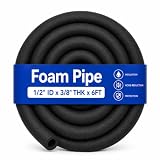
- Application: Pipe insulation foam tube for pipe freeze protection and sharp edge protection.Provides good water pipe insulation, sharp edge collision protection, and has good surface grip.(Please confirm the inner diameter before purchasing)
- Foam Pipe Insulation: Our pipe insulation foam are made of high quality nitrile rubber.Class B flame retardant, good flame retardancy, high elasticity, non-absorbent
- Non-folding packaging: Foam tube is naturally rolled up and put into the packaging bag.Avoid obvious creases caused by folding.Working temperature is -58°F to 230°F(- 50℃ to 110℃)
- No Pre-cut: The foam tube is completely closed structure, better thermal insulation effect.Pipe insulation foam can be cut to length as you need
- Package: You will receive 6 feet of insulation foam tubing. We stand behind of our products if you have any questions
12. Find noticeable door and window drafts
On a windy or cool day, check the edges of exterior doors and windows for moving air. Also inspect frames and visible joints. Concentrate repairs where you can actually feel leakage rather than sealing every joint indiscriminately.
13. Repair or add weatherstripping
Replace compressed or damaged weatherstripping around drafty doors and windows with a product suited to the opening. A proper seal should allow the door or window to operate normally while closing the gap.
14. Use rope caulk or removable window film where suitable
For leaky windows that do not need a permanent repair immediately, rope caulk or removable film can reduce drafts. Follow the product directions and avoid covering vents, escape windows or hardware needed for safe operation.
15. Inspect major air-leak locations
Check around utility penetrations, chimneys, recessed lights and unfinished spaces for significant leakage. Because sealing near heat-producing or electrical components can create safety problems, ask an energy professional when the construction or required material is uncertain.
16. Evaluate attic insulation
Look for thin, displaced or damp insulation in accessible attic areas. Before paying for a large upgrade, consider an energy audit so the work addresses the home’s largest losses rather than an easy-to-see area that is not the main problem.
17. Insulate hot-water pipes when appropriate
Insulating accessible hot-water lines can reduce heat loss, but the material must be suitable for the pipe and kept clear of burners, flues and other heat sources. Follow the equipment and insulation manufacturers’ clearances.
18. Check exposed heating ducts
Inspect ducts running through unheated spaces for damage, disconnected joints or missing insulation. Repairing leaks and restoring insulation can help delivered heat reach occupied rooms, but duct materials and access may require a qualified contractor.
Do these 3 things before closing this tab:
1Fix the driver behind crashes, sound loss and screen glitches2Repair Windows errors before they cause bigger problems3Scan for outdated or missing drivers - takes under a minute19. Test the thermostat and schedule
Raise and lower the setting briefly to confirm the system responds, then review the programmed schedule. A programmable thermostat may suit households with predictable routines; choose settings that match occupancy and the equipment’s instructions.
20. Research replacement heating systems carefully
If the furnace or heat pump is nearing replacement, compare the home’s heating load, fuel or electrical service, installation constraints and efficiency information. ENERGY STAR guidance referenced by DOE can help frame the comparison, but a contractor must verify what fits your home.
Exterior, drainage, trees and yard
21. Clean gutters
Remove leaves, needles and sediment so meltwater and rain can flow freely. Wear appropriate protection and use safe access equipment; hire a professional rather than working from an unsafe ladder or roof.
Rank #3

- PRODUCTS YOU'LL RECEIVE: Our set includes 8 pieces of 1.31 feet long 3/4 pipe insulation, the total length of the pipe insulation is 10.48 feet, the inner diameter is 0.8 inches and the thickness is 0.4 inches, it can be cut to fit different lengths of pipes as needed
- NEW MATERIAL: Unlike the old-fashioned fiberglass insulated pipes, our insulation foam tube are made of safe neoprene rubber, which is gentle to the skin and comes with flame retardant on the surface to prevent fire
- SELF-ADHESIVE PIPE COVERS: Each outdoor pipe foam tube comes with pre-cut seams, our pipe insulation are compatible with pipes 0.8 inch, 3/4 inch or smaller, Simply wrap the pipe insulation around the pipe and peel off the protective paper from the double sided tape on the side of the pre-cut insulated pipe for easy installation without the use of additional tape
- SAFE AND TRUSTWORTHY: Our water pipe insulation have good heat insulating and heat preservation, with good elasticity, easy bending and safe use, Working temperature is -40°C to 80°C(-40°F to 176°F)
- FOUTDOOR PIPE INSULATIO: Our black foam pipe are the perfect choice for protecting your outdoor pipes, the thermal insulation and fireproof Foam Tube can effectively avoid freezing of pipes in winter and prevent heat loss, suitable for the pipes under the water heater, garden water pipes and outdoor water pipes
22. Confirm downspouts discharge away from the house
Check that each downspout is open and carries water away from the foundation. Correct blockages and extensions that leave water pooling beside the home, using a solution compatible with local drainage rules and the property’s grading.
Quick wins for a faster PC:
Fix the driver behind crashes, sound loss and screen glitchesFind Drivers →Repair Windows errors before they cause bigger problemsFix Now →Scan for outdated or missing drivers - takes under a minuteDriver Scan →23. Inspect the roof and accessible exterior
From the ground or a safe access point, look for damaged roofing, loose flashing, missing exterior materials and places that need professional attention. Do not climb a wet, icy or steep roof to complete a seasonal checklist.
24. Address weak or damaged tree branches
Inspect branches over the roof, walkways, driveways and utility lines. Arrange qualified tree care for limbs that are dead, cracked or poorly attached; the National Weather Service includes tree and yard preparation in its winter-at-home guidance.
25. Check exterior doors, window frames and caulking
Look for gaps, failed caulk and openings that could admit cold air or water. Repair only with materials suitable for the joint and weather exposure, and leave drainage paths open.
26. Secure outdoor property
Store or tie down furniture, tools, decorations, planters and other loose items. Regional wind, snow and ice exposure differ, so secure anything that could be damaged or become a hazard in your local storms.
The Tool Desk
Outbyte PC Repair FREERepair Windows errors before they cause bigger problemsFix Now →Outbyte Driver Updater FREEScan for outdated or missing drivers - takes under a minuteDriver Scan →27. Inspect steps and walkways
Repair loose boards, cracked surfaces, unstable railings and uneven sections before snow or ice hides them. Improve lighting and keep a clear route to the main entrance, utility shutoffs and emergency equipment.
28. Service snow-removal equipment
Find the snow shovel or snow blower now. Check handles, moving parts, fuel or charging arrangements and the storage location; the National Weather Service home preparedness checklist recommends having this equipment ready before it is needed.
29. Check plant and crop cold tolerance
Review the temperature limits of outdoor plants, vegetables and perennial crops. Decide which can remain outside and which need covering, relocation or another form of protection for your area.
30. Protect or move potted plants
Move containers to a protected location or cover them when forecast conditions approach the plants’ limits. Do not assume a plant’s hardiness in the ground applies to roots in an exposed pot.
Fire, carbon monoxide and emergency heat
31. Test smoke alarms
Press the test button on every smoke alarm and address any failed unit, missing battery or expired device according to its instructions. The National Weather Service notes that smoke alarms should be tested monthly; include this test in your seasonal routine.
Rank #4

- Parameters - This black foam pipe has an inside diameter of 2 inches (51 mm), an outside diameter of 2.72 inches (69 mm), and an overall length of 6 feet (1.8m). It is designed for pipes up to 2 inches (fits pipes with an outside diameter of 1.5"-2.0").
- Parameters - This black foam pipe has an inside diameter of 2 inches (51 mm), an outside diameter of 2.72 inches (69 mm), and an overall length of 6 feet (1.8m). It is designed for pipes up to 2 inches (fits pipes with an outside diameter of 1.5"-2.0").
- Weather Resistant and Flame Retardant - Waterproof insulation wrap with flame retardant properties provides superior thermal protection. High elasticity prevents cracking, making it ideal for outdoor line insulation and pipe insulation.
- Multipurpose - Can be used as foam insulation for air conditioning ducts, winter pipe freeze protection, drain or protective padding for fragile items and table corners.
- TIP - For easy installation into 2-inch pipes, apply lubricant/water to the pipe before sliding it into the insulation foam pipe.
32. Test carbon monoxide alarms
Confirm that carbon monoxide alarms operate and have the required battery, backup or hardwired power for the model. Place and maintain them according to the manufacturer’s instructions, especially if the home uses combustion appliances or an attached garage.
33. Keep exterior vents clear
Before cold weather, remove leaves and debris from vents serving heating equipment, dryers and other appliances. Recheck them after snow or storms so drifting material cannot block combustion air or exhaust.
34. Arrange a chimney or flue inspection
If you may use a fireplace or wood stove, schedule the recommended annual chimney or flue inspection before the first fire. Have a qualified professional address creosote, damage, obstructions or clearance concerns.
35. Review emergency-heater safety
Read the operating and ventilation requirements for every portable or backup heat source. Never use an outdoor grill to heat a home or cook indoors. Keep combustion equipment away from materials that can burn and follow its listed clearances.
36. Check the fire extinguisher
Keep an appropriate extinguisher accessible, verify its pressure or condition as directed on the label and ensure household members know its location and basic operation. Do not block it with stored seasonal items.
37. Place a portable generator outdoors
Review the generator manual before an outage and choose an outdoor operating location away from doors, windows and vents. Never run a generator in a house, garage, basement or other enclosed space; carbon monoxide can accumulate without an obvious warning.
Household and storm readiness
38. Assemble lighting and communication tools
Gather working flashlights, spare batteries, a portable radio, a charged phone and a first-aid kit where everyone can find them. Test each item rather than discovering dead batteries during an outage.
What’s actually slowing this PC down?
Pick the symptom - the matching free tool is one click away.
39. Check food, water, medicine and care supplies
Review supplies for food, drinking water, prescriptions, infant needs, pet food and any heating fuel your household relies on. Match quantities to the possibility of an outage lasting more than a day, as advised by the National Weather Service.
40. Prepare warmth and a care plan
Set aside warm clothing and blankets, and decide how you will keep pets and vulnerable household members safe if heat or power is interrupted. Include transportation, medication, mobility and communication needs in the plan rather than improvising during a storm.
When to hire help and how to choose the work
Use a simple decision test for any repair or upgrade: identify the exact problem and location, determine whether it is a routine homeowner check or requires a qualified professional, confirm compatibility with the home’s equipment and instructions, and account for local climate and outage risk. An energy audit is particularly useful before broad insulation or air-sealing work because it can reveal which improvements matter most.
- Usually manageable by a prepared homeowner: disconnecting hoses, testing alarms, changing a correctly specified filter, clearing vents and gutters from safe access, securing outdoor items and assembling supplies.
- Often worth professional service: annual HVAC maintenance, chimney or flue inspection, tree work near structures or utilities, roof work, complex air sealing and repairs involving gas, electrical systems or inaccessible plumbing.
- Always follow the equipment manual: pipe insulation clearances, thermostat programming, generator placement, emergency-heater ventilation, alarm maintenance and snow-blower servicing.
Final check before cold weather arrives
Walk the checklist once more with your household. Everyone should know the main water shutoff, alarm locations, extinguisher, emergency supplies and the safe outdoor location for a generator. Recheck vents, walkways and drainage after major wind or snow. The right completion date is the one set by your local forecast and your home’s exposure—not a universal calendar day.
Quick Recap

Product prices and availability are accurate as of the date/time indicated and are subject to change. Any price and availability information displayed on Amazon at the time of purchase will apply.

