Do these 3 things before closing this tab:
What’s actually slowing this PC down?
Pick the symptom - the matching free tool is one click away.
1Clear out junk files and repair common Windows errors2Fix the driver behind crashes, sound loss and screen glitches3Repair Windows errors before they cause bigger problems
ThatPainter is reader-supported. When you buy through links on our site, we may earn an affiliate commission. Learn More
Heat-pump and solar hot-water systems are usually the strongest efficient options for an Australian detached home, but neither is automatically the best choice. Your climate, roof, household demand, available space, electricity or gas supply, tariffs, installation work, local rules and current incentives all change the answer. The Australian Government puts it plainly: “The best water heating system for your home depends on a range of factors.”
Heat-pump water heaters use about 30% of the energy of a conventional electric hot-water system, according to Australian Government guidance. Solar can also be highly efficient where collectors receive reliable sun. Electric storage remains a straightforward option, especially with suitable tariffs or rooftop photovoltaic (PV) generation, while gas is most often considered where a gas connection already exists. This guide shows how to choose among them without treating category-level figures as a promise for every model.
As an Amazon Associate I earn from qualifying purchases.
Quick wins for a faster PC:
Repair Windows errors before they cause bigger problemsFix Now →Scan for outdated or missing drivers - takes under a minuteDriver Scan →Start with the outcome: which system suits your house?
For many replacement projects, a heat pump deserves the first quote. It transfers heat from outdoor air into a storage tank instead of creating all the heat with an electric resistance element. The federal overview says a heat-pump water heater uses 30% of the energy of a conventional electric hot-water system, and YourHome identifies heat pumps as a low-energy option even where roof access for solar collectors is poor.
Solar hot water is another strong choice when the roof has suitable orientation, structural capacity and minimal shading, and when the tank and booster can be placed sensibly. In winter or during long cloudy periods, solar systems may need an electric or gas booster. A heat pump can be the more practical efficient choice for a shaded roof, a difficult roof layout or a home where the tank must be installed at ground level.
#1 Best Overall

- Energy-Saving Hybrid Water Heater – Advanced heat pump water heater technology extracts heat from the air to warm water efficiently, cutting electricity use by up to 70% compared to a standard electric water heater.
- High Efficiency Performance – With a 3.75 UEF rating and a 69-gallon First Hour Rating (FHR), this hybrid water heater delivers reliable hot water while significantly lowering energy bills.
- 50 Gallon Electric Water Heater Capacity – Perfect for medium to large households, providing consistent hot water for showers, laundry, and dishes without running out.
- Certified Heat Pump Water Heater – UL Certified, AHRI Certified, and ENERGY STAR rated, ensuring your electric water heater meets the highest standards of safety, efficiency, and performance.
- Long-Lasting Hybrid System – Backed by a 7-year parts warranty and 10-year compressor warranty, this hybrid heat pump water heater is built for durability, savings, and peace of mind.
Simple electric storage generally costs less to buy and install than a heat pump. Its running cost depends heavily on the electricity tariff, controls and whether surplus PV can heat the tank. Gas continuous-flow systems can deliver hot water without a storage tank, but they need appropriate outdoor ventilation and should be assessed against future fuel costs and local requirements. Gas storage has greater standing heat loss and is described by federal guidance as particularly inefficient.
These are system categories, not model rankings. A well-sized, correctly installed unit can outperform a poorly matched unit in the same category. Obtain current written quotes for your address rather than choosing from a headline efficiency claim alone.
Storage or instantaneous: the first design decision
Storage systems
A storage system heats water in an insulated tank and keeps a reserve available for showers, baths, washing and cooking. Electric storage, solar hot water and most heat pumps use this arrangement. Tank size, recovery rate, insulation, booster settings and the time at which heating is enabled determine whether the reserve is ready when your household needs it.
- Advantages: several people can draw water in succession, and heating can be scheduled for a cheaper tariff or for the hours when PV is producing.
- Checks: allow space for the tank, confirm safe clearances and drainage, and ask how the system handles a run of cloudy days or unusually high demand.
- Trade-off: stored water loses some heat, even through insulation, and a tank can run out if demand exceeds its usable volume and recovery rate.
Instantaneous (continuous-flow) systems
An instantaneous heater warms water as it passes through the appliance, so there is no large hot-water tank. Gas continuous-flow units are common examples. They need enough gas supply and water flow to meet the required temperature rise, and they are generally installed outdoors so combustion gases can be safely vented.
- Advantages: no tank standing losses and a potentially continuous supply while the appliance is within its flow and capacity limits.
- Checks: verify minimum flow, simultaneous-use performance, gas pipe capacity, electrical requirements and the location allowed by local building rules.
- Trade-off: the unit can struggle when several outlets run at once or when incoming water is very cold unless it is correctly sized.
Do not compare a storage heat pump directly with an instantaneous gas unit on purchase price alone. They solve the hot-water demand in different ways and require different plumbing, electrical, ventilation and control work.
How the main hot-water options compare
| Option | How it works | Where it can fit well | Questions and trade-offs |
|---|---|---|---|
| Heat pump | A refrigeration cycle extracts heat from outdoor air and moves it into a storage tank. | Homes seeking lower electricity use, including sites with poor solar-collector access; can use scheduled tariffs or daytime PV. | Higher purchase and installation cost than basic electric storage; compressor noise; check cold-climate suitability, sizing, placement, warranty and controls. Some models are not suited to locations regularly below 5°C in winter. |
| Solar hot water | Roof-mounted flat-plate collectors or evacuated tubes heat water in a tank. | Homes with good solar access, suitable roof orientation and space for a tank and booster. | Collector shading, roof condition and winter solar availability matter. An electric or gas booster may be needed; purchase and installation can be expensive. |
| Electric storage | An insulated tank uses an electric resistance element to heat water. | Replacement projects needing a familiar, comparatively simple installation; homes with an appropriate off-peak tariff or controllable PV. | Usually cheaper to purchase than a heat pump, but it can use more energy and cost more to run. Confirm tariff access, timer or control compatibility and tank size. |
| Gas continuous-flow | A burner heats water as it flows through a heat exchanger. | Homes with a suitable gas connection that need instantaneous operation and have an approved outdoor location. | Requires correct gas supply, combustion ventilation and flue clearances. Consider medium-to-high purchase, installation and running costs, future fuel plans and local rules. |
| Gas storage | A gas burner heats and maintains water in an insulated tank. | Existing installations where a like-for-like replacement is permitted and other options are impractical. | Federal guidance describes gas storage as particularly inefficient because of heat loss from maintaining the tank. Compare it with continuous-flow gas and electric or heat-pump alternatives before replacing it. |
Heat-pump hot water: why it is often the leading efficient option
A heat pump does not make heat in the same way as a resistance element. Its compressor and refrigeration circuit collect low-temperature heat from ambient air and raise it to a temperature suitable for the tank. The appliance still uses electricity, but most of the heat delivered to the water comes from the surrounding air.
The Australian Government’s stated figure is 30% of the energy used by a conventional electric hot-water system; that is a category-level government estimate, not a guaranteed bill reduction for every household. Actual results depend on water use, incoming-water temperature, set point, weather, defrost cycles, controls and the electricity tariff.
Climate and cold-weather checks
Ask the installer for the model’s operating range and cold-climate rating. YourHome and federal guidance caution that not every heat pump suits places that regularly fall below 5°C in winter. In a cold location, a model designed for those conditions, a correctly configured booster and a protected installation position may be essential.
Noise and placement
The outdoor fan and compressor make operating noise. Before accepting a quote, identify the sound-sensitive boundaries: bedroom windows, neighbouring properties, entertaining areas and the home office. Ask for the manufacturer’s sound rating, the proposed mounting surface, vibration isolation, airflow clearances and a service-access path. A technically efficient unit can become a poor choice if it disturbs occupants or neighbours.
Controls, tariffs and PV
Heat pumps can often be scheduled to heat during daylight PV production or a lower-cost tariff, but controls differ by product. Confirm whether the unit can accept a timer, a demand-response signal or an energy-management system, and whether changing the schedule affects hot-water availability. A quote should state any new circuit, switchboard work, meter or tariff change.
The Tool Desk
Outbyte Driver Updater FREEFix the driver behind crashes, sound loss and screen glitchesFind Drivers →Outbyte PC Repair FREEClear out junk files and repair common Windows errorsFree Scan →Tank sizing
Do not select a heat pump solely by the compressor’s headline capacity. Size the tank and recovery performance for the number of occupants, shower duration, baths, laundry, dishwasher use and the timing of peak demand. A smaller tank may work for a light-use couple; a larger tank or faster recovery may be justified for a family with several showers before work or school.
Rank #2

- CERTIFIED ACiQ SELLERS: Everything you need for reliable HVAC solutions!
- INDOOR INSTALLATION: It performs best in stable indoor temperatures and should not be installed in unheated spaces below 37°F.
- PERFECT LOCATION: Ideal for basements or garages, this 50 gallon hot water heater electric unit requires 700–1,000 cubic feet of air circulation and proper drainage.
- HYBRID TECHNOLOGY: With a 3.75 UEF, this energy star electric water heater provides hot water efficiently, using far less energy than traditional models.
- HEATING ELEMENTS: Ideal for 3–5 people, it delivers 69 gallons in the first hour with a hybrid system for quick recovery.
Solar hot water: excellent when the roof and sun cooperate
Solar hot-water systems use roof collectors—usually flat plates or evacuated tubes—to heat water in a storage tank. The collector area, orientation, tilt, shading and local climate determine how much useful heat arrives. YourHome’s hot-water service guidance explains the importance of collector siting and the role of a booster.
Roof and collector assessment
- Check the roof’s age, condition, load capacity and access before adding collectors.
- Map shading from trees, chimneys, neighbouring buildings and future growth, not just the shadow on the day of the quote.
- Confirm the collector orientation and tilt proposed for your location, plus the pipe route from roof to tank.
- Ask how the system will be protected during storms, maintenance and prolonged absence.
Why a booster is usually part of the design
Mid-winter sun, short days, cloud and long cold nights can leave solar-heated water below the required temperature. An electric or gas booster supplies the shortfall. Ask when the booster runs, how it is controlled, what tariff it uses and whether it can be limited to periods when PV or lower-cost electricity is available. A solar quote that omits the booster’s installation and running implications is not a like-for-like comparison.
Tank location and plumbing
Some solar layouts place the tank on the roof; others use a ground-level tank with pumped circulation. Each arrangement changes structural loading, visual impact, pipe length, heat loss, maintenance access and installation cost. Have the installer draw the collector, tank, valves, tempering device, drains and pipework on the quote or site plan.
Recommended Free Tools
Electric storage: a lower-complexity baseline
An electric storage heater uses a resistance element inside an insulated tank. It is familiar to plumbers and electricians, often has a lower initial purchase and installation cost than a heat pump, and can be straightforward where a replacement connection already exists.
When the running cost can make sense
An off-peak or controlled-load tariff may reduce the price of electricity used to heat the tank. Rooftop PV can also improve the economics if controls heat water while the system is producing surplus energy. Tariff names, eligibility and switching arrangements vary by distributor and state, so have the installer or retailer confirm the actual meter arrangement rather than assuming a tariff is available.
What to verify
- Tank volume and recovery rate for your household’s peak period.
- Element rating and whether the existing circuit and switchboard can support it.
- Controlled-load hours, timer settings and what happens after a cold or high-demand day.
- Tank corrosion protection, warranty conditions and access for future replacement.
Electric storage can be the sensible choice where capital is constrained, the installation is temporary, or local rules and site conditions make a heat pump or solar system impractical. Include its likely energy use in the whole-of-life comparison.
Gas hot water: distinguish continuous flow from storage
Gas continuous-flow systems heat water only when a tap or shower calls for it. They avoid tank standing losses and can provide long draws when correctly sized. They generally require outdoor installation so combustion products can be vented safely, along with suitable gas pipework, clearances and condensate management where applicable.
Free tools Windows power users keep installed
One-click scans. No signup required.
Gas storage systems keep a tank hot and therefore lose heat between uses. Federal guidance identifies gas storage as particularly inefficient. If a home already has gas, compare a continuous-flow replacement with a heat pump and electric alternatives rather than assuming a gas-for-gas replacement is cheapest over its service life.
Questions for a gas quote
- Is the gas meter and pipework large enough for the appliance at full demand?
- What simultaneous flow rate can it deliver at the home’s winter incoming-water temperature?
- Where will the appliance, flue and discharge be located, and do local rules allow that position?
- How will future gas-price changes, connection charges or a move toward all-electric construction affect the decision?
Match the system to the house, not just the brochure
1. Climate and incoming-water temperature
Climate affects every technology. Cold incoming water increases the energy needed for each shower and can reduce the apparent performance of a heat pump or solar collector. Hot climates can increase cooling and standby considerations but may offer stronger solar gains. Give the installer your postcode and ask for a design based on local winter conditions, not a generic national example.
2. Household size and demand pattern
Count residents, bathrooms and regular guests, then describe when hot water is used. Four short showers spread through the day create a different requirement from four long showers within an hour. Include baths, a large tub, frequent laundry, a dishwasher and any planned extension. Ask for the design’s assumed litres per day, peak draw-off and recovery time.
3. Roof access and shading
If collectors cannot receive reliable sun or the roof needs replacement, solar may require costly structural or roofing work. A heat pump can avoid the collector area, although it still needs a clear outdoor position and adequate airflow. Do not treat “north-facing” as a complete assessment; shading, tilt, roof condition and pipe routing matter too.
Rank #3
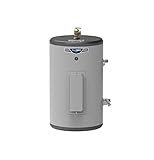
- EASY INSTALLATION - Installs in minutes with existing plumbing. Uses standard 3/4-in NPT compatible water connections and connects into any 120-Volt supply
- COMPACT DESIGN - Offers flexibility and space savings in places like kitchens, bathrooms, laundry rooms, RVs, cabins, barns, garages, etc
- LEADING WARRANTY- 8- year limited replacement or 8-year tank and parts/1-year labor warranty for peace of mind
- HOT WATER BOOSTER - Works as a standalone unit, or inline with another water heater to boost washing machines or longer plumbing runs
- ADJUSTABLE THERMOSTAT - Easily change temperatures to your desired settings
4. Outdoor space, noise and appearance
Heat pumps need airflow around the fan unit; gas appliances need safe flue clearances; solar needs roof space; every storage system needs a tank footprint and service access. Mark property boundaries and bedroom windows on the site plan. Confirm whether the body corporate, local council, heritage controls or neighbours impose additional restrictions.
5. Existing plumbing and electrical capacity
A replacement may need new valves, tempering controls, pipework, a slab or stand, electrical cabling, a dedicated circuit, switchboard upgrades, gas alterations or roof penetrations. Ask the installer to inspect—not assume—the existing connections. Removal and disposal of the old tank should be a separate line item so the apparent purchase price does not hide essential work.
6. Tariff, PV and control strategy
Compare the tariff actually available at the address with the system’s control options. A heat pump or electric tank that can run during solar generation may use less grid electricity than one that heats at an expensive evening rate. A solar system’s booster schedule can similarly determine how much energy it draws. Request annual operating assumptions in writing, including the tariff, hot-water volume and booster settings used.
7. Total installed cost and service life
The lowest purchase price is not the lowest total cost. Add the appliance, delivery, removal, plumbing, electrical or gas work, roof work, controls, commissioning, maintenance, likely booster use, energy tariffs and any future replacement parts. Include warranty length and what labour, tanks, compressors, collectors and valves each warranty actually covers.
How much hot water should you plan for?
Start with measured behaviour rather than a generic occupant number. For one week, note how many showers occur, their approximate duration, baths, laundry cycles and dishwasher runs. Record whether demand clusters in the morning or evening. This gives the installer a defensible basis for tank volume and recovery speed.
Reduce demand before oversizing the heater. A water-efficient showerhead can lower flow while preserving useful pressure, reducing the energy required to heat each shower. Repair dripping hot taps, insulate accessible hot-water pipes, set controls correctly and avoid storing water hotter than the manufacturer and safety requirements require. Demand reduction can make a smaller, less expensive system viable, but it cannot compensate for an undersized tank during a predictable peak.
Buy and install safely: a step-by-step process
- Research before failure. If the existing system is corroded or leaking, emergency replacement limits your choices. Compare categories, warranties and local installers while the current system still operates. The federal consumer article “Research before you buy: hot water systems” recommends comparing suppliers and considering purchase, installation, maintenance and running costs.
- Document the house. Record the postcode, occupants, peak-use times, current tank size, fuel connections, PV capacity, roof age, shaded areas, available outdoor space and any access constraints. Photograph the existing plumbing, switchboard, gas meter and proposed tank locations.
- Check current rules and assistance. Confirm requirements with the relevant state or territory authority and ask what rebates, certificates or controlled-load arrangements apply to this address, product and installation date. Solar and heat-pump systems may qualify for Small-scale Technology Certificates or other assistance, but eligibility and value change by location, product and date.
- Obtain at least two like-for-like written quotes. Give every installer the same demand profile and ask each to state model, tank size, collector area where relevant, assumed tariff, expected controls and all site work. A quote that covers only the appliance cannot be compared fairly with one that includes electrical upgrades and disposal.
- Verify the installer. Use a licensed installer authorised for the plumbing, electrical, gas and roofing work involved. Check the licence through the relevant state or territory register, ask who will perform each trade and confirm service arrangements after commissioning.
- Check product information. Look for registration or performance information where applicable, installation clearances, operating temperature range, sound data, warranty terms, maintenance intervals and parts availability in Australia. Do not infer one model’s performance from a category average.
- Review the final scope. Ensure the contract identifies the heater, removal and disposal of the old unit, valves and tempering devices, slab or stand, electrical or gas changes, new circuits or tariff work, roof penetrations, commissioning, certificates, warranty documents and the treatment of rebates or certificates.
- Commission and record settings. Keep photographs of pipework and controls, the serial number, manuals, warranty registration, installer licence details and the date of commissioning. Ask the installer to demonstrate the boost mode, timer, fault reset and isolation points.
Rules, construction requirements and incentives vary by location
YourHome explains that National Construction Code provisions set minimum energy-efficiency and greenhouse-gas requirements, while each state and territory adopts the code with its own timing and variations. A replacement in an existing home may be treated differently from a system specified for a new dwelling.
- Australian Capital Territory: restrictions on gas connections to new homes have been cited as an example of jurisdiction-specific policy.
- Victoria: an announced all-electric requirement for new homes from 2027 is time-sensitive and should be checked against the current rule before a build or contract is signed.
- New South Wales: BASIX energy targets affect new-home designs. The official NSW BASIX hot-water guidance says systems with lower greenhouse-gas emissions score best for the BASIX energy score; that rule should not be generalized to other states or to every replacement project.
- South Australia: restrictions on some electric-storage installations have been cited; confirm the current scope, exemptions and replacement provisions before ordering.
For incentives, the federal Energy Rating water-heating information notes that solar and heat-pump systems may qualify for Small-scale Technology Certificates and other rebates. The number of certificates, rebate amount, approved products, installer conditions and claim process are not universal. Check the current official program for your state or territory and require the installer to show exactly how any certificate or rebate appears in the written quote.
Crashes, No Sound, or Screen Glitches?
Random freezes, missing sound and display glitches usually trace back to one bad driver. Find and replace yours safely.Free scan · under a minutePC Slower Than It Used to Be?
A free scan shows the junk files, broken settings and background clutter dragging Windows down - then fixes them in one click.Free scan · Windows 10 & 11How to compare quotes without being misled
Put the quotes side by side and normalize the assumptions. For each system, record:
- appliance make and model, tank volume and rated capacity;
- collector type and area for solar, or compressor and tank details for a heat pump;
- assumed occupants, litres per day, incoming-water temperature and peak-use pattern;
- electricity or gas tariff used in any running-cost estimate;
- controls, timers, PV integration and booster settings;
- delivery, crane or difficult-access charges, old-system removal and disposal;
- plumbing, electrical, gas, roof, slab, drainage and switchboard work;
- commissioning, compliance certificates, warranty parts and labour, and service call terms;
- rebates, certificates, application fees and the price before and after those amounts.
Reject a quote that promises a payback period without stating the household demand, tariff, climate, maintenance assumptions and incentive date behind the calculation. A precise payback number is not meaningful when those inputs are unknown.
Common failure modes and how to avoid them
Choosing the smallest tank to lower the quote
An undersized storage system may need frequent boosting or leave the last user with lukewarm water. Use the documented peak-demand profile and ask what recovery time the installer assumes after a full draw.
Rank #4
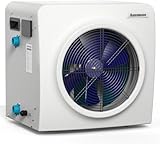
- All-Season Pool Comfort: Featuring innovative dual-mode temperature control, this heat pump precisely heats water between 41–104°F or cools it within 41–83°F. By maintaining consistent thermal regulation, it extends swimming seasons by up to 6 months while delivering year-round comfort for pool enjoyment.
- Professional Thermal Performance: Featuring a high-output heating module, this 4-season system is designed for above ground pools. The precision thermostat maintains ±2°F temperature accuracy by continuously monitoring ambient conditions, ensuring consistent comfort throughout the year.
- Energy Efficiency Redefined: With a high 5.5 COP, this ultra-efficient heat pump employs a powerful engine to ensure consistent energy savings. In comparison with conventional electric heating, it slashes energy consumption by 70% and provides 40% more savings than natural gas alternatives.
- Quiet Operation & Defrost: With ultra-quiet technology, the operating sound is maintained at 38 dB, which is quieter than a whisper. You can enjoy the comfort brought by the heat pump heating without being affected by any noise.Intelligent auto-defrost system that automatically removes ice buildup without manual intervention.
- Easy to Assemble: This heat pump comes with both 1.25" hose adapters and 1.5" conversion kits for easy installation, completed in under 10 minutes. The panel supports multi-mode smart control, complemented by a 3-year comprehensive warranty and lifetime technical support.
Putting a heat pump beside a bedroom window
Fan and compressor noise can become a daily nuisance. Move the unit, isolate vibration, preserve airflow and check the manufacturer’s sound information before signing.
Assuming solar means zero electricity or gas
Winter cloud and long nights can require a booster. Compare the booster’s control strategy and tariff, not just the collector’s advertised solar contribution.
Ignoring future access
A tank or heat pump squeezed behind a fence may be difficult to service or replace. Keep the manufacturer’s clearances and a route for lifting equipment in the plan.
Replacing gas without checking future rules
New-home rules and local fuel policies can change the practical value of a gas connection. Distinguish an existing-home replacement from new construction and verify the current requirement before committing.
Counting an incentive before eligibility is confirmed
Certificates and rebates can depend on product registration, installer accreditation, postcode, installation date and available program funds. Treat an unconfirmed amount as a possibility, not guaranteed savings.
Do these 3 things before closing this tab:
1Fix the driver behind crashes, sound loss and screen glitches2Clear out junk files and repair common Windows errors3Scan for outdated or missing drivers - takes under a minuteDecision guide for typical detached-home situations
You have good sun, an unobstructed roof and space for a tank
Price a solar hot-water system with an appropriately sized collector, tank and booster. Compare its roof work, maintenance access and winter booster use with a heat pump installed at ground level.
Your roof is shaded or unsuitable, but you have an outdoor location
A heat pump may avoid collector and roof work. Check cold-climate performance, sound levels, airflow, tank size and whether daytime PV or a suitable tariff can run it economically.
You need the lowest initial complexity
Electric storage can be a practical baseline where the existing circuit, tank location and tariff are favourable. Ask for a whole-of-life estimate so the lower purchase price is not mistaken for the lowest total cost.
You already have gas and want continuous flow
Compare a correctly sized continuous-flow unit with a heat pump and electric option. Confirm outdoor venting, gas capacity, winter flow performance, local rules and the long-term cost of gas service and fuel.
Quick wins for a faster PC:
Scan for outdated or missing drivers - takes under a minuteDriver Scan →Clear out junk files and repair common Windows errorsFree Scan →You are building a new home
Check the current state or territory rules before finalizing the energy assessment, because NCC adoption, BASIX or other state schemes can influence which systems receive compliance credit. Design roof penetrations, tank location, electrical capacity and service access at the same time as the rest of the house.
Bottom line for choosing the best hot-water system
For an Australian detached home, start by comparing a properly sized heat pump and a solar system where the roof and climate support it. Choose solar when collector access, winter performance, booster operation and installation cost are acceptable. Choose a heat pump when you need an efficient system without a suitable collector roof, provided the climate rating, noise, placement and tariff work for your site. Electric storage remains a valid lower-complexity option when its tariff and PV controls make the total cost acceptable. Gas—preferably continuous flow rather than gas storage—requires careful consideration of ventilation, running costs and future local requirements.
Before ordering, use a licensed installer, obtain current like-for-like written quotes, verify warranty and service arrangements, and check today’s state or territory rules and incentives. There is no universal rebate or universally best technology; the right answer is the system that meets your household’s peak demand at your site’s lowest realistic total cost and risk.
Quick Recap

Product prices and availability are accurate as of the date/time indicated and are subject to change. Any price and availability information displayed on Amazon at the time of purchase will apply.

