Quick wins for a faster PC:
Repair Windows errors before they cause bigger problemsFix Now →Scan for outdated or missing drivers - takes under a minuteDriver Scan →ThatPainter is reader-supported. When you buy through links on our site, we may earn an affiliate commission. Learn More
The best do-it-yourself home fixes are visible, bounded problems with a clear repair path: checking for leaks, replacing a worn toilet flapper, tightening a dripping showerhead, sealing an obvious draft, measuring water pressure, controlling indoor moisture, and testing safety alarms. Stop and bring in a landlord, appliance manual, qualified contractor, plumber, electrician, or hazardous-material specialist when the work involves gas, electricity, structural damage, hidden leaks, ventilation or combustion changes, lead paint, asbestos, deep floodwater, or a repair that requires opening walls.
As an Amazon Associate I earn from qualifying purchases.
This guide uses U.S. Environmental Protection Agency (EPA) and Department of Energy (DOE) guidance. Building codes, rental agreements, appliance designs, and professional requirements vary by location and by home.
The Tool Desk
Outbyte PC Repair FREEClear out junk files and repair common Windows errorsFree Scan →Outbyte Driver Updater FREEScan for outdated or missing drivers - takes under a minuteDriver Scan →How to decide whether a home fix is suitable for DIY
A task is a reasonable first-time repair when you can identify the symptom, reach the affected part without dismantling the building, use materials intended for that part, and stop without leaving the home less safe. A dripping faucet, a toilet that fails a dye test, or a visible gap around a window fits that description. A wet wall with no visible source does not.
#1 Best Overall

- 【Lightweight Cordless Drill】The 8V drill set can be used for drilling in wood and plastic, and tightening/loosening screws.Press the switch to adjust the speed of the electric drill, the maximum no-load speed of the mini drill is 800r/min. The net weight of the hand drill is only 1.65 pounds, and it is easy to operate with one hand.
- 【Rechargeable Battery】This drill is supplied with a type-C 1.5A charging cable.A universal charger or USB output(5Vd.c) can charge the small drill.The battery indicator light is at the back of the drill.
- 【Be a Handy Women】This cordless drill combo kit are made of alloy steel, chrome plated to prevent corrosion, grip is anti-skid and comfortable.It is a good tool sets for women to do general DIY.
- 【Multi-functional Tool Kit with Drill】This tool set contains the most practical and advanced tools for design, repair or maintenance. This tool box is perfect for decoration, furniture assembly, drilling, cutting, gardening, office or daily home maintenance.
- 【Package Included】8V Cordless Drill, hex nut screwdriver, Screwdriver, precision Screwdriver, twisted drills, hex key, magneitc bits holder, 50L bits, 25I bits, 1/4" sockets, Measure Tape Ruler, fasteners, claw hammer, adjustable wrench, Utility Knife Blade, Utility knife, Long Nose Pilers, User Manual.
Use four questions before touching anything:
- Is the problem visible and bounded? A puddle under a sink is easier to assess than moisture inside a wall.
- Does the fix depend on a specific model or material? Toilet flappers, water heaters, and other appliances need compatible parts and model-specific instructions.
- Could the work affect ventilation, combustion, structure, gas, or electricity? If so, the risk is higher than the apparent size of the repair.
- Are hazardous materials possible? Old paint, floor tile, contaminated floodwater, and hidden mold change the job completely.
| DIY-friendly starting point | Why it is bounded | Stop and refer when |
|---|---|---|
| Toilet dye test and compatible flapper replacement | The leak can be confirmed without opening walls, and the worn sealing part is identifiable. | The toilet still leaks after the part is replaced, the cause is unclear, or the repair requires more extensive plumbing work. |
| Visible faucet, sink, or showerhead drip | You can see the water path and inspect a connection or seal. | Water is entering a wall, cabinet damage is extensive, or tightening does not stop the leak. |
| Caulking or weather stripping at an obvious gap | The air path is apparent and the work does not alter the building assembly. | The leak is hidden, the area needs combustion or ventilation changes, or the source cannot be located. |
| Water-pressure measurement | A gauge gives a useful reading without modifying the plumbing. | Pressure is far above 60 psi or adjustment would require installing or changing a pressure-regulating valve. |
| Moisture control and alarm testing | Drying, ventilation where appropriate, dehumidification, and testing do not require dismantling equipment. | There is persistent mold, contaminated water, structural damage, or an alarm fault that cannot be corrected by the manual. |
When you rent, report leaks, water damage, alarms, and appliance problems to the landlord before making a repair that could affect the lease or the building. Owners should also check local rules before work that changes plumbing, wiring, ventilation, or painted surfaces.
EPA says people spend about 90% of their time indoors. Small maintenance failures can therefore affect water use, indoor air, and building materials for long periods, even when the original symptom looks minor.
Find and fix common water leaks early
EPA WaterSense warns that undetected leaks can waste thousands of gallons of water each year. Make a quick visual and listening check before assuming a fixture is sound.
Windows Errors? Fix Them Before They Spread
Repair common Windows errors and clear accumulated junk for a smoother, more stable PC - no reinstall needed.Free scan · no reinstallOutdated Drivers Are Slowing You Down
One free scan finds every outdated or missing driver and matches the right update for your exact hardware.Free scan · exact hardware matchInspect faucets, supply connections, and cabinets
- Look and listen around every faucet for drips, dampness, or a recurring water spot.
- Open the cabinet below each sink. Check the shutoff valves, supply connections, drain joints, and the cabinet floor for puddles or swollen material.
- Dry the area and observe it again after using the fixture. A dry cabinet followed by a new puddle helps distinguish an active leak from old staining.
- If the source is a reachable connection, follow the fixture or fitting instructions. Persistent leakage, damage inside a wall, or an uncertain source is a plumber’s job.
Test a toilet for a silent leak
A toilet can lose water without making an obvious sound. Use food coloring or a dye tablet in the tank:
Rank #2
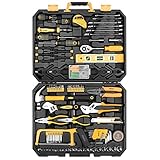
- HIGH QUALITY&STANDARDS:Forged from high-quality steel and finished in high-polish chrome,strength, durability, anti-corrosion protection.All the tools meet or exceed ANSI critical standards
- COMPLETE VARIETIES:Contains tools needed for most small repairs and basic DIY projects around the house.Perfect for Handyman’s, repairmen, construction workers, mechanics, body shops etc. also a great tool set to have at home, garage and the workshop
- INCLUDES:Comprehensive assortment of professional-grade wrenches, ratchets, a complete range of 1/4 inch and 3/8inch metric-sized sockets and precision screwdriver, hammer, tape measure, pliers, wrench,and etc. The 72-tooth ratchet easily shift to change direction by flick of 5-degree switch.Variety of 1/4-inch screwdriver bits: Phillips, slotted, square, star and pozi.Also includes soft-grip handle on screwdriver, plier, srtipper and hammer provides excellent comfort and control
- EASY TO CARRY&STORAGE:Housed in a handy blow-molded case for easy tool storage and portability. Its sturdy interior and organizer keeps tools in place
- DESIGN OF GREAT ORGINALITY:Black case makes it dirt-resistant.Diamond shape design makes it unique and fashion .Case size:17.5"*13.5"*3.94".Net Weight 12.78 lb
- Remove the tank lid and add a couple of drops of food coloring or a dye tablet.
- Wait 10 minutes without flushing.
- Check the bowl. Color that appears in the bowl indicates water is escaping past the tank seal.
- Flush afterward to clear the dye.
A worn rubber flapper is a common cause and may be replaceable. Identify the toilet and buy a compatible flapper rather than assuming all toilets use the same part. EPA WaterSense says, “Since toilet flappers wear out, replace them at least once every five years to ensure a good seal and avoid leaks.” If a new, compatible flapper does not solve the problem, or if the tank, bowl, or supply connection is damaged, have a plumber diagnose it.
Stop drips and stray spray at a showerhead
For a showerhead that drips or sprays sideways, first check whether the connection is tight. If the fitting and fixture instructions allow it, use a wrench and pipe tape to make a sound connection. Do not crush a finish or force a fitting that does not align. Mineral scale can often be cleaned with white vinegar or another product appropriate for the fixture. If water is coming from behind the wall or the joint remains wet after tightening, stop and arrange professional service.
Seal obvious drafts without creating a ventilation problem
Caulking and weather stripping can reduce drafts at visible gaps around windows, doors, and other penetrations. DOE calls caulking “one DIY strategy for sealing air leaks.” The method is appropriate when you can see the gap, the surrounding material is sound, and the product is suitable for that surface.
Use a simple inspection before applying sealant
- On a windy or cool day, move your hand slowly around likely gaps. Noticeable airflow, a loose door seal, or cracked caulk identifies a candidate area.
- Remove loose, failed caulk and clean the surface according to the new product’s instructions.
- Apply a suitable caulking material with a caulking gun, tooling the bead so it contacts both sides of the gap.
- Use replacement weather stripping where a movable door or window needs a compressible seal rather than a rigid bead.
- Allow the material to cure as directed and check that doors and windows still open, close, and latch normally.
DOE cautions that small, hidden leaks are less suited to casual DIY sealing. Air sealing must be planned with ventilation in mind, particularly where combustion appliances are present. Do not block intentional vents, combustion-air openings, or exhaust paths to chase a draft. A professional assessment is appropriate when the leak cannot be found, the building has persistent indoor-air problems, or sealing could alter combustion or ventilation performance.
Rank #3

- 65-piece tool set; carrying case included
- Includes 8 piece SAE and 8 piece metric hex keys (Allen Wrenches)
- 13-ounce fiberglass hammer; 16-foot tape measure with auto locking mechanism; 9-inch torpedo level; retractable 6-3/4-inch utility knife with 8 snap-off blade sections
- Includes both standard slip joint pliers with two locking positions as well as needle nose pliers with 1-inch jaw
- Chrome-Vanadium Phillips and flat head screwdrivers; 5 inch long ¼-inch ratchet with 8 SAE sockets (1/32, 3/16, 7/32, ¼, 9/32, 5/16, 11/32, 3/8)
Measure unusual water pressure before changing plumbing
High service pressure can stress fixtures and connections, but guessing at the pressure can lead to an unnecessary repair. EPA WaterSense describes a simple check with a water-pressure test gauge.
- Choose an accessible hose bibb, such as an outdoor faucet or another connection designed for a gauge.
- Turn off water-using fixtures and appliances so the reading reflects the home’s supply pressure.
- Attach the gauge securely and read the pressure according to the gauge instructions.
- Record the result and remove the gauge without damaging the connection.
Pressure far above 60 psi is a reason to consider professional adjustment or installation of a pressure-regulating valve. Installing or adjusting that valve can require plumbing knowledge and may be governed by local requirements. A gauge tells you that pressure is unusual; it does not by itself identify every cause or authorize a modification.
Approach a water heater as an appliance, not a generic plumbing project
Water heaters combine hot water with electricity or fuel. Inspecting for a visible problem is reasonable; dismantling or changing controls without the exact manual is not.
What to inspect
- Visible water around the tank, fittings, relief-valve discharge, or connections.
- Corrosion, aged gaskets, or loose connections that the manual identifies as serviceable.
- Unusual noises, temperature changes, odors, or signs of combustion trouble.
Read the specific appliance manual before any maintenance. Designs and safe procedures differ by model and fuel. EPA notes that professional annual water-heater service may be best. If there is a fuel smell, electrical damage, active leaking, scalding risk, or uncertainty about a control or safety device, shut down only as the manual and local emergency guidance direct and call a qualified professional.
Rank #4
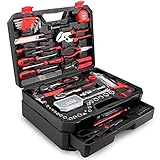
- [Toolbox Included] - Includes 1-Drawer storage box with independent sliding drawer to enlarge the capacity more than common toolbox. Assortment of necessary tools are in one tool chest, durable plastic case with internal molded compartments to keep each component protected and easily accessible. All tools meet or exceed ANSI standard.
- [High Quality Material] - Made of high-quality steel and finished in heat treated chrome, durable and corrosion resistance. Handles made of TPR material, comfortable for grip.
- [Muti-purpose Tools Kit] - 325Pcs tools set for most small repairs and DIY projects around the house. It is perfect for handyman, construction workers, mechanics, work shops etc. This tool set is also a good gift choice for family member, friends, partners, etc.
- [Complete Varieties] - Comprehensive assortment of professional-grade wrenches, a complete range of 1/4 inch and 3/8 inch metric-sized sockets and precision screwdrivers, hammer, tape measure, pliers etc. The 72-tooth ratchet. Variety of 1/4-inch screwdriver bits: Phillips, slotted, square, star and pozi. Soft-grip handle on screwdrivers, pliers, srtipper and hammer provides excellent comfort and control.
- [Great Gift Choice] -This tool kit is easy to carry and stock. It is a good gift choice for men and women. Also this tool set is perfect for Father's Day, and is a great option as gift for Dad, Boyfriend & Brothers when chrismas.
Control moisture instead of covering up its source
Moisture problems are solved by addressing the water source, drying wet materials, and managing indoor humidity. Paint, caulk, or a surface cleaner can hide a stain while the leak continues.
A practical moisture sequence
- Find the source. Check plumbing, fixtures, roofs, windows, doors, and areas where condensation forms.
- Stop or report the water. Repair a confirmed, reachable fixture issue; report building leaks promptly if you rent.
- Dry materials. Remove standing water, increase appropriate ventilation, and use dehumidification when needed.
- Inspect after drying. Persistent odor, recurring staining, soft materials, or visible mold indicates that the source or affected material needs further assessment.
- Rebuild only when dry. Wet materials enclosed behind finishes can support mold and lose their structural integrity.
EPA recommends indoor relative humidity of 30–50% to help control moisture and prevent mold. Vent kitchens and bathrooms when appropriate, but do not use ventilation as a substitute for repairing a leak. If the water is contaminated, the area is extensive, or the building is structurally damaged, use a qualified remediation or construction professional.
Keep smoke and carbon-monoxide alarms in the maintenance routine
EPA advises testing smoke and carbon-monoxide alarms monthly. Follow each alarm’s instructions for the test button, power source, and replacement procedure. Replace an alarm when it is more than 10 years old. An alarm that fails its test, chirps despite a new battery, or shows damage should be handled according to the manufacturer’s manual; do not disable it to silence a nuisance signal.
Recommended Free Tools
Recognize hazards that end DIY work
Lead paint in pre-1978 homes
Renovation, repair, or painting in a home built before 1978 can create dangerous lead dust. EPA recommends lead-safe work practices and says homeowners should hire a lead-safe certified contractor for Renovation, Repair and Painting (RRP) projects in such homes. Requirements can also apply when an owner rents all or part of the home, operates child care, or renovates homes for profit.
Best Value

- LOW PROFILE RATCHET: Up to 25% thinner head* for access in tight spaces (as compared to CMMT81747 & CMMT81748)
- 90-TOOTH RATCHET: Delivers 5 degree arc swing
- CONVENIENCE: Comprehensive set of 1/4-in and 3/8-in drive mechanics tools and mixed hand tools
- DURABLE BLOW MOLD CASE: For mobility and easy storage
- Full Lifetime Warranty on Mechanics Tools; Limited Lifetime Warranty on Hand Tools
Do not treat a few cleanup products as a substitute for training. EPA’s lead-safe approach includes frequent HEPA vacuuming, controlled bagging of waste, and wet cleaning. Disturbing painted surfaces without containment can spread dust beyond the work area. Before sanding, cutting, scraping, or demolishing, determine the home’s age and follow applicable certification and containment rules.
Possible asbestos floor tile
EPA says vinyl floor tile may contain asbestos and instructs readers not to remove asbestos-containing tile, even when it is damaged. Do not pry it up, sand it, grind it, or break it to “see what is underneath.” Have an asbestos professional identify the material and plan removal or encapsulation.
Deep floodwater and structural damage
With several feet of standing floodwater, removing water too quickly can crack or collapse floors and walls. EPA advises that the home be completely dry before rebuilding, both to reduce mold growth and to protect material integrity. Floodwater can also be contaminated and may affect electrical systems, fuel equipment, and hidden cavities. Leave assessment, pumping, drying, and structural decisions to qualified responders when the damage is substantial.
Do these 3 things before closing this tab:
1Clear out junk files and repair common Windows errors2Scan for outdated or missing drivers - takes under a minute3Repair Windows errors before they cause bigger problemsMatch supplies to the specific repair
| Task | Supplies supported by the guidance | Important qualification |
|---|---|---|
| Silent toilet leak | Food coloring or dye tablet; compatible toilet flapper | Confirm the toilet model and part compatibility; flush after the dye test. |
| Showerhead drip or stray spray | Wrench; pipe tape; white vinegar or an appropriate scale cleaner | Use only when the connection and fixture instructions permit; do not force fittings. |
| Obvious draft | Caulking gun; suitable caulking material; replacement weather stripping | Do not seal intentional vents or combustion-air openings. |
| Water-pressure check | Water-pressure test gauge | Attach at a hose bibb with water-using fixtures turned off. |
| Lead-safe cleanup | HEPA cleanup supplies and controlled waste bags | Supplies do not replace lead-safe training, containment, or certified RRP work. |
A specific repair part is safer than a generic toolkit recommendation. For example, a toilet flapper replacement is useful only when it matches the toilet. Buy materials after identifying the fixture, surface, or appliance rather than trying to make one product serve every repair.
A repeatable workflow for small repairs
- Document the symptom. Note where water, air, odor, noise, or damage appears and whether it returns after use or rain.
- Make the area safe. Keep people away from wet electrical equipment, hot surfaces, contaminated water, unstable materials, and suspected hazardous dust.
- Confirm the problem with a low-risk check. Use a toilet dye test, visual inspection, or pressure gauge instead of opening walls or dismantling an appliance.
- Read the instructions for the exact part or model. This is essential for flappers, water heaters, alarms, sealants, and any component with compatibility limits.
- Use the smallest appropriate intervention. Tighten a suitable connection, replace a worn seal, or seal a visible gap; do not modify unrelated systems.
- Test the result. Look for a new puddle, repeat the dye check, confirm the alarm test, or recheck the pressure as appropriate.
- Escalate when the result is uncertain. Persistent leaks, hidden moisture, high pressure, combustion or electrical concerns, structural movement, or hazardous materials require the correct professional.
Common DIY mistakes and better alternatives
- Painting over a moisture stain: Find and stop the water source first, then dry the material before refinishing.
- Sealing every air opening: Leave intentional ventilation and combustion-air paths intact; obtain an assessment when the leak is hidden.
- Buying a universal replacement part: Identify the toilet or appliance model and match the component.
- Removing old tile to inspect it: Treat suspect vinyl tile as potentially asbestos-containing and call an asbestos professional.
- Cleaning lead dust like ordinary household dirt: Use lead-safe containment and HEPA and wet-cleaning methods, or hire a certified contractor.
- Draining deep floodwater immediately: Have the structure assessed and follow professional drying and rebuilding guidance.
- Continuing after the first failed fix: A leak or alarm fault that persists is evidence to diagnose further, not a reason to add more sealant or disable a safety device.
DIY is most valuable when it gives you a safe, well-defined improvement and a clear answer about what happens next. Use simple checks to catch water loss, drafts, moisture, and alarm problems early; reserve hidden, hazardous, structural, fuel, and electrical work for people with the right training and equipment.
Quick Recap

Product prices and availability are accurate as of the date/time indicated and are subject to change. Any price and availability information displayed on Amazon at the time of purchase will apply.

