Do these 3 things before closing this tab:
1Clear out junk files and repair common Windows errors2Scan for outdated or missing drivers - takes under a minute3Repair Windows errors before they cause bigger problems
ThatPainter is reader-supported. When you buy through links on our site, we may earn an affiliate commission. Learn More
Engineered stone is a manufactured slab made from stone particles bound with resin and pigments. Its risk is primarily created when the material is cut, drilled, ground, trimmed, sanded or polished: those operations can release respirable crystalline silica dust linked to silicosis and other serious lung disease. Australia now prohibits most manufacture, supply, processing and installation of covered engineered-stone benchtops, panels and slabs, with imports prohibited from 1 January 2025. An installed surface is a different situation: Australian guidance says it does not pose a safety risk when left unprocessed.
These four points explain what the material is, why fabrication is hazardous, what the Australian prohibition covers and how owners should handle an existing installation.
As an Amazon Associate I earn from qualifying purchases.
1. What engineered stone is
Australian workplace-safety guidance defines engineered stone as a hardened artificial product that combines natural stone materials with constituents such as resin or pigments and contains at least 1% crystalline silica by weight. The legal definition used for the prohibition is product-specific; it is aimed at particular benchtops, panels and slabs rather than every surface marketed as manufactured or composite stone. See the Australian Government engineered-stone prohibition guidance and its explanation of what is and is not banned.
The proportion of silica varies by product. The Asbestos and Silica Safety and Eradication Agency says engineered stone can contain more than 90% crystalline silica; that is a possible composition, not a universal percentage for every brand, colour or slab. Resin and pigments provide the binder and appearance, while the mineral content supplies much of the hardness and stone-like finish.
#1 Best Overall

- New Disinfecting Formula - Kills 99.9% of germs & bacteria, Kills the following bacteria in 1 minutes on hard, non-porous surfaces
- Multi-Use - Superior performance on countertops, floors, shower stalls, kitchen sinks, bathroom sinks, tubs, floors & other hard, non-porous surfaces.Store in a dry, cool, and well-ventilated area
- Surface Safe - For Non-porous Sealed Granite, Sealed Marble, Sealed Limestone, Sealed Slate, and Glazed Tile in kitchens, bathrooms, and other household areas Cleans, Shines and Disinfects - Keep your home safe from harmful bacteria, germs, smells, and dirt
- #1 Trusted Brand - Weiman is a trusted cleaning brand for most of your home's delicate, difficult to care for surfaces; clean, protect and enjoy your home with Weiman
- Note-Causes moderate eye irritation. Harmful if swallowed or absorbed through the skin. Avoid contact with eyes, skin or clothing. Wash thoroughly with soap and water after handling and before eating, drinking, chewing gum, using tobacco or using the toilet. Remove contaminated clothing and wash clothing before reuse
In a kitchen or bathroom, the product usually arrives as a factory-made slab that is measured, cut and finished to fit. The finished benchtop may look like natural stone, but appearance alone cannot establish its composition. A sample can help with colour and texture selection; it does not verify the silica percentage, legal classification or safety of later fabrication.
Which products the Australian definition targets
| Product or situation | How to understand it |
|---|---|
| Engineered-stone benchtops, panels and slabs within the statutory definition | These are the central products covered by the prohibition. They contain at least 1% crystalline silica by weight and are made by combining stone materials with binders or other constituents. |
| Ceramic tiles | Australian guidance lists ceramic tiles among categories excluded from the engineered-stone ban. Their treatment under workplace safety rules can still depend on the task and jurisdiction. |
| Certain porcelain or sintered products | Some porcelain and sintered products are outside the prohibition when they meet the guidance’s definitions and conditions. The name used in a catalogue is not enough; confirm the exact product. |
| Other manufactured or composite surfaces | There is no blanket rule that every product described as manufactured stone is banned. Classification depends on the material and the legal definitions. |
Exclusions from this particular ban are not a guarantee that a surface is harmless to process. Cutting any mineral-containing product can create dust, so a fabricator must identify the material and apply the controls required by the relevant work-health-and-safety rules.
What’s actually slowing this PC down?
Pick the symptom - the matching free tool is one click away.
2. Why fabrication and modification create a silica-dust hazard
Silica is locked into an intact slab. Mechanical work can fracture the material into very small particles that remain airborne long enough to be inhaled deep into the lungs. Australian government information identifies cutting, grinding, trimming, drilling, sanding and polishing as activities that can release respirable crystalline silica dust. Inhalation exposure is associated with silicosis and other serious lung diseases. The Department of Employment and Workplace Relations explains the health rationale for the prohibition in its pages on why the ban is happening and what it means for workers and businesses.
Rank #2
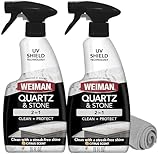
- SPECIALLY FORUMULATED CLEANER FOR QUARTZ: The #1 newly installed kitchen countertop surface. Our pH neutral formula safely removes grease, soil, surface stains, and watermarks. Using multi-purpose cleaners not formulated for quartz can result in streaking, and unsightly residue
- SUPERIOR PROTECTION: Helps protect the resins in quartz and other stones from fading or darkening from sunlight exposure
- FRESH CITRUS SCENT, SPOTLESS SHINE: Cleans, shines & protects quartz countertops & other sealed stone surfaces. Light and fresh citrus scent will leave your countertops glistening and your kitchen smelling amazing!
- CLEAN WITHOUT LEAVING STREAKS AND RESIDUE: Supreme polishing power brings out a whole new level of luster without damaging surface
- PROUDLY MADE IN THE USA: All Weiman products are manufactured in the United States of America. Trust Weiman with your most valued surfaces in your home!
The hazard is therefore linked to the work, not simply to the presence of a finished surface in a room. Dust can be produced while a slab is being sized for a sink, cut for a cooktop, drilled for a tap, reshaped for a new appliance or repaired after damage. A small alteration still involves the same basic problem: a tool is disturbing a silica-bearing material.
Common operations and the exposure question
| Operation | Why it matters | Typical decision for a homeowner |
|---|---|---|
| Cutting or trimming a slab | Removes material and can generate respirable dust at the blade or work area. | Do not undertake it as a do-it-yourself project; arrange an assessment by a qualified professional. |
| Drilling for plumbing, fixtures or appliances | Creates a concentrated source of fine particles around the hole. | Have the installer confirm the surface and use a contractor who is equipped and authorised for the task. |
| Grinding, sanding or polishing | Abrasive action can release dust while changing an edge, finish or damaged area. | Stop and obtain specialist advice before any repair or refinishing. |
| Removal or disposal | Breaking, cutting or handling slabs during demolition can disturb silica-bearing material. | Use a qualified tradesperson and follow the disposal requirements that apply in your state or territory. |
Dust controls are a workplace responsibility, not something a homeowner can reliably improvise with a household vacuum or a disposable mask. Before work begins, tell the contractor that the surface may be engineered stone, ask how the material will be identified and request evidence that the business is qualified for silica-related work under local rules. If the product or its composition is uncertain, work should not proceed until that uncertainty is resolved.
The Agency’s homeowner guidance makes the key distinction explicit: “Available evidence suggests engineered stone products do not pose a safety risk after installation in your home or workplace, as long as they are not processed.” That statement applies to an installed, unprocessed product; it does not make cutting or modification safe.
Quick wins for a faster PC:
Clear out junk files and repair common Windows errorsFree Scan →Fix the driver behind crashes, sound loss and screen glitchesFind Drivers →Rank #3

- SAFE ON GRANITE, MARBLE, QUARTZ & NATURAL STONE: Includes one 32oz spray bottle; pH-balanced formula cleans granite, limestone, marble, slate, travertine, quartz, and all other natural-stone countertops without the harsh chemicals in everyday cleaners that can dull or etch your stone
- STREAK-FREE, RESIDUE-FREE SHINE: Spray on and wipe off with a lint-free cloth for a fast, sparkling finish; No filmy buildup, no smudges, no dull haze left behind
- FOOD-SAFE FOR EVERYDAY USE: Safe around kitchen counters and food-prep areas; No ammonia, phosphates, or harsh fumes; Light, fresh citrus scent so daily cleaning never leaves a chemical smell
- BUILT FOR STONE CARE, NOT GENERIC CLEANING: Typical household sprays can damage natural stone and lead to costly repair or resealing; This is formulated specifically to protect your investment
- MADE IN THE USA BY STONE-CARE EXPERTS: Created by a third-generation family in stone manufacturing, installation, and restoration; Use with Granite Gold Polish and Sealer for a complete care routine for Natural Stone; Made in the USA
3. What Australia’s engineered-stone prohibition covers
Australia’s national policy framework prohibits most manufacture, supply, processing and installation of covered engineered-stone benchtops, panels and slabs from 1 July 2024. Imports of those products have been prohibited from 1 January 2025. The dates and scope are set out by the Safe Work Australia engineered-stone ban guidance and the Australian Government prohibition page.
| Date | What changed | What the date does not mean |
|---|---|---|
| 1 July 2024 | Most manufacture, supply, processing and installation of covered engineered-stone benchtops, panels and slabs became prohibited. | It is not a prohibition on every surface that contains minerals or is described as manufactured stone. |
| 1 January 2025 | Imports of covered engineered-stone products became prohibited. | It does not by itself answer whether an older, already-installed surface may be repaired or removed; that work must be assessed under the applicable rules. |
The prohibition has defined exceptions and implementation details can vary between states and territories. A national summary cannot replace the direction of the regulator where the work will occur. For a specific renovation, identify the state or territory first and check its workplace-safety regulator before ordering material, engaging a fabricator or scheduling demolition. Safe Work Australia’s guidance also notes that jurisdictions may implement the policy differently.
The prohibition is aimed at preventing occupational exposure during the supply chain and on worksites. It is not a retrospective order requiring every household to remove a benchtop already installed. Nor does the existence of an imported or previously supplied product prove that a new installation is lawful today; dates, contracts, stock and exemptions can affect the legal analysis.
Rank #4
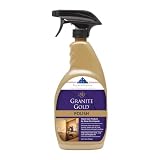
- Granite Gold Polish quickly and easily enhances the shine and luster on granite, marble, travertine and all other natural-stone and quartz surfaces, and provides ongoing protection against water spots and fingerprints
- Safe and easy to use spray-and-wipe polish is specially formulated for stone countertops, shower walls, sinks, and tub surrounds as well as quartz surfaces; pH balanced and safe on food-preparation surfaces with no phosphates or ammonia
- Maintain a streak-free shine and luster on stone and quartz surfaces while also preventing soap scum build-up and fingerprints; on natural stone, the Polish also reinforces the protective seal; not recommended for floors as they can become slippery
- Created and made in the USA by a third-generation family of stone care experts, our products are formulated to protect and maintain stone and quartz surfaces, unlike everyday household cleaners that can damage stone and quartz
- Continue to clean and protect your natural-stone and quartz surfaces including kitchen countertops, floors, and bathroom vanities with our Daily Cleaner, Sealer, Grout Cleaner and more
Why labels and sales descriptions are not enough
Terms such as quartz, composite, porcelain, sintered, ceramic and manufactured stone are used inconsistently in the market. A catalogue name may describe appearance or a marketing category rather than the statutory definition. Ask the supplier for the product’s technical information, composition and classification, then compare that information with the current Australian and local rules. Keep the documentation with the renovation records so the installer and any later repairer know what surface is present.
Windows Errors? Fix Them Before They Spread
Repair common Windows errors and clear accumulated junk for a smoother, more stable PC - no reinstall needed.Free scan · no reinstallCrashes, No Sound, or Screen Glitches?
Random freezes, missing sound and display glitches usually trace back to one bad driver. Find and replace yours safely.Free scan · under a minute4. What owners should do with an existing installation
If an engineered-stone surface is already installed and remains intact, the official Australian position is that it does not pose a safety risk so long as it is not processed. Normal use of the finished benchtop is therefore different from cutting, drilling, grinding, sanding, polishing, removal or disposal. Do not create a new opening or attempt to reshape an edge simply because the job appears small.
A practical decision path
- Leave an intact surface alone. Do not cut, drill, grind, sand or polish it yourself. Avoid allowing an unqualified tradesperson to do so during a kitchen, bathroom or laundry renovation.
- Identify the material before any work. Check the original invoice, slab label, builder’s records or supplier documentation. If the composition is uncertain, tell every contractor that the surface may contain crystalline silica and pause the work until it has been assessed.
- Define the job precisely. A sink replacement, tap relocation, cooktop change, crack repair, edge alteration and full demolition are different tasks, but each can involve processing. Describe the proposed operation, not just the room being renovated.
- Use a qualified tradesperson. Australian guidance advises owners to contact a qualified professional for repair, modification, removal or disposal. Ask who will perform the work, what qualifications and licences apply in your jurisdiction, how silica exposure will be controlled and how waste will be handled.
- Check the local regulator. Confirm the requirements with the workplace-safety authority in your state or territory before work starts. The national prohibition provides the framework, while local implementation and enforcement details may differ.
- Keep people away from unplanned work. If a contractor proposes an unexpected cut or discovers that an opening must be enlarged, stop and obtain advice rather than approving an improvised change. Record the product details and the agreed method in writing.
Repairs, renovations and removal
A visible crack, chipped edge or water-damaged cabinet can make replacement seem urgent, but urgency does not remove the exposure issue. Ask whether the repair can be completed without processing the slab; if it cannot, use a contractor who is equipped for silica work and authorised locally. The same principle applies when replacing a whole kitchen: demolition and disposal can disturb the material even after it has served its purpose.
Best Value

- Versatile Porcelain Repair Kit - It’s not only great for porcelain tile repair, also use it for granite countertops repair, Quartz Countertops repair, ceramic sink repair, marble repair, acrylic bathtub repair, fiberglass shower, porcelain dinnerware, travertine, limestone, slate, sandstone etc.
- Waterproof and hard as porcelain after curing - The product will become very firm and hard after 12 hours if the part A and part B are mixed well in a ratio of 1:1. It can be used to repair chips, holes, nicks, pits, deep scratches, defects, cracks, dents, and adhesive fragment.
- Perfect Color Match - You can make a lot of different colors with the color gels we provide: white, beige, arctic, cream, dune, biscuit, almond, linen, brown, bone, hourglass, ice gray, cashmere, thunder gray, black, blue, maroon, red etc. Our products are repaired without traces. You don't need to add other paint on the surface.
- Environmentally Friendly and Non-toxic - No unpleasant smell, you can rest assured to use our products.
- 60-Day Money-Back Guarantee - If you are not satisfied with our product, you can apply for a refund within 60 days.
Owners should not assume that wet-looking work, outdoor work or a short duration automatically makes a task safe. The relevant question is whether the method can generate respirable crystalline silica and whether the person doing it has the required controls, training and legal authority. Qualified professionals can determine that from the product and the job conditions.
Choosing another surface for a new project
Porcelain, sintered products and ceramic tiles may fall outside the engineered-stone prohibition when they satisfy the Australian guidance’s definitions and conditions, but “not covered by this ban” is not the same as “risk-free to fabricate.” Mineral dust can still be produced when an alternative surface is cut or drilled. Compare the exact composition, fabrication method, installer competence and local requirements rather than relying on a broad product label.
Recommended Free Tools
The searched Australian government sources do not establish a single best surface for every homeowner on price, appearance, maintenance and performance. Make those design decisions separately from the legal and health decision: first verify what the material is and whether its proposed processing is permitted; then evaluate colour, edge profile, durability, cleaning and budget with a qualified supplier.
Questions to settle before signing a quote
- What is the exact product name, composition and silica content by weight?
- Is the slab, panel or benchtop within the Australian engineered-stone definition?
- Will any cutting, drilling, grinding, sanding, polishing, repair, removal or disposal occur?
- Which state or territory rules apply at the worksite?
- Who is the qualified person responsible for the silica controls and waste handling?
- What records will be supplied for the material and the completed work?
Answering these questions before fabrication prevents the most common mistake: treating an engineered-stone surface as an ordinary building finish until a late design change requires cutting. The material can remain an acceptable installed surface under Australian guidance when it is left unprocessed; the danger and the legal obligations arise when the work disturbs it.
Quick Recap

Product prices and availability are accurate as of the date/time indicated and are subject to change. Any price and availability information displayed on Amazon at the time of purchase will apply.

