Windows Errors? Fix Them Before They Spread
Free tools Windows power users keep installed
One-click scans. No signup required.
Outbyte PC Repair · freeRepair common Windows errors and clear accumulated junk for a smoother, more stable PC - no reinstall needed.
Fix My PC Now →ThatPainter is reader-supported. When you buy through links on our site, we may earn an affiliate commission. Learn More
The best hilly backyard landscaping treats the slope as a series of planted rooms rather than one difficult expanse of lawn. Terraces, contour-planted beds, layered vegetation, winding paths and small level sitting areas can slow runoff, hold soil and make the elevation change useful.
Begin with a site assessment before choosing plants or moving soil. Measure the grade, observe where water travels, identify sun and shade, check soil and existing vegetation, and decide how people and equipment must reach each area. A gentle slope may need only dense planting and contour beds; a steep or actively eroding slope may require drainage design, engineered retaining work or professional advice.
As an Amazon Associate I earn from qualifying purchases.
The Tool Desk
Outbyte Driver Updater FREEFix the driver behind crashes, sound loss and screen glitchesFind Drivers →Outbyte PC Repair FREERepair Windows errors before they cause bigger problemsFix Now →Assess the hillside before designing it
Measure slope, not just how it looks
Calculate slope as rise divided by horizontal run, multiplied by 100. For example, a 3-foot rise over a 20-foot horizontal distance is a 15% slope. Iowa State University Extension describes slopes around 8–16% as moderately steep and says they need special planting considerations. Its guidance treats a 20% slope as steep and also requiring special consideration. UGA Extension Forsyth County states that a 30% slope is too steep to mow. These are extension thresholds, not engineering determinations, safety guarantees or universal legal standards.
| Measured grade | What the extension guidance indicates | Design implication |
|---|---|---|
| 8–16% | Moderately steep; special planting considerations are important. | Favor dense planting, contour layouts and carefully planned access instead of a large lawn. |
| 20% | Steep; special planting considerations are required. | Expect more attention to erosion, runoff, maintenance access and establishment protection. |
| 30% | UGA Extension says this is too steep to mow. | Plan for planted groundcover, stairs or another stable route; do not assume a mower is appropriate. |
Read water, soil and exposure
Walk the property during and after rain if possible. Mark water arriving from a roof, driveway or higher ground, places where it concentrates, and where it leaves the property. Check for rills, exposed roots, slumping soil and ponding. Soil texture, compaction, infiltration, drainage and depth will determine whether a rain garden, terrace or particular plant community can succeed.
#1 Best Overall

- Universal Compatibility: this 2 Pack drainage solution works with retaining wall materials from 3 to 8 inches including concrete timber and natural stone; It integrates with many landscape bricks modular blocks, flowerbed walls, and courtyard walls with no extra modifications needed
- Easy Installation: created for no cut installation these blocks fit smoothly into pre drilled gaps or interlayer positions in your wall; Suitable for both DIY users and professional landscapers helping simplify the building process and support efficient installation
- Effective Drainage: drainage pipes that help direct water away from the back of the wall; This helps lower water pressure supports stable wall performance and supports consistent function for your retaining wall
- Reliable Outdoor Performance: made with strong weather ready materials these blocks hold up well under UV exposure freeze thaw cycles and soil contact; They maintain dependable function in tough outdoor environments for extended use
- Enhanced Wall Support: designed to support your retaining wall structure with reliable drainage; The system helps reduce water buildup and soil pressure supporting long lasting performance and keeping your wall in stable condition over time
Record hours of direct sun, seasonal shade, prevailing wind and existing trees. Preserve useful vegetation where it is healthy: established roots can hold soil while the canopy and leaf litter soften rainfall. Access matters too. A design that looks attractive but cannot be reached for planting, pruning or repairs will become difficult to maintain.
12 lush landscaping ideas for a hilly backyard
1. Build planted terraces
Terraces divide a long hillside into shorter, level or gently sloped planting areas. Each bench can hold shrubs, perennials, vegetables or a different texture, turning a continuous incline into a sequence of destinations. Terracing can reduce the effective length of a slope and provide usable ground, but it is not simply a matter of stacking blocks.
Do these 3 things before closing this tab:
1Clear out junk files and repair common Windows errors2Scan for outdated or missing drivers - takes under a minute3Repair Windows errors before they cause bigger problemsWall height, soil pressure, footing, drainage behind the wall, overflow and local requirements all affect construction. Colorado State University Extension advises checking with the local building department about retaining-wall requirements. University of Illinois Extension notes that taller retaining walls warrant engineering input. Get qualified local help for substantial walls, difficult soils or any slope showing movement.
2. Layer groundcovers, grasses and shrubs
Combine low groundcovers, mid-height grasses or perennials and taller shrubs so foliage covers more soil and creates depth. Roots help hold soil, while stems and leaves slow and redirect raindrops and overland flow. A diverse planting with cover in every season generally protects exposed ground better than isolated specimens separated by bare mulch.
Select species for the actual light, soil and moisture conditions. A plant that thrives in a dry sunny bank may fail in a shaded, wet hollow. Keep maintenance reach in mind: place spreading groundcovers where they can fill space without constant edging, and reserve taller shrubs for locations where their mature size will not block paths or overload a wall.
3. Make a meandering hillside path
A winding path lengthens the route, softens the visual grade and lets visitors explore planted areas. On a gentle slope, a stable, properly drained surface may be sufficient. Where the grade demands it, use designed steps, landings or switchbacks rather than an informal track that becomes slippery.
Keep runoff from turning the path into a channel. Cross-slope alignment, edge restraint, drainage outlets and a surface suited to local rain and freeze conditions should be designed together. Leave enough width to carry tools and reach plants; a path that is beautiful but too narrow for maintenance defeats its purpose.
4. Create a woodland garden on a shaded slope
Use the existing tree canopy as the upper layer, then add shade-tolerant shrubs, perennials and groundcovers beneath it. Leaf litter and natural-looking planting can reduce exposed soil and make a steep area feel settled rather than engineered.
Rank #2

- 8-Pack Faux Stone Garden Edging: Includes 8 gray landscape edging panels designed to create a clean stone-look border for flower beds, lawns, mulch areas, walkways, patios, and paths
- No-Dig Installation: Each garden border panel features built-in ground stakes, making it easy to push into soft soil without digging or shoveling. Great for quick garden edging and seasonal landscape updates
- Practical Size for Garden Borders: Each panel measures about 17.3 x 12.6 inches, including the ground stakes. The 8-piece set covers approximately 11.5 feet in a straight layout, helping you plan your garden border before purchase
- Durable PP Plastic Construction: Made of lightweight polypropylene plastic with a faux stone texture, these edging panels are designed for outdoor garden use and help maintain a neat border with minimal upkeep
- Decorative Edging for Multiple Areas: Use the faux stone border panels around flower beds, vegetable gardens, tree rings, pathways, patios, and mulch areas. Designed for decorative edging and light soil or mulch separation, not for structural retaining walls
Confirm that the site is genuinely shaded and that the soil holds appropriate moisture before buying plants. Dense tree roots, dry shade and seasonal changes can be challenging. Avoid disturbing mature roots unnecessarily, and provide access for removing invasive growth and clearing storm damage.
5. Plant a sunny pollinator slope
On a sunny, well-drained slope, a diverse mix of locally appropriate grasses and flowering plants can create a long-season display while covering soil. UGA Extension Forsyth County gives coneflowers, sneezeweed and lupines as examples for its North Georgia context. That list should not be generalized to other regions; climate, soil, moisture and local ecological guidance must determine your palette.
What’s actually slowing this PC down?
Pick the symptom - the matching free tool is one click away.
Use several species with different root depths and mature heights, and leave enough density to close gaps as plants establish. A pollinator planting is not automatically low maintenance: plan for weed control during establishment, seasonal cutting or pruning and a way to reach every section.
6. Lay out beds along the contour
Align beds across the slope, following contour lines, instead of creating straight channels that send water directly downhill. Staggered beds interrupt flow and give water more opportunity to infiltrate. Small, repeated planting bands can be more resilient than one large bed with a single downhill edge.
Contour work still needs an outlet for unusually heavy rain. Do not create a berm that traps water against a building, fence or neighboring property. If runoff is concentrated or eroding the soil, have the drainage pattern evaluated before adding more beds.
7. Add a rock garden or strategic stone groupings
Boulders and stone groupings provide year-round structure among plants and can help redirect water when placed appropriately. Set stones so they look anchored in the land rather than perched on loose fill. Use pockets between rocks for plants suited to the available sun, soil depth and moisture.
Outdated Drivers Are Slowing You Down
One free scan finds every outdated or missing driver and matches the right update for your exact hardware.Free scan · exact hardware matchWindows Errors? Fix Them Before They Spread
Repair common Windows errors and clear accumulated junk for a smoother, more stable PC - no reinstall needed.Free scan · no reinstallStone is not a substitute for a retaining system. Large rocks can move on unstable slopes, and poorly placed groupings can concentrate runoff. Their size, placement and access for installation should match the site and the equipment available.
8. Shape a dry creek or drainage feature
A dry creek can make an unavoidable flow path look intentional while conveying water through a planted area. Its alignment, grade, stone size, capacity, underlay and discharge point must match the property’s actual runoff. Connect roof or driveway drainage only when the whole route has been evaluated.
Rank #3
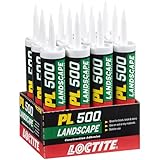
- Heavy Duty Adhesive: Formulated specifically for outdoor landscaping projects like installing cement paving stones or securing cap stones
- All Weather Application: Waterproof and resistant to all types of weather ranging from sub-freezing temperatures at 0°F to 100°F
- Versatile: Provides strong, durable bonds to brick, stone, metal, concrete, slate, wood, treated lumber, timbers and more
- Cold Weather Gunnable: Can be gunned directly onto wet and frozen lumber and will not roll up as other adhesives will
- Fills Gaps and Surfaces: Particularly effective bonding irregular surfaces and bridging gaps between surfaces
Never direct water toward a building or neighboring property. Difficult drainage problems, active gullies and flows that threaten foundations require professional guidance and may involve local rules.
9. Make a small terrace seating nook
A level pause point turns elevation into a destination: a bench, a pair of chairs or a small table can overlook the garden. Place it where the view, shade and drainage work together, and connect it to a stable path or steps.
The nook needs a properly prepared base, edge support where required and a way for rainwater to leave without undermining it. Keep furniture and paving light if the area sits above a retaining wall, and obtain qualified advice when the platform or wall carries significant load.
10. Use a rain garden where conditions permit
A rain garden is a planted depression that temporarily receives runoff and allows suitable soil to infiltrate it. Before digging, confirm infiltration, seasonal water-table conditions, underground utilities and the source and volume of runoff. Keep the feature away from building foundations and do not send overflow onto another property.
Planting must tolerate both wet periods and drying between storms. If the soil drains too slowly, the feature may remain ponded; if flow is too concentrated, it may erode. A site-specific design is more important than copying a standard shape.
11. Add a stepped transition between backyard levels
Properly designed stairs connect garden zones and make a slope more accessible than scrambling up a bank. Use consistent risers, stable treads, landings where needed, handrails when appropriate and surfaces that remain slip-resistant in local weather.
Quick wins for a faster PC:
Repair Windows errors before they cause bigger problemsFix Now →Fix the driver behind crashes, sound loss and screen glitchesFind Drivers →Clear out junk files and repair common Windows errorsFree Scan →Stairs must drain without washing soil onto lower steps. Their foundation, side support and relationship to retaining walls should suit the grade and local requirements. Do not improvise structural steps on a slope that is moving or saturated.
12. Keep one section natural and densely planted
Not every part of a hilly backyard needs construction. Preserve stable existing vegetation and fill bare patches with a diverse, site-suited plant community. A natural section reduces grading, protects habitat and can serve as a low-intervention backdrop to more formal terraces or paths.
Rank #4

- Get a Carefully Trimmed Garden Appearance: 12-piece set with artificial stone edges provides you with the charm of a natural garden view; You no longer need physical labor because the garden no longer requires digging or shoveling, experiencing the ultimate combination of convenience and beauty, maintaining the attractiveness of the garden
- Easy Installation: due to the built-in foundation piles and lightweight structure, the installation process is easy and seamless; The decorative landscape edges are easy to install, saving a lot of time and effort, allowing you to easily enjoy the fruits of labor
- Reliability of Measurement and Durability: the overall size is 17.32 x 12.6 inches/ 44 x 32 cm, and the ground section is 17.3 x 7.5 inches, providing optimal size and durability; These decorative garden frames can withstand various weather conditions and maintain the integrity of your layout regardless of time and season; They will not break or damage in harsh weather conditions
- Our decorative garden frames are made of sturdy plastic structures designed to withstand lawn mowers, temperature fluctuations, and any seasonal ground movements with minimal maintenance, supply the charm of your garden lasts for years
- Experience the Diversity of Uses: expand its use beyond the garden boundary; The landscape edge is suit for lanes and various landscape elements, allowing you to unleash your creativity by combining them in different ways to support different fence shapes, enjoy the additional charm they bring to your vegetable garden, or enhance the attractiveness of any private landscape
Remove invasive plants and dead or hazardous material, but avoid clearing a slope simply to start over. Gradual replacement keeps roots in the soil and limits the period when bare ground is exposed.
Independent reader supportYour contribution helps us test, update, and keep practical guides available for everyone.Match the idea to the conditions
| Idea | Best-fit setting | Runoff and erosion role | Grading or structural demand |
|---|---|---|---|
| Planted terraces | Long slopes needing level planting areas | Shortens effective slope length when correctly drained | High; walls and drainage require design |
| Layered planting | Most slopes with suitable plantable soil | Roots, stems and leaves cover and slow flow | Low grading; plant selection and establishment matter |
| Meandering path | Slopes that need exploration and maintenance access | Must prevent the path becoming a runoff channel | Moderate; steps or switchbacks may be needed |
| Woodland garden | Shaded slopes beneath suitable trees | Groundcover and leaf litter protect soil | Low if existing vegetation is preserved |
| Sunny pollinator slope | Sunny areas suited to diverse flowering plants | Dense roots and seasonal cover reduce bare soil | Low grading; establishment maintenance is significant |
| Contour beds | Gentle to moderately steep plantable slopes | Interrupts direct downhill flow | Low to moderate; needs an appropriate overflow route |
| Rock groupings | Slopes needing structure and planted pockets | Can redirect water when safely placed | Moderate; stone stability and access are critical |
| Dry creek | Properties with a defined drainage route | Guides concentrated water to a suitable outlet | Moderate to high; site-specific drainage design |
| Seating nook | Slopes with a worthwhile view and room for a level pause | Requires drainage that protects the platform | Moderate; base, edge support and access matter |
| Rain garden | Locations with suitable infiltration and manageable runoff | Temporarily receives and infiltrates water | Moderate; placement and overflow must be checked |
| Stepped transition | Backyards with distinct levels needing direct access | Steps must shed water safely | Moderate to high; safe construction is essential |
| Natural planted section | Stable areas where disturbance can be minimized | Existing and added vegetation protect soil | Low grading; invasive-plant control may be needed |
Control erosion while plants establish
Newly seeded or transplanted slopes are most vulnerable before roots spread. Cover bare soil with an appropriate mulch, erosion-control blanket or wattle, and secure it according to the manufacturer’s directions and the slope’s exposure. Iowa State Extension describes blankets as a temporary establishment tactic; North Carolina Cooperative Extension identifies natural jute or coconut-coir fabric as options for slope stabilization. A coir blanket can be reasonable where its material, anchoring and expected service life fit the site, but no product works without correct placement and fastening.
Free tools Windows power users keep installed
One-click scans. No signup required.
Water in short, more frequent intervals while roots develop rather than applying one forceful blast that creates rills. UC Marin Master Gardeners recommends placing drip emitters uphill of plants so water moves into the root zone instead of away from it. Adjust frequency for soil, weather and plant stress, and inspect after heavy rain.
Redirect runoff from roofs, driveways and other upslope surfaces before it reaches fragile planting. Use contour or staggered planting to reduce direct downhill flow, but do not block a natural drainage route without providing a safe overflow. Active erosion, undermined foundations, landslides or water crossing property lines call for a qualified landscape or drainage professional.
Choose plants without relying on a generic list
There is no universal slope plant palette. Match every species to local hardiness, light, soil texture and pH, seasonal moisture, mature size and maintenance expectations. Deep-rooted native plants can contribute to slope cover, but “native” still has to mean appropriate for your particular region and microclimate.
- Sunny and dry: favor locally adapted grasses, flowering perennials and shrubs that tolerate heat and lean soil.
- Sunny and wet: choose plants that tolerate periodic saturation, and verify that water will not remain against structures.
- Shaded and dry: look for groundcovers and woodland plants adapted to root competition and low light.
- Shaded and moist: use shade-tolerant species that can handle the site’s drainage without becoming invasive.
Plant in groups rather than isolated dots, leave room for mature spread and aim for year-round soil coverage. A regional native-plant nursery, extension office or qualified local designer can help translate these criteria into a reliable plant list.
Recommended Free Tools
A practical sequence for the project
- Survey the site: measure rise and run, map sun and shade, inspect soil, identify existing vegetation and trace runoff during rain.
- Set the access plan: decide where paths, stairs, equipment routes and maintenance access must go before planting beds are fixed.
- Stabilize water movement: address roof and driveway runoff, concentrated channels and unsafe discharge points before adding decorative features.
- Select the lowest-disturbance idea that solves the problem: dense planting and contour beds may be preferable to grading; reserve walls and terraces for places that genuinely need level ground.
- Install structural work first: complete approved walls, steps, drainage and bases before fragile planting.
- Plant in layers: combine groundcovers, grasses, perennials and shrubs suited to each micro-site.
- Protect bare soil: apply mulch, blankets or wattles where needed, and water with controlled, frequent applications while roots establish.
- Inspect after storms: look for displaced soil, clogged outlets, exposed roots, undermined stones and water leaving the property in an unintended direction.
When to stop treating it as a simple planting project
Get local professional advice when a retaining wall is substantial or carries a building, driveway or occupied area; when the slope is slumping, cracking or saturated; when runoff is concentrated near a foundation; when a drainage feature would discharge across a property line; or when stairs and platforms require structural support. Local building departments may require permits or specific wall and stair details. Extension guidance can frame the design, but it cannot replace a site survey or engineering judgment.
Choose a sequence, not just a feature
A lush hilly backyard usually combines several ideas: contour beds and layered plants for soil cover, a winding path for access, a small terrace or seating nook as a destination, and a carefully planned route for stormwater. On a shaded slope, let existing trees guide a woodland garden; on a sunny slope, use a regionally appropriate pollinator mix. Keep one section natural where it is stable, and use structural construction only where the grade, water or access problem justifies it.
Quick Recap

Product prices and availability are accurate as of the date/time indicated and are subject to change. Any price and availability information displayed on Amazon at the time of purchase will apply.

