What’s actually slowing this PC down?
Quick wins for a faster PC:
Fix the driver behind crashes, sound loss and screen glitchesFind Drivers →Clear out junk files and repair common Windows errorsFree Scan →Pick the symptom - the matching free tool is one click away.
ThatPainter is reader-supported. When you buy through links on our site, we may earn an affiliate commission. Learn More
| # | Preview | Product | Price | |
|---|---|---|---|---|
| 1 |
|
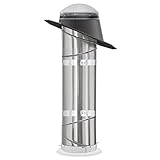
Velux TMR 014 0000 Sun Tunnel, 14" Tubular Skylight Acrylic Dome w/Pitched Flashing & Rigid Tunnel | $471.00 | Buy on Amazon |
As an Amazon Associate I earn from qualifying purchases.
The most effective way to get more natural light at home is to work from low-disruption changes to major building alterations: brighten and reflect the light you already have, operate window coverings for the weather, open pathways between rooms, add a light shelf where the window allows it, and use a skylight or solar tube for rooms that daylight cannot reach. The target is useful, comfortable daylight—not the maximum possible sun, glare or heat.
PC Slower Than It Used to Be?
A free scan shows the junk files, broken settings and background clutter dragging Windows down - then fixes them in one click.Free scan · Windows 10 & 11Outdated Drivers Are Slowing You Down
One free scan finds every outdated or missing driver and matches the right update for your exact hardware.Free scan · exact hardware matchDaylighting combines window or skylight placement with interior finishes, room layout and shading. A bright room that overheats, fades furnishings or produces screen glare is not a successful daylighting project.
#1 Best Overall
- Pitched flashing provides optimum angle for gathering light from all roof directions 10" tile flashing kit available. 14" and 22" tile flashings available for the TCR Impact models available for hurricane prone areas 99. 99% silver reflective layer with 20-year tunnel warranty, total reflectance +98%
Start with a daylight audit, not a shopping list
Walk through the home at different times of day and note where daylight enters, where it stops and what makes the room uncomfortable. Record the window direction if you know it, whether glare lands on work surfaces or screens, and whether the room becomes noticeably warmer. Also mark walls, doors and partitions that block light. This quick survey tells you whether the best answer is a paint change, a change in shade operation, an interior opening or a construction project.
Keep a simple distinction in mind: illumination is the amount of light, while comfort includes glare, temperature, privacy, views, ventilation, fading and noise. The U.S. Department of Energy (DOE) and the National Fenestration Rating Council (NFRC) both treat those factors as part of an effective daylighting strategy.
1. Reflect the daylight that already enters
Reflection is the lowest-disruption way to make existing daylight travel farther. Lighter wall and ceiling finishes reflect more of the available light than very dark finishes, while a mirror or another reflective surface can redirect light from a naturally lit area into a dimmer part of the room. NFRC guidance specifically identifies mirrors in naturally lit areas as a way to spread light through a room.
Use paint strategically
For a room that feels dim, start with the ceiling and the walls opposite the window. A light, matte or low-sheen finish generally avoids the sharp reflections that glossy paint can create, while still providing a bright visual field. If you are repainting, clean the existing surface and correct stains or uneven patches first; a dirty or patchy pale wall will not reflect evenly.
Do not treat a lighter color as a guaranteed percentage increase in brightness. The sources support the reflective approach but do not establish a typical numerical gain for a household. Room depth, window size, exterior obstructions, finish color and weather all change the result.
Place a mirror to catch window light
Position a wall mirror where it can see the window or a bright wall, rather than directly opposite the sun if that creates a harsh reflection. A mirror near the side wall of a window can throw light across a darker wall; a tall mirror can help distribute light vertically in a narrow room. Check the reflected view from seating and work areas so the mirror does not create an uncomfortable flash or show an unwanted sightline.
Mirrors do not create light. They only redirect what is already available, so they cannot compensate for a shaded window or a room with no daylight path. Use them as a targeted supplement to lighter finishes, not as a promise of a measured brightness gain.
Keep reflective surfaces useful
Glossy furniture, glass and polished floors can also reflect daylight, but too many hard, shiny surfaces increase glare and show dust. Balance reflection with curtains, rugs or other soft finishes where the room is used for television, reading or computer work. Recheck the room at morning, midday and afternoon because the useful reflection may move as the sun moves.
2. Adjust window coverings to the conditions
Window coverings are daylight controls, not simply open-or-closed decoration. Open shades when direct glare is not a problem, then lower, tilt or close them when sunlight causes eye strain, screen reflections or unwanted heat. Blinds, shades, louvers and layered curtains can temper the sun while leaving a band of useful daylight at the top or sides of the window.
Match the control to the problem
- Diffuse daylight needed: Use a translucent shade or a partially lowered blind that softens the view of the sun while admitting ambient light.
- Direct glare on a desk or screen: Tilt slats or move a shade only far enough to block the bright angle; closing the entire window may remove more daylight than necessary.
- Overheating: Deploy shading before the room heats up. Exterior shading is generally more effective at stopping solar heat before it reaches the glass, but its feasibility depends on the building.
- Privacy at night: Combine a daylight-friendly layer with an opaque layer so privacy does not require permanently blocking daytime light.
Pay attention to orientation
DOE examples for U.S. homes describe north-facing windows as providing daylight with less direct glare and heat, while south-facing windows can admit useful winter sun when appropriately controlled. East- and west-facing windows are often harder to manage because low-angle sun can produce strong glare and heat. These are conditional examples, not universal rules: neighboring buildings, trees, latitude, season and room use can outweigh compass direction.
Operate coverings according to the actual conditions in your room. A west-facing bedroom in a hot climate may need aggressive afternoon shading; the same orientation in a cool climate may provide welcome heat at another time. Do not select a shade fabric or solar-heat rating from orientation alone.
What’s actually slowing this PC down?
Pick the symptom - the matching free tool is one click away.
Protect daylight quality
Keep tracks, slats and fabric clean. Dust reduces transmission and can make a translucent shade look gray. Make sure cords and controls are reachable and safe, and verify that a new treatment does not prevent required window operation for ventilation or emergency egress.
3. Let daylight move between rooms
When a windowed room is bright but the adjacent room is dark, the obstruction may be the interior wall rather than the exterior envelope. NFRC guidance identifies interior windows and openings between rooms as ways to draw natural light deeper into a home.
Choose an opening that fits the room
An interior window above a half-height wall can share light while preserving some separation. A glazed door, transom, borrowed-light panel or wide cased opening can connect a hallway, office or kitchen to a brighter room. Frosted or textured glazing can maintain privacy while transmitting daylight. Open shelving may share some light, but a solid cabinet or tall bookcase will still block it.
Check privacy, acoustics and safety first
Before cutting an opening, identify whether the wall is load-bearing and whether it contains wiring, plumbing, ducts or fire-rated construction. A qualified contractor or structural professional should evaluate those conditions. Consider sightlines from bedrooms, bathrooms and street-facing rooms, and remember that glass transfers sound more readily than a full wall. Building and fire codes may require specific glass, guards or opening dimensions.
Use the opening when the source room is actually bright. A borrowed-light window cannot make two rooms bright after sunset, and it will not replace adequate task lighting for cooking, reading or detailed work.
4. Reflect light deeper with a light shelf
A light shelf is a horizontal surface at the building perimeter that catches daylight near a window and reflects it toward the ceiling and deeper into the room. The General Services Administration describes light shelves as a way to reflect daylight into interior areas. They are a design feature, not a universal add-on that fits every window.
When a shelf can work
A shelf needs a suitable window, enough wall depth and a ceiling or upper surface that can receive and redirect the light. Its performance depends on window height, room depth, exterior obstructions, shelf reflectance and the sun angle. A designer may place it inside, outside or as part of a combined window-and-shading system; the right choice depends on the facade and climate.
Plan for the trade-offs
A shelf occupies space and can affect views, cleaning access and window operation. Exterior versions must resist wind, rain and snow; interior versions collect dust and may conflict with blinds or curtains. The shelf can also change where glare appears, so pair it with shading and test the design for the actual work surfaces in the room. Have the window, wall and attachment reviewed before construction rather than assuming a shelf can be screwed into any surround.
5. Use top-lighting for rooms that have no window path
For a central bathroom, hallway, closet or other interior space, daylight may need to come from above. The DOE Building Science Education page titled Natural Light and Daylighting states: “Solar tubes and skylights can help bring daylight into rooms, even interior spaces with no windows.”
Solar tubes (tubular daylighting devices)
A roof-mounted collector channels daylight through a reflective tube to a diffuser in the ceiling. The compact ceiling opening can suit corridors and small rooms where a conventional skylight would be too large. The roof route, tube length, bends, ceiling depth and nearby obstructions determine how practical the installation is.
Skylights
A skylight provides a larger opening and can deliver a strong overhead view of the sky, but it also creates a larger change to the roof and ceiling. Select the location, glazing and shading with the room’s heat, glare and privacy needs in mind. A skylight can make a room uncomfortable if it admits uncontrolled summer sun or produces a bright patch in a work area.
What a roof project must address
- Structure: Rafters, trusses, roof loads and the ceiling opening must be evaluated before cutting.
- Weather resistance: Flashing, underlayment and installation quality determine whether the roof remains watertight.
- Climate and heat gain: Glazing and solar-heat characteristics should match the local climate and room use.
- Ventilation: A venting skylight may help a hot room, but it introduces hardware, controls and maintenance.
- Maintenance: Roof access, exterior cleaning, seals and shades need a long-term plan.
- Interior comfort: Check glare, fading, sound from rain and the effect on heating or cooling.
Because these variables are site-specific, obtain a roof and building assessment rather than choosing a product by size alone.
Quick wins for a faster PC:
Repair Windows errors before they cause bigger problemsFix Now →Fix the driver behind crashes, sound loss and screen glitchesFind Drivers →Compare the five approaches before you commit
The table uses relative disruption and cost categories because the evidence does not establish universal project prices. Local labor, access, finishes, roof construction and permit requirements can change the result.
| Approach | Uses existing windows? | Typical disruption | Privacy and view effect | Main comfort issue | Best fit |
|---|---|---|---|---|---|
| Lighter finishes and mirrors | Yes | Low | Mirror placement changes reflected views; paint does not | Possible reflections from glossy surfaces | Rooms that already receive some daylight |
| Adjustable shades or blinds | Yes | Low to medium | Can preserve privacy with layered controls | Balancing glare, heat and daylight | Windows with changing sun conditions |
| Interior windows or openings | Shares light from an existing window | Medium to high | Must be designed for privacy and acoustics | Less separation between rooms | Adjacent dark rooms and hallways |
| Light shelf | Usually | Medium to high | May alter view or window access | New glare or cleaning needs | Window and ceiling geometry that can redirect light |
| Solar tube or skylight | No; adds roof daylight | High | Changes ceiling or roof views; privacy varies | Heat gain, glare, leaks and maintenance | Interior rooms or spaces blocked from wall windows |
Use climate and certification guidance for new glazing
Orientation advice from DOE is U.S.-specific, and solar-heat priorities vary by climate. ENERGY STAR guidance differentiates priorities by climate zone, so use the certification and performance values applicable to your location instead of applying one “best” direction or solar heat-gain coefficient (SHGC) everywhere. Ask the installer to identify the climate-zone basis for the proposed window or skylight and explain how the glazing affects winter heat, summer cooling, glare and fading.
For any replacement window, new door glazing or skylight, evaluate more than visible light. DOE lists cost, appearance, structural capability, water resistance, maintenance, ventilation, comfort, sound, fading and glare among the selection considerations. Installation quality matters as much as the label: a well-rated unit can still leak, draft or create condensation if it is poorly flashed or sealed.
A practical order of work
- Map the daylight: Observe each room morning, midday and afternoon; mark glare, heat, privacy concerns and blocked paths.
- Paint and declutter: Brighten the ceiling and key walls, then remove tall furniture that interrupts the window-to-room path.
- Redirect and control: Add a carefully placed wall mirror and adjust shades or blinds so useful daylight remains while glare and heat are limited.
- Share the light: If one room is bright and the next is dark, investigate an interior window, transom, glazed door or opening with structural and privacy checks.
- Design for depth: Ask a designer whether a light shelf suits the window, ceiling and facade before treating it as a construction option.
- Build upward only when needed: For windowless interiors, compare a solar tube and skylight with a roof professional, including flashing, structure, climate, ventilation and maintenance.
This sequence protects the simplest improvements from being overlooked and reserves roof or wall work for rooms that cannot be helped by reflection, control or layout.
Do these 3 things before closing this tab:
1Repair Windows errors before they cause bigger problems2Fix the driver behind crashes, sound loss and screen glitches3Clear out junk files and repair common Windows errorsQuick Recap
Common mistakes and how to correct them
- Chasing maximum sun: More direct sun can mean more glare and heat. Reframe the goal as comfortable daylight and use adjustable shading.
- Assuming one orientation rule fits every home: Use local climate, obstructions, season and room use when selecting glazing and controls.
- Expecting a mirror to brighten a windowless room: Reflection only redirects existing light; improve the source or add top-lighting when no source reaches the room.
- Installing a skylight without a water plan: Require correct flashing, underlayment and a contractor familiar with the roof system.
- Ignoring privacy and acoustics: Specify obscured glazing, curtains or opening geometry before removing a wall or adding interior glass.
- Blocking ventilation or egress: Confirm that new shades, shelves and interior alterations do not prevent required window operation.
- Using unsupported savings promises: Daylight can reduce reliance on artificial lighting, but the available guidance does not establish a specific household bill reduction.

Product prices and availability are accurate as of the date/time indicated and are subject to change. Any price and availability information displayed on Amazon at the time of purchase will apply.

