Recommended Free Tools
Windows Errors? Fix Them Before They Spread
Free scan · no reinstall
Crashes, No Sound, or Screen Glitches?
Free scan · under a minute
PC Slower Than It Used to Be?
Free scan · Windows 10 & 11
ThatPainter is reader-supported. When you buy through links on our site, we may earn an affiliate commission. Learn More
Choose an exterior paint finish by starting with the substrate and its condition, then balance appearance, dirt resistance, and how much texture you want to reveal. As a practical starting point, use flat or matte on broad siding, satin on most trim, and semi-gloss or gloss on selected doors and decorative details—but only after confirming that the coating is made for the specific material and exterior exposure.
As an Amazon Associate I earn from qualifying purchases.
What exterior paint sheen changes
Finish, sheen, and gloss describe how much light a dry coating reflects. A flat or matte coating reflects little light and gives a quiet, soft appearance. Satin reflects more and has a visible but restrained luster. Semi-gloss is brighter and more reflective, while gloss or high gloss produces the strongest highlight.
Sheen changes more than the way a wall shines. It affects how color is perceived, how strongly surface defects show, and how easily the coating can usually be wiped. Sherwin-Williams notes that rough or uneven surfaces can make glossy finishes look lighter or mottled. Matte colors may look darker when viewed from an angle or in low light. That means the same color can appear noticeably different when moved from flat siding to glossy trim.
#1 Best Overall

- Use for a variety of indoor and outdoor project surfaces including wood, metal, plaster, masonry or unglazed ceramic
- Water-based acrylic formula is low odor, resist chips and provides long-lasting protection
- Covers up to 120 sq ft and dries to touch in 30 minutes for quick project completion
- Semi-gloss finish minimizes surface imperfections, goes on smoothly and provides excellent hide
- Prior to application sand surfaces with 180/200 grit sandpaper, then wash with a degreaser, allow the surface to dry and apply paint
Lower-sheen finishes are often chosen when the goal is to soften the appearance of broad surfaces or disguise minor irregularities. Higher-sheen finishes draw attention to architectural details and generally provide a more reflective, cleanable surface, but they can expose ridges, brush marks, dents, patched areas, and uneven texture. These are general tendencies, not guarantees: the exact resin, formulation, color, and surface determine real-world performance.
A practical comparison of exterior finishes
| Finish | Appearance and typical use | Advantages | Tradeoffs |
|---|---|---|---|
| Flat or matte | Low reflection; commonly used on broad siding and wall areas | Soft, understated appearance; can help conceal minor blemishes | May be harder to clean or maintain than a higher-sheen coating, depending on the product; can make color look darker in some lighting |
| Satin | Low-to-medium reflection; common starting point for trim, windows, shutters, and fascia | Adds subtle definition without a highly polished look; often balances appearance and cleanability | Reveals more surface texture than flat; preparation matters more |
| Semi-gloss | Clearly reflective; often selected for trim and doors | Creates a brighter, more lustrous accent and is commonly chosen where wiping is important | Can emphasize flaws, uneven repairs, and coarse texture; availability and suitability vary by product |
| Gloss or high gloss | Strong reflection; used for doors and selected decorative features | Makes a feature stand out and creates a crisp, polished effect | Shows roughness and application marks readily and can change perceived color; requires a well-prepared surface |
Names are not standardized across every product line. “Matte,” “low-lustre,” “satin,” “eggshell,” “semi-gloss,” and “gloss” may not have identical reflectance or performance from one manufacturer or series to another. Compare the exact product’s published sheen information rather than assuming that two labels are interchangeable.
Why the substrate comes before the sheen
Paint must adhere to the actual material and tolerate its movement, porosity, alkalinity, and exposure to weather. A beautiful sheen is still the wrong choice if the coating is not intended for that substrate. Exterior products are formulated differently for wood, vinyl, aluminum, steel, iron, stucco, brick, and other masonry.
Existing conditions matter just as much. A sound, previously painted surface presents a different problem from peeling, chalky, weathered, or bare material. Repair, cleaning, sanding, and priming can determine whether a finish lasts and looks uniform. Select the coating system first, including any required primer; select sheen from the finishes that system actually offers.
Best starting points by surface
Wood siding and wood trim
Use an exterior coating specifically intended for wood, and inspect the existing finish before deciding on sheen. Smooth, stable wood can support a wider range of finishes. Rough-sawn, weathered, or coarse-textured boards exaggerate the reflection of satin, semi-gloss, and gloss; they may also produce uneven color because the surface absorbs and scatters light differently.
For rough, weathered, or coarse-textured exterior wood that does not accept paint well, Sherwin-Williams describes penetrating stain as an alternative category. A penetrating stain is not simply a lower-sheen paint; it is a different coating approach that allows the texture and grain to remain part of the appearance. Follow the selected stain or paint system’s label for preparation, coats, and recoat timing.
The Tool Desk
Outbyte PC Repair FREERepair Windows errors before they cause bigger problemsFix Now →Outbyte Driver Updater FREEScan for outdated or missing drivers - takes under a minuteDriver Scan →Vinyl siding and vinyl windows
Choose a product formulated for vinyl. Vinyl can expand and contract substantially, and some colors may absorb more heat than the material or product allows. Check the coating’s color limitations and substrate instructions before buying paint. Do not assume that a paint suitable for wood or masonry is automatically suitable for vinyl windows or siding.
Rank #2

- Ready to use, pre-mixed door and trim paint offers a fresh new look on interior or exterior metal, wood and fiberglass
- Water-based paint formula emits less odor and withstands fading for a long lasting finish
- Dries to the touch in 45 minutes, up to 3X faster than traditional oil-based paints
- Durable, chip resistant coating provides ultimate protection with modern curb appeal
- Beautiful satin door paint is available in 6 pre-mix color options for the perfect look
On broad vinyl siding, a flat or low-sheen appearance is a common design starting point, but the product’s vinyl approval and color guidance take priority. Test a small, inconspicuous area when the color or existing coating is uncertain.
Aluminum and galvanized metal
Sherwin-Williams states that latex paint can be applied directly to aluminum and galvanized metal when the surface is properly prepared. Oil- or alkyd-based coatings require appropriate priming on these substrates. Remove dirt, oxidation, grease, and loose coating as directed by the product system, then use the specified primer if one is required.
A low-sheen finish can make a large metal-clad wall look less stark, while satin or semi-gloss may be appropriate for metal trim. Higher reflection makes dents, seams, and patching more visible, so inspect the metal in daylight before choosing gloss.
Windows Errors? Fix Them Before They Spread
Repair common Windows errors and clear accumulated junk for a smoother, more stable PC - no reinstall needed.Free scan · no reinstallOutdated Drivers Are Slowing You Down
One free scan finds every outdated or missing driver and matches the right update for your exact hardware.Free scan · exact hardware matchIron and steel
For iron or steel, Sherwin-Williams recommends latex or oil/alkyd coatings over properly primed metal. The primer is part of the corrosion-control system, not an optional cosmetic step. Remove rust and failing paint, address exposed areas, and use the primer and topcoat combination specified for exterior metal.
Satin or semi-gloss can provide definition on railings, gates, and trim, but gloss should be reserved for smooth, carefully prepared features where highlighting the metal is intentional. If the surface is pitted or heavily repaired, a lower sheen will usually draw less attention to those defects.
Stucco, brick, and other masonry
Use a coating formulated for masonry and follow the required preparation and primer system. Bare brick or stucco may need an exterior primer before the finish coat. Masonry can be porous, alkaline, dusty, or uneven, so skipping the specified preparation can cause inconsistent color or adhesion problems.
Flat or matte is often a practical appearance for large stucco or masonry walls because it minimizes reflected glare and does not spotlight every change in texture. A higher sheen can be used where the exact product permits it, but the surface must be sound and the desired visual effect deliberate. Confirm that the coating is appropriate for the specific masonry type and moisture conditions.
Free tools Windows power users keep installed
One-click scans. No signup required.
Rank #3

- Flows on smoothly and dries to a tough, durable finish
- Fade and weather resistant
- Ideal for exterior surfaces including wood, masonry, primed metal, weathered steel and aluminum siding
Trim, windows, shutters, fascia, and doors
Satin or semi-gloss is a common starting point for exterior trim, windows, shutters, fascia, and doors. These finishes create a visual distinction from a flatter body color and are often selected where occasional wiping is useful. Gloss can highlight a front door, a paneled feature, or another decorative element when the surface is smooth enough to support the reflection.
Trim is not automatically a separate material. Wood, vinyl, aluminum, and composite components each require a compatible coating. Confirm the substrate and product limits before treating a trim piece as though it were ordinary wood.
How to choose a finish step by step
- Identify the substrate. Record whether each area is wood, vinyl, aluminum, galvanized metal, iron, steel, stucco, brick, or another masonry surface. Separate areas that need different coating systems.
- Inspect the existing coating. Look for peeling, blistering, chalking, mildew, bare patches, rust, cracks, failed caulk, and water damage. A sheen decision cannot compensate for an unsound surface.
- Determine the surface texture. Note whether the area is smooth, rough-sawn, weathered, porous, patched, or heavily repaired. The rougher the surface, the more strongly a reflective finish can reveal variation.
- Confirm product compatibility. Read the label and current technical data sheet for the exact exterior product. Verify that it is approved for the substrate, exterior exposure, and intended color range. Check whether a dedicated vinyl, masonry, or metal system is required.
- Choose the visual priority. Select flat or matte when a subdued appearance and blemish hiding are most important; select satin or semi-gloss when you want trim definition and more reflection; select gloss for a feature that should stand out and is smooth enough to display a clean highlight.
- Check the available sheens. Do not assume every product line offers every finish. If your preferred sheen is unavailable for the compatible coating, choose among the approved alternatives rather than substituting an incompatible paint.
- Test the color and sheen. Apply a sample to the actual substrate, including textured and repaired areas. View it in morning, midday, and evening light because sheen and texture can change apparent color.
- Follow the application instructions. Use the specified number of coats, spread rate, drying and recoat times, temperature range, humidity limits, and cleanup method. The label and technical data sheet control over general sheen advice.
Preparation that determines the final appearance
Exterior painting guides commonly call for cleaning, repairing, sanding where appropriate, and priming bare or problem areas. Remove dirt, loose paint, chalk, mildew, and surface contaminants using a method compatible with the substrate. Repair cracks, damaged wood, failed caulk, and rust before applying finish paint.
Sand glossy or rough edges as the product instructions require. Feathering a peeled edge prevents a sharp ridge from telegraphing through a satin or gloss coating. On porous wood, brick, and stucco, use the specified exterior primer so the finish coat does not dry with uneven absorption. Metal may need a corrosion-resistant primer; aluminum and galvanized surfaces may require a different primer approach when using oil or alkyd coatings.
Protect adjacent surfaces with painter’s tape and drop cloths, and use brushes, rollers, trays, and ladders suited to the work. Plan access before opening the paint so wet edges can be maintained and trim can be coated without leaning tools against fresh siding.
Weather, timing, and application limits
Exterior coatings are sensitive to temperature, humidity, rain, dew, wind, and direct sun. The acceptable range differs by product. Read the current label for minimum and maximum application temperatures, rain-resistance time, recoat window, and surface-temperature restrictions. A wall that feels dry to the touch may still be too damp for the next coat.
Avoid painting when rain, heavy dew, or condensation is expected before the coating’s specified cure period. Strong wind can blow dust onto a wet finish and create uneven coverage. Direct sun can cause one section to dry faster than the adjacent section, making lap marks more likely. Work in manageable sections and maintain a wet edge according to the product instructions.
Rank #4
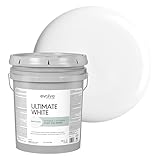
- ALL-IN-ONE PAINT AND PRIMER: Saves time and effort by priming, sealing, and finishing in one step for smooth, efficient coverage
- MULTIPLE SHEENS & SIZES – INTERIOR & EXTERIOR: Ultimate White bright white paint and primer is available in Flat, Eggshell, Satin, and Semi-Gloss sheens for walls, trim, doors, and more. Offered in 1-Gallon and 5-Gallon sizes to suit any interior or exterior painting project.
- SEMI-GLOSS SHEEN – HIGH-IMPACT SHINE: Reflective, durable finish ideal for interior & exterior trim, doors, cabinets, and high-touch areas. Moisture- and stain-resistant for lasting beauty.
- DURABLE & EASY TO CLEAN: Water-based, fast-drying formula delivers a washable finish designed for everyday wear in moisture-prone areas.
- EXCEPTIONAL HIDE & COVERAGE: High-opacity formula delivers brilliant white coverage with fewer coats, even over darker colors.
Coverage, service life, and what the numbers mean
Sherwin-Williams’ exterior painting guide gives a general coverage estimate of 250–400 square feet per gallon. This is not a guarantee for every product or surface. Rough, porous, previously unpainted, or heavily repaired substrates can require more material, while smooth, sealed surfaces may use less. Calculate the area, then allow for the product’s stated spread rate, number of coats, and expected waste.
Recommended Free Tools
The same guide says exterior paint may last 7–10 years depending on climate, surface material, and paint quality. This is manufacturer guidance, not a guaranteed lifespan and not an independently verified comparison of flat, satin, semi-gloss, and gloss. Sun exposure, moisture, coastal air, freeze-thaw cycles, preparation quality, color, and maintenance can move the result outside that range.
Independent reader supportYour contribution helps us test, update, and keep practical guides available for everyone.Common mistakes and how to correct them
Choosing sheen before checking the material
Problem: A homeowner buys a favorite satin or gloss and discovers it is not approved for vinyl, masonry, or a particular metal.
Correction: Start with the substrate and select a compatible exterior system. Choose sheen only from the finishes offered for that system.
Using gloss to hide a damaged surface
Problem: Reflection emphasizes dents, patched areas, rough boards, roller texture, and uneven caulk.
What’s actually slowing this PC down?
Pick the symptom - the matching free tool is one click away.
Correction: Repair and smooth the surface first. If texture must remain, use a lower sheen that fits the product and design goal.
Assuming all satin or semi-gloss products clean the same way
Problem: A finish label is treated as a performance specification.
Best Value

- Ready to use, pre-mixed door and trim paint offers a fresh new look on interior or exterior metal, wood and fiberglass
- Water-based paint formula emits less odor and withstands fading for a long lasting finish
- Dries to the touch in 45 minutes, up to 3X faster than traditional oil-based paints
- Durable, chip resistant coating provides ultimate protection with modern curb appeal
- Beautiful satin door paint is available in 6 pre-mix color options for the perfect look
Correction: Compare the exact product’s technical data, washability information, substrate approvals, and limitations. Sheen categories are not interchangeable across manufacturers.
Skipping primer on bare or porous areas
Problem: The topcoat flashes, absorbs unevenly, or fails prematurely.
Do these 3 things before closing this tab:
1Repair Windows errors before they cause bigger problems2Scan for outdated or missing drivers - takes under a minute3Clear out junk files and repair common Windows errorsCorrection: Prime bare wood, brick, stucco, and other areas when the coating system calls for it. Use the specified metal primer on iron or steel and the appropriate primer for oil or alkyd coatings on aluminum or galvanized metal.
Painting over chalk or loose coating
Problem: New paint bonds to contamination instead of the substrate.
Correction: Clean and stabilize the surface, remove failing material, repair defects, and follow the label’s preparation sequence before recoating.
Using a darker or heat-absorbing color on vinyl without checking limits
Problem: The color may exceed the vinyl product’s recommended range or contribute to distortion.
Quick wins for a faster PC:
Fix the driver behind crashes, sound loss and screen glitchesFind Drivers →Repair Windows errors before they cause bigger problemsFix Now →Correction: Use a vinyl-approved coating and verify the manufacturer’s color guidance before application.
A finish-selection matrix for common exterior areas
| Area | Typical starting sheen | When to move lower | When to move higher |
|---|---|---|---|
| Large, smooth siding | Flat or matte | When glare or minor repairs are distracting | When the exact product allows it and easier wiping or a more reflective design is important |
| Textured stucco or masonry | Flat or matte masonry coating | When texture is pronounced or color variation must be quiet | Only when the masonry product specifies the finish and the reflective effect is intentional |
| Smooth wood trim | Satin or semi-gloss exterior wood coating | When imperfections remain after preparation | When the trim is smooth and a crisp accent is desired |
| Rough-sawn or weathered wood | Product-approved low sheen or penetrating stain | When texture is the dominant feature | Rarely; gloss can exaggerate unevenness |
| Vinyl siding or windows | Vinyl-approved finish, commonly low sheen for broad areas | When the surface is textured or the color must look subdued | Only within the product’s vinyl and color guidance |
| Metal trim, railings, or doors | Satin or semi-gloss over the specified primer | When dents, welds, or repairs remain visible | When the metal is smooth and a feature effect is wanted |
| Front door or decorative detail | Semi-gloss or gloss, if approved for the substrate | When the door is heavily weathered or uneven | When the surface is smooth and the goal is a strong highlight |
How to maintain the finish you selected
Inspect painted areas periodically for chalking, mildew, peeling, cracked caulk, rust, and exposed substrate. Clean using the coating manufacturer’s recommended method rather than an abrasive cleaner that could burnish a matte surface or dull a gloss surface. Address small failures before water reaches bare wood, metal, or masonry.
When touch-up paint is needed, use the same product, color, sheen, and application method whenever possible. Even an exact color can look different if the sheen changes or the touch-up is applied over a weathered film. For a large repair or a visible feature, repainting the entire defined section may produce a more uniform result than spot application.
Questions to resolve before buying paint
- What is each surface made of, and is the existing coating sound?
- Does the product explicitly approve that substrate and exterior exposure?
- Is a primer required for bare, porous, chalky, rusty, or previously uncoated material?
- Will the finish’s reflection reveal texture, repairs, or color variation?
- Does the product impose color limits on vinyl or other heat-sensitive materials?
- What coverage, coat count, drying time, weather window, and cleanup method does the current label specify?
- Can the chosen sheen be sampled on the actual surface before committing to the whole exterior?
General guidance from Sherwin-Williams favors flat for broad siding, satin for trim, and gloss for doors or decorative features. Treat that as a starting framework, not a substitute for the exact coating’s label and technical data sheet. The right exterior finish is the one that is compatible with the substrate, appropriate for its condition, and deliberately matched to the amount of reflection and maintenance the surface can support.
Quick Recap

Product prices and availability are accurate as of the date/time indicated and are subject to change. Any price and availability information displayed on Amazon at the time of purchase will apply.

