Recommended Free Tools
Windows Errors? Fix Them Before They Spread
Free scan · no reinstall
Crashes, No Sound, or Screen Glitches?
Free tools Windows power users keep installed
One-click scans. No signup required.
Free scan · under a minute
PC Slower Than It Used to Be?
Free scan · Windows 10 & 11
ThatPainter is reader-supported. When you buy through links on our site, we may earn an affiliate commission. Learn More
Start with the care label, then match the treatment to the problem. A clean shirt that smells a little stale can usually be aired, steamed, or refreshed in a suitable dryer cycle. Sweat, body oils, visible soil, mildew odor, or a smell that returns after airing require proper washing and thorough drying. Fragrance alone does not clean fabric.
As an Amazon Associate I earn from qualifying purchases.
Quick wins for a faster PC:
Scan for outdated or missing drivers - takes under a minuteDriver Scan →Clear out junk files and repair common Windows errorsFree Scan →The nine methods below move from the gentlest refresh to full odor-removal steps. Check fiber, heat and chemical restrictions before every treatment, and treat manufacturer directions as product-specific guidance rather than proof that one method works best for every garment.
Choose the right level of freshening first
Use this quick distinction before putting anything in a dryer or adding a household ingredient:
#1 Best Overall

- One 5 lb box of OxiClean Odor Blasters Versatile Odor Eliminator and Stain Remover Powder laundry booster to get out tough stains and stubborn smells
- Oxygen-based, water-activated laundry booster gets out tough dirt, persistent spots and set-in stains, plus eliminates sweat, musty towel and body odors with OxiClean stain remover
- Works with regular detergent as a clothes stain remover and odor neutralizer to get clothes extra clean. For best results, use as a presoak before washing
- This OxiClean powder stain and laundry odor remover can be used as a kitchen cleaner, bathroom cleaner, and fabric odor eliminator for machine-washable fabrics so you are ready for any mess
- Tough on stains yet gentle on fabric, this chlorine-free, color-safe, fabric stain remover formula removes odors and stains to help keep the clothes you love look newer, longer
| What you notice | Best starting point | Is washing required? | Main caution |
|---|---|---|---|
| Clean garment smells closed-in after storage | Air it in moving air; steam only if the label allows | Not necessarily | Airing will not remove soil, sweat or a serious odor |
| Lightly worn item with a mild stale smell | Air, compatible steam, or a low/no-heat dryer refresher | Not necessarily | Use only on dryer-safe items; avoid prohibited fibers and trims |
| Sweat, body odor, food, smoke or visible soil | Wash with correctly dosed detergent and a suitable cycle | Yes | Do not mask the odor with fragrance |
| Musty smell after sitting wet | Rewash promptly, then dry completely; inspect the machine | Usually | Delayed drying can let mildew odors develop |
| Odor persists after a correctly completed wash | Check loading, detergent dose, rinse, drying and appliance cleanliness | Often | Use hotter or sanitize settings only when the label permits |
The Federal Trade Commission requires covered apparel to carry care instructions; its rule explains that manufacturers and importers must provide regular care instructions when products are sold. Read those instructions before choosing water temperature, bleach, tumble drying, steam or an additive (FTC Care Labeling Rule; FTC consumer guidance).
1. Air lightly worn clothes
For a clean garment with only a faint stale smell, hang it outdoors in suitable weather or in a well-ventilated room. Space the item so air reaches both sides; turn pockets out and open buttons or zippers. A few hours of moving air can release trapped odors without exposing the fabric to a wash cycle.
Airing is a refresh step, not sanitation or stain removal. Do not use it as the answer to sweat, grease, smoke residue, mildew, or an odor that remains after the garment has aired. Keep colored or delicate items out of harsh direct sun if fading is a concern, and follow any label warning about line drying.
2. Wash damp or sweaty pieces promptly
Moisture gives odor-producing residues time to intensify. Move sweaty workout clothes, damp towels and wet swimsuits out of the hamper instead of leaving them compressed in a pile. If they cannot be washed immediately, hang them to dry temporarily rather than sealing them in a basket or bag.
Turn garments inside out when the label and construction allow it. This exposes underarm, waistband and other odor-prone areas to the wash liquor while helping protect the outer surface. Separate items that require different temperatures or cycles; the care label takes priority over a general “hotter is better” assumption.
For persistent odor, wash rather than applying a fragrance treatment. The practical steps from Whirlpool’s odor guidance are to avoid letting wet laundry sit, expose problem areas, and proceed with a compatible wash (Whirlpool odor guidance).
Do these 3 things before closing this tab:
1Clear out junk files and repair common Windows errors2Fix the driver behind crashes, sound loss and screen glitches3Repair Windows errors before they cause bigger problemsRank #2
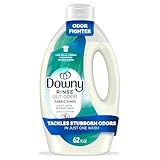
- RINSE OUT ODORS: Our fabric rinse breaks down and fights stubborn set-in odors at the source in just one wash better than the leading value detergent in 3 washes
- REFRESH LAUNDRY: Downy Fabric Odor Remover Rinse adds freshness to your laundry and leaves behind the light, breezy scent of Cool Cotton
- FAST AND EASY: Simply pour Downy Rinse fabric odor remover directly into the fabric softener dispenser after adding detergent, no soak or pretreat needed
- SAFE ON ALL WASHABLE FABRICS: Use Downy Rinse fabric rinse on all your smelly clothes—activewear, everyday clothes, towels, delicates, baby clothes, pet bedding, blankets and more
- GENTLE ON SKIN: Downy Rinse laundry odor remover is free of dyes and heavy perfumes
3. Follow the garment care label
Care symbols and written instructions define the safe range for washing, drying and bleaching. “Cold,” “warm,” “do not tumble dry,” “line dry,” “dry clean,” and fiber-specific warnings are not interchangeable suggestions. A treatment that is suitable for cotton can damage wool, silk, elastane, coated fabric, leather details or adhesive embellishments.
- Read the entire label, including symbols on a second tag or inside a side seam.
- Identify the allowed wash temperature, cycle, bleach restriction and drying method.
- Check whether the item can be steamed or placed in a dryer.
- Test any nonstandard treatment on an inconspicuous area only when the label does not prohibit it.
If the label says professional cleaning, do not improvise a water, heat or additive treatment. The FTC’s care-label rule and consumer explanation describe why these instructions accompany textile apparel (FTC rule).
4. Dose detergent correctly
More detergent is not automatically more cleaning. Excess product can leave residue that traps soil, dulls fabric and contributes to a stale smell, especially when the load is large or the rinse is short. Measure according to the detergent package and adjust only as its directions specify for load size, soil level and water conditions.
For stubborn odor in a washable item, an odor-fighting or enzyme-containing detergent is one manufacturer-recommended option. That is a category description, not evidence that one brand is independently superior. Use the product’s dosing and fabric restrictions, and never substitute detergent with perfume or an additive that the label does not support. Persil and Whirlpool both discuss correct dosing and odor-focused detergent choices (Persil odor guidance; Whirlpool odor guidance).
5. Give clothes room in the washer
Overloading prevents garments from circulating, contacting detergent solution and rinsing freely. A packed drum can therefore leave odor and product residue behind even when the selected cycle is long enough.
- Load loosely rather than pressing items down to create space.
- Keep bulky pieces and dense fabrics within the machine’s capacity guidance.
- Distribute similar items so one heavy article does not trap lighter pieces.
- If clothing emerges with detergent film or a lingering smell, run a suitable rinse and reassess the next load size.
Correct loading is part of odor control, not merely a capacity issue. Both Persil and Whirlpool identify room to move and rinse as important for removing odor residues.
Rank #3
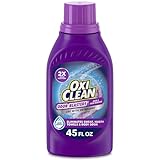
- POWERFUL LAUNDRY BOOSTER: X fl oz bottle of OxiClean Odor Blasters Odor and Stain Remover Liquid Laundry Booster; designed to be used as a laundry detergent booster to tackle pesky odors and stains
- ODOR AND STAIN FIGHTER: Water-activated laundry stain remover and odor eliminator with 2X the odor fighters (vs. leading value liquid detergent per load); eliminates sweat and body odor while targeting dirt, persistent spots, and other set-in stains
- CHLORINE-FREE AND COLOR-SAFE: Tough on stains yet gentle on fabric, this laundry booster is chlorine-free and color-safe to keep the clothes you love looking their best
- MULTI-PURPOSE STAIN SOLUTION: Eliminates a variety of stubborn stains, including food, grease, and ink from machine-washable clothing, sheets, towels, workout clothes, shoes, team uniforms, and pet bedding
- OXICLEAN FOR EVERY MESS: From tough odors to stubborn stains, upgrade your laundry routine with OxiClean, America’s No. 1 stain remover additive brand (based on units sold)
6. Use an appropriate cycle or extra rinse
When a garment is genuinely dirty or strongly odorous, select the cycle and soil level that match the label and the load. An extra rinse can help when residue remains and the machine offers that option. It is not a substitute for the correct detergent amount or a safe wash temperature.
Hotter, sanitizing or extended cycles can stress dyes, elastic, prints and delicate fibers. Choose them only when the care label permits. For mixed loads, follow the most restrictive item or separate the load. Whirlpool’s odor guidance describes using an appropriate soil setting and extra rinse when available (Whirlpool odor guidance).
7. Steam a compatible lightly worn garment
A garment steamer or a dryer’s steam-refresh program can relax fabric and reduce a light stale smell between washes. Hang the item so steam reaches the surface, keep the nozzle at the distance specified by the appliance, and avoid saturating the fabric.
Steam does not remove stains, body oils or embedded soil. It is unsuitable when the label prohibits steam or heat, and it should not be treated as disinfection. If the smell is strong, returns quickly or comes from sweat, wash the garment instead. Whirlpool lists steam as a between-wash refresh for compatible lightly worn items (Whirlpool odor guidance).
Independent reader supportYour contribution helps us test, update, and keep practical guides available for everyone.8. Dry laundry thoroughly and promptly
Remove washed clothes from the washer as soon as practical. Dry them fully before folding or storing; fabric that stays damp in a closed drum, hamper or closet can develop a musty odor.
- Shake out items and separate thick seams, waistbands and pockets so air can reach them.
- Use the label-approved tumble, line-dry or flat-dry method.
- Do not fold or store anything that still feels cool and damp at its thickest point.
- Clean the lint filter and maintain airflow so the dryer can remove moisture effectively.
Whirlpool mentions wool dryer balls as an optional aid that may help clothes dry faster. They are not established here as odor removers. If a dryer itself smells, follow its manufacturer cleaning and maintenance instructions (Persil odor guidance; Whirlpool odor guidance; Whirlpool dryer troubleshooting).
Do these 3 things before closing this tab:
1Repair Windows errors before they cause bigger problems2Scan for outdated or missing drivers - takes under a minute3Clear out junk files and repair common Windows errorsRank #4

- Powerful Bio Enzymatic Cleaner: ACTIVE Laundry Odor Removers Boost your normal laundry detergent to effectively target Stains & Odors, not mask them like washing soda or in-wash scent boosters. It uses Lab-proven Biological Cleaning to remove laundry odor & strong smell
- Heavy Duty Stain Remover for clothes: Our Enzyme Laundry Additive Powder is formulated for Stain Removal of dirty clothes, perfect for Funk, Grease, Armpit Sweat stain, Blood stain, Oil and more!
- Gentle on All Fabrics: Our Fragrance Free Laundry Boost Plant-based Formula uses zero harsh chemicals. Natural enhancer for whites & colors. Even safe for pesky activewear fabrics
- Value 64 Load Package: ACTIVE Enzyme Cleaner Concentrated 32-oz size is good for 64 Loads compared to other products with 1 lb or less
- Compatible with all Washers & Detergents: Add ACTIVE Laundry Booster Powder to your usual detergent & cleaners! HE, Front & Top load Washer Approved. Also use as laundry soak pretreat powder in order to treat set-in stain
9. Clean the machines and use an in-dryer refresher only when it fits
Remove odor sources from the washer and dryer
Residue, standing water or mildew in an appliance can transfer smell to every load. Run the washer-cleaning procedure in its manual, wipe accessible seals and dispensers as directed, keep the door or lid open between loads when the manufacturer allows, and clean the dryer’s lint path and interior according to its instructions. Do not mix cleaning chemicals or pour an unapproved substance into an appliance.
Use a targeted dryer refresher for the right garment
For a clean, lightly worn, dryer-compatible item, an in-dryer clothing refresher can be a quick between-wash option. The Clorox Refreshables product directions specify a low, delicate or no-heat 15-minute cycle. They warn against children’s sleepwear and flame-resistant garments and advise avoiding silk, leather, suede and embellished items (Clorox product directions).
Follow the package directions for the particular refresher and confirm that the item is both dryer-safe and free of restricted finishes. This process adds a product scent or treatment; it does not wash out stains, sweat or serious odor. A persistent smell still calls for the appropriate wash and complete drying.
What to know about baking soda and vinegar
Baking soda and distilled white vinegar appear in many laundry tips, but neither is a universal detergent replacement. Manufacturer advice differs on when, where and how to use them, so the care label and detergent instructions remain the safer baseline.
Outdated Drivers Are Slowing You Down
One free scan finds every outdated or missing driver and matches the right update for your exact hardware.Free scan · exact hardware matchPC Slower Than It Used to Be?
A free scan shows the junk files, broken settings and background clutter dragging Windows down - then fixes them in one click.Free scan · Windows 10 & 11- Tide says baking soda can harm natural protein fibers such as wool, cashmere and silk, may fade some colors, and can make fabric rough or stiff when used in the rinse.
- Tide also explains that vinegar and baking soda neutralize one another when combined, so adding both is not a presumed cleaning boost.
- Whirlpool describes pretreatment approaches and says clothing treated with vinegar should be rinsed before machine washing.
- Skip either additive on vulnerable garments unless reliable, garment-specific instructions support it.
Never combine an additive with chlorine bleach or another chemical unless the product instructions explicitly confirm compatibility. For detailed cautions, see Whirlpool’s odor guidance and Tide’s additive guidance (Whirlpool odor guidance; Tide additive guidance).
A practical decision sequence for recurring smells
- Inspect the item. Look for sweat, stains, dampness, visible residue and fiber-specific restrictions.
- Read the label. Record the safe wash, rinse, bleach, steam and dry options.
- Choose refresh or wash. Use air, steam or an approved dryer refresher only for clean, lightly worn fabric; wash anything dirty, sweaty or persistently smelly.
- Build a balanced load. Dose detergent as directed, avoid overfilling and select the compatible cycle.
- Rinse and dry fully. Add an extra rinse only when useful and label-safe; remove the load promptly and dry completely.
- Investigate repeat failure. Clean the appliance, check airflow and reconsider load size, detergent amount and delayed drying.
If odor remains after these steps, stop escalating heat or additives blindly. Recheck the fiber and care instructions, separate the item for professional cleaning when required, and address the environmental source—such as a damp hamper, closet or machine—that may be reintroducing the smell.
Quick Recap

Product prices and availability are accurate as of the date/time indicated and are subject to change. Any price and availability information displayed on Amazon at the time of purchase will apply.

