Outdated Drivers Are Slowing You Down
One free scan finds every outdated or missing driver and matches the right update for your exact hardware.Free scan · exact hardware matchPC Slower Than It Used to Be?
A free scan shows the junk files, broken settings and background clutter dragging Windows down - then fixes them in one click.Free scan · Windows 10 & 11ThatPainter is reader-supported. When you buy through links on our site, we may earn an affiliate commission. Learn More
Remove fresh nail polish from plain glass as soon as possible: wipe away the excess, then clean the spot with a cloth dipped in washing soda, water, and a few drops of ammonia, followed by a thorough rinse and drying. Hardened polish may sometimes be lifted from plain glass by careful scraping. For residue that remains, an acetone-based remover can dissolve the nitrocellulose in nail polish, but it introduces flammable vapors and can harm plastics, labels, coatings, and decorative finishes.
As an Amazon Associate I earn from qualifying purchases.
Cleaning the visible polish does not prove that a jar is suitable for food storage. No validated procedure establishes food safety after nail-polish or solvent contamination, so reserve a previously contaminated jar for non-food uses unless the container’s manufacturer provides specific, applicable guidance.
Check the jar before choosing a removal method
The safest method depends on both the condition of the polish and the jar’s surface. Glass itself is relatively resistant to many cleaners, but a jar may also have enamel, printed decoration, a coating, adhesive labels, a plastic lid, or plastic components around the opening. Those materials can react differently from the glass.
#1 Best Overall
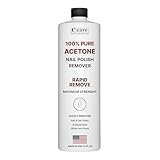
- 100% Pure Acetone: Exceptionally efficient and powerful for swiftly removing all varieties of nail polish, such as gel, glitter, and long-lasting formulas, with ease.
- Rapid-Remove and Highly Effective: Breaks down and dissolves nail polish in mere seconds, significantly reducing the time and effort needed compared to less potent removers on the market.
- Professional-Grade Quality for All Users: Perfectly suited for salon professionals and home beauty enthusiasts, delivering a thorough and spotless polish removal experience every time.
- Gentle on Nails Despite Potency: Carefully crafted to reduce the risk of excessively drying out nails or cuticles when used as directed, maintaining their health and condition.
- Multi-Purpose and Highly Versatile: Excellent for a variety of tasks beyond polish removal, including cleaning nail tools, dissolving nail glue, or preparing nails for a fresh, flawless manicure application.
Plain, undecorated glass
Plain glass is the surface for which the cited cleaning and scraping guidance is most relevant. You can start with the mildest approach and escalate only if residue remains.
Enamel, paint, printing, or coatings
Do not extend glass-scraping advice to enamel. The University of Georgia Extension specifically excludes enamel from its scraping instruction. Treat painted designs, metallic bands, frosted coatings, tinted finishes, and printed markings as delicate as well: scraping or solvent can remove the finish along with the polish.
Plastic lids, seals, labels, and nearby parts
Keep acetone away from plastic lids, liners, labels, and other non-glass components. Glass-care product guidance warns that acetone may damage plastics; regard that as a product-specific compatibility warning rather than proof that every plastic reacts identically. If polish is on a lid or label, use a method intended for that material or replace the part instead of allowing solvent to spread onto it.
Quick wins for a faster PC:
Clear out junk files and repair common Windows errorsFree Scan →Scan for outdated or missing drivers - takes under a minuteDriver Scan →Repair Windows errors before they cause bigger problemsFix Now →Choose the method by residue and surface
| Situation | First choice | Where it applies | Main limitation |
|---|---|---|---|
| Fresh polish on plain glass | Wipe excess, then washing soda, water, and a few drops of ammonia on a cloth; rinse and dry | Undecorated glass | Use the solution as described by University of Georgia Extension; do not assume the same treatment is suitable for delicate finishes |
| Hardened polish on plain glass | Careful, controlled scraping | Plain glass only | The extension says scraping may work “sometimes”; stop if the surface is decorated, coated, or vulnerable |
| Stubborn film or remaining spots | Acetone nail-polish remover, used sparingly | Only after checking surrounding materials and product directions | Highly flammable vapors; skin and eye irritant; formulas vary; may damage plastics and finishes |
| Enamel, painted, coated, or ornate jar | Test a non-solvent approach on an inconspicuous area or leave the finish intact | Delicate or unknown surfaces | There is no general assurance that scraping or acetone is safe |
Remove fresh nail polish from plain glass
Fresh polish is usually the easiest to handle because it has not fully hardened. Work before it spreads across a larger area or dries into a thicker film.
Rank #2

- One-Touch Pump Head & Leak-Proof Lock Design: Experience unmatched convenience with our innovative one-touch pump. Designed for effortless, one-handed operation, it dispenses the perfect amount every time, eliminating waste and mess. The secure locking cover of the nail polish remover pump prevents accidental spills and evaporation, ensuring the formula stays potent and your vanity stays clean. With a convenient 180ml (6.34 Fl oz) capacity, acetone gel nail polish remover is perfect for both home use and travel.
- Pro-Strength Acetone Meets Nourishing Grape Seed Oil: Have the same exceptionally efficient and powerful for swiftly removing as acetone 100 percent gel remover for nails, most effective removal. Unlike gentle removers that struggle, our nail polish remover acetone can break down and dissolve nail polish in mere seconds. But we went further: our gel polish remover for nails infused it with Grape Seed Oil to moisturize and nourish your nails as it works. Get unmatched efficiency without the worry of dry, brittle nails.
- Effortlessly Removes Regular Nail Polish & Gel Nail Polish: Why settle for limited results? Press on nail remover with powerful formulais your all-in-one solution. Nail gel remover effortlessly removes regular polish, glitter polish, fingernail polish remover, nail tips and even gel nail polish in seconds. Moreover, there is no residue left on nails and it does not dry out nails.—Gel nail remover does it all, saving you time, money, and space.
- How to Remove Gel Nail Polish: Lightly buff the shiny top coat with a nail file(keeping ~0.01mm thickness), shake the bottle, then soak cotton in nail polish remover, place them on nails and wrap them with aluminum foil for minutes(repeat the process if needed until all polish is removed), then gently scrape off the softened gel with a steel pusher, buff nails smooth with a sponge buffer, wash hands, and reapply oil if dry.
- Best Service: Glamonade professional nail polish remover value your feedback and strive for service excellence. If gel x remover for nails are any questions of our products, please feel free to contact us via email. Replacement or Refund Service are always available. Enjoy your shopping!
- Move the jar to a stable work area. Keep it away from heat, flames, pilot lights, and smoking. If the jar has a lid, label, or plastic trim, identify those parts before applying any cleaner.
- Lift off the excess without spreading it. Use a disposable edge or cloth to pick up the bulk of the wet polish. Press and lift rather than rubbing across a wide area. Place used material aside so it does not transfer polish to another surface.
- Prepare the cleaning solution described by University of Georgia Extension. Dip a cloth in washing soda, water, and a few drops of ammonia. The cited guidance does not establish a universal measurement for every jar, so do not improvise a stronger concentration.
- Wipe the remaining spot on the glass. Use controlled passes over the affected area. Keep the damp cloth on the glass rather than allowing liquid to run onto labels, painted decoration, plastic, or the jar’s closure.
- Rinse well. Remove the cleaning solution from the glass with clean water. A thorough rinse matters because the goal is to remove both polish residue and the cleaning mixture.
- Dry completely. Use a clean, dry cloth and inspect the area under good light. If a colored film remains, do not keep rubbing aggressively; reassess whether the jar has a coating or decoration and move to the appropriate branch below.
Why this method is the starting point
The extension method addresses fresh residue without immediately introducing an organic solvent. It is the source-backed first step for plain glass, and it limits the chance of exposing nearby plastics or printed surfaces to acetone. It is not a guarantee for enamel, coated glass, or every type of decoration.
Lift hardened polish from plain glass
Once polish has cured, wiping may only smear the edges or leave a hard, glossy patch. University of Georgia Extension says hardened material can sometimes be carefully scraped from glass. “Sometimes” is important: scraping is an option, not a promise of complete removal.
- Confirm that the target is plain glass. Do not scrape enamel, painted graphics, metallic decoration, frosting, or an unidentified coating. If you cannot tell whether a finish is present, treat the surface as delicate.
- Protect the surrounding area. Work on a stable surface and keep the jar from rolling. Remove loose flakes as you go so they do not scratch the glass during later wiping.
- Use a clean, controlled scraping edge. Keep the edge low and work gradually at the polish rather than digging into the glass. Make short passes in one direction and use light pressure.
- Stop at the first sign of damage. If the surface begins to scratch, the decorative layer lifts, or the polish will not release without force, stop scraping. More pressure can turn a small stain into permanent surface damage.
- Wipe away loosened particles. Use a clean cloth after the bulk has lifted. If a thin residue remains, choose between another gentle cleaning pass and the solvent precautions below.
Do not treat a razor, blade, or aggressive abrasive as automatically safe simply because the container is glass. The cited guidance supports careful scraping in general terms, not a particular tool, angle, or guarantee against scratching.
Do these 3 things before closing this tab:
1Scan for outdated or missing drivers - takes under a minute2Clear out junk files and repair common Windows errors3Fix the driver behind crashes, sound loss and screen glitchesUse acetone only for stubborn residue and only after a compatibility check
Acetone is a reasonable optional solvent because nail polish contains nitrocellulose and acetone can dissolve nitrocellulose. Poison Control also notes that acetone-free removers may use other ingredients, including ethyl acetate and isopropyl alcohol. A bottle labeled “nail-polish remover” is therefore not necessarily equivalent to pure acetone or to another remover.
Rank #3

- Spa formula contains 98% acetone for fast and easy at home manicure and pedicure removal
- Removes tough polishes, including salon UV gel, longwear, glitter, and dark colors for salon-quality results
- Infused with a special blend of ingredients and Apricot Seed Oil to help nourish nails
- Cucumber fragrance creates a light, fresh scent for an relaxing spa-like experience
- Also available in Strength-Shield, Nourishing, Moisture-Rich, and Non-Acetone formulas
Read the remover label first
Check whether acetone is listed and follow the product’s directions. If the formula is acetone-free, do not assume it will behave the same way. The evidence supports acetone’s action on nitrocellulose; it does not establish identical performance for every remover formulation.
Set up ventilation and fire control
The South Australian Metropolitan Fire Service describes acetone as highly flammable and says it gives off volatile fumes. Use it only in a well-ventilated area, away from open flames, heat, sparks, and smoking. Do not work beside a gas burner, candle, soldering iron, heater, or other ignition source.
Protect yourself and the jar
Acetone can irritate skin and eyes. Avoid splashes and prolonged contact, and follow the label’s protective instructions. Keep the solvent on the glass rather than on plastic lids, seals, labels, coatings, or printed decoration. If the jar has a narrow neck, do not pour solvent into it merely to reach a spot; controlled application reduces unnecessary exposure and spread.
Recommended Free Tools
Apply a small amount
- Place the jar on a stable, protected work surface in the ventilated area.
- Put a small amount of the acetone remover on a cloth or other applicator appropriate to the product label. Do not saturate the entire jar.
- Dab or wipe the polish in a limited area, allowing the solvent to soften the residue rather than scrubbing broadly.
- Lift the softened material with a clean part of the cloth. Repeat with small amounts only if the glass remains unaffected.
- Stop immediately if printing, coating, adhesive, plastic, or another finish begins to soften, discolor, wrinkle, or transfer.
- After the polish is gone, wash the glass with water and a suitable dishwashing detergent, then rinse and dry. This removes remaining surface residue, but it does not establish that the jar is safe for food use.
What to do after skin, eye, or inhalation exposure
Wash exposed skin with soap and water. Avoid rubbing solvent into the eyes; follow the product label and seek medical advice for significant eye exposure. Poison Control advises seeking medical advice after inhalation or ingestion exposure. For a serious exposure or symptoms such as breathing difficulty, severe irritation, confusion, or persistent vomiting, use local emergency or poison-information services.
Rank #4

- Triple-Action Formula Nail Care: Nail Polish Remover with a complimentary flip-top cap for anti-evaporation and spill-resistant properties. Gel nail remover rapidly & gently removes gel nail polish, regular polish, glitter polish, artificial nails and nail glue, enriched with grape seed oil without stripping nails, moisturizes nails that stay shiny and non-drying.
- Highly Effective& Quick Removal: Achieve professional quality nail glue remover with acetone gel formula. Acetone nail polish remover works in just seconds with the right tools can break down and dissolves nail polish, also gel, artificial nails, nail glue and nail tips in minutes(repeat the process if needed until all polish is removed), perfect for a variety of nail removal scenarios.
- Nutritional Ingredients: Have the same exceptionally efficient and powerful for swiftly removing as acetone 100 percent nail polish remover, enriched with grape seed oil provides deep nourishment and nail care, reduce the risk of excessively drying out nails or cuticles. Remember to shake before use soak off gel polish remover to make the nutrients more easily absorbed.
- Professional Manicure Experience: 8 Fl Oz Acetone gel nail polish remover is not only perfectly suited for salon nail stuff and nail techs, but also for home beauty enthusiasts and beginners, delivering a thorough and zero-residue polish removal experience every time.
- How to remove the gel polish: Lightly buff the shiny top coat with a nail file(keeping ~0.01mm thickness), shake the bottle, then soak cotton in nail polish remover, place them on nails and wrap them with aluminum foil for minutes(repeat the process if needed until all polish is removed), then gently scrape off the softened gel with a steel pusher, buff nails smooth with a sponge buffer, wash hands, and reapply oil if dry.
What changes when the jar is decorated or coated?
A visible mark may be polish sitting on top of a finish, or it may already have bonded to or damaged that finish. Because the available scraping instruction excludes enamel, and acetone can affect plastics and other materials, there is no universal “glass jar” procedure for ornate containers.
- Printed logos or lettering: Keep scraping and solvent away from the print unless you are willing to risk removing it.
- Frosted or matte glass: The texture can retain residue and may change appearance when rubbed. Start with the least aggressive approach and test a hidden spot.
- Painted or enamel bands: Do not scrape them. A cleaner that removes polish may also remove the band.
- Unknown coating: Treat it as delicate. If preserving the appearance matters, leaving a small mark may be preferable to stripping the surface.
- Plastic closure or liner: Remove the closure if possible before any solvent work, and keep acetone off it.
Troubleshoot common results
The polish smears instead of lifting
Stop spreading it over a larger area. Wipe up the excess, switch to a clean section of cloth, and use the fresh-polish cleaning method on plain glass. Smearing often means the polish is being rubbed before enough material has been lifted.
A hard edge remains after scraping
Use lighter, shorter passes and remove loose fragments between passes. If the edge will not release without force, stop and consider a small, controlled acetone application only after checking the surrounding surface and ventilation requirements.
What’s actually slowing this PC down?
Pick the symptom - the matching free tool is one click away.
The glass looks clean but feels tacky
There may be polish or solvent residue. Wash, rinse thoroughly, and dry with a clean cloth. Do not infer food suitability from the absence of visible residue.
Best Value
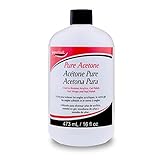
- Eliminates fill and repair lines
- Blends tips on natural nails
- Professional grade
- Great value
The label or plastic became dull or sticky
Stop using acetone on that area. Acetone may damage plastics, and solvent can also affect adhesives and printed finishes. Further rubbing can enlarge the damage; replace the affected component if appearance or function matters.
The jar develops a scratch or the decoration lifts
Stop scraping immediately. Continuing cannot restore the finish and may make the damage larger. Use the jar only for a purpose where the altered appearance and surface condition are acceptable.
Can a cleaned jar be reused for food?
Not on the evidence available here. The cited cleaning and solvent information explains how to remove or dissolve polish; it does not validate a decontamination process for food contact. Nail polish and remover can leave residues that are not assessed by simply looking at the jar.
For that reason, do not use a formerly contaminated jar for jam, spices, drinks, meal preparation, or other food storage solely because it appears spotless. Choose a new, food-intended container for edible contents. A cleaned jar can still be useful for non-food purposes such as holding craft materials, hardware, brushes, or decorative objects, provided it is dry and its surface has not been damaged in a way that creates a handling hazard.
Quick Recap
A practical decision sequence
- Identify the surface: plain glass, or glass with enamel, print, coating, label, or plastic parts?
- Classify the residue: wet and fresh, or fully hardened?
- Use the least aggressive suitable method: the washing-soda solution for fresh polish on plain glass; careful scraping for hardened polish on plain glass.
- Escalate only when necessary: consider acetone for stubborn residue after checking the remover formula, ventilation, ignition sources, skin and eye precautions, and nearby materials.
- Rinse and dry: clean the glass after removal and inspect it under good light.
- Choose a non-food use: visible cleanliness is not a validated food-safety determination.

Product prices and availability are accurate as of the date/time indicated and are subject to change. Any price and availability information displayed on Amazon at the time of purchase will apply.

