Quick wins for a faster PC:
The Tool Desk
Outbyte Driver Updater FREEFix the driver behind crashes, sound loss and screen glitchesFind Drivers →Outbyte PC Repair FREERepair Windows errors before they cause bigger problemsFix Now →Clear out junk files and repair common Windows errorsFree Scan →Scan for outdated or missing drivers - takes under a minuteDriver Scan →
ThatPainter is reader-supported. When you buy through links on our site, we may earn an affiliate commission. Learn More
Water a newly planted ornamental grass deeply at planting, then keep its root ball and the surrounding backfill consistently moist while it establishes. Check the soil rather than following a fixed weekly schedule: rainfall, soil texture, drainage, plant size, species and temperature all change the interval. Winter mulch is not automatic. Where local extension guidance recommends it, apply a light layer after several hard freezes and keep the crown exposed so it does not stay wet and rot.
Confirm that fall planting is suitable for your grass
Watering and winter protection cannot compensate for a planting date that does not suit the grass or the climate. Identify whether the plant is a cool-season or warm-season ornamental grass, and whether it is a container-grown plant or a division. Those details determine how much root growth is possible before freezing weather.
As an Amazon Associate I earn from qualifying purchases.
Outdated Drivers Are Slowing You Down
One free scan finds every outdated or missing driver and matches the right update for your exact hardware.Free scan · exact hardware matchWindows Errors? Fix Them Before They Spread
Repair common Windows errors and clear accumulated junk for a smoother, more stable PC - no reinstall needed.Free scan · no reinstallCool-season grasses
University of Missouri Extension says cool-season grasses can be planted in spring or fall. In Iowa, Iowa State University Extension and Outreach also lists spring and early fall as good planting times. Its guidance calls for at least four to six weeks of establishment before the ground freezes. Read the complete Iowa recommendation at Iowa State’s ornamental-grass guide and Missouri’s species guidance at University of Missouri Extension.
Warm-season grasses
Missouri Extension recommends planting warm-season grasses in spring rather than fall because they need warm soil and active growing time to develop roots. Colorado State University Extension is similarly cautious: it recommends spring planting, allows container-grown grasses later in the season only until approximately one month before frost, and does not recommend late planting of divisions, particularly warm-season divisions. See Colorado State’s ornamental-grass guidance.
#1 Best Overall

- All-Natural & Clean Mulch —Sustainably sourced 100% non-GMO wheat straw is naturally filtered to remove dust, dirt, and as many seeds as possible for a clean, pure mulch.
- Designed for Gardens & Compost-Friendly — Ideal for vegetable, herb, flower, and fruit gardens, raised beds, containers, and lawn repair; used straw breaks down quickly, adds carbon to compost, and naturally enriches soil.
- Conserves Water — Retains soil moisture, limits evaporation, and keeps soil cool, reducing watering needs by up to 50%.
- Improves Soil Health & Boosts Yields – Reduces compaction and erosion, supports microbes, improves aeration, conserves nutrients, and builds organic matter in your soil for healthier, higher-yielding plants.
- Stays in Place & Expansive Coverage — Specially cut straw fibers interlock when watered, staying in place naturally and resisting wind and rain without chemical binders; 3 cu ft compressed bale covers up to 100 sq ft at a 2–3" layer or 600 sq ft for lawn seeding at ¼" thickness.
Container plants versus divisions
A container-grown grass usually arrives with an intact root ball. A division has had roots and shoots separated from an established clump and can be more vulnerable to late-season stress. If your local extension service gives a later cutoff for containers but an earlier cutoff for divisions, follow the stricter date for a divided plant.
Water immediately after planting
Give the grass a thorough watering as soon as it is planted. The objective is to wet the original root ball and the adjacent backfill, not merely dampen the surface. Iowa State states: “After planting, keep newly planted ornamental grasses well-watered throughout the first growing season.” That recommendation appears in Ornamental Grasses for the Home Landscape.
- Set the hose at the root zone. Place the outlet or wand over the root ball, with some water reaching the backfill immediately around it. Avoid spraying the foliage when a slow soil-level application is practical.
- Apply water slowly. A gentle flow gives the root ball time to absorb moisture and reduces runoff from compacted or sloped soil. If water begins to pool, pause and let it infiltrate before continuing.
- Wet the backfill as well as the root ball. New roots must move outward into the surrounding soil. Watering only the original potting mix can leave a wet center surrounded by dry soil, discouraging outward root growth.
- Check the depth of wetting. Push a finger or a slim trowel into the soil beside, rather than through, the root ball. The soil should be moist through the planted depth, not muddy.
- Inspect the planting level. The crown should sit just above the soil surface. If settling exposes roots, add soil around the root zone without burying the crown.
University of Florida IFAS Extension advises watering newly planted ornamental grasses as frequently as other containerized ornamentals and directing irrigation to the root ball. Its explanation is available at Considerations for Selection and Use of Ornamental Grasses.
Set a moisture-based watering routine
There is no evidence-based universal amount or interval for every fall-planted ornamental grass. A fixed “once a week” rule can overwater a poorly drained bed during rainy weather or under-water a sandy site during a dry, windy spell. Use the soil and the plant’s establishment stage to set the next watering.
Rank #2

- Packaging May Vary: Same great Seeding Mulch with updated packaging!
- Sticks Together with Tackifier: Premium Processed Straw with a natural, biodegradable bonding agent (Tackifier) that gives straw a tackiness which holds it together.
- Protective Layer: Protects the grass seed from heavy washout, windy areas, birds and other animals.
- Convenient Storage: Conveniently bagged in a UV protected plastic bag with handle package, can be stored outside.
- Garden Assistant: Speeds up germination, and keeps the soil moist to reduce the amount of watering required.
During the first several weeks
Inspect the soil frequently, especially for a small container plant, a freshly divided clump, sandy soil, or a site exposed to wind. Water when the root-zone soil is beginning to dry, then soak it thoroughly again. The goal is even moisture, not continuous saturation. Heavy clay may need a slower application and a longer interval; fast-draining soil may need attention sooner.
Through the first growing season
Continue monitoring and supplying supplemental water whenever rainfall does not keep the root zone moist. Iowa State’s first-season recommendation applies to newly planted grasses generally, but the actual interval still depends on local weather and soil. A larger plant with more roots may draw from a wider area than a small division, while a grass planted just before a cold, wet period may need little additional irrigation until conditions change.
Do these 3 things before closing this tab:
1Scan for outdated or missing drivers - takes under a minute2Repair Windows errors before they cause bigger problems3Fix the driver behind crashes, sound loss and screen glitchesAfter roots move beyond the root ball
UF/IFAS notes that, after several weeks, roots extend into the surrounding soil. In its Florida context, irrigation is then normally needed only during extremely dry periods. Treat that as a transition, not a calendar deadline: cool climates, compacted soil, drought, and different species can delay root spread. Keep checking the full root zone instead of stopping water simply because a set number of weeks has passed.
Adjust watering for rain, soil and drainage
After substantial rain
Skip supplemental irrigation when the root zone is already moist. Check below the surface because a wet-looking mulch or crust can hide dry soil around the root ball. Do not add water to a site that remains saturated; poor drainage deprives roots of oxygen and can promote decay.
Rank #3
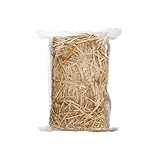
- 100% Natural & Soil-Safe Straw: Made from sun-dried wheat straw with no chemicals or weed seeds. It can safely break down into the soil, improve soil structure, and support organic gardening while keeping plants healthy and protected
- Ideal Spring Garden Mulch for Soil & Plants: Perfect for spring gardening, this wheat straw works as an effective straw for soil, helping retain moisture, regulate soil temperature, and prevent erosion from rain or wind
- Versatile Use for Gardens, Lawns & Landscaping: Widely used as garden mulch for vegetables, straw mulch for strawberries, roses, flowers, and seedlings. Suitable for garden beds, landscaping, lawn seeding, yard ground cover, and grass protection
- Clean & Animal-Friendly Bedding: This straw uses vacuum packaging to ensure that the straw is sealed and kept clean and odor-free for safe use around animals and plants. Ideal bedding for chicken coops, egg-laying boxes, cat shelters, rabbit hutches, and small animal housing
- Enhance Your Space: Our decorative wheat straw is great for crafts and seasonal decor. Use as straw for crafts, decorative displays, or holiday decorations to add a natural rustic touch
During dry, windy or unusually warm weather
Wind and heat increase moisture loss from exposed soil and foliage. Inspect more often and water the root ball and adjacent backfill when they begin to dry. A temporary windbreak or a properly applied organic mulch can reduce evaporation, but neither replaces checking soil moisture.
In heavy or compacted soil
Apply water in shorter cycles so it can infiltrate instead of running off. If puddles remain for a prolonged period after ordinary irrigation, investigate grading and drainage. Moving the plant in winter is not a quick fix; correct the site before planting future grasses or seek local horticultural advice.
In sandy or sharply drained soil
Water may move below the root zone quickly. Check moisture more often and apply enough slow water to wet the planted depth. Organic matter incorporated according to local soil recommendations can improve water retention, but do not bury the crown while amending or mulching.
Decide whether first-winter mulch is needed
Mulch is a regional and species-dependent protection, not an automatic blanket for every ornamental grass. Missouri Extension specifically advises a light mulch after several hard freezes for fall-planted ornamental grasses during their first winter. That timing is Missouri guidance; it should not be presented as a universal rule for warmer, wetter or colder regions. Read the recommendation at University of Missouri Extension.
Rank #4

- What You Get: 1 pound of 100% all-natural wheat straw that has been dried to ensure it is free of weed seeds and will not germinate during use.
- Wide Range Of Uses: You can use it with pet bedding to create a warm home for chicken coops and small animals. Also used as garden mulch, it will make your plants thrive and look more vigorous, add extra biomass, and help reduce weeds.
- Airtight Container: This garden straw mulch straw is vacuum packed to ensure the hay bales are sealed and stay clean and soft. In addition, it is easy to use and carry, as well as easy to store and transport.
- Safe & Eco-Friendly: Made from 100% natural wheat straw and contains no additives, fillers, oils, or dyes. Full of natural flavor. It is safe and eco-friendly, and you can use it with confidence.
- Optimize Your Space: Using wheat straws as decoration can not only improve functionality but also add a decorative effect. At the same time, wheat straw is also an ideal choice for landscaping.
Use the local trigger, not the planting date alone
Wait for the pattern of weather your local guidance describes. In Missouri’s recommendation, several hard freezes come first, then a light layer is applied. Mulching immediately after planting can keep the crown and soil excessively wet during a mild, rainy autumn and can provide shelter for pests.
Keep the crown uncovered
Pull mulch back from the plant’s center so air can reach the crown. UMass Amherst says the crown should sit just above the soil surface and warns that mulch pushed against it can contribute to rotting. Its water-conservation guidance is at Ornamental Grasses for Water Conservation in the Landscape.
Outdated Drivers Are Slowing You Down
One free scan finds every outdated or missing driver and matches the right update for your exact hardware.Free scan · exact hardware matchPC Slower Than It Used to Be?
A free scan shows the junk files, broken settings and background clutter dragging Windows down - then fixes them in one click.Free scan · Windows 10 & 11- Clear weeds and inspect the crown before mulching.
- Spread a light, even layer over the surrounding soil, extending across the root zone rather than piling it against the stems.
- Leave a visible gap around the crown and avoid covering the base of the shoots.
- Check the area during thaws. If the mulch becomes waterlogged or presses against the crown, pull it back.
- Remove or thin the winter layer when local spring conditions make prolonged dampness likely and new growth needs light and air.
Choose material and depth conservatively
The available extension guidance does not establish one best mulch material or one universal depth for every ornamental grass and region. Straw is a possible material where local recommendations support it. Iowa State’s general perennial advice mentions a four- to six-inch straw layer for fall-planted perennials, but that is not a grass-specific depth and should not be transferred automatically to ornamental grasses. See Iowa State’s perennial-planting guidance for the distinction.
Independent reader supportYour contribution helps us test, update, and keep practical guides available for everyone.Use this regional decision framework
When recommendations conflict, match the advice to the conditions that produced it rather than averaging the instructions.
| Situation | Watering implication | Fall or winter implication |
|---|---|---|
| New grass in Iowa | Keep it well-watered throughout the first growing season. | Spring and early fall are suitable planting windows; allow at least four to six weeks before ground freeze. |
| Cool-season grass in Missouri | Monitor the root zone and irrigate when it begins to dry. | Spring or fall planting is acceptable; Missouri advises a light first-winter mulch after several hard freezes for fall-planted grasses. |
| Warm-season grass in Missouri | Do not reduce establishment care simply because the plant is dormant above ground. | Missouri recommends spring planting. |
| Container-grown grass in Colorado | Water according to root-zone moisture and drying conditions. | Container plants may be planted through the season until about one month before frost, subject to local conditions. |
| Division planted late in Colorado | Provide close moisture monitoring while roots recover. | Late planting is not recommended, particularly for warm-season divisions. |
| Grass after root spread in the UF/IFAS context | After several weeks, irrigation is normally needed only during extremely dry periods. | Adjust that transition for your own soil, species and weather rather than treating it as a universal timetable. |
A first-winter care schedule
Planting day
- Water slowly until the root ball and surrounding backfill are thoroughly moist.
- Confirm that the crown is slightly above soil level.
- Record the species, whether it is a container plant or division, and the local expected freeze date.
First two to four weeks
- Inspect soil moisture frequently and water whenever the root zone starts to dry.
- Account for rainfall, wind, temperature, soil texture and drainage after every weather change.
- Look for runoff, standing water, settling or an exposed root ball.
Remainder of the first growing season
- Continue supplemental irrigation as needed; Iowa State’s guidance is to keep newly planted grasses well-watered throughout this season.
- As roots extend beyond the original root ball, check a wider area before watering.
- Do not switch to a lawn-irrigation schedule without confirming that it wets the grass’s root zone.
After several hard freezes, where local guidance calls for mulch
- Apply a light layer around, not over, the crown.
- Inspect after rain and thaw cycles so the crown does not remain buried or waterlogged.
Late winter and spring
- Thin or remove mulch when conditions become persistently damp or new shoots begin active growth.
- Resume regular moisture checks as temperatures rise and evaporation increases.
Troubleshoot common problems
| What you see | Likely cause to investigate | Corrective action |
|---|---|---|
| Leaves or blades wilt while surrounding soil is dry | The root ball has dried before roots established outward. | Water the root ball and adjacent backfill slowly; increase inspection frequency until moisture is stable. |
| Water runs off immediately | Application is too fast, or soil is compacted or sloped. | Use a slower flow, pause between applications and check whether water is infiltrating to planting depth. |
| Soil stays saturated | Drainage is poor or irrigation is too frequent. | Pause watering, improve drainage where feasible and seek local advice if saturation persists. |
| Crown is buried by soil or mulch | Settling or over-application has covered the plant’s base. | Pull material back so the crown is just above the soil surface. |
| Rotting at the base after winter | Mulch was pressed against the crown or moisture remained excessive. | Remove mulch from the crown, correct drainage and use only locally recommended winter protection. |
| Grass was planted shortly before frost | The plant may not have had the recommended establishment window. | Monitor moisture and winter damage closely; future plantings should follow the local species-specific timing. |
Mistakes to avoid
- Using one universal schedule. No supplied extension source gives one interval or volume that applies to every species, soil and climate.
- Watering only the leaves. Establishment depends on moisture in the root ball and adjacent soil.
- Stopping irrigation after a few days. Top growth can look acceptable while roots are still confined to the original container soil.
- Assuming a dormant-looking grass needs no water. Check the soil during dry autumn and winter periods, especially where the ground is not frozen.
- Copying a perennial mulch depth directly. Iowa’s four- to six-inch straw statement is general perennial advice, not a grass-specific prescription.
- Making a mulch volcano. A pile against the crown increases the risk of rot.
- Planting every grass in late fall. Warm-season grasses and late-planted divisions may need spring timing instead.
Bottom line for fall-planted ornamental grass
Start with a deep, slow watering at planting and maintain moisture around the root ball and backfill through establishment. Inspect rather than obeying a fixed calendar, and reduce irrigation only when roots have spread and local weather no longer demands it. For winter, follow the recommendation for your species and region: Missouri’s guidance calls for a light mulch after several hard freezes for fall-planted grasses, while all regions should keep mulch away from the crown. When local advice is absent, avoid inventing a depth or assuming that a thick blanket is safer.
Quick Recap

Product prices and availability are accurate as of the date/time indicated and are subject to change. Any price and availability information displayed on Amazon at the time of purchase will apply.

