Crashes, No Sound, or Screen Glitches?
Quick wins for a faster PC:
Clear out junk files and repair common Windows errorsFree Scan →Scan for outdated or missing drivers - takes under a minuteDriver Scan →Repair Windows errors before they cause bigger problemsFix Now →Outbyte Driver Updater · freeRandom freezes, missing sound and display glitches usually trace back to one bad driver. Find and replace yours safely.
Find the Right Drivers →ThatPainter is reader-supported. When you buy through links on our site, we may earn an affiliate commission. Learn More
Start with a local creative-reuse center, sewing-supply reuse store, quilt guild, makerspace, school arts program, or sewing nonprofit if your fabric scraps are clean, dry, and usable. These organizations can often put fabric directly into the hands of artists, students, quilters, and sewists. If the material is too small, blended, synthetic, stained, or unsuitable for creative projects, look for a textile-recycling program—but confirm that it accepts loose fabric scraps. Many clothing donation bins do not.
There is no single nationwide destination for every kind of fabric. The right option depends on the scrap’s size, fiber, condition, origin, and your location. This United States-focused guide shows how to classify your material, find an appropriate recipient, prepare it, and avoid passing an unusable donation on to someone else.
As an Amazon Associate I earn from qualifying purchases.
Find the right destination in 60 seconds
- Clean and usable: Try a creative-reuse center, fabric reuse store, quilt guild, sewing group, school, library, or makerspace.
- New or like-new 100% cotton quilting fabric: Contact a quilting nonprofit, local quilt guild, or a program such as Quilts of Valor.
- Specific new cotton or flannel suitable for menstrual-health kits: Check the current requirements from Days for Girls before sending anything.
- Pre-consumer production scraps, swatches, headers, or large commercial quantities: Look for a fabric-specific recycler such as FABSCRAP where its geographic and material rules apply.
- Too small or unsuitable for direct reuse but clean and dry: Ask a textile-recycling processor whether it accepts loose scraps and what minimum size it requires.
- Wet, moldy, pest-infested, strongly contaminated, or chemically unsafe: Do not donate it. Ask your local waste authority for disposal instructions.
- Uncertain: Send a photo and a short description, or call, before driving to the organization or mailing a box.
What counts as a fabric scrap?
Donation policies use the word scrap inconsistently. It can mean a clean 3-inch cotton square, a 12-inch apparel remnant, a roll of unused production offcuts, or a bag of tiny serger trimmings. Before searching for a recipient, separate the material into useful categories:
| Material | Examples | Why the distinction matters |
|---|---|---|
| Reusable fabric remnants | Quilting cotton, apparel fabric, fleece, denim, wool, felt, knits, fat quarters, and yardage | These are most likely to be reused directly by a sewist, teacher, artist, or crafter. |
| Pre-consumer textile waste | Factory offcuts, swatches, headers, sample cards, development samples, cuttings, rolls, trims, leather hides, and yarn cones | Commercial textile-reuse programs may accept these while rejecting used clothing or household linens. |
| Post-consumer textiles | Fabric removed from clothing, sheets, curtains, towels, blankets, or upholstery | Some programs accept these; others accept only unused production material or finished garments. |
| Small or irregular pieces | Three-inch squares, strips, selvages, cabbage scraps, and serger trimmings | Some groups use them for patchwork, collage, stuffing, or art, while others have a minimum-size rule. |
| Textile-related supplies | Batting, interfacing, stuffing, thread, ribbon, buttons, zippers, notions, and trim | These may be valuable to a creative-reuse center but are not automatically accepted with fabric. |
| Specialty materials | Rayon, polyester, nylon, vinyl, coated fabric, leather, blends, flame-resistant fabric, and upholstery material | Finishes, coatings, mixed fibers, and attached hardware can limit both reuse and recycling. |
For example, FABSCRAP accepts pre-consumer fabric such as swatches, headers, cuttings, production scraps, yardage, trims, leather hides, and yarn cones, but says it does not accept used clothing, bedding, linens, or towels. That difference is why a general clothing donation bin should never be treated as a guaranteed outlet for sewing-room scraps.
#1 Best Overall

- Perfectly Sized 7-Drawer Dresser: Designed for modern living spaces, this dresser measures 39.6"D x 11.8"W x 30.4"H—compact enough for small bedrooms while still offering ample storage for everyday essentials. The durable wooden top supports up to 66 lbs and also serves as a TV stand or display surface for décor items
- Smart Storage Solution: Featuring 4 large drawers and 3 small drawers, this dresser provides efficient organization for your wardrobe. The spacious bottom drawer holds 12+ adult T-shirts, while the smaller compartments neatly store socks, underwear, and accessories. Fabric bins offer flexible storage for bulkier items like sweaters or blankets
- Rock-Solid Construction: Built with a reinforced metal frame and 4 adjustable anti-scratch feet, this dresser ensures stable support on various floor surfaces. It also includes an anti-tip kit for wall mounting (hardware included) for added safety and peace of mind
- Multi-Functional Furniture Piece: More than just a bedroom dresser, it can be used as a living room media console, entryway storage unit, or stylish shoe cabinet. At just 26 lbs, it’s lightweight and easy to move wherever extra storage is needed
- Easy Assembly: Comes with all necessary tools and clear, numbered instructions for quick setup in about 30 minutes. An online assembly video provides step-by-step guidance, and 24/7 customer support is available whenever assistance is needed
Best places to donate usable fabric scraps
1. Creative-reuse centers
A creative-reuse center is usually the best first choice for clean, usable scraps. These organizations collect donated art, craft, sewing, classroom, and industrial-surplus materials and redistribute them through low-cost stores, workshops, schools, studios, and community programs.
Many accept fabric alongside items such as buttons, zippers, thread, foam, paper, yarn, ribbon, and batting. The Scrap Exchange in Durham, North Carolina, for example, lists fabric and a wide range of creative materials. Turnip Green Creative Reuse in Nashville specifically lists fabric, quilt scraps, thread, notions, stuffing, batting, yarn, and ribbon. The Creative Reuse Center of Rhode Island lists fabrics of all kinds along with thread, buttons, zippers, leather, and other craft materials.
Recommended Free Tools
Other organizations worth checking include SCRAP Creative Reuse, with locations and reuse hubs including Portland, Baltimore, Richmond, and Ann Arbor; Austin Creative Reuse; ReCreative Denver; Ragfinery in Bellingham, Washington; and other regional centers. Use the Indigo Hippo creative-reuse directory to find possibilities across the United States, then verify each organization’s current rules individually.
Creative reuse is especially suitable for attractive cotton pieces, unusual textures, colorful remnants, costume material, collage fabric, and mixed craft supplies. It may also be a better destination than recycling for fabric that has little commodity value but obvious artistic or teaching value.
2. Fabric- and sewing-specific reuse stores
A sewing-specific store often gives scraps a better chance of being used than a general thrift store because its customers are actively looking for fabric and notions.
- Ragfinery: Accepts clean, usable scraps at least 12 by 12 inches and sells them on a dedicated scrap table. It asks donors to limit ordinary donations to three bags or fewer and to call ahead about unusually large quantities.
- Scraps & Skeins in State College, Pennsylvania: Accepts clean fabric, quilting supplies, sewing notions, yarn, needlecraft supplies, quilts, and quilt tops. Donors with large quantities should call ahead.
- FABSCRAP: Provides an individual drop-off option at its Brooklyn warehouse, with a listed $2-per-pound recycling fee and a 50-pound limit. Staff may waive the fee for readily usable yardage or trims. This is a local service, not a nationwide drop-off program.
Policies can be surprisingly specific. ReCreative Denver accepts clean, usable art and craft supplies by appointment but explicitly rejects fabric smaller than one yard, including scraps, samples, and irregular pieces. A creative-reuse label does not automatically mean that every creative material is accepted.
The Tool Desk
Outbyte PC Repair FREERepair Windows errors before they cause bigger problemsFix Now →Outbyte Driver Updater FREEScan for outdated or missing drivers - takes under a minuteDriver Scan →3. Quilt guilds and sewing groups
Local quilt guilds, American Sewing Guild chapters, church sewing circles, senior-center groups, 4-H fiber programs, and community quilting projects may welcome sorted cotton pieces, fat quarters, yardage, batting, and quilting notions.
Contact the group before packing a box. Some want only 100% cotton quilting fabric; others need particular colors, sizes, or project-specific materials. The American Sewing Guild recommends contacting local schools, libraries, colleges, women’s shelters, and sewing programs rather than assuming that every chapter will accept every kind of stash.
4. Schools, libraries, museums, and makerspaces
Potential recipients include elementary-school art teachers, preschool programs, children’s museums, library sewing classes, community recreation centers, college fashion or theater departments, public makerspaces, homeschool co-ops, and adult-education sewing programs.
These groups may have excellent uses for fabric in collage, puppetry, costumes, sculpture, weaving, and beginner sewing. They may also have limited storage, so an unsorted bag can be a burden. Send a description and photos first, and offer material in labeled bundles rather than presenting a mystery box.
There are documented examples of this route. The Stanford Textile Makerspace accepts donated fabric, yarn, and textile supplies. The TRU Library Makerspace Community Fabric Stash accepts clean, good-condition fabric, usable scraps, yarn, leather, ribbon, trims, batting, interfacing, and sewing supplies, but rejects dirty, moldy, stained, smelly, or unusable materials.
5. Mission-specific nonprofits
Mission-driven organizations can be a meaningful destination, but only when your material matches their specifications. Do not send a random assortment merely because the organization works with textiles.
One Common Thread
One Common Thread uses donated cotton fabric in quilt kits. Its guidance asks donors to cut scraps smaller than half a yard into 3-inch squares, leave pieces larger than one-quarter yard uncut, and sort by color or theme where possible. Because those size thresholds overlap for pieces between one-quarter and one-half yard, contact the organization for instructions on that in-between category. It also asks donors to email for the current shipping address.
Rank #2

- Versatile Closet Organizer & Storage: This multifunctional dresser serves as both efficient closet organizers and storage drawers for your bedroom and versatile clothes storage throughout your home. Perfect as a closet organizer for workout gear, blankets, and lingerie, or as a practical chest of drawers in any room, it provides smart organization and storage solutions while keeping essentials neatly accessible
- Ample Clothes Storage Capacity: Designed as the ultimate drawer organizer, this nine-drawer dresser delivers exceptional clothes storage with multiple spacious compartments. The solid wood top adds valuable surface space for frequently used items, ensuring your storage drawers system keeps everything orderly and within reach
- Premium Storage Drawers Construction: Crafted from high-quality, non-toxic non-woven fabric, these storage drawers combine breathability with exceptional durability. The smooth-gliding drawer organizer system features easy-pull handles for effortless access, while the wipe-clean surface maintains freshness and hygiene with minimal care
- Secure Chest of Drawers Design: Built with a robust steel frame and reinforced crossbars, this sturdy chest of drawers supports up to 66 lbs of organization and storage. Adjustable feet ensure stability on uneven surfaces, while included anti-tip kits provide complete safety, making it a reliable closet organizers and storage solution for any household
- Easy Drawer Organizer Assembly: Experience quick setup with all necessary tools included. Most customers assemble their closet organizer in just 20 minutes using clear instructions and video guidance. Backed by responsive US-based support that guarantees assistance within 24 hours, this dresser makes organization and storage solutions effortlessly achievable
Days for Girls
Days for Girls’ U.S. in-kind guidance is specific to washable menstrual-health kits. Its wishlist says fabric must be new and unlaundered and identifies acceptable materials including 100% woven cotton and 100% cotton flannel, along with other specified kit materials. It says it cannot repurpose other clothing or fabric items for kits. Follow the current wishlist rather than sending old garments, sheets, or arbitrary scraps.
Quilts of Valor
Quilts of Valor Foundation accepts quality 100% cotton quilting-weight fabric that is new or like new and free of odors and stains. This is not a good destination for dirty, heavily worn, mixed-fiber, or random tiny scraps unless a local Quilts of Valor group specifically confirms that it wants them.
6. Animal shelters—with a call first
Animal shelters often need finished washable beds, towels, blankets, and sheets. Loose fabric scraps are different: they can be difficult to launder and may create ingestion, entanglement, or obstruction risks.
Call the shelter and ask specifically about loose fabric scraps, not just towels or blankets. Do not include thread, strings, pins, buttons, stuffing, elastic, wire, or tiny pieces unless the shelter gives explicit instructions. If the shelter wants scrap material for bedding, a safer option may be to sew it securely inside a washable pillow or pet bed—but confirm the required size, construction, and laundering method first.
The rules vary. Riverdale Animal Shelter’s guidelines list blankets, towels, and washable pet beds with numerous exclusions, while San Antonio Animal Care Services lists fleece material for making blankets. These examples illustrate why shelter acceptance should never be assumed.
7. Textile-recycling programs and processors
Textile recycling is the next option when the fabric is clean and dry but no creative-reuse recipient can use it. A processor may sort the material for wiping rags, stuffing, insulation, carpet padding, or other lower-grade products.
Start with a city, county, or state textile-recovery directory. The Council for Textile Recycling locator allows searches by ZIP code, state, city, or radius. Its database is compiled from public records and may contain errors, so confirm the address, hours, and accepted materials before traveling. The EPA Recycling Infrastructure and Market Opportunities Map can help identify textile-recycling facilities and related material-management infrastructure. State resources such as Massachusetts’ Beyond the Bin textile-recovery guide may provide more local options.
Ask the processor these questions:
- Do you accept loose fabric scraps, or only clothing and household textiles?
- What is the minimum piece size?
- Must the scraps be bagged, sorted, or separated by fiber?
- Are upholstery fabric, leather, vinyl, batting, foam, or coated textiles accepted?
- Is there a fee, appointment requirement, or quantity limit?
- What happens to material that cannot be used?
Local rules demonstrate why this step matters. King County, Washington, accepts fabric scraps that are at least hand-sized, while Wearable Collections in New York City explicitly rejects fabric and scraps of any size. Do not put scraps in a clothing or textile bin unless the operator’s accepted-material list specifically includes them.
8. Local free-sharing channels
For a small amount of appealing, usable fabric, a local handoff may be more practical than shipping. Try Buy Nothing groups, Freecycle, neighborhood mutual-aid groups, sewing and quilting groups, craft-supply exchanges, community bulletin boards, library exchange shelves, and local estate-sale groups.
Recommended Free Tools
Post clear photos and include approximate dimensions, fiber content if known, quantity, and whether the material comes from a smoke-, pet-, or fragrance-free home. State whether the fabric is new, washed, reclaimed from clothing, or suitable only for craft use. Be honest about stains, fading, odors, and irregular shapes.
How to prepare fabric before donating
1. Sort it into useful bundles
Separate the stash into manageable categories:
- Quilting cotton.
- Apparel fabric.
- Fleece and knits.
- Denim.
- Wool and felt.
- Synthetics and blends.
- Leather or vinyl.
- Batting and stuffing.
- Thread, trims, notions, zippers, and buttons.
- Material that is dirty, wet, moldy, infested, or contaminated.
Within each category, separate larger reusable pieces from tiny offcuts. A labeled box of cotton squares is much easier for a quilt group to use than a mixed bag containing cotton, vinyl, thread, and upholstery scraps.
2. Remove hazards without destroying useful materials
Remove or disclose straight pins, needles, staples, sharp wire, tape, dried adhesive, chemical residue, strong fragrance, smoke or mothball odor, mildew, and pest contamination. Do not hide a problem in the middle of a box.
Do not automatically remove every attached button, zipper, label, or trim. These may be useful to a creative-reuse store. Ask what the recipient prefers. FABSCRAP’s commercial sorting process removes pins, paper, staples, tape, zippers, and buttons before recycling, while its commercial-donor guidance asks that headers and tags remain attached because they help identify and sort the material. See its explanations of sorting and material handling and fabric recycling.
Do these 3 things before closing this tab:
1Repair Windows errors before they cause bigger problems2Scan for outdated or missing drivers - takes under a minute3Clear out junk files and repair common Windows errorsRank #3
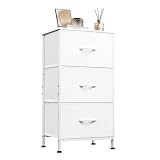
- MULTIFUNCTION CABINET: Match perfectly with other WLIVE storage towers; This chest of drawers is great for closets, bedrooms, nurseries, playrooms, entryways and more
- SUFFICIENT STORAGE SPACE: Drawers are great for organizing your clothes, blankets, scarves, socks and other accessories; Wood top provides hard surface for displaying lamps, clocks, books, glasses etc.
- STURDY STRUCTURE: Strong steel frame and water-resistant wood top offers stable support and ensue years of use; High-quality non-woven fabric drawers is easy to clean
- 3 DRAWER CHEST: Features 3 removable foldable drawers; Easy pull handle helps open and close the drawers simply; 4 adjustable plastic feet protect your floor from scratches
- EASY ASSEMBLY: Easy to assemble with hardware included; This nightstand measures: 15.7" L x 11.8" W x 29.5" H
3. Keep everything clean and dry
Never send wet, mildewed, insect-infested, hazardous, or strongly contaminated fabric to a donation or recycling site. King County identifies those conditions as unacceptable because they can contaminate other material.
Clean does not always mean stain-free. A recycler may accept torn, stained, faded, or worn textiles for wiping rags or fiber recovery, while a school, quilt group, or creative-reuse store may require attractive, usable pieces. Describe the condition accurately and let the recipient decide.
Do not assume that unused fabric should be washed. A recipient may want it unlaundered, and Days for Girls specifically requests new, unlaundered fabric. Wash reclaimed fabric only when the intended recipient allows it, and make sure it is completely dry before packing.
4. Measure and label
For each bundle, note the approximate dimensions, estimated weight or number of bags, fiber content if known, whether it is new or reclaimed, whether it has been washed, and any special features such as stretch, waterproof coating, upholstery backing, flame resistance, or embellishment.
PC Slower Than It Used to Be?
A free scan shows the junk files, broken settings and background clutter dragging Windows down - then fixes them in one click.Free scan · Windows 10 & 11Outdated Drivers Are Slowing You Down
One free scan finds every outdated or missing driver and matches the right update for your exact hardware.Free scan · exact hardware matchUseful labels include:
100% cotton quilting cotton — 3-inch squaresClean cotton flannel — assorted pieces, 6 inches and largerPolyester fleece — clean remnantsMixed-fiber apparel scraps — recycling inquiryBatting and stuffing — no smoke, pets, or fragrance
5. Package according to the recipient’s instructions
- Use sturdy bags or boxes and keep them dry.
- Do not mix reusable yardage with dirty or recycling-only material.
- Keep tiny scraps contained so they do not scatter.
- Do not compress delicate trims or fragile fabric unnecessarily.
- Follow the organization’s limits on bags, weight, appointments, and drop-off times.
Some municipal programs require all textiles to be clean, dry, and bagged. For example, New York City community reuse and recycling events require clean, dry textile items in bags. That does not mean every textile program has the same rules.
6. Confirm before transporting or shipping
Use this checklist when contacting a potential recipient:
- Do you accept loose fabric scraps?
- What is the minimum size?
- Which fibers or materials are excluded?
- Do you accept fabric reclaimed from clothing, curtains, bedding, or upholstery?
- Is an appointment required?
- Is there a quantity or weight limit?
- Do you accept mailed donations?
- Is there a fee?
- Can you issue a receipt?
- What happens to material you cannot use?
Never mail unsolicited fabric. FABSCRAP says fabric shipped without prior consent will be refused and returned. A quick email with photos and measurements can prevent wasted shipping, staff time, and disposal costs.
Which destination fits your material?
| Material condition | Best first option | Main caution |
|---|---|---|
| Clean quilting cotton, fat quarters, or pieces about 12 inches or larger | Quilt guild, fabric reuse store, or creative-reuse center | Some groups want only particular colors, sizes, or 100% cotton. |
| Tiny cotton squares | One Common Thread, a local quilt group, or a creative-reuse center | Follow the recipient’s requested size; do not cut everything into squares automatically. |
| New or like-new 100% cotton quilting fabric | Quilts of Valor or a quilting nonprofit | Ordinary worn, stained, mixed-fiber, and random tiny scraps may not qualify. |
| New, unlaundered cotton or flannel meeting kit specifications | Days for Girls | It does not accept arbitrary old clothing or fabric for kits. |
| Clean production scraps, swatches, headers, or large commercial quantities | Commercial textile recycler or FABSCRAP where available | Geography, fees, pickup eligibility, and sorting rules apply. |
| Clean synthetic or blended remnants | Creative-reuse center or textile recycler | Blends and coatings can limit fiber recovery; ask about the actual end use. |
| Stained or torn clothing and household textiles | Textile-recycling program | Some programs accept only finished clothing or household textiles, not loose scraps. |
| Loose threads, serger trimmings, or tiny cabbage scraps | A specific creative-reuse or recycling program that confirms acceptance | Many organizations reject pieces too small to handle safely or economically. |
| Mildewed, wet, pest-infested, chemically contaminated, or severely odorous fabric | Local waste authority | Do not pass contaminated material to a nonprofit, school, shelter, or recycler. |
| Fabric intended for an animal shelter | A shelter-approved finished bed or textile | Call first; loose scraps can create safety and laundering problems. |
Donation, reuse, or recycling?
Think of the options as a practical hierarchy:
- Direct reuse: Another person can sew, quilt, teach, costume, paint, collage, or make art with the fabric as supplied.
- Organizational reuse: A school, makerspace, shelter program, or nonprofit uses it in a defined activity.
- Downcycling: The material becomes wiping rags, stuffing, insulation, carpet padding, or another lower-grade product.
- Fiber-to-fiber recycling: Fibers are processed into new textile material.
- Disposal: The safest remaining option for material that is wet, moldy, pest-infested, hazardous, or contaminated.
Direct reuse is often the best match for clean, attractive fabric because it avoids unnecessary processing and gives the material its highest-value use. Recycling is appropriate when reuse is not realistic, but the word recycling does not guarantee that scraps will become new fabric or clothing.
The U.S. Government Accountability Office reports that mechanical textile recycling can weaken fibers and commonly produces lower-grade applications such as stuffing or insulation. Blended textiles are particularly difficult to separate, and large-scale chemical textile recycling is not yet widely available. Use precise expectations: material may be reused, downcycled, or processed into fiber depending on the program, composition, condition, and actual processor.
For context, the EPA’s currently available material-specific textile estimates are for 2018, not a current annual total. The EPA estimated that 17 million tons of textiles entered the U.S. municipal solid-waste stream that year, representing 5.8% of total municipal solid-waste generation, and estimated a 13% recycling rate for clothing and footwear. See the EPA textile data page for the date and methodology.
How to find a place near you
Search by material and location rather than searching only for fabric donation. Try:
creative reuse center near mefabric scraps donation [city]textile recycling loose fabric scraps [county]sewing guild [city] fabric donationmakerspace fabric donation [city]school art program fabric scraps [city]county textile recovery [state]
Then check the organization’s own website or call. Useful discovery resources include the Indigo Hippo creative-reuse directory, the Council for Textile Recycling locator, the EPA infrastructure map, and your city or county waste directory.
What’s actually slowing this PC down?
Pick the symptom - the matching free tool is one click away.
Acceptance rules are highly local. Even branches of the same thrift or donation brand may differ, and a directory listing may be outdated. Verify the material list, hours, address, fees, appointment policy, and minimum size before loading the car.
Rank #4

- 𝗠𝗨𝗟𝗧𝗜𝗙𝗨𝗡𝗖𝗧𝗜𝗢𝗡 𝗗𝗥𝗘𝗦𝗦𝗘𝗥: This vertical closet dresser matches perfectly with other WLIVE storage towers; This storage dresser is great for closets, bedrooms, playrooms, entryways and more
- 𝗦𝗨𝗙𝗙𝗜𝗖𝗜𝗘𝗡𝗧 𝗦𝗧𝗢𝗥𝗔𝗚𝗘 𝗦𝗣𝗔𝗖𝗘:WLIVE 4 dresser drawers are great for organizing your clothes, blankets, scarves, socks and other accessories; Wood top provides hard surface for displaying lamps, clocks, books, glasses etc.
- 𝗦𝗧𝗨𝗥𝗗𝗬 𝗦𝗧𝗥𝗨𝗖𝗧𝗨𝗥𝗘:Strong steel frame and water-resistant wood top offer stable support and ensure years of use; High-quality non-woven fabric drawers is easy to clean.
- 𝟰 𝗖𝗹𝗼𝘀𝗲𝘁 𝗗𝗿𝗮𝘄𝗲𝗿𝘀:Features 4 removable foldable drawers; Easy pull handle helps open and close the drawers simply; 4 adjustable plastic feet protect your floor from scratches
- 𝗘𝗔𝗦𝗬 𝗔𝗦𝗦𝗘𝗠𝗕𝗟𝗬:This chest of drawers is easy to assemble with hardware included; Overall dimension: 15.7" L*11.8" W*38.1" H
Common mistakes to avoid
Assuming a thrift store accepts fabric
A thrift store may accept clothing and household textiles while rejecting fabric rolls, loose scraps, upholstery, or craft supplies. Ask the local branch whether fabric is accepted, whether it is sold, and what happens to items that do not sell. Treat thrift stores as a possible local option, not the default answer.
Assuming every textile bin accepts every textile
Some bins are designed for wearable clothing and shoes; others accept household textiles or scraps. The contrast between King County’s hand-sized-scrap policy and Wearable Collections’ rejection of fabric demonstrates the problem. Read the operator’s accepted-material list.
Sending dirty material because a recycler accepts damaged goods
Torn or stained is not necessarily the same as wet, moldy, infested, or contaminated. A processor may accept damaged textiles but still reject material that can contaminate an entire load. When in doubt, describe the condition before delivery.
Cutting every scrap into squares
Only cut fabric when the recipient requests specific dimensions. One Common Thread has size guidance for 3-inch squares, but another group may prefer strips, irregular pieces, or larger remnants. Cutting can make fabric less useful for some recipients.
Sending loose scraps to an animal shelter
Shelters may need towels, blankets, fleece, or finished beds, but loose threads and tiny scraps can be unsafe. Obtain explicit approval and follow the shelter’s laundering and construction requirements.
Putting synthetic scraps outside for birds
Do not use synthetic fibers, long threads, elastic, metallic fibers, or treated fabric as general nesting material. These can create entanglement or ingestion hazards. Use a documented reuse or recycling route instead.
Large sewing-room, business, or estate stashes
Large quantities require more preparation than a normal donation. Separate unused production material from post-consumer textiles, sort by fiber and size, photograph representative bundles, and estimate the number of boxes, bags, or pounds. Contact several possible recipients before promising the entire stash.
The Tool Desk
Outbyte Driver Updater FREEScan for outdated or missing drivers - takes under a minuteDriver Scan →Outbyte PC Repair FREERepair Windows errors before they cause bigger problemsFix Now →For commercial pre-consumer waste, FABSCRAP’s model is useful but geographically limited: its individual drop-off service is at the Brooklyn warehouse, individual drop-offs have a listed 50-pound limit and fee, and its pickup service is for organizations in New York City and Philadelphia. It does not provide a nationwide individual pickup option.
For an estate stash, prioritize local direct reuse because transport can cost more than the material is worth. Offer clearly labeled lots such as cotton quilting fabric, apparel yardage, wool and felt, trims and notions, and recycling-only scraps. A quilt guild, sewing school, creative-reuse center, or local free-sharing group may each take a different category.
Tax receipts and donation costs
A fabric handoff is not automatically tax deductible. For a federal charitable deduction, the recipient generally must be a qualified organization, and the contribution must meet IRS substantiation rules. A donation to an individual through a neighborhood group is generally not a charitable deduction.
The IRS explains charitable-contribution substantiation requirements, while IRS Publication 561 discusses fair-market value. The relevant value is generally the fabric’s reasonable fair-market value at the time of donation, not its original retail price. For used clothing and household goods, the IRS generally requires good used condition or better; unusual or high-value property may require additional documentation.
Quick wins for a faster PC:
Scan for outdated or missing drivers - takes under a minuteDriver Scan →Clear out junk files and repair common Windows errorsFree Scan →Fix the driver behind crashes, sound loss and screen glitchesFind Drivers →Rules differ for contributions below $250, from $250 to $500, above $500, and above $5,000. Keep the date, recipient, description, condition, quantity, and reasonable valuation basis. A recipient’s receipt usually confirms what it received, not the value you assign. Consult the IRS or a tax professional for a substantial stash or unusual material.
A recycling fee is not automatically a donation. FABSCRAP says its service fees are not tax deductible because the donor receives a service; only items accepted free may potentially qualify as an in-kind contribution, subject to the tax rules.
Best Value

- Multifunction Tower: This fabric dresser for bedroom is ideal for wherever you want to keep clutter under control, such as bedrooms, playrooms, entryways; matches perfectly with other WLIVE storage organizers.
- Roomy Storage Space: The 9 foldable deep drawers are so spacious that they provide endless organizational possibilities. Wooden top is great for lamps, clocks, glasses and other daily essentials, keeping them in your reach.
- Sturdy and Durable: Strong steel frame and water-resistant wood top offer stable support and ensure years of use; 4 adjustable plastic feet can protect your floor from scratches and are also designed for uneven ground.
- Safe for Your Family: Feel free to place chest of drawers anywhere; the non-woven fabric is breathable and harmless, suitable for teens and adults.
- Overall Dimension: The fabric dresser measures 39.6" L x 11.8" W x 39.5" H. The storage tower comes with instructions and all hardware needed for installation, easy to assemble.
A simple message to send before donating
When policies are unclear, send a message like this:
Hello, I have approximately [number] bags or boxes of clean, dry fabric scraps. They are mostly [fiber], with pieces ranging from [smallest size] to [largest size]. The material is [new/unused/reclaimed], and it includes [yardage, quilt cotton, fleece, batting, trims, or other items]. There are no pins, needles, mildew, pests, or strong odors. Do you accept this material? If so, what should I sort, cut, label, or remove, and do you require an appointment or charge a fee?
Free tools Windows power users keep installed
One-click scans. No signup required.
This gives the recipient enough information to say yes, no, or redirect you to a more suitable program.
Frequently Asked Questions
Can I donate fabric scraps to Goodwill?
Possibly, but it depends on the local store or affiliate. Clothing and household-textile policies do not guarantee acceptance of loose fabric, rolls, upholstery, or craft scraps. Call the specific location and ask whether it accepts fabric scraps and what happens to them if they are not sold.
Can I put fabric scraps in a textile-recycling bin?
Only if the operator specifically lists loose fabric scraps. Rules vary: King County, Washington, accepts hand-sized scraps, while Wearable Collections in New York City rejects fabric and scraps. Confirm the minimum size, fiber restrictions, bagging rules, and end use first.
What can I do with scraps smaller than 3 inches?
Ask a creative-reuse center, textile artist, quilting group, or processor that specifically handles tiny scraps. Some may use them for collage, stuffing, or small patchwork; many reject pieces that are too small to sort or handle. Do not cut larger scraps into 3-inch squares unless the recipient requests that size.
Do animal shelters accept fabric scraps?
Some shelters accept fleece, towels, blankets, sheets, or finished washable beds, but loose scraps are not universally accepted and may be unsafe. Call first and ask specifically about scraps. Never include pins, needles, strings, buttons, stuffing, or tiny pieces without explicit approval.
Can I donate synthetic or blended fabric?
Yes, a creative-reuse center may find an artistic, costume, or craft use for it, and some textile recyclers may accept it. Blends, coatings, and finishes can make fiber recovery difficult, so ask what the recipient actually accepts and whether the material will be reused or downcycled.
Can I donate fabric with stains or holes?
Sometimes. A textile recycler may accept damaged material for rags or fiber recovery, while a quilt guild, school, or reuse store may require clean, attractive, usable pieces. Never donate fabric that is wet, moldy, pest-infested, strongly odorous, or chemically contaminated.
Should I wash unused fabric before donating it?
Not automatically. Some recipients want clean unused fabric as-is, and Days for Girls requests new, unlaundered material meeting its specifications. For reclaimed fabric, wash it only if the recipient allows it and dry it completely before packing.
Windows Errors? Fix Them Before They Spread
Repair common Windows errors and clear accumulated junk for a smoother, more stable PC - no reinstall needed.Free scan · no reinstallCrashes, No Sound, or Screen Glitches?
Random freezes, missing sound and display glitches usually trace back to one bad driver. Find and replace yours safely.Free scan · under a minuteCan I mail fabric scraps to a nonprofit?
Only after receiving confirmation. Ask for the current shipping address, accepted materials, packaging instructions, and any fee. Do not send an unsolicited box; some organizations lack the capacity to process it, and FABSCRAP says unapproved shipments are refused and returned.
Are fabric donations tax deductible?
They may qualify if given to a qualified charitable organization and properly documented, but a donation to an individual or neighborhood sharing group generally is not a federal charitable contribution. The donor generally determines fair-market value, not the receipt issuer. Consult IRS guidance or a tax professional for significant donations.
What happens to fabric at a textile recycler?
Depending on the material and processor, it may be sorted for direct reuse, wiping rags, stuffing, insulation, carpet padding, or fiber recovery. Recycling does not necessarily mean it becomes new fabric. Blends and contaminated materials are particularly difficult to process.
How should I donate a large business or estate fabric stash?
Sort it by fiber, size, condition, and intended use; photograph representative bundles; estimate the number of boxes or pounds; and contact recipients before delivery. Separate reusable yardage, notions, and tiny scraps. Large commercial quantities may fit a pre-consumer textile recycler, while an estate stash may be better divided among local reuse groups.
The Bottom Line
The best destination for clean, usable fabric scraps is usually the nearest organization that already serves sewists, artists, teachers, or makers. Sort the material, remove hazards, label its contents, and confirm the recipient’s minimum sizes and exclusions before delivering it. Use textile recycling for clean material that direct-reuse programs cannot use, and dispose of wet, moldy, infested, or hazardous fabric through local waste-authority guidance rather than turning it into someone else’s problem.
Quick Recap

Product prices and availability are accurate as of the date/time indicated and are subject to change. Any price and availability information displayed on Amazon at the time of purchase will apply.




