Crashes, No Sound, or Screen Glitches?
What’s actually slowing this PC down?
Pick the symptom - the matching free tool is one click away.
Outbyte Driver Updater · freeRandom freezes, missing sound and display glitches usually trace back to one bad driver. Find and replace yours safely.
Find the Right Drivers →ThatPainter is reader-supported. When you buy through links on our site, we may earn an affiliate commission. Learn More
Yes—if you are taking a short break during an active painting job. Remove excess paint from the roller, wrap the cover tightly in plastic wrap or place it in an airtight plastic bag, and seal around the handle so air cannot dry the coating. Sherwin-Williams recommends this for a break of no more than 24 hours; Dulux allows up to two days, and Decotric says an airtight bag can keep a loaded roller usable for a few days.
Do not leave the roller exposed in a tray or open paint can. If the project is finished, clean the roller instead of storing it loaded. Refrigerating a wrapped roller is another option when you plan to resume within a few days, but the cover should return to room temperature before painting.
As an Amazon Associate I earn from qualifying purchases.
How long can you leave a paint roller in paint?
The safe window depends on how well the roller is sealed and how soon you will resume. These are manufacturer recommendations for an active project, not guarantees that every paint and room condition will behave identically.
| Planned reuse | Recommended storage | Published guidance |
|---|---|---|
| Later the same day or overnight | Remove excess paint, then seal the roller airtight at room temperature. | Sherwin-Williams recommends a break of no longer than 24 hours. |
| Up to about two days | Keep the paint-loaded cover in a tightly closed plastic bag or wrap. | Dulux says a bag sealed against air can hold the roller for up to two days. |
| A few days | Use an airtight bag at room temperature, or wrap and refrigerate the roller. | Decotric describes a few days in an airtight bag; Benjamin Moore recommends wrapped refrigeration for reuse within a few days. |
| After the painting session is over | Scrape off paint, clean the cover with the method required by the paint, and dry it completely. | Cleaning is the appropriate choice for long-term storage. |
The practical limit is set by air exposure, not by the word “overnight.” A roller left open can form a skin or dry through the nap while a tightly sealed roller remains coated and ready for the next session. If you cannot say when you will paint again, treat the project as finished and wash the roller.
Popular on Amazon

- Fits Standard Rollers
- Tight to lock in moisture
- No Need to remove sleeve
- WORKS IN A SNAP! Roll off excess paint, Snap tightly closed, Keep level on protected surface to prevent spills
- 3 Roller covers included.
What should you do before wrapping a paint roller?
Wrapping works best when the cover is still wet but not dripping. The goal is to preserve the paint already on the roller while preventing mess and evaporation.
1. Remove excess paint
Hold the roller over the tray and roll or scrape off surplus paint. Do not try to wash the cover at this stage; simply return usable paint to the tray or can according to your normal painting practice. Less liquid on the sleeve means fewer leaks inside the bag and less paint forced out around the handle.
The Tool Desk
Outbyte Driver Updater FREEScan for outdated or missing drivers - takes under a minuteDriver Scan →Outbyte PC Repair FREERepair Windows errors before they cause bigger problemsFix Now →2. Choose a genuinely airtight barrier
Use plastic wrap pressed closely around the entire roller, or slide the roller into a plastic bag that can be closed tightly. A loose grocery bag with an open mouth is not equivalent to an airtight seal. Air must be blocked around the roller and at the opening.
3. Seal around the handle
Wrap far enough past the ends of the cover to close gaps, then tape or otherwise secure the film or bag around the handle. Check both ends of the sleeve; a small opening can allow air to reach the paint even when most of the roller is covered.
Also popular on Amazon
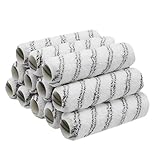
- Efficient Performance: 3/8-inch nap holds an ample amount of paint for time-saving convenience and fast, even paint application
- Shed Resistant: designed to not leave small pieces behind, helping to ensure a clean, professional-looking finish
- Versatile: for use with all paints and stains; suitable for interior and exterior projects, including walls, ceilings, house siding, and more; works best on smooth and semi-smooth surfaces
- Washable and Reusable: durable, long-lasting paint roller covers can be easily cleaned and re-used, again and again
- NOTE: Soak roller cover in water for 2 minutes to remove any loose fibers; spin out excess water prior to use
4. Keep the wrapped roller supported
Set the sealed roller where it will not be crushed, roll onto a wet surface, or drip onto finished floors and furniture. The storage position does not replace the seal: a roller should never be left exposed in a tray or open can simply because it is resting securely.
Should you wrap the roller or put it in the refrigerator?
For an overnight pause, airtight wrapping at room temperature is usually the simplest option. Refrigeration is an optional extension when you expect to resume within a few days.
Outdated Drivers Are Slowing You Down
One free scan finds every outdated or missing driver and matches the right update for your exact hardware.Free scan · exact hardware matchPC Slower Than It Used to Be?
A free scan shows the junk files, broken settings and background clutter dragging Windows down - then fixes them in one click.Free scan · Windows 10 & 11| Method | Best use | Important handling point |
|---|---|---|
| Plastic wrap or airtight bag at room temperature | Same-day, overnight, or the short windows described by the paint manufacturer. | Remove excess paint and seal every opening, including around the handle. |
| Wrapped and refrigerated | Reuse within a few days when you want to slow drying. | Benjamin Moore says to let the wrapped cover warm to room temperature before using it again. |
| Uncovered in a tray or can | Not recommended for storage. | Air exposure allows the coating to dry and can create drips and a skin on the roller. |
Benjamin Moore’s instruction is to “simply wrap your roller in plastic wrap and put it in the refrigerator.” The refrigerator is not a substitute for wrapping: the cover still needs to be isolated from air and from contact with food or other household items. When you take it out, allow the wrapped roller to warm before opening and returning it to the wall.
Do not use refrigeration as a way to postpone cleaning indefinitely. Once the active job is over, clean the roller and dry it for storage.
Also popular on Amazon
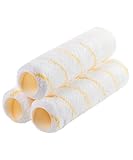
- Bates paint roller covers come in a convenient pack of 3, perfect for small to medium painting projects.
- Made with premium microfiber material, these roller covers ensure a smooth, even finish with minimal shedding.
- Each roller is 9 inches in length, making them ideal for covering large surfaces efficiently and evenly.
- These roller covers are compatible with most standard 9-inch paint roller frames and work with all types of paints and finishes.
- Designed for professional painters and DIYers alike, they provide excellent coverage with reduced splatter, making them suitable for walls, ceilings, and other surfaces.
How do you keep a paint roller from drying out overnight?
- Stop painting and scrape off the excess. Work over the tray so paint does not fall on the floor.
- Wrap the full cover. Press plastic wrap against the roller, or place it in a bag large enough that the nap is not rubbing against an exposed opening.
- Close the ends. Tape or twist the plastic around the handle and check for visible gaps.
- Store it away from heat and air movement. Keep the sealed roller out of direct sun, drafts, and places where it can be crushed.
- Open it only when you are ready to resume. Remove the plastic immediately before loading the roller again. If the coating has dried, become hard, or picked up debris, do not assume another dip in paint will fix it.
Dulux describes the same basic approach: put the roller in a plastic bag and tape the opening so air cannot reach it. Sherwin-Williams gives comparable overnight advice for brushes and rollers, using plastic wrap or a sealed plastic bag.
Do you need to wash a roller between coats?
Not when you are taking a short, planned break and will continue with the same paint. Seal the loaded roller instead of washing it, then resume within the applicable time window. Washing between every coat wastes paint and time and can leave the cover wet when you need a consistent application.
Quick wins for a faster PC:
Repair Windows errors before they cause bigger problemsFix Now →Fix the driver behind crashes, sound loss and screen glitchesFind Drivers →Wash the roller when the painting session is actually finished, when the next use is outside the short storage window, or when you are changing to a paint that requires a different cleanup method. A roller that will sit for an uncertain period should be treated as a cleanup job rather than an overnight pause.
How should you clean a roller after the project?
Always remove as much paint as possible before introducing water or solvent. Scraping reduces the amount of contaminated liquid you must handle and keeps reusable paint out of the drain.
Also popular on Amazon

- Our no-shed microfiber roller covers ensure a perfect paint or stain finish for stunning results.
- The 1/2" nap provides full, even coverage on smooth and semi-smooth surfaces like drywall.
- These paint roller covers are extra durable, washable & easy to clean, and made for repeated use.
- Our roller covers are perfect for painting walls, ceilings, and the whole house, inside and out.
- Pack includes 5 each 9" L x 1/2" nap roller covers that fit standard 9" long roller frames.
Water-based paint
- Scrape or roll excess paint back into the tray or designated container.
- Use warm water and a mild detergent to clean the cover, following any additional directions on the paint label.
- Rinse and work the cleaner through the nap until paint residue has been removed.
- Keep the contaminated water out of household drains. Follow local rules for collecting and disposing of paint-contaminated rinse water.
Oil-based or solvent-based paint
- Remove as much paint as possible mechanically before using cleaner.
- Use the thinner or cleaning product specified on the paint label. The correct solvent depends on the coating; do not substitute an unlisted household chemical.
- Collect used thinner and contaminated liquid rather than pouring it into a sink, floor drain, storm drain, or toilet.
- Follow local hazardous-waste or paint-disposal requirements for the collected material.
Never combine the water-based and solvent-based cleanup methods simply because a roller looks clean on the surface. Paint chemistry determines the appropriate cleaner, and the label is the controlling instruction for the product in your hand.
How should a cleaned roller be stored?
Let the cover dry completely before putting it away. Benjamin Moore notes that storing a roller while it is still wet can damage it. Hang or place the clean cover so air can reach it on all sides, then store it only after the nap and core are dry.
A clean, properly stored cover can be reused several times. Keep it away from paint debris, dust, and anything that could flatten or contaminate the fibers. If the cover has dried paint embedded in the nap, has begun shedding fibers, or is significantly worn, replacement is more reliable than trying to rescue it for a smooth finish.
Independent reader supportYour contribution helps us test, update, and keep practical guides available for everyone.What if the paint roller dried out?
A waterborne roller cover that has dried with paint may need to be discarded. Dried material can leave hard particles in the nap and interfere with an even coat. Do not put a visibly crusted cover back into fresh paint and expect soaking to restore its original condition.
Also popular on Amazon
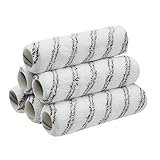
- Efficient Performance: 3/8-inch nap holds an ample amount of paint for time-saving convenience and fast, even paint application
- Shed Resistant: designed to not leave small pieces behind, helping to ensure a clean, professional-looking finish
- Versatile: for use with all paints and stains; suitable for interior and exterior projects, including walls, ceilings, house siding, and more; works best on smooth and semi-smooth surfaces
- Washable and Reusable: durable, long-lasting paint roller covers can be easily cleaned and re-used, again and again
- NOTE: Soak roller cover in water for 2 minutes to remove any loose fibers; spin out excess water prior to use
Replace a cover when it is significantly worn, sheds fibers, or contains paint debris. Those defects are separate from ordinary wet storage: a roller can remain wet yet still be unsuitable if its fibers or nap are damaged.
What are the most common overnight-storage mistakes?
- Leaving the roller in an open tray: the exposed nap can dry while the tray also collects dust and creates a spill risk. Seal the roller instead.
- Wrapping a dripping roller: excess paint can leak from the plastic and make the cover difficult to handle. Scrape first.
- Closing only the middle of the sleeve: air can still enter through either end. Seal around the handle and cover both ends.
- Assuming “overnight” is unlimited: manufacturer windows range from 24 hours to a few days. If your return time is uncertain, clean the roller.
- Putting a cold cover straight onto the wall: when using refrigeration, let the wrapped roller warm to room temperature before opening and painting.
- Pouring cleanup liquids down a drain: paint-contaminated water and solvent must be handled according to local disposal rules.
- Storing a cleaned cover wet: dry it fully first; moisture can damage the cover.
Which storage choice fits your situation?
| Your situation | Action |
|---|---|
| You will resume later today or tomorrow. | Remove excess paint, seal the roller airtight, and keep it at room temperature. |
| You expect to resume within a few days. | Use a tightly sealed bag; wrapped refrigeration is an additional option. Warm the roller before use. |
| You do not know when you will paint again. | Do not leave the roller loaded. Scrape off paint and clean it using the method required by the coating. |
| The cover is dry, shedding, worn, or full of debris. | Replace it rather than returning it to fresh paint. |
The decision is therefore about timing and tool condition, not just convenience. A sealed, still-wet cover is a short-break solution; a clean, fully dry cover is the long-term-storage solution.
What is the bottom line?
You can leave a paint roller in paint overnight when the job is still in progress, provided you remove excess paint and seal the roller tightly against air. Use an airtight bag or plastic wrap for the short term, consider wrapped refrigeration only when reuse is within a few days, and clean the roller as soon as the project ends. Dry cleaned covers completely, keep all contaminated liquids out of household drains, and replace covers that have dried paint, heavy wear, shedding fibers, or debris.
Frequently Asked Questions
Can I leave a roller wrapped for longer than the manufacturer’s window?
There is no dependable universal extension. Sherwin-Williams, Dulux, and Decotric publish different maximum periods, so a longer delay should be treated as a reason to clean the cover rather than as a safe continuation of overnight storage.
What should I check when I unwrap the roller?
Look for a hard or crusted surface, dried paint particles, unusual debris, or fibers coming loose. If any of those conditions are present, replace the cover instead of trying to hide the defect under a new layer of paint.
Is a sealed plastic bag enough if the roller is still dripping?
The bag may contain the mess, but it does not solve the handling problem. Remove surplus paint first so the seal is less likely to leak and the roller is easier to return to the wall.
What’s actually slowing this PC down?
Pick the symptom - the matching free tool is one click away.
Where should paint-contaminated rinse water or used thinner go?
Do not pour either into a household drain. Collect the liquid and use the disposal route required by your local authority or the paint and solvent labels.
Quick Recap


