What’s actually slowing this PC down?
Pick the symptom - the matching free tool is one click away.
ThatPainter is reader-supported. When you buy through links on our site, we may earn an affiliate commission. Learn More
As an Amazon Associate I earn from qualifying purchases.
Choose chalk paint when you want the least preparation, a soft matte finish or deliberate brush texture and distressing. Choose a furniture-grade latex or acrylic enamel when the piece must have a smoother, more washable and scuff-resistant surface. Neither product is automatically “better.” The result depends on the furniture’s existing coating, how much wear it will receive and whether you include the required preparation and protective finish. Chalk paint is usually a low-prep decorative system, but it still needs wax or lacquer. Latex or acrylic furniture paint generally requires degreasing, sanding and primer, then rewards that work with harder wear and easier cleaning. This guide explains how to choose, prepare and finish secondhand wood, laminate, metal and previously painted furniture without confusing dry time with full cure.
Quick wins for a faster PC:
Fix the driver behind crashes, sound loss and screen glitchesFind Drivers →Clear out junk files and repair common Windows errorsFree Scan →What is the difference between chalk paint and latex paint?
“Chalk paint” can mean two related but different products. Home Depot uses chalked paint for a matte-finish latex blend containing a fine powder that creates a chalky appearance; it is not chalkboard paint. Annie Sloan’s branded Chalk Paint™ is a water-based decorative coating developed specifically for furniture. “Latex paint” is a broad category of water-based paint, so a furniture or cabinet enamel is a more meaningful comparison than ordinary flat wall paint.
Popular on Amazon

- COLORS BY ANNIE SLOAN: Soft, gentle Paris Grey is inspired by the painted furniture found in elegant French châteaux or old Swedish manor houses. It’s made from a mix of blue and orange, so it works naturally well with these complimentary colors. Use it over Primer Red or Cream, or with Old White or Original.
- LOVED BY DIYers: Annie Sloan Chalk Paint is a unique decorative paint for furniture, cabinets, home décor and paint effects invented in 1990. It is the original and favorite furniture paint loved by thousands of professionals around the world.
- GREAT COVERAGE: This water based high performance Annie Sloan Chalk Paint is 1 litre or 1.06 quarts. It covers approximately 140 square feet.
- EASY TO USE: Make sure the surface is clean and dry. Remove loose coats of old paint or lacquer first. Prior to opening the can, ensure you shake it thoroughly. Then open and stir well. If the paint is too thick, add a little water and stir. Always paint a test patch before starting your project. Apply with an Annie Sloan brush. Paint one or two coats. Drying time is approximately 30 minutes, depending on conditions.
- SEALING: Chalk Paint should be sealed with Chalk Paint Wax or Chalk Paint Lacquer to protect and finish. Apply wax using a lint-free cloth or Wax Brush. Work the wax into the Chalk Paint and wipe away the excess before leaving to dry. Lacquer can be applied with a brush or roller.
| Decision factor | Chalk paint | Furniture-grade latex or acrylic enamel |
|---|---|---|
| Typical preparation | Usually clean and apply; sanding or priming is often unnecessary, but stains, grease and weak coatings still need attention. | Degrease, rinse, dry, scuff-sand glossy surfaces and prime bare, laminate or stain-prone areas. |
| Appearance | Flat, powdery, low-sheen surface that can retain brush texture and accept distressing. | Smoother leveling with selectable matte, satin or semi-gloss sheen. |
| Protection | Requires a compatible wax or lacquer after the paint dries. | Many furniture enamels are intended as a complete finish; follow the label before adding a clear coat. |
| Cleaning and wear | Protected chalk paint can perform well, but the low-sheen surface is less forgiving of abrasion and harsh cleaning. | Higher-sheen enamels are generally easier to wipe and are formulated for stains, scuffs, scratches or moisture, depending on the product. |
| Best reason to choose it | Fast visual transformation, ornate details, vintage or distressed style. | Frequently used furniture, smooth contemporary appearance, laminate or hard-wearing surfaces. |
There is no independent head-to-head laboratory ranking that makes one generic category universally more durable. Product formulation, substrate, preparation, coat thickness, climate and the protective system determine the outcome.
Is chalk paint better than latex paint for furniture?
Chalk paint is better for a low-preparation makeover and a deliberately matte, textured or distressed look. Furniture-grade latex or acrylic enamel is better when smooth leveling, wipeability and resistance to everyday scuffs matter more than skipping sanding and primer.
Choose chalk paint when
- You are repainting an ornate or previously painted piece with a sound existing coating.
- You want a flat, powdery appearance, visible brush character or controlled distressing.
- You need to avoid extensive sanding, provided the surface is clean and a hidden-area test adheres well.
- The furniture will receive a compatible wax or lacquer and can be treated gently while that finish cures.
Choose furniture enamel when
- The piece is a table, desk, cabinet, dining chair or other high-contact item.
- You want a smooth modern finish in matte, satin or semi-gloss rather than a chalky surface.
- The substrate is laminate, glossy varnish, bare wood or a stained surface where adhesion and stain blocking are critical.
- You prefer a finish designed to be wiped regularly and to resist moisture, stains, scuffs or scratches.
Ordinary flat wall latex is a poor shortcut for heavily used furniture: it may cover, but it is not necessarily formulated for blocking, leveling or repeated abrasion. Select a product labelled for furniture, cabinets, trim or enamel, and follow that product’s preparation and recoat instructions.
Free tools Windows power users keep installed
One-click scans. No signup required.
Do I need to sand or prime secondhand furniture?
With chalk paint, often not; with latex or acrylic enamel, preparation is normally part of the system. In either case, remove contamination and repair unstable surfaces first. “No sanding” never means “paint over grease, loose varnish or peeling layers.”
When chalk paint can skip sanding and primer
Annie Sloan says Chalk Paint™ usually needs one or two coats and rarely needs sanding or priming. Home Depot likewise describes chalked paint as suitable without sanding or priming on appropriate wood, metal, glass, ceramic and laminate. Clean off grease, waxy residue, dust and loose paint, let the piece dry completely, then patch-test an inconspicuous area. If the test scratches off easily, feels contaminated or reveals bleeding, stop and prepare that area rather than trusting the general rule.
When chalk paint still needs extra preparation
- Grease or furniture polish: Degrease, rinse away cleaner residue and dry. A paint film cannot bond reliably to residue.
- Glossy contamination: Old silicone polish, heavy varnish or unknown coatings may require abrasion or a suitable primer.
- Tannin or dye bleed: Stained woods and some old finishes can discolor a light topcoat; use a compatible stain-blocking primer on affected areas.
- Loose or failing paint: Scrape and stabilize it. New paint cannot make a weak underlying layer sound.
- Repairs: Fill dents, open joints and damaged veneer, then sand repairs smooth enough that the finish will not telegraph them.
Why latex and acrylic enamel usually need sanding and primer
Benjamin Moore’s furniture workflow calls for degreasing, rinsing, drying, sanding with 100–150-grit paper to create a key, repairing defects and applying an acrylic primer before the finish coat. Sherwin-Williams similarly advises washing and sanding glossy surfaces for latex adhesion and allows an adhesion primer after cleaning. Primer improves bonding and provides a more uniform base on bare or difficult material; it is especially valuable over laminate, glossy varnish, old stain and repairs.
Also popular on Amazon

- COLORS BY ANNIE SLOAN: Old Ochre is the faded darkened cream Chalk Paint color seen on old French painted furniture, woodwork and door exteriors. Apply Dark Chalk Paint Wax to make the color more intense and evocative of Paris, or keep it clean as a neutral foil to other colors.
- LOVED BY DIYers: Annie Sloan Chalk Paint is a unique decorative paint for furniture, cabinets, home décor and paint effects invented in 1990. It is the original and favorite furniture paint loved by thousands of professionals around the world.
- GREAT COVERAGE: This water based high performance Annie Sloan Chalk Paint is 1 litre or 1.06 quarts. It covers approximately 140 square feet.
- EASY TO USE: Make sure the surface is clean and dry. Remove loose coats of old paint or lacquer first. Prior to opening the can, ensure you shake it thoroughly. Then open and stir well. If the paint is too thick, add a little water and stir. Always paint a test patch before starting your project. Apply with an Annie Sloan brush. Paint one or two coats. Drying time is approximately 30 minutes, depending on conditions.
- SEALING: Chalk Paint should be sealed with Chalk Paint Wax or Chalk Paint Lacquer to protect and finish. Apply wax using a lint-free cloth or Wax Brush. Work the wax into the Chalk Paint and wipe away the excess before leaving to dry. Lacquer can be applied with a brush or roller.
Can I use latex paint on laminate furniture?
Yes, but treat laminate as a difficult, non-porous substrate rather than as raw wood. Sherwin-Williams recommends cleaning, low-grit sanding, a high-quality bonding primer and two paint coats after the stated dry time; it identifies latex paint as a durable, smooth-finish choice for laminate furniture.
PC Slower Than It Used to Be?
A free scan shows the junk files, broken settings and background clutter dragging Windows down - then fixes them in one click.Free scan · Windows 10 & 11Crashes, No Sound, or Screen Glitches?
Random freezes, missing sound and display glitches usually trace back to one bad driver. Find and replace yours safely.Free scan · under a minute- Remove handles, hinges and other hardware so edges can be coated continuously.
- Wash with a grease-removing cleaner, rinse thoroughly and allow every surface to dry.
- Scuff the sheen with approximately 100–150-grit paper or the grit specified by the primer. Remove sanding dust.
- Apply a bonding primer compatible with laminate. Cover edges and exposed substrate, and respect its recoat time.
- Apply two thin coats of furniture latex or acrylic enamel. Thin coats reduce runs and improve leveling; do not recoat merely because the surface feels dry unless the label permits it.
- Let the complete system cure before reinstalling hardware or placing heavy objects. A clear coat is optional only when the paint manufacturer says it is compatible.
Chalk paint may adhere to suitable laminate with less preparation, but the hidden-area test is essential. If the laminate is peeling, swollen or delaminating, repair or replace the damaged surface first; paint is not a structural fix.
How should I prepare and paint a secondhand piece with chalk paint?
A low-prep chalk-paint project is straightforward, but the protective step is mandatory for furniture that will be handled or cleaned.
- Inspect and disassemble. Remove hardware, drawers and loose components. Identify peeling coatings, water damage, oily residue and repairs before opening the paint.
- Clean selectively but thoroughly. Degrease dirty or waxed areas, rinse away cleaner residue and let the piece dry completely. Do not trap moisture beneath the coating.
- Patch-test. Stir the paint and apply it to a hidden area. Check adhesion after it dries; increase preparation if the film lifts or scratches away.
- Apply one or two coats. Use a quality brush for texture and carved details, or a suitable roller when you want less visible brushwork. Allow each coat to dry according to the product label.
- Add protection. After the paint is fully dry, apply Chalk Paint™ Wax or Chalk Paint™ Lacquer as directed. Annie Sloan’s guidance is to always finish Chalk Paint™ with one of these protective products.
- Cure before hard use. Refit hardware carefully, use coasters and avoid abrasion while the protective layer hardens.
Chalk paint’s forgiving application makes it useful on turned legs, moldings and mixed-material pieces, but its forgiving nature does not cancel the need to remove contamination or stabilize a failing old finish.
How should I prepare and paint with latex or acrylic furniture enamel?
Use a disciplined surface-preparation sequence, then build the finish with thin coats. The exact primer, recoat interval and allowable topcoat come from the product label.
- Remove hardware and clean. Degrease every face, edge and underside that will be handled. Rinse and dry rather than leaving cleaner residue.
- Scuff glossy surfaces. Sand with about 100–150-grit paper, concentrating on shiny varnish, laminate and hard enamel. Feather damaged edges and remove dust.
- Repair defects. Fill dents, tighten loose joints and smooth repairs. Allow filler to dry and sand it level.
- Prime strategically. Use a compatible acrylic, bonding or stain-blocking primer over bare wood, laminate, glossy varnish, repairs and areas likely to bleed. Apply enough for an even base without flooding details.
- Apply the finish. Put on two thin coats of furniture paint, respecting the label’s stated dry and recoat times. Lightly de-nib only if the system permits it and dust is controlled.
- Select sheen for the room. Matte hides surface imperfections; satin offers a practical balance of reflection and wipeability; semi-gloss is easier to clean but highlights surface defects.
- Decide on clear protection. Add a compatible clear coat only when the paint maker approves it. An incompatible finish can change sheen, soften the film or cause adhesion problems.
Lowe’s advises planning for at least two coats on busy furniture even when the first coat appears opaque. Coverage and drying vary with temperature, humidity, substrate and film thickness, so the label—not a generic internet timetable—controls your schedule.
Also popular on Amazon

- COLORS BY ANNIE SLOAN: Country Grey is a perfect cool soft neutral. Made with raw umber pigment, it is the classic choice for so much painted furniture. It is also a great foil for other colors.
- LOVED BY DIYers: Annie Sloan Chalk Paint is a unique decorative paint for furniture, cabinets, home décor and paint effects invented in 1990. It is the original and favorite furniture paint loved by thousands of professionals around the world.
- GREAT COVERAGE: This water based high performance Annie Sloan Chalk Paint is 1 litre or 1.06 quarts. It covers approximately 140 square feet.
- EASY TO USE: Make sure the surface is clean and dry. Remove loose coats of old paint or lacquer first. Prior to opening the can, ensure you shake it thoroughly. Then open and stir well. If the paint is too thick, add a little water and stir. Always paint a test patch before starting your project. Apply with an Annie Sloan brush. Paint one or two coats. Drying time is approximately 30 minutes, depending on conditions.
- SEALING: Chalk Paint should be sealed with Chalk Paint Wax or Chalk Paint Lacquer to protect and finish. Apply wax using a lint-free cloth or Wax Brush. Work the wax into the Chalk Paint and wipe away the excess before leaving to dry. Lacquer can be applied with a brush or roller.
Which finish is easier to clean and more durable?
Furniture-grade acrylic or urethane enamel generally offers the easier-cleaning, harder-wearing surface, especially in satin or semi-gloss. Chalk paint can be durable after waxing or lacquering, but its matte surface and protective layer benefit from gentler cleaning and a full cure.
What chalk paint protection does
Wax seals the porous decorative coating and produces a hand-rubbed finish; lacquer forms a more resistant film. Annie Sloan reports wax curing in 5–21 days, while Home Depot says some wax systems can take up to 30 days to fully cure. These figures are product-specific ranges, not a universal promise. Treat a newly waxed piece gently, avoid standing water and do not judge final resistance from a dry-to-touch surface.
For outdoor horizontal surfaces or higher wear, Annie Sloan recommends lacquer and describes it as water-resistant with UV protection for outdoor use. Confirm that the exact lacquer and painted substrate are approved for the intended exposure; outdoor conditions are more demanding than indoor occasional use.
Quick wins for a faster PC:
Scan for outdated or missing drivers - takes under a minuteDriver Scan →Repair Windows errors before they cause bigger problemsFix Now →Fix the driver behind crashes, sound loss and screen glitchesFind Drivers →What furniture enamel protection does
Furniture-grade acrylic and urethane enamels are formulated for harder wear than ordinary wall paint. HGTV Home by Sherwin-Williams describes its cabinet-and-furniture enamel as resisting stains, scuffs, scratches and moisture, with matte, satin and semi-gloss options. That is a product-family claim, not a guarantee for every enamel. Proper preparation, complete drying and the manufacturer’s cure guidance still determine when the surface can tolerate normal use.
How to clean either finish
- Use a soft cloth and a mild, diluted cleaner approved for the cured finish.
- Wipe spills rather than letting water sit on edges, joints or veneer seams.
- Avoid abrasive pads, strong solvents and aggressive scrubbing unless the label explicitly permits them.
- Test any cleaner on a hidden area, particularly on wax, dark colors and distressed edges.
What finish should I choose for each type of secondhand furniture?
| Furniture situation | Practical choice | Reason and caution |
|---|---|---|
| Decorative side table with sound old paint | Chalk paint plus wax | Minimal preparation and matte character suit light-to-moderate use; protect the top and allow full cure. |
| Dining table or desk | Furniture enamel, usually satin | Regular wiping and abrasion favor a smoother, more washable film; preparation is more extensive. |
| Laminate cabinet or bookcase | Bonding primer plus acrylic/latex enamel | Scuffing and primer address the slick substrate. Chalk paint is possible only after a successful adhesion test. |
| Ornate dresser with carved details | Chalk paint | Brush application reaches details and supports intentional texture; clean crevices carefully. |
| Piece with unknown stain or strong wood color | Either system with spot or full stain-blocking primer where needed | Bleed-through can appear after painting; do not assume a topcoat will hide it. |
| Outdoor horizontal furniture | Exterior-rated system or suitable lacquer, only when label-approved | Indoor decorative paint is not automatically weatherproof; UV, water and movement increase failure risk. |
How much does each option really cost?
The paint tin is only one line in the budget. Chalk paint may avoid primer and extensive sanding, but add wax or lacquer, a suitable brush and cleaner. Latex or acrylic enamel may cost less per litre yet require degreaser, 100–150-grit sandpaper, bonding or stain-blocking primer and potentially additional applicators.
- Chalk system: paint, degreaser when needed, repair filler, brush or roller, and compatible wax or lacquer.
- Enamel system: paint, degreaser, sandpaper, repair filler, compatible primer, brush or mohair roller, and any approved clear coat.
- Hidden cost: time for drying and curing. A project that must be used tomorrow may not suit a newly waxed chalk finish, even if the paint itself dried quickly.
Compare complete systems for the same furniture and wear level rather than comparing container prices alone. Coverage also varies: Annie Sloan reports approximately 13.9 square metres per litre for its Chalk Paint™ product information, but actual coverage changes with color, surface porosity, coat thickness and application method.
Also popular on Amazon
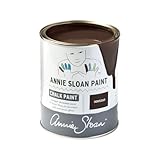
- COLORS BY ANNIE SLOAN: Named after the harbor town in Normandy, Honfleur is a Chalk Paint color inspired by the rich warm brown found in the rustic French countryside as well as in Mid-century Modern design. This dark brown works well with bright colors such as Scandinavian Pink and Antibes Green. It can also look elegant and classical when paired with pastels like Duck Egg Blue or Antoinette.
- LOVED BY DIYers: Annie Sloan Chalk Paint is a unique decorative paint for furniture, cabinets, home décor and paint effects invented in 1990. It is the original and favorite furniture paint loved by thousands of professionals around the world.
- GREAT COVERAGE: This water based high performance Annie Sloan Chalk Paint is 1 litre or 1.06 quarts. It covers approximately 140 square feet.
- EASY TO USE: Make sure the surface is clean and dry. Remove loose coats of old paint or lacquer first. Prior to opening the can, ensure you shake it thoroughly. Then open and stir well. If the paint is too thick, add a little water and stir. Always paint a test patch before starting your project. Apply with an Annie Sloan brush. Paint one or two coats. Drying time is approximately 30 minutes, depending on conditions.
- SEALING: Chalk Paint should be sealed with Chalk Paint Wax or Chalk Paint Lacquer to protect and finish. Apply wax using a lint-free cloth or Wax Brush. Work the wax into the Chalk Paint and wipe away the excess before leaving to dry. Lacquer can be applied with a brush or roller.
How long does chalk paint take to dry and cure?
Dry-to-touch, recoat-ready and fully cured are different milestones. Chalk paint may feel dry soon after application, while wax can remain vulnerable for 5–21 days according to Annie Sloan, and some Home Depot wax systems may take up to 30 days to fully cure. Temperature, humidity, ventilation, coat thickness and the substrate can extend those periods.
Schedule the project around the protective finish, not the last paint coat. Keep heavy objects, standing water, adhesive pads and rough handling away during early cure. Use the product label for the exact interval, and allow longer when the room is cool, humid or poorly ventilated.
What common problems occur, and how can I fix them?
Paint beads up or separates
Residue from polish, grease or silicone is the usual suspect. Stop, clean with an appropriate degreaser, rinse, dry and retest; sanding alone may spread contamination rather than remove it.
The finish scratches off easily
The substrate may be glossy, dusty or unstable. Remove loose material, scuff-sand where appropriate and use a bonding primer for latex or enamel. With chalk paint, verify that the coating is sound and that the hidden-area test passes before proceeding.
Brown or yellow stains bleed through
Tannin, nicotine, water marks or an old stain can migrate into a new coat. Isolate the problem with a compatible stain-blocking primer, then repaint after the primer’s stated dry time.
What’s actually slowing this PC down?
Pick the symptom - the matching free tool is one click away.
Brush marks or roller texture are too visible
Chalk paint intentionally permits brush character, but excessive ridges can result from overworking a drying coat or applying it too thickly. For enamel, use thin coats, a quality brush or mohair roller, controlled conditions and the label’s recoat interval; do not add unapproved thinner.
Also popular on Amazon

- PROTECTS PAINTWORK: Create a long-lasting, durable seal on furniture and walls painted with Chalk Paint that won't crack or peel over time.
- ENHANCES COLOR & DEPTH: Clear Wax enhances color depth and delivers a smooth matte sheen — or buff to achieve a soft, polished glow. Perfect for achieving an authentic, hand-finished look.
- EASY TO APPLY, EASY TO REPAIR: Add thin coats using a lint-free cloth or Annie Sloan Wax Brush. Wipe back any excess. Scratches or wear can be spot-repaired without sanding or stripping.
- PROFESSIONAL FINISH AT HOME: Used and trusted by furniture painters worldwide for dressers, cabinets, tables, and decorative pieces.
- VERSATILE & CUSTOMISABLE: Use alone for a clear, matte sheen or layer with one of the color waxes to create depth, age , and definition.
Edges chip after hardware is reinstalled
Early handling can damage a finish that is dry but not cured. Reinstall hardware gently, avoid overtightening, and wait longer before loading drawers, stacking objects or placing items on a newly finished top.
Is chalk paint low-VOC and suitable for indoor furniture?
Annie Sloan’s product information reports 0.13% VOC for its Chalk Paint™ (accessed 2026). VOC content does not eliminate the need for ventilation: apply paint, wax and lacquer according to their labels, keep products away from children and ignition sources, and allow odors to dissipate before placing the furniture in a tightly occupied room.
“Low VOC” also does not describe every product sold as chalked paint or latex. Check the exact container and local requirements, especially when choosing primer, lacquer or enamel alongside the decorative paint.
The Tool Desk
Outbyte Driver Updater FREEScan for outdated or missing drivers - takes under a minuteDriver Scan →Outbyte PC Repair FREERepair Windows errors before they cause bigger problemsFix Now →What is the simplest decision rule?
Start with use, not trend. If the piece is mostly decorative and you value speed, texture and a matte vintage look, use chalk paint with its required wax or lacquer. If it will be wiped, bumped, dragged, exposed to moisture or expected to look factory-smooth, accept the extra preparation and use a furniture-grade latex or acrylic enamel. When the substrate is laminate or glossy varnish, make adhesion the deciding issue: clean, scuff and prime unless a documented product system says otherwise.
Frequently Asked Questions
Can I paint over an existing waxed piece with latex paint?
Remove as much wax as possible with a cleaner recommended for that coating, then rinse and dry. Scuff-sand and use a bonding primer before enamel; painting directly over residual wax commonly causes poor adhesion.
Can chalk paint be used on metal or glass furniture?
Some chalked products are labelled for metal and glass, but smooth surfaces still deserve a clean, dry adhesion test. Use the brand’s specified primer or lacquer if the label requires one, and avoid assuming that a product approved for wood has identical performance on every substrate.
Should I distress before or after waxing chalk paint?
Distress after the paint has dried and before applying the final protective coat, so sanding exposes controlled areas without abrading the wax. Work lightly at edges and test your technique on a hidden section first.
Recommended Free Tools
Can I put a polyurethane topcoat over chalk paint?
Only if the paint and topcoat manufacturers state that the products are compatible. An unapproved clear coat can alter color or sheen, remain tacky or fail to bond; the branded wax or lacquer system is the safer default.
Why does my newly painted furniture still feel tacky?
Tackiness can come from residual cleaner, wax applied too heavily, high humidity, low temperature or insufficient cure time. Improve ventilation and time, avoid loading the surface, and consult the product maker if the film remains soft beyond the stated cure window.
Quick Recap


