The Tool Desk
Quick wins for a faster PC:
Scan for outdated or missing drivers - takes under a minuteDriver Scan →Repair Windows errors before they cause bigger problemsFix Now →Fix the driver behind crashes, sound loss and screen glitchesFind Drivers →Outbyte Driver Updater FREEScan for outdated or missing drivers - takes under a minuteDriver Scan →Outbyte PC Repair FREEClear out junk files and repair common Windows errorsFree Scan →
ThatPainter is reader-supported. When you buy through links on our site, we may earn an affiliate commission. Learn More
Laundry detergent can remove surface dirt and fresh marks from a painted wall, but it cannot guarantee permanent removal of every stain. Mild detergent works best on fingerprints, dust and ordinary household grime sitting on top of the paint. A stain that has penetrated the coating, changed the paint film or discolored the wall may only fade during cleaning and then require primer-sealer, matching touch-up paint or a full repaint.
The safest approach is controlled: identify the paint sheen, wait at least two weeks after painting, dilute the cleaner, test an inconspicuous spot, wipe gently, rinse and stop if the finish begins to change. Stronger detergent and harder scrubbing can remove or scratch paint instead of removing the mark.
As an Amazon Associate I earn from qualifying purchases.
What does laundry detergent actually remove from a wall?
Detergent is a surfactant: it helps loosen oily fingerprints, dust-bound soil and other residue on the surface. That makes it useful for routine cleaning, but the result depends more on stain depth and paint condition than on detergent strength.
| Stain or condition | Likely result from mild detergent | Durable next step if the mark remains |
|---|---|---|
| Surface dust, fingerprints and ordinary household dirt | Often removable or substantially lightened with gentle wiping | Repeat only with the same mild method after the wall is dry; avoid increasing abrasion |
| Grease or built-on grime | May respond to diluted detergent or a mild grease-cutting cleaner | Test first and stop if the sheen changes; touch up or repaint when cleaning cannot restore an even appearance |
| Penetrating stain or discoloration | May fade but may not disappear because the mark is in or beneath the paint film | Use primer-sealer on the affected area, then apply color- and sheen-matched paint |
| Paint film already altered, rubbed or damaged | More cleaning can make the patch more visible | Repair the surface and repaint to a natural break in the wall |
There are no published success percentages for household detergent on wall stains. Treat “permanent removal” as a question of whether the original surface appearance can be restored, not whether the stain can be made less noticeable for a few minutes.
Popular on Amazon

- Activated Baking Soda To Help Eliminate Odors
- Tough on Stains
- Great Everyday Value
- Leaves Laundry Smelling Fresh
- Scent: Alpine Clean
“Maintenance cleaning is vital to the overall life of a painted surface,” Sherwin-Williams says. Its guidance also separates ordinary dirt from stains that have penetrated and may require repainting.
Why do some stains come off while others only lighten?
A surface mark is physically resting on the coating. Water and a small amount of detergent can loosen it, and a soft cloth can lift it away without changing the paint. A penetrating stain has moved into the coating or altered it, so removing material from the surface cannot necessarily restore the original color.
Surface soil
Fingerprints, dust and routine household dirt are the best candidates for detergent cleaning. Work with a diluted solution and light pressure; the goal is to suspend the soil and lift it, not polish the wall.
Grease and built-on grime
Grease can need more dwell time or a mild grease-cutting cleaner, but stronger chemistry is not automatically safer or more effective. Test first because the cleaner may dull, streak or remove some paint, especially on low-sheen finishes.
Penetration and discoloration
When a mark remains after a careful wash, continuing to scrub usually attacks the paint before it reaches the source of the discoloration. Trade guidance from ROSCO describes some marks as “difficult to impossible to completely remove without removing the painted finish as well.” In that situation, a sealed and repainted surface is the durable visual repair.
Also popular on Amazon

- LONG-LASTING FRESHNESS: Gain Powder detergent helps keep clothes smelling fresh
- CLEAN DISSOLVE: Clean Dissolve Technology helps powder detergent dissolve quickly for a clean with less residue
- ODOR DEFENSE: Tackles odors while giving your clothes a powerful clean and lasting freshness
- GAIN ORIGINAL SCENT: Indulge in long-lasting freshness with notes of florals and citrus sunshine
- HE MACHINE SAFE: Safe for regular and high efficiency laundry washer machines
Can I wash any painted wall with laundry detergent?
No. Paint sheen, age and curing time determine how much cleaning a wall can tolerate. Flat, eggshell and satin finishes are less durable than semigloss and gloss. Semigloss and gloss generally tolerate more cleaning, but abrasive particles or rough sponges can still scratch them.
| Paint sheen | Relative cleaning tolerance | Practical implication |
|---|---|---|
| Flat | Lowest | Use the least moisture and pressure; even a successful wash can leave a shiny or lighter patch |
| Eggshell | Low to moderate | Use a soft cloth, dilute solution and a small test area |
| Satin | Moderate | Clean gently and check for a change in uniform sheen |
| Semigloss | Generally higher | Still avoid abrasive tools and concentrated cleaner |
| Gloss | Generally higher | Can show scratches, so use a non-abrasive sponge or cloth |
Do not wash a newly painted wall immediately. Sherwin-Williams guidance calls for waiting at least two weeks after painting before washing with soap and water, allowing the coating to cure. If you do not know the paint age, treat it as recently painted and use a dry dusting method until you can confirm the date.
How do I clean a painted wall with laundry detergent safely?
Use the lightest method that could reasonably remove the mark. Prepare a soft microfiber cloth or other non-abrasive sponge, clean water for rinsing and a diluted detergent solution.
- Identify the surface. Confirm that the wall is painted rather than wallpapered, and note whether the finish is flat, eggshell, satin, semigloss or gloss.
- Confirm curing time. Wait at least two weeks after painting before using soap and water.
- Dust first. Remove loose dust with a dry, clean cloth. Wetting loose grit can turn it into an abrasive paste.
- Mix a mild solution. Start with a small amount of laundry detergent in warm water. If you use the heavy-soil formula described below, measure it exactly and do not make it stronger.
- Patch-test. Apply the solution behind furniture or in another inconspicuous area. Let the test area dry and check for color loss, streaking, a shiny patch or softened paint.
- Wipe lightly. Dampen—not soak—the cloth or sponge. Work in a small area with gentle pressure, keeping concentrated cleaner from drying on the wall.
- Rinse and dry. Wipe with a separate clean, damp cloth to remove detergent residue, then dry excess moisture. Judge the result only after the surface is dry.
Do not flood the wall, use a stiff brush or keep rubbing a mark that is not improving. Those actions increase the chance of removing the paint film and creating a larger visible repair.
What is the heavy-soil detergent mixture?
An EnviroCenter household-cleaning brochure gives this measured recipe for heavy soil: 2 tablespoons of baking soda plus 2 tablespoons of laundry detergent powder in 1 gallon of warm, not hot, water. The same guidance warns that stronger solutions can remove some paint and says to rinse thoroughly.
Also popular on Amazon
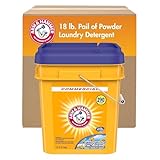
- 290 LOADS: This 18 lb bucker of powder laundry detergent cleans 290 medium loads when used as directed.
- PROFESSIONAL USE: Commercial-grade product suitable for diverse markets such as laundromats, hospitality, foodservice, healthcare, and more.
- POWERFULLY CLEAN, VIBRANTLY FRESH: Powder detergent is specially formulated to clean clothes with care so they look newer, longer.
- STAIN FIGHTING: Contains four powerful stain fighters with baking soda and traps dirt in the wash water.
- CONCENTRATED FORMULA: Our concentrated formula means you can use 1/3 less detergent each load.
- Measure the full gallon of water; do not concentrate the recipe in a smaller container unless you scale every ingredient precisely.
- Use warm water, not hot water.
- Do not add extra powder because the stain looks stubborn.
- Rinse with a clean, damp cloth so detergent and baking-soda residue are not left on the coating.
- Patch-test before cleaning a visible section, particularly on flat, eggshell or satin paint.
For a small fingerprint or light smudge, this heavy-soil recipe is unnecessary. Begin with a milder dilution and escalate to paint repair rather than to harsher chemistry when the mark persists.
What should I do if detergent does not remove the mark?
Stop escalating abrasion once a careful wash has failed. More pressure may remove paint while leaving the underlying discoloration intact. Decide whether the wall needs a cosmetic touch-up or a broader repaint.
Use touch-up paint when the defect is small
For a limited spot, match the original color and sheen as closely as possible. Clean and dry the area, use primer-sealer on a patched or stained section when needed, and apply the touch-up paint sparingly. A color match without a sheen match can still leave a visible halo, so both characteristics matter.
Prime and repaint when the stain bleeds through
Primer-sealer is the appropriate bridge between a persistent discoloration and new paint. It blocks the visual effect of the stain so the finish coat does not have to hide it by thickness alone. Follow with paint matched to the surrounding wall.
Quick wins for a faster PC:
Fix the driver behind crashes, sound loss and screen glitchesFind Drivers →Clear out junk files and repair common Windows errorsFree Scan →Repaint to a natural break when spot repair shows
On a flat or low-sheen wall, even accurately matched touch-up paint may catch the light differently from the surrounding area. If the repair remains visible, repaint the entire uninterrupted wall plane or stop at a natural break such as a corner or trim line.
Also popular on Amazon
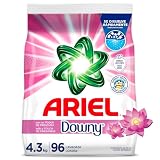
- FRESHNESS: Powerful Clean with a Touch of Downy Freshness
- WHITENS & BRIGHTENS: Safe for both whites and colors
- FAST DISSOLUTION: Dissolves quickly in your washer
- EASY TO USE: Add Ariel Powder Detergent to the drum, then add clothes
- FIGHTS ODORS: Leaves clothes smelling fresh
How does paint sheen change the risk of cleaning?
Low-sheen coatings hide minor wall texture but have less tolerance for repeated wet rubbing. A cleaned patch can become glossier, lighter or smoother than the surrounding paint. Higher-sheen coatings generally withstand more routine wiping, yet they reflect light strongly, making scratches and uneven cleaning easy to see.
This is why a detergent that appears harmless on a semigloss door may damage a flat living-room wall. Match the cleaning pressure to the least durable surface, not to the strength of the stain.
Independent reader supportYour contribution helps us test, update, and keep practical guides available for everyone.Can laundry detergent damage a wall?
Yes. The principal risks are an overly strong solution, excessive moisture, abrasive tools and repeated scrubbing. The heavy-soil guidance specifically warns that stronger solutions can remove paint. Sherwin-Williams likewise recommends non-abrasive cleaners and an inconspicuous test.
Recommended Free Tools
- Concentrated cleaner: can soften or strip paint and leave a visibly different patch.
- Abrasive sponge or powder residue: can scratch the film, especially on glossy finishes.
- Soaking: can leave runs, streaks or prolonged moisture in the coating.
- Cleaner left to dry: can leave residue and force more aggressive wiping later.
- Repeated passes: can enlarge the damaged area without improving a penetrating stain.
If the test area changes in color or sheen, stop and let it dry. The correct response is not a stronger mixture; it is a paint repair plan.
Does the same method work on wallpaper?
No. Wallpaper and other wallcoverings have their own cleaning limits, adhesives and surface finishes. Follow the covering manufacturer’s instructions instead of applying the painted-wall recipe.
Also popular on Amazon

- DEEP CLEAN: Use Tide Original Powder Laundry Detergent for a deep clean that is safe for colors
- PROTECTS CLOTHES: Tide Powder Detergent protects brights and whites while still being tough on stains
- CLEAN DISSOLVE TECHNOLOGY: This laundry detergent powder features Clean Dissolve Technology that helps powder detergent dissolve quickly for a a clean with less residue
- HE MACHINE SAFE: Tide Original Laundry Detergent is safe for regular and high efficiency laundry washer machines
- EASY TO USE: Just add Tide Powder Laundry Detergent to the drum, add clothes, and start wash
The Wallcoverings Association warns that soil left too long can cause permanent discoloration and advises against abrasive rubbing. For wallcoverings, delayed cleaning and aggressive scrubbing can both reduce the chance of restoring the original appearance.
How can I choose between cleaning, touch-up and repainting?
Use this decision sequence:
- Is the mark loose surface soil? Try one careful, diluted-detergent cleaning.
- Did the wall pass the patch test and improve? Continue gently over the small area, then rinse and dry.
- Did the mark remain, bleed back or leave an uneven patch? Stop washing; classify it as a likely penetrating stain or altered paint film.
- Is the defect small and the original paint available? Use primer-sealer where appropriate and color- and sheen-matched touch-up paint.
- Does the repair remain visible or cover a broad area? Repaint to a natural break for a uniform result.
This approach separates temporary lightening from a durable visual repair. Detergent is a cleaning step, not a substitute for sealing and repainting when the paint itself has been changed.
What’s actually slowing this PC down?
Pick the symptom - the matching free tool is one click away.
Frequently Asked Questions
Will a second detergent wash make a stubborn stain disappear?
Not necessarily. There is no established success rate for repeated household washes, and each additional wet or abrasive pass can enlarge paint damage. If one properly diluted, gently applied and thoroughly rinsed treatment has not restored an even appearance, move to a primer-sealer or paint repair decision.
How long should I wait before deciding whether cleaning worked?
Allow the wall to dry completely after rinsing before judging color or sheen. A damp coating can look temporarily darker or uneven, while residue can mask the final result until it is removed and the surface dries.
Is laundry detergent powder better than liquid detergent for wall stains?
The documented heavy-soil formula specifies laundry detergent powder, but it does not establish that powder is universally superior to liquid detergent. Whichever product you use, keep the solution mild, test first and do not let concentrated cleaner dry on the paint.
What if I cannot match the old wall color?
A color match alone may fail if the sheen differs or the existing paint has aged. Use primer-sealer on the stained or patched area and, when a spot remains visible, repaint the wall to a corner, trim line or other natural break.
Do these 3 things before closing this tab:
1Scan for outdated or missing drivers - takes under a minute2Clear out junk files and repair common Windows errors3Fix the driver behind crashes, sound loss and screen glitchesQuick Recap

Product prices and availability are accurate as of the date/time indicated and are subject to change. Any price and availability information displayed on Amazon at the time of purchase will apply.

