ThatPainter is reader-supported. When you buy through links on our site, we may earn an affiliate commission. Learn More
Texture is the way a surface feels—or appears to feel. In art and design, it may be physically present in materials such as woven fabric, carved wood, thick paint, or ceramic relief, or it may be implied by marks and visual cues that make a flat image resemble fur, glass, stone, metal, or cloth.
As an Amazon Associate I earn from qualifying purchases.
Texture is the way a surface feels—or appears to feel. In design and art, it may be physically present, as in woven fabric, carved wood, thick paint, or a ridged ceramic surface. It may also be implied: a flat image can use marks, color, value, edges, and pattern to make fur, glass, stone, metal, skin, or cloth look touchable.
What’s actually slowing this PC down?
Pick the symptom - the matching free tool is one click away.
Texture is one of the basic elements of art, alongside line, shape, form, space, color, and value. It helps viewers recognize materials, compare surfaces, organize attention, create visual rhythm, and understand how a work was made. It can also carry associations with craft, labor, age, manufacture, tradition, or use—but those meanings depend on the particular work and its cultural context.
Popular on Amazon
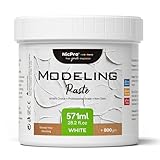
- Premium-Grade Composition: Nicpro modeling paste with a 571ml capacity is meticulously crafted from top - notch materials. This ensures not only its durability but also enables a smooth application process for all your artistic undertakings.
- Multifaceted Utility: Our modeling paste for texture art is a versatile choice. It's ideal for sculpting, modeling, and imparting texture to a wide range of surfaces, including canvas, wood, and many others. It serves as a go - to material for diverse creative projects.
- User-Friendly Application: Boasting a creamy consistency and excellent workability, our modeling paste makes intricate detailing a breeze. You can manipulate it effortlessly, whether you're creating fine details or larger - scale forms.
- Swift-Drying Formul: Engineered with a quick - drying formula, our modeling paste dries rapidly without cracking. This allows you to build multiple layers and add elaborate details to your artwork with ease, streamlining your creative process.
- Professional-Caliber Outcomes: Regardless of whether you're a novice or a seasoned artist, our modeling paste helps you achieve professional - quality results. It adds depth and dimension to your creations, elevating the overall aesthetic of your artworks.
What is texture in design?
Texture describes the surface quality of a material or the visual representation of that quality. It answers questions such as: Is the surface smooth or rough? Glossy or matte? Soft-looking or hard-looking? Regular or irregular? Fine or coarse?
The National Gallery of Art’s texture resources treat texture as something students can identify in artworks and investigate through materials, techniques, and found objects. Texture is therefore not limited to decoration. It can be both a physical property and a visual language.
The two types of texture: actual and implied
The most important distinction is between actual texture and implied texture. A work can contain one or both.
Do these 3 things before closing this tab:
1Fix the driver behind crashes, sound loss and screen glitches2Clear out junk files and repair common Windows errors3Scan for outdated or missing drivers - takes under a minute| Type | What it means | Examples | How it is experienced |
|---|---|---|---|
| Actual texture | A physical surface quality that exists in the object. | Woven fibers, raised paint, carved wood, embossing, sand, relief, thick collage. | Primarily through touch, and visually through light and shadow. |
| Implied texture | A visual suggestion of surface quality on a comparatively flat image or surface. | Painted fur, drawn wood grain, etched stone, photographic metal, stippled skin. | Through sight and visual inference rather than direct touch. |
Actual texture
Actual, or tactile, texture is physically present. It may come from the material itself or from a process applied to it. Weaving, carving, casting, embossing, folding, glazing, scraping, layering, and attaching objects can all alter a surface.
A woven textile is an obvious example because the structure of the fibers is part of both its appearance and its physical identity. The Metropolitan Museum of Art’s record for a 1956 Frank Lloyd Wright textile sample identifies woven cotton and lurex as part of the object. Here, texture is not an illusion added to a design; it is produced by the material and construction of the textile.
Painting and mixed-media work can also become tactile. A raised layer of medium catches light differently from the surrounding surface, creating shadows and highlights that change as the viewer moves. For acrylic and mixed-media work, acrylic modeling paste is one option for building texture and three-dimensional forms on a rigid support. Liquitex describes its professional modeling paste as an acrylic-and-marble-putty material that can be built in layers and, after drying, colored, painted, sanded, drilled, or carved. It is a material choice—not a requirement for making textured art—and the appropriate medium depends on the support, desired relief, and technique.
Implied texture
Implied, or visual, texture is created by marks and optical cues. The picture surface may remain smooth, but the artist gives the viewer enough information to imagine a particular material.
- Short directional strokes can suggest hair or fur.
- Broken highlights can suggest polished or reflective metal.
- Repeated lines can suggest wood grain.
- Small irregular marks can suggest stone, plaster, or soil.
- Soft transitions can suggest skin, wax, or a rounded fabric surface.
- Sharp changes between light and dark can suggest a hard edge or a deep groove.
The Metropolitan Museum’s teaching material on Rembrandt explains how the direction, opacity, thickness, and size of brushstrokes can suggest fur, fabric, skin, hair, and volume without physically roughening the canvas. In printmaking, closely spaced or undulating etched lines can likewise create the appearance of shadow and texture on a flat printed surface; the Metropolitan Museum’s printmaking comparison resource discusses this movement from drawn line to visual and tactile effect.
How artists create texture
Texture rarely depends on one device alone. Artists combine mark, material, value, color, lighting, and repetition to make a surface convincing or expressive.
Also popular on Amazon

- High-Quality Ingredients: Crafted from premium materials, our modeling paste ensures durability and smooth application for your artistic projects.
- Versatile Usage: Perfect for sculpting, modeling, and adding texture to a variety of surfaces including canvas, wood, and more.
- Easy to Use: With a creamy consistency and excellent workability, our modeling paste allows for intricate detailing and effortless manipulation.
- Quick Drying Formula: Designed to dry quickly without cracking, allowing you to build layers and add intricate details to your artwork with ease.
- Professional Results: Achieve professional-quality results with this modeling paste, whether you're a beginner or experienced artist, enhancing your creations with depth and dimension.
1. Mark-making
Dots, dashes, hatching, cross-hatching, scratches, strokes, and gestural marks create surface rhythms. Their direction matters: marks that follow the curve of a form can make an object feel rounded, while marks that cut across it can flatten or interrupt that form.
Mark size and spacing also affect the result. Fine, closely packed marks may suggest a delicate or dense surface. Large, separated marks may read as coarse, energetic, or unfinished. A consistent mark system can unify a composition; a sudden change can direct attention.
Recommended Free Tools
2. Layering and relief
Paint, paper, fabric, thread, paste, and found objects can be layered to create actual relief. A thin layer produces a subtle change in surface; a thick layer produces stronger shadows and a more obvious tactile event.
When using a raised medium, spread it with a palette knife, small trowel, or another suitable tool, and test the thickness on the chosen support before committing to the final work. Rigid panels are generally more appropriate for substantial relief than fragile or highly flexible paper. Follow the manufacturer’s directions for drying, layering, sanding, and carving; do not assume that every medium behaves the same way.
3. Material manipulation
Weaving, carving, embossing, incising, folding, casting, glazing, and scraping preserve evidence of process. These methods do more than make a surface look different: they reveal how the material was handled.
This relationship between appearance, process, and material is sometimes discussed through the idea of truth to materials. In its discussion of formalism and material properties, Smarthistory explains how an artwork can be understood through the properties of the material from which it is made. A carved surface, for example, may communicate something different from a painted imitation of carving because the viewer can see the actual resistance, removal, or structure of the material.
Free tools Windows power users keep installed
One-click scans. No signup required.
4. Pattern and repetition
Regular repetition can suggest a manufactured, woven, tiled, or engineered surface. Irregular repetition can suggest bark, rock, foliage, water, or other organic materials. Repetition creates rhythm, but perfect repetition can become pattern rather than texture unless variations in scale, spacing, or value keep the surface alive.
5. Value and lighting
Texture needs tonal variation to be legible. Highlights reveal raised areas; shadows reveal recesses; side lighting makes relief more apparent than flat, frontal lighting. Even a physically rough surface may look visually flat if it receives no useful contrast.
The same principle applies to implied texture. A drawing of stone needs changes in value and edge, not merely a collection of random marks. A glossy surface needs a controlled highlight and reflected-light pattern, while a matte surface usually has softer, less concentrated transitions.
Also popular on Amazon

- High-Quality Ingredients: Crafted from premium materials, our modeling paste ensures durability and smooth application for your artistic projects.
- Versatile Usage: Perfect for sculpting, modeling, and adding texture to a variety of surfaces including canvas, wood, and more.
- Easy to Use: With a creamy consistency and excellent workability, our modeling paste allows for intricate detailing and effortless manipulation.
- Quick Drying Formula: Designed to dry quickly without cracking, allowing you to build layers and add intricate details to your artwork with ease.
- Professional Results: Achieve professional-quality results with this modeling paste, whether you're a beginner or experienced artist, enhancing your creations with depth and dimension.
6. Color and edges
Color variation helps separate one material from another. Subtle shifts can suggest porous or irregular surfaces; narrow, high-contrast changes can suggest polished or sharp surfaces. Edge control is equally important. Hard edges can make a surface appear crisp, brittle, or reflective. Soft edges can suggest softness, haze, wear, or rounded form.
Quick wins for a faster PC:
Fix the driver behind crashes, sound loss and screen glitchesFind Drivers →Repair Windows errors before they cause bigger problemsFix Now →7. Found objects and natural materials
Leaves, sand, stones, twigs, lace, corrugated cardboard, fabric, and other objects can be pressed into paint, transferred, attached, or observed as references. A found object can provide actual texture, while a drawing or print taken from it can create implied texture.
For classroom work, the National Gallery of Art’s lesson material recommends identifying textures in artworks, hypothesizing how they were made, and experimenting with varied media and found objects.
8. Digital simulation
Digital artists and designers can use photographic scans, procedural patterns, noise, brushes, and image overlays to simulate material. A digital texture may make a background resemble paper, concrete, fabric, or grain without changing the physical surface of the screen.
Digital texture should serve the content and interaction. A subtle surface treatment can distinguish a panel or establish a visual voice, but dense noise behind text can reduce contrast and legibility. Texture should never be the only way to communicate an important state, category, or control.
What does texture do in a composition?
Texture has several compositional roles. Its effect is not automatic: scale, contrast, medium, subject, culture, and viewing conditions all matter.
Texture creates contrast
Putting a rough surface beside a smooth one, or a dense field beside an open one, makes the difference visible. Other useful contrasts include:
- coarse and fine;
- glossy and matte;
- soft-looking and hard-looking;
- regular and irregular;
- organic and geometric; and
- highly worked and visually quiet.
Texture supports hierarchy and emphasis
A strongly varied or detailed texture may attract attention, while a quieter area can give the eye a place to rest. This is a compositional possibility, not a universal psychological rule. Texture competes with other elements for attention, so its contrast should be intentional.
Texture suggests depth
Changes in scale, sharpness, density, and contrast can help separate foreground from background. Large, clear marks often read differently from tiny, subdued marks in the distance. In a tactile work, actual relief adds another depth cue through cast shadow and changing light.
Windows Errors? Fix Them Before They Spread
Repair common Windows errors and clear accumulated junk for a smoother, more stable PC - no reinstall needed.Free scan · no reinstallOutdated Drivers Are Slowing You Down
One free scan finds every outdated or missing driver and matches the right update for your exact hardware.Free scan · exact hardware matchAlso popular on Amazon
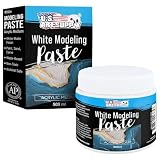
- Professional Quality: Premium 16.9 ounce (500ml) tub of White acrylic modeling paste for textured art; creates raised, three-dimensional surfaces for acrylic painting. Durable formula holds its shape for building texture, relief designs, and mixed media projects.
- Versatile Application: White texture paste for canvas with excellent adhesion; ideal for creating relief effects and dimensional artwork. Can be sanded, carved, or sculpted when dry and used with acrylic paint medium for a wide range of creative techniques.
- Creative Flexibility: Flexible modeling paste designed to maintain dimensional shapes and textures when dry. Mix with acrylic paint thickener, acrylic colors, or pigments for custom effects; creates impasto effects and works beautifully with stencils for raised patterns.
- Artist-Friendly White Formula: Water-based acrylic texture paste that's easy to apply and clean up with water while wet. Dries to a matte white finish and provides excellent tooth for additional paint layers; ideal for artists of all skill levels.
- Multiple Techniques: Use as sculpture paste for detailed dimensional work, create bold texture painting effects, or combine with gel medium for acrylic paint for customized applications. Apply thick or thin for stenciling, sculpting, relief work, mixed media, and contemporary art techniques.
Texture creates rhythm and unity
Repeated marks or a shared material treatment can connect separate parts of a work. A consistent brush language may make a series feel coherent. Conversely, one contrasting texture can identify a focal point or signal a change in category.
Texture, materiality, and meaning
Texture can make viewers think about what a work is made of and how it was produced. A woven surface may point toward craft, labor, community, or tradition. A polished surface may be associated with refinement or industrial manufacture. A distressed surface may evoke age, damage, memory, or authenticity.
These are possible associations, not fixed definitions. Interpretation should be grounded in the work’s subject, process, cultural setting, and history. The Metropolitan Museum’s documentation of Yee I-Lann’s work, for example, shows how weaving, local terminology, collective production, and colonial history can inform the meaning of a textured surface. The texture matters, but it cannot be interpreted separately from the people, place, and process connected to it.
Texture can also be expressive in artists’ books, textiles, sculpture, and multisensory learning. Paper weight, surface, and shape may contribute to an artist’s book as much as its printed image. The Metropolitan Museum’s material on the Liliana Dematteis collection discusses the expressive role of paper and book form. In accessible teaching, tactile diagrams, models, and multisensory tools can make concepts available to students who are blind or partially sighted; a reproduction that merely looks rough is not necessarily physically tactile.
How to analyze texture in an artwork
Use the following sequence when writing about a painting, sculpture, textile, photograph, print, interface, or design project.
- Identify the type. Is the texture actual, implied, or both? If you have only seen a reproduction, describe the appearance rather than claiming that the surface is physically rough.
- Name the suggested material. Does it resemble fur, wood, glass, stone, fabric, skin, paper, metal, plaster, or something else?
- Describe the evidence. Point to marks, values, colors, edges, patterns, brushwork, relief, layering, or lighting. Replace “the texture is interesting” with precise observations.
- Classify its character. Is it regular or irregular, organic or geometric, coarse or fine, glossy or matte, soft-looking or hard-looking?
- Explain its compositional role. Does it create contrast, emphasis, depth, rhythm, unity, or visual quiet?
- Consider the physical object. If actual texture is present, how does it catch light, cast shadows, change with viewpoint, or invite touch?
- Connect texture to process and meaning. What might the surface reveal about labor, construction, age, use, culture, or material? Keep the claim specific and appropriately qualified.
- For digital work, test the function. Does the texture improve recognition and hierarchy, or does it interfere with legibility, contrast, navigation, or accessibility?
A concise analysis example
Instead of writing, “The painting uses texture to make it realistic,” write: “Short, directional strokes follow the contour of the animal’s body, while darker, broken marks gather beneath the fur. The variation in stroke length and value implies a soft, dense coat on a flat surface. Because the surrounding background is comparatively quiet, the textured coat becomes a focal area.” This identifies the evidence and the effect without claiming that the paint itself is furry.
Independent reader supportYour contribution helps us test, update, and keep practical guides available for everyone.Practical exercises for studying texture
Exercise 1: Surface inventory
- Collect or photograph several safe surfaces: paper, cloth, bark, stone, cardboard, metal, or ceramic.
- Describe each using pairs such as smooth/rough, soft/hard-looking, regular/irregular, and matte/glossy.
- Separate observations made through sight from those confirmed by touch.
- Arrange the samples from least to most visually active.
Exercise 2: Rubbings and translations
Place paper over a suitable textured object and make a rubbing with the side of a pencil, crayon, or similar tool. Then create a second study from observation alone. Compare the two: the rubbing records contact and relief, while the drawing asks you to interpret the surface through mark, value, and pattern.
Exercise 3: One material, three methods
Choose one material such as stone or fabric. Represent it with (1) repeated lines, (2) changes in value and edge, and (3) actual collage or relief. The comparison shows how the same subject can be communicated through implied and actual texture.
The Tool Desk
Outbyte Driver Updater FREEFix the driver behind crashes, sound loss and screen glitchesFind Drivers →Outbyte PC Repair FREEClear out junk files and repair common Windows errorsFree Scan →Exercise 4: Quiet versus active texture
Make two small compositions with the same shapes and colors. In one, use a dense, high-contrast texture in the focal area. In the other, keep the focal area quiet and texture the surrounding field. Note how the change affects emphasis, rhythm, and visual rest without assuming that one arrangement is universally better.
Also popular on Amazon

- A marble paste made of marble dust and 100% polymer emulsion; Used to build heavy textures
- Lightweight, non-toxic; Dries to the hardness of stone, and can be sanded or carved when thoroughly dry
- Includes 8-oz / 237ml jar of medium
- Intermixable with Liquitex Professional Acrylic Paint Colors and Mediums..Conforms to ASTM D4236; Safe for educational use
- Dimensions(inches): 2.5 x 2.5 x 3.7
Exercise 5: Raised acrylic texture
On a rigid support, test thin and thick applications of an acrylic modeling paste or another compatible texture medium. Apply and shape it with a palette knife, small trowel, or similar tool; allow it to dry according to the product instructions, then compare its response to paint, sanding, or carving if those uses are approved for the medium. Work in small samples first, because drying time, flexibility, and support requirements vary.
Using texture in graphic and interface design
Texture can give a digital composition a material character, separate a foreground from a background, or create a visual vocabulary across related screens. It is most effective when it remains subordinate to the information being communicated.
- Keep text backgrounds sufficiently clear and contrastive.
- Do not use texture alone to indicate an error, selected state, category, or interactive control.
- Check the design at the actual size and on different displays; a subtle texture can disappear, while a noisy one can become distracting.
- Consider users with low vision, cognitive disabilities, or sensory sensitivities.
- Use spacing, labels, shape, value, and interaction feedback alongside texture.
In print, also consider ink coverage, paper finish, reproduction scale, and whether fine texture will survive the production process. In physical work, consider whether raised materials are securely attached, whether the support can bear their weight, and whether the piece is intended to be touched.
Common mistakes
- Confusing detail with texture: Many marks do not automatically describe a surface. They need direction, variation, and a relationship to form or material.
- Using random noise: Random marks can look generic. Study the structure of the material you want to suggest.
- Ignoring light: Relief without useful highlights and shadows may not read as relief.
- Over-texturing a design: Competing surfaces can weaken hierarchy and legibility.
- Claiming tactility from an image: A rough-looking reproduction does not prove that the original surface is physically rough.
- Treating symbolic meanings as universal: Texture can carry cultural and historical meaning, but interpretation must be tied to context.
Quick checklist
- Can you say whether the texture is actual, implied, or both?
- What material is being shown or suggested?
- Which marks, values, colors, edges, patterns, or processes create the effect?
- Is the surface regular, irregular, organic, geometric, coarse, fine, glossy, matte, soft-looking, or hard-looking?
- Does it create contrast, emphasis, depth, rhythm, unity, or visual quiet?
- If the texture is physical, how does it affect touch, light, shadow, and viewpoint?
- What does it reveal about process, labor, culture, age, or material—and what remains uncertain?
- In a digital design, does it support recognition and hierarchy without reducing accessibility?
Frequently Asked Questions
What is the difference between actual and implied texture?
Actual texture physically exists on or in an artwork and can be experienced through touch, such as woven fibers, raised paint, carving, or embossing. Implied texture is a visual suggestion of a surface made with marks, value, color, edges, pattern, or brushwork on a comparatively flat surface.
How do artists create texture?
Artists use repeated marks, layering, relief, weaving, carving, embossing, pattern, value, lighting, color, edge control, found objects, and digital image techniques. The best method depends on the material being suggested and whether the artist wants a tactile surface or only a visual illusion.
Why is texture important in composition?
Texture can create contrast, emphasis, depth, rhythm, and unity. A dense or strongly contrasting texture may draw attention, while a quieter surface can provide visual rest. Its effects depend on scale, context, medium, contrast, culture, and viewing conditions.
How can I make actual texture in an acrylic painting?
Use a rigid support, test the medium in small samples, and follow the manufacturer’s instructions for application, drying, layering, sanding, or carving. Acrylic modeling paste is one option for building raised texture, but different products and supports have different requirements.
Windows Errors? Fix Them Before They Spread
Repair common Windows errors and clear accumulated junk for a smoother, more stable PC - no reinstall needed.Free scan · no reinstallOutdated Drivers Are Slowing You Down
One free scan finds every outdated or missing driver and matches the right update for your exact hardware.Free scan · exact hardware matchThe Bottom Line
Texture is not simply “making a surface look interesting.” It is the deliberate use of physical material or visual evidence to communicate surface, process, structure, and sometimes meaning. Learn to distinguish actual from implied texture, then judge every mark or material by the role it plays in the composition.
Quick Recap


