Windows Errors? Fix Them Before They Spread
Outbyte PC Repair · freeRepair common Windows errors and clear accumulated junk for a smoother, more stable PC - no reinstall needed.
Fix My PC Now →ThatPainter is reader-supported. When you buy through links on our site, we may earn an affiliate commission. Learn More
Energy-efficient windows and well-timed window coverings reduce heat loss, unwanted solar gain and drafts—but the best combination depends on your climate, window direction and the condition of the existing units. The U.S. Department of Energy estimates that windows account for 25%–30% of residential heating and cooling energy use. If your windows are sound, air sealing and suitable shading may be a practical first step; if they are damaged, leaking or poorly performing, replacement may address problems coverings cannot.
How do windows affect home energy use?
Windows are part of the home’s thermal envelope, but they behave differently from insulated walls. Heat can pass through the glass and frame, sunlight can enter as solar radiation, and air can leak through gaps around a poorly fitted or deteriorated unit. Those paths affect comfort as well as heating and cooling demand: a drafty window can make a room feel cold even when the thermostat setting is unchanged, while direct summer sun can make a room uncomfortably warm.
As an Amazon Associate I earn from qualifying purchases.
Do these 3 things before closing this tab:
1Repair Windows errors before they cause bigger problems2Fix the driver behind crashes, sound loss and screen glitches3Clear out junk files and repair common Windows errorsThe Department of Energy’s estimate that windows account for 25%–30% of residential heating and cooling energy use is a national figure, not a promise that replacing windows will cut a household’s bills by that amount. The result of any project depends on the existing windows, climate, orientation, installation and how the home is operated. A covering may reduce glare or block direct sun, but it does not change the window’s underlying U-factor or repair failed seals, damaged frames or water intrusion.
That distinction helps set expectations. Window upgrades can be considered in three layers: reduce air leakage and address installation details; choose glass and frames suited to climate and exposure when replacement is warranted; and manage sunlight and comfort with exterior or interior shading. The best first move is the one that addresses the home’s actual problem rather than the most visible product.
Popular on Amazon

- Great Value Paint Brush Set: Soucolor 20 acrylic paint brushes come in 10 different sizes, making them ideal for fine detailing, model painting, rock painting, nail art, face painting, DIY crafts, and general art projects. The varied brush sizes give you better control for both delicate lines and broader color coverage, while the soft bristles deliver smooth, consistent results on acrylic, oil, watercolor, canvas, wood, ceramic, and more.
- Awesome Set of Paint brushes: Professional paint brushes can cover all of your needs. The multi-purposed brushes are ideal for Watercolor, Oil, Gouache, enamel, Acrylic Painting, Body, Nail, Face Painting, Miniature, Model, Wood, Glass, Cup, Ceramic, Fine work, Art class, Craft Art Painting, DIY Art Crafts etc.
- Soft and long-lasting: The bristles are soft and strong, with nickel metal ferrules and blue wooden handles. After cleaning, the bristles will become soft and fluffy again and will not fall off.
- Easy to clean: it’s very convenient to Wash well in soap and water. Retain shape after drying. the brushes hold up very well. Nice selection to beginners and professionals. Keep them clean and they last a long time.
- Perfect for All Painters & Occasions: Suitable for art beginners, hobbyists and professional artists. Great for art class, home creation, travel painting and DIY handmade projects. A practical art gift for students, teachers, family and craft lovers.
What do U-factor and SHGC mean?
U-factor describes non-solar heat flow through a window; a lower number indicates better insulation. Solar Heat Gain Coefficient (SHGC) describes the fraction of solar heat that passes through the window; a lower number means less solar heat enters. These are different properties, so a product should not be judged by one number alone.
For a cold climate, a lower U-factor helps limit heat escaping through the window. A relatively higher SHGC can be useful where winter sunshine is welcome, though the right balance depends on the window’s orientation and the home. In a hot climate, lower SHGC is generally desirable because it reduces solar heat gain and the burden on cooling. In a mixed climate, the choice involves balancing winter heat loss against summer heat gain.
Quick wins for a faster PC:
Fix the driver behind crashes, sound loss and screen glitchesFind Drivers →Repair Windows errors before they cause bigger problemsFix Now →Orientation matters because the same rating can have different consequences on different elevations. South-facing glazing may receive useful winter sun in some settings, while east- and west-facing windows can be exposed to low-angle sun that is harder to shade with a simple overhang. Strong solar control may be especially important on those elevations. Trees, neighboring buildings and local weather also affect actual exposure, so climate-zone guidance is a starting point, not a substitute for considering the site.
Glazing layers, low-emissivity (low-e) coatings, gas fills and frame construction can all contribute to a window’s performance. Insulated glazing generally lowers U-factor, but it can also lower SHGC. That trade-off is why a window optimized for insulation in winter may not be the best choice for a hot, sunny window. Look at the complete rating and intended application rather than treating “more glass layers” or “lower number” as an automatic answer.
Which windows are most energy efficient for my climate?
Start with the installation region’s climate-zone guidance, then consider the window’s direction and the problem you are trying to solve. The U.S. Department of Energy and ENERGY STAR guidance illustrate why one national specification does not fit every home: a northern home generally prioritizes low U-factor, while a southern home generally prioritizes low SHGC.
ENERGY STAR guidance gives examples of a U-factor of 0.22 or lower for northern homes and an SHGC of 0.23 or lower for southern homes. These are screening examples, not universal thresholds for every project or every window. Check current ENERGY STAR criteria and the product’s National Fenestration Rating Council (NFRC) label for the relevant climate zone and installation region. ENERGY STAR says its qualifying windows are independently certified and verified against EPA energy-efficiency guidelines; the NFRC label provides the rated performance values to compare.
Also popular on Amazon
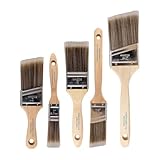
- COMPLETE 5-PIECE BRUSH SET FOR EVERY PAINTING TASK — Includes 1 Inch Flat, 1.5 Inch Angle, 2 Inch Flat, 2 Inch Angle Stubby, and 2.5 Inch Angle brush giving you every size professional painters use daily. Get all 5 for less than the price of a single brush from hardware store brands — professional grade performance at a fraction of the cost. Perfect for walls, trim, cabinets, doors, furniture, and detailed cutting-in work on any project.
- ZERO BRISTLE LOSS — GUARANTEED BY PRECISION ADHESIVE BONDING — Every bristle is locked in place with precision-set adhesive that keeps them in the brush — not in your paint job. The coated steel ferrule provides structural support while the adhesive bond ensures clean performance on every stroke. Premium SRT synthetic filaments load more paint and release it evenly for a smooth streak-free finish on walls, ceilings, and trim. Works with latex, oil-based paint, primer, sealer, and wood stain.
- INCLUDES THE ANGLE STUBBY MOST SETS LEAVE OUT — Professional painters know the 2 Inch Angle Stubby is the go-to brush for tight cabinet interiors, window sashes, inside corners, and detailed trim where standard angle brushes are too long. Combined with the 1.5 and 2.5 inch angle sash brushes you have precision cutting-in covered at every scale — baseboards, crown molding, door casings, and ceiling lines.
- FLAT BRUSHES FOR BROAD SMOOTH COVERAGE ON ANY SURFACE — The 1 and 2 inch flat brushes deliver even coverage on walls, furniture, shelving, doors, fences, decks, and wood surfaces. Ideal for applying primers, stains, varnishes, polyurethane, and specialty coatings. Solid wood handles provide all-day comfort and control for both professional contractors and weekend DIY homeowners tackling interior or exterior painting projects.
- TRUSTED BY PROFESSIONAL PAINTERS AND CONTRACTORS NATIONWIDE — Pro Grade delivers professional-grade results at a price that makes sense for crews who go through brushes on every job. Ideal for property managers, remodeling contractors, apartment turnover crews, maintenance teams, and commercial painting operations. Backed by thousands of verified reviews from working painters. Washable and reusable for multiple projects.
When looking at a quote or product label, compare U-factor and SHGC together. Then ask whether the rating is appropriate for the elevation where the window will go. If a project includes windows with different orientations, one specification may not be ideal for every opening. A qualified installer or energy assessor can help reconcile the ratings with the home’s exposures and the scope of work.
Other details matter beyond those two headline figures. Frame construction and glazing configuration affect thermal performance; air leakage and installation quality affect drafts; and visible transmittance relates to how much visible light passes through. A rating comparison should also account for condensation resistance, durability, noise priorities, maintenance and aesthetics. The DOE’s purchasing guidance for energy-efficient residential windows discusses how to evaluate rated products rather than relying on a single claim.
Do blinds or curtains save energy?
They can improve comfort and help manage solar heat, particularly when used deliberately, but interior coverings are not a substitute for efficient glazing or a sound window. The DOE says that properly used interior shades and blinds can reduce unwanted solar heat gain and maximize daylight to offset the need for interior electric lighting. They are often a relatively straightforward retrofit when existing windows are in good condition.
In summer, close blinds, shades or draperies on windows receiving direct sun, especially during the hours the sun is heating the room. In winter, open coverings when useful sunlight is available and close them when it is not. This seasonal operation lets occupants choose between blocking solar heat and admitting it. The trade-off is that coverings also affect daylight, views and glare, so the best choice is not necessarily the darkest or most opaque option.
The Tool Desk
Outbyte Driver Updater FREEFix the driver behind crashes, sound loss and screen glitchesFind Drivers →Outbyte PC Repair FREEClear out junk files and repair common Windows errorsFree Scan →Interior coverings generally act after sunlight has passed through the glass. Some of that solar energy is already inside the home, which limits how much interior blinds or curtains can prevent compared with shading outside the window. A properly fitted covering may also change how a room feels near the window, but it cannot repair a failed seal, stop water intrusion or change the product’s certified U-factor.
For an existing window that is in good condition, consider a covering based on the room’s use: glare control for a workspace, privacy for a bedroom, flexible daylight in a living space, or strong sun control on a hot elevation. Make sure it can be operated as intended. A covering that stays closed year-round may reduce summer sun but can also block welcome winter daylight and solar warmth.
Also popular on Amazon
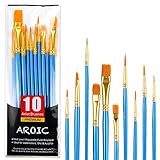
- 【All sizes of art brushes】: The 10 sizes of multi-functional brushes have various shapes, making the mixing color easier, which is very suitable for artists, students, teenagers, children and painters at all levels. Wonderful Present ideas for friends and family who like painting!
- 【general brush set】: Professional paint brush can meet all your needs. Multifunctional brush is very suitable for watercolor, oil, gouache, acrylic painting, body, nail, face painting, miniature, model, ceramics, arts and crafts painting, etc.
- 【high quality process】: It is designed with anti falling bristles, anti-rust nickel ferrule and solid wood handle. You can use the brush to focus on the painting and always be creative.
- 【easy to maintain】: After using the brush, it is very convenient to clean the brush with warm soapy water and reshape the tip of the brush. Air dry the brush and place it on top of the top for long use.
- 【100% satisfaction guarantee - buy now】1 packs of set brushes, you can also get friendly customer service, any questions feel free to contact us, within 24 hours to help you! There is no risk in buying our paint brush kit.
Are exterior awnings better than interior blinds for summer heat?
Exterior shading can be more effective at stopping solar heat before it reaches the glass. Awnings, overhangs, exterior blinds and sunscreens intercept sunlight outside; interior blinds and shades are easier to add in many retrofit situations but act after sunlight has entered. Which is better depends on exposure, daylight preferences, installation constraints and whether the priority is maximum sun control or a simpler interior change.
Exterior overhangs or sunscreens are useful to consider on strongly sun-exposed elevations. They can reduce summer solar gain without sacrificing as much interior daylight as dark curtains, though any shading device changes the light entering the room. Low-angle east and west sun can be difficult to block with an overhang alone, so exterior blinds or screens may be worth considering where that exposure is the main concern.
Interior options have their own advantages: they can be added without replacing the window, are accessible from indoors and can be adjusted for privacy, glare and light. The Department of Energy recognizes both exterior devices and interior blinds or shades as ways to reduce undesirable solar heat gain. In practice, an exterior device is most useful when it addresses a sunny exposure and can be installed and maintained appropriately; an interior covering is a reasonable first retrofit when ease and flexibility matter more.
When selecting a shade, consider more than heat alone. Ask how much daylight and view you want to preserve, how the shade will operate during changing seasons, and whether it suits the window’s direction. Avoid assuming a product label alone guarantees a result in every room: orientation, surrounding shade and installation affect performance.
Should I replace windows or add shades?
If frames and sashes are sound and the main complaint is summer sun, glare or uncomfortable brightness, start by considering air sealing, properly fitted coverings and exterior shade. Replacement becomes more compelling when the windows are damaged, seals have failed, water is getting in or the existing units perform poorly in ways a covering cannot fix.
Use this decision sequence:
- Look for repair issues first. Check for visibly damaged frames or sashes, failed seals, signs of water intrusion and drafts. A shade will not correct those conditions.
- Separate air leakage from solar discomfort. If the problem is direct sun or glare on an otherwise sound window, shading may address it. If the room feels drafty, investigate the window’s fit, seals and air leakage instead of treating it only as a shade problem.
- Try a proportionate retrofit where appropriate. For sound windows, consider air sealing, interior blinds or shades, and exterior shading on exposed elevations. Keep coverings operable so you can use winter sun and daylight when beneficial.
- Evaluate replacement as a whole project. Compare climate-appropriate U-factor and SHGC, frame and glazing details, installation labor, air leakage, condensation resistance, maintenance, durability, noise control and aesthetics. Consider whether different elevations need different solar-control priorities.
- Verify labels and installation details. Confirm current ENERGY STAR eligibility and NFRC-rated values for the climate zone and intended location. Ask how the installer will limit air infiltration and handle flashing and water management.
Replacement has costs beyond the product itself, including labor and the consequences of poor installation. The available data does not provide current product prices, labor estimates, rebates or regional availability, so these should be checked locally rather than assumed. An energy assessment can help identify whether glazing, shading, insulation or air sealing is likely to be the highest-value first step for the home.
Free tools Windows power users keep installed
One-click scans. No signup required.
Also popular on Amazon

- 【KIDS PAINT BRUSHES SET】Anezus paint brushes for kids come with 10 pcs paint brushes of 5pcs round paintbrushes and 5 flat paint brushes with colorful handles, good for the young artist to explore their creativity in painting and crafting
- 【HIGH QUALITY PAINT BRUSHES FOR KIDS】These toddler paint brushes made of soft hog bristle, bright colored handles and rust proof ferrules. The bristles are firmly fixed in the kids paint brushes and no shedding. Each children paint brush measure 6 1/4 inches (16cm) in length and ferrules 1/2"(1.3cm) diameter, large enough for the little hand to grip and control
- 【WIDE APPLICATIONS】With combination of round and flat craft paint brushes for kids, work great with washable paint, tempera paint and acrylic paint. Great for arts and craft, rock, leather, gesso and ceramic, or body, nail and face art painting.
- 【EASY TO CLEAN 】After using paint brushes for acrylic, oil or watercolor painting, it’s very convenient to clean them with warm soapy water and reshape the paint brush tips. Keep these craft paint brushes clean and they last a long time.
- 【GREAT GIFT IDEA】Perfect for students, teens, kids, children and painters of all levels. Wonderful gift idea for girls, boys and kids who love painting! These all-purpose paint brushes for kids are ideal for kids' school projects, birthday parties, painting parties, art parties, back to school supplies, classroom decoration and more.
What should I check before buying or installing?
A good selection process combines performance ratings with project details. Use the current ENERGY STAR and NFRC information to verify the product’s performance; do not treat a marketing phrase such as “energy efficient” as a replacement for rated values. ENERGY STAR’s guidance on high-performing windows and storm windows and its residential windows information are useful starting points for current program guidance.
- Climate and orientation: Match U-factor and SHGC to climate-zone recommendations and consider whether the opening faces harsh summer sun or useful winter sun.
- Whole-window performance: Compare the NFRC ratings, glazing layers, low-e coating, gas fill and frame construction together. A low U-factor alone does not describe solar heat gain.
- Air and moisture: Ask how air leakage will be minimized and how the opening will be flashed and sealed against water. Poor installation can undermine the benefit of a better-rated unit.
- Daylight and views: Consider visible transmittance, glare and whether the shade or glazing preserves the view you want.
- Whole-project value: Include price, labor, maintenance, durability, noise control and appearance in the decision. Check current local rebate eligibility rather than assuming a product qualifies.
During extreme weather, keep windows tightly latched, as the DOE advises. For installation or replacement, the Department’s guidance on updating or replacing windows can help frame the choice between repair, retrofit and replacement. The practical goal is not simply to buy the most heavily specified window: it is to reduce the heat flow, solar gain or leakage that is actually affecting the home.
Independent reader supportYour contribution helps us test, update, and keep practical guides available for everyone.How should I use the windows and coverings by season?
Seasonal operation can make the most of existing windows and shades. In summer, close coverings on sunlit windows when direct sun would heat the room; where summer exposure is persistent, consider exterior shading that blocks sun before it reaches the glass. In winter, open coverings when sunlight can provide useful warmth and daylight, then close them when the sun is gone if privacy or comfort calls for it.
Adjust based on the window’s orientation and the room’s use rather than following a single schedule for the whole house. A bright east-facing room in the morning and a west-facing room late in the day may need different timing. When glare is the main issue, a shade that diffuses or redirects light may be preferable to keeping a room dark. Keep the window closed and tightly latched during extreme conditions, and address drafts or water problems directly rather than expecting curtains to solve them.
What can window coverings not fix?
Coverings do not change a window’s U-factor or SHGC rating, repair failed seals, correct a damaged frame or prevent water intrusion caused by a building-envelope problem. They can manage sunlight, glare and some comfort effects, but they cannot compensate for every performance defect. If the issue is persistent drafts, condensation, damaged components or moisture, inspect the window and installation rather than only adding a heavier curtain.
Likewise, an efficient replacement window does not guarantee an efficient result if installed poorly. Air leakage, inadequate sealing or water-management problems can remain or be introduced during the work. Ask contractors about installation practices and how they will protect the opening from air and moisture leakage. A home energy assessment is useful when it is unclear whether the best investment is the window itself, shading, air sealing or another part of the envelope.
Also popular on Amazon
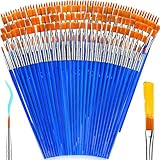
- 【162-Piece Bulk Set | Dual Brush System】Maximize versatility with 81 flat brushes (0.59 inch edge for bold strokes) and 81 round brushes (0.39 inch tips for details) – 3X more tools than standard kits! Pre-sorted in labeled compartments for instant access during painting sessions. Ideal for art classrooms, mural projects, and multi-artist households.
- 【Pro-Grade Durability | Zero Shedding Guarantee】 "Engineered with triple-crimped nylon bristles (43% higher resilience vs. standard) and aerospace aluminum ferrules tested for 10,000+ flex cycles. Lab-verified 0.01% shedding rate even with heavy impasto techniques – outperforms flimsy bristles in budget brushes."
- 【Multi-Scenario Readiness | Event & Daily Use】 Optimized for: Thanksgiving/Christmas face designs classroom projects ceramic decorating fabric printing and model painting; Lightweight plastic handles each reduce hand fatigue during prolonged sessions
- 【Effortless Maintenance | Long-Term Durability】 Clean with warm soapy water in 10 seconds; Reshape tips and air-dry vertically to preserve bristle integrity,After use, air-dry brushes thoroughly and store upright in the provided case to preserve bristle shape. The premium nylon filaments naturally regain their original form after each stroke. For cleaning, simply rinse in warm soapy water and gently reshape bristles with fingertips."
- 【Multiple Application】These acrylic paint brushes can be applied for most occasions,such as:watercolor,oil, gouache paint,face paint, acrylic paint, suitable for Thanks Giving Day, Christimas, Halloween face and body painting, canvas painting, fabric, rock, miniature, model, ceramics, arts and crafts painting, etc.
What is the practical takeaway?
For replacement, match U-factor and SHGC to climate and orientation, and verify ratings on current ENERGY STAR and NFRC information. For sound existing windows, begin with air sealing and the right seasonal shade strategy; choose exterior shading when stopping direct sun before it reaches the glass is the priority, and use interior blinds, shades or draperies for a flexible retrofit. Replace when damage, failed seals, water intrusion or poor performance requires more than a covering can provide.
Frequently Asked Questions
Can window coverings reduce my heating bill in winter?
They can help manage comfort and daylight, but the supplied guidance does not quantify a bill reduction for a particular covering or home. Open coverings when useful winter sunlight is available, and close them when that sunlight is no longer beneficial; drafts or failed seals need separate attention.
What’s actually slowing this PC down?
Pick the symptom - the matching free tool is one click away.
What is the difference between SHGC and visible transmittance?
SHGC concerns the fraction of solar heat admitted through the window, while visible transmittance relates to visible light passing through it. When comparing products, consider both if you want to reduce heat without making a room unnecessarily dark.
Do energy-efficient windows prevent condensation?
The research identifies condensation resistance as one factor to compare, but does not say that a particular rating eliminates condensation. Moisture can have multiple causes, so persistent condensation warrants looking at the window condition and the surrounding installation rather than relying on a covering.
Are ENERGY STAR windows certified?
ENERGY STAR says every qualifying window is independently certified and verified to meet or exceed EPA energy-efficiency guidelines. Check current program requirements and the NFRC label for the specific product and region before purchasing.
Quick Recap


