The Tool Desk
Free tools Windows power users keep installed
One-click scans. No signup required.
Outbyte Driver Updater FREEFix the driver behind crashes, sound loss and screen glitchesFind Drivers →Outbyte PC Repair FREEClear out junk files and repair common Windows errorsFree Scan →
ThatPainter is reader-supported. When you buy through links on our site, we may earn an affiliate commission. Learn More
Shade-loving tropical-looking houseplants still need usable light and careful watering. Give most of them bright, filtered or dappled light; water when the upper inch of potting mix dries, then soak the root ball until water drains from the holes and empty the saucer. Calathea is the important exception: keep its mix evenly moist while it is actively growing, allow only the surface to dry in autumn and winter, and never leave the pot standing in water. Pothos and philodendrons tolerate more drying, especially when light levels are low. The right frequency depends on the plant, pot, season, humidity and window—not a fixed weekly calendar.
How much light do shade-loving tropical plants need indoors?
Most plants sold as shade-tolerant understory plants grow best in bright indirect, filtered or dappled light. “Shade” means protection from harsh direct sun, not a dark room. A north-facing window is commonly low light, east- or west-facing windows are often medium light, and a south-facing window is bright, although trees, buildings, overhangs, curtains and seasonal sun can change the result.
As an Amazon Associate I earn from qualifying purchases.
What’s actually slowing this PC down?
Pick the symptom - the matching free tool is one click away.
Where should I place them near a window?
Set foliage plants close to a bright window with sheer-filtered light, or slightly back from the glass if afternoon sun is intense. Calatheas prefer bright light out of direct sun; the Royal Horticultural Society suggests a north- or east-facing window in summer and notes that they may need more light in winter. Philodendrons also need bright but indirect light and should be protected from direct summer sun. Pothos prefer bright, filtered light but can tolerate some light shade.
Can tropical plants grow in a dark room?
They may survive temporarily in dim conditions, but a room with no useful natural light will usually produce weak growth. Stretching, long gaps between leaves, leaf drop, poor color and smaller new leaves indicate that the plant is not receiving enough usable light. Pothos can slowly decline and lose variegation in poor light; philodendrons become leggy and produce fewer, smaller leaves. Move the plant gradually toward filtered light or add a full-spectrum LED grow light. The RHS specifically recommends artificial grow lights for calatheas during low-light periods.
Popular on Amazon
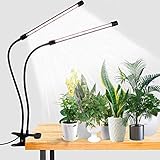
- 6000K White Light - equipped with 10 Red + 74 White LEDs, this growing Lamp is similar to the full-spectrum sunlight at noon,that is professionally designed for indoor garden plants.Moreover, its color rendering index is as high as 95, the light is soft and flicker-free, which is very suitable for reading lamp
- Timer Function & Multiple Settings - this plant spotlight offer the timer function with 3 options that is 4Hrs or 8Hrs or 12Hrs, it is based on a 24 hour cycle from the time you set the timer.For example,when keeping power ON, if you select 8 Hrs,it will turns ON for 8 hours per 24 hours.The other two timer settings are the same.
- Easy to Install - with flexible Gooseneck & strong clamp,it allows you to place the growth light in any direction to provide the best lighting angle for your plants,meet the cover around the plant.Powered by USB or AC Power Plug
- High Efficiency LED Lamp - as for LED power draw this seedling lights just comsume about 10 w and is equivalent to a 50 watts Halogen Bulb.Estimately monthly cost roughly $2 in electricity (12 hours a day). It is a great gift if you growing some small house plants.
- 【365 Days Warrantty】GooingTop service team offer 365 days warrantty and 24h friendly customer service. If there are ever any issues about the product, please feel fre e to contac t us and we will send you a new replacement.
What does “shade” look like in practical terms?
Montana State Extension describes shade as enough light to read a book while standing well away from a window. That is a useful reality check: if you cannot comfortably read there without a lamp during the day, the spot is probably too dim for sustained tropical foliage growth unless you add supplemental lighting.
How much water do shade-loving tropical plants need?
Water by the condition of the potting mix rather than by a calendar. For most of these plants, wait until the upper inch feels dry, then water slowly and thoroughly until runoff exits the drainage holes. Let the pot drain completely and empty the saucer or decorative cover pot so roots are never submerged.
Windows Errors? Fix Them Before They Spread
Repair common Windows errors and clear accumulated junk for a smoother, more stable PC - no reinstall needed.Free scan · no reinstallOutdated Drivers Are Slowing You Down
One free scan finds every outdated or missing driver and matches the right update for your exact hardware.Free scan · exact hardware matchWhy does low light change watering frequency?
Dim rooms generally slow evaporation and plant growth, so the same pot stays wet longer than it would in bright, warm, dry conditions. Recheck sooner when light, temperature or airflow are high, and later when the room is cool, humid or dim. Pot size, pot material, season, humidity and species also alter drying time, which is why a promise such as “water every Sunday” is unreliable.
What does evenly moist mean?
Evenly moist mix feels damp through the root zone but is not saturated or sludgy. It does not mean keeping a reservoir of water in the saucer. A pot with drainage holes is essential; if water cannot escape, even a plant that likes moisture can develop declining roots.
Also popular on Amazon

- NOTE: The product stand needs to be pressed down by the flower pot to be stable. Not wireless style. 2 Installation Methods: Specially designed plant light for indoor plants, which can be inserted in the soil or stand for lighting.Unique and easy to assemble and disassemble.
- 3 Lighting Modes and 10 Brightness: The full spectrum plant grow lights offers 10 levels by pressing the button. 3 lighting spectrum “white light, warm white and red, Mix Lighting”. you have more options to meet different illumination requirements.
- Timer Adjustment: This small halo grow light have set up timer with 3 modes cycle timing function which stay on for 3H, 9H, 12H. When keeping power, it can automatically turn on and off every day according your settings.
- Height and Angle Adjustment: The pole of grow lights can telescope up and down to accommodate different plants. Provide the right amount of light intensity. Rotate 90 degrees the pipe and height can be up to 26 in, which more plants will be covered.
- Widely Used: This plant halo grow light also stylish decoration for any home space, and with color box. Suitable for all types of locations such as hangings, floor planters and more. the gardeners and plant lovers tending to their plants and vegetables.
How often should I water calathea, pothos and philodendron?
Calathea: the moisture-sensitive choice
Calatheas, members of the prayer-plant group, have tropical foliage and a higher humidity requirement than the more forgiving options. Keep the compost evenly moist during active spring and summer growth. In autumn and winter, let the surface dry somewhat before watering again, but do not allow the whole root ball to become completely dry. Always tip excess water out of a saucer or cover pot.
The RHS recommends warm conditions of 16–21°C (61–70°F) and suggests a bathroom or another naturally humid microclimate. Dry air can cause wilting or brown-looking leaf edges even when the plant is receiving adequate light, so increase ambient humidity while preserving free drainage.
Pothos: forgiving, but not drought-proof
Pothos prefers bright filtered light and tolerates some light shade. During active growth, allow the top of the soil to dry between waterings. In low-light winter conditions, which the New York Botanical Garden describes as October through February, water only as needed to prevent the mix from drying completely. A pothos in a bright, warm position will generally use more water than the same plant in a dim corner.
Insufficient light can cause slow decline and fading of variegated patterns. Increase filtered light gradually rather than placing a previously dim-grown plant in hot, direct afternoon sun.
Also popular on Amazon

- FULL SPECTRUM & NATURAL LIGHT: A19 full spectrum grow light appears 5000K white to eyes but has a red/blue light spectrum. Same as natural sun shine, perfect for tomatoes, cucumbers, peppers, leafy greens and herbs at all growth stages.
- HIGH BRIGHTNESS & ENERGY SAVING: A19 LED plant grow light bulbs deliver 180-degree 1000LM bright light output. Use High Lumen LED Chips equivalent to 100w traditional light bulb while consumes only 11 watts, saving 90% of your electricity bill.
- HIGHER EFFICIENCY: LED grow bulb with high light transmission improves plant absorption more effectively. Balanced lighting of full spectrum wavelength can give your plants more light with a high output PPF of 25 micromoles per second.
- LONGER LIFESPAN: LED sun light bulbs with low heat generated, suitable temperature for your plants. Use Plastic & Aluminium material to build the cooling system with better heat dissipation. Up to 25,000 lifespan.
- EASY TO INSTALL: E26 Base fits all standard E26 sockets. No necessary to find other fixture to fit this bulb. Easy to install this e26 grow light bulb to standard size fixtures.
Philodendron: evenly moist, never waterlogged
Philodendrons are understory plants. As Iowa State University Extension consumer horticulture specialist Aaron Steil explains, “Philodendrons are native to the low-light understory of tropical forests, primarily in Central and South America.” Give them indirect or dappled light, let the top of the mix dry slightly, and then water thoroughly. Iowa State and the RHS both caution against keeping the medium wet; the target is evenly moist soil with air-filled drainage, not constant saturation.
Which low-light tropical-looking plants are easiest to keep alive?
Plant lists differ in how much light and moisture they consider “low.” Illinois Extension lists pothos, philodendron, peace lily, snake plant, ZZ plant and Chinese evergreen as low-light choices. It places calathea, dieffenbachia, peperomia, alocasia, bird’s-nest fern and maranta in medium light. The U.S. Botanic Garden labels pothos, peace lily and Chinese evergreen low light; it classifies pothos and Chinese evergreen as low-water plants and peace lily as medium water.
| Plant | Minimum usable light | How much drying it tolerates | Humidity sensitivity | Growth and appearance |
|---|---|---|---|---|
| Pothos | Low light is tolerated; bright filtered light supports stronger growth and variegation. | Let the top layer dry between waterings; in dim winter conditions, prevent complete drying without keeping it wet. | Relatively forgiving. | Trailing or climbing vines; poor light can reduce variegation. |
| Philodendron | Indirect or dappled light; avoid harsh direct summer sun. | Allow the surface to dry slightly, then water; keep the medium moist but not wet. | Moderate; responds poorly to saturated roots. | Understory foliage; low light can produce leggy stems and smaller leaves. |
| Calathea | Bright filtered light, with additional light often needed in winter. | Keep evenly moist in active growth; let only the surface dry in cooler, darker months and never let the mix dry completely. | High; warm, humid conditions are preferred. | Decorative patterned leaves with a tropical appearance. |
| Peace lily | Low light according to the U.S. Botanic Garden and Illinois Extension. | Medium water according to the U.S. Botanic Garden. | Not stated in the cited classifications. | Clumping foliage and flowers; keep away from children and pets because the plant is poisonous. |
| Chinese evergreen | Low light according to the U.S. Botanic Garden and Illinois Extension. | Low water according to the U.S. Botanic Garden. | Not stated in the cited classifications. | Upright, broad foliage; a practical low-light option. |
What is the correct watering routine?
- Inspect the upper layer. Push a finger into the top inch of mix or examine it closely. For most plants, wait until that layer is dry; for calathea, do not let the entire mix become dry.
- Water slowly. Apply room-temperature water over the surface until it runs from the drainage holes. Slow application wets the root ball more evenly than a quick splash.
- Drain fully. Wait for excess water to finish draining, then empty the saucer or cover pot. Roots left in standing water are at greater risk of rot.
- Recheck according to conditions. Bright, warm, dry locations may need an earlier inspection; dim, cool or humid locations may need a later one. Do not turn those tendencies into a universal schedule.
- Adjust for winter. Lower light usually means less frequent watering. Pothos needs only enough water in its dim winter period to avoid complete drying, while calathea still requires residual moisture.
What should I do when a plant looks unhealthy?
Leggy stems or stretched growth
Move the plant closer to bright filtered light or install a full-spectrum LED grow light. Increase light gradually and monitor new growth; old stretched stems will not shorten, but healthier new leaves show that the change is helping.
Fading pothos variegation
Poor light can reduce variegation. Provide brighter filtered light, avoiding a sudden move into hot direct sun that can scorch foliage.
Also popular on Amazon

- FULL SPECTRUM & NATURAL LIGHT: A19 full spectrum grow light appears 4000K white to eyes but has a red/blue light spectrum. Same as natural sun shine, perfect for tomatoes, cucumbers, peppers, leafy greens and herbs at all growth stages.
- HIGH BRIGHTNESS & ENERGY SAVING: A19 LED plant grow light bulbs deliver 180-degree 1000LM bright light output. Use High Lumen LED Chips equivalent to 100w traditional light bulb while consumes only 11 watts, saving 90% of your electricity bill.
- HIGHER EFFICIENCY: LED grow bulb with high light transmission improves plant absorption more effectively. Balanced lighting of full spectrum wavelength can give your plants more light with a high output PPF of 25 micromoles per second.
- LONGER LIFESPAN: LED sun light bulbs with low heat generated, suitable temperature for your plants. Use Plastic & Aluminium material to build the cooling system with better heat dissipation. Up to 25,000 hours lifespan.
- NATURAL HOME LIGHT COLOR: Unlike those purple or reddish grow bulbs, our indoor 4000K LED grow light bulbs show off your indoor garden without harsh or unsightly lighting, providing a pleasing, natural light, temperature that integrates well with any decorative aesthetic.
Yellow leaves and persistently wet mix
Pause watering long enough for the upper layer to dry and verify that drainage holes are open. Check that a decorative cachepot is not holding runoff against the nursery pot. Saturated soil and standing water raise root-rot risk.
Brown tips or declining roots
Inspect for excess salts, a constantly wet medium and water collecting below the pot. University of Florida/IFAS guidance notes that excess salts can damage roots and contribute to brown leaf tips. Correct the drainage and moisture problem before simply adding more water.
Quick wins for a faster PC:
Fix the driver behind crashes, sound loss and screen glitchesFind Drivers →Clear out junk files and repair common Windows errorsFree Scan →Wilting calathea in dry air
Move it to a naturally humid location such as a bathroom, group plants together or use a humidity tray while keeping the pot itself above standing water. Maintain the warm 16–21°C (61–70°F) range recommended by the RHS when practical.
Independent reader supportYour contribution helps us test, update, and keep practical guides available for everyone.Are these plants safe around children and pets?
Some tropical-looking houseplants are poisonous. The RHS warns that philodendrons, peace lilies, calla lilies and anthuriums are poisonous, and that philodendron sap can irritate skin. Keep these plants out of reach of children and pets, and wear gloves when handling sap or pruning damaged tissue. If ingestion is suspected, contact a medical or veterinary professional promptly.
Also popular on Amazon
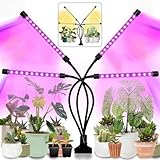
- 🌻Efficient LED Combination: This LED lamp has grow lights made up of 80 efficient growing LEDs ( 32 red lights, 12 blue lights,20 yellow lights and 16 white lights). It meets the conditions of plant growth without sunlight. 1--Full Spectrum(380nm-800nm): Suitable for all plants to root and sprout. 2--Red(660nm)+BLUE(460nm) Spectrum: for blooming and fruits. 3--Red+Blue+Full Spectrum: A mix of Red+Blue+Warm White is best to fuel the growth of your plants.
- 🌻Upgraded Auto ON/OFF Timer: Plant grow lights come with the circular memory timer function allows to automatically turn on/off every day according to your settings: 3H(Blue)/9H(Green)/12H(Red). Which requires no manual operation and takes good care of your plants when you on work or vacation.(Please note: The timer needs to be reset if the grow light is powered off.)
- 🌻10 Dimmable Modes: Our grow lamps provides 10 dimmable modes to suit varied stages of plant growth. It has 10 levels of light intensity and has 3 spectral modes to meet different stages of plant-growing needs.
- 🌻Visible Quality and Adjustable: The LED grow lights have a USB connector which makes it convenient to connect in your office or home to USB or AC power plug (includes adapter). The 4-head light has a 360-degree flexible gooseneck made from quality tubing to keep a fixed position. The metal clamp allows the lamp to be placed anywhere in your home or office.
- 🌻Scientific Heat Dissipation Design: Indoor LED grow light is backed by an aviation-grade heat sink powered by a temperature control unit. This improved heat sink efficiently dissipates the heat generated by the lamp to the atmosphere.
How should I set up a mixed collection?
Group plants by how quickly their pots dry, not merely by appearance. A calathea that needs consistently moist compost should not share a watering assumption with a pothos that is allowed to dry more between waterings. Check each container individually, especially when one shelf receives more window light or airflow than another.
Frequently Asked Questions
How can I tell whether a room is genuinely too dark for a houseplant?
Use the practical shade test described by Montana State Extension: if you can read a book comfortably while standing well away from the window, there is some usable ambient light. If reading is difficult without a lamp, rely on supplemental full-spectrum lighting rather than expecting a tropical plant to thrive there.
Do these 3 things before closing this tab:
1Clear out junk files and repair common Windows errors2Fix the driver behind crashes, sound loss and screen glitches3Repair Windows errors before they cause bigger problemsCan pothos and calathea share one planter?
It is better to keep them in separate pots. Their moisture preferences differ, so watering enough for calathea can leave pothos roots wet for too long, while allowing pothos to dry can stress calathea.
Why does the same plant dry out at different speeds after I move it?
A change in window exposure, room temperature, humidity, airflow, pot size or pot material changes evaporation and plant use of water. Recheck the mix after every move instead of carrying over the old interval.
What is the safest way to use a decorative cachepot?
Keep the plant in a draining inner pot and remove accumulated runoff from the outer container after watering. Decorative containers without drainage should never become a permanent reservoir around the roots.
Quick Recap

Product prices and availability are accurate as of the date/time indicated and are subject to change. Any price and availability information displayed on Amazon at the time of purchase will apply.

