Free tools Windows power users keep installed
One-click scans. No signup required.
Do these 3 things before closing this tab:
1Clear out junk files and repair common Windows errors2Fix the driver behind crashes, sound loss and screen glitches3Repair Windows errors before they cause bigger problemsThatPainter is reader-supported. When you buy through links on our site, we may earn an affiliate commission. Learn More
Most heritage homes need a formal exterior inspection twice a year and another check after severe weather. Repaint exterior wood and metal when their protective finish is failing—often at least every five years. A well-maintained exterior may last five to ten years, while one government heritage program uses a seven-year cycle for painted masonry. Those are planning ranges, not guarantees: moisture, orientation, exposure, previous coatings and workmanship can shorten or extend them. Repair leaks, damp, defective mortar and other fabric problems before applying paint, retain sound historic layers, and use a breathable coating system compatible with the wall or joinery. If the property is listed or in a conservation area, check consent requirements before changing colour, stripping paint or repainting significant historic fabric.
As an Amazon Associate I earn from qualifying purchases.
How often should a heritage home be repainted?
Use the condition of each material—not the age of the calendar—as the deciding factor. Inspect annually, formally assess exterior paint every three to five years, and plan for repainting when the coating can no longer shed water or protect the substrate.
| Material or situation | Useful planning interval | What should trigger the work | Qualification |
|---|---|---|---|
| Exterior wood and iron or steel | At least about every five years | Cracking, peeling, exposed timber, rust, failed joints or localised rot | Heritage Council of Ireland and SPAB Ireland guidance (2020); exposure and maintenance can change the interval. |
| Properly maintained painted exterior | About five to ten years | Progressive failure rather than an arbitrary date | Toowoomba Regional Council guidance; the range is not a lifespan guarantee. |
| Painted masonry in one Australian heritage program | About seven years | Blistering, flaking, crazing, efflorescence, staining or spalling after defects are repaired | Australian Government heritage-management schedule (2025); treat this as a local program example, not a universal rule. |
A five-year timber cycle cannot simply be transferred to brick, stone or render. A shaded, sheltered elevation may remain sound while a sun-facing or coastal elevation fails sooner. Previous impermeable coatings, trapped moisture, salt exposure, poor preparation and leaking rainwater goods can all make a nominal interval misleading.
Popular on Amazon

- Use for a variety of indoor and outdoor project surfaces including wood, metal, plaster, masonry or unglazed ceramic
- Water-based acrylic formula is low odor, resist chips and provides long-lasting protection
- Covers up to 120 sq ft and dries to touch in 30 minutes for quick project completion
- Semi-gloss finish minimizes surface imperfections, goes on smoothly and provides excellent hide
- Prior to application sand surfaces with 180/200 grit sandpaper, then wash with a degreaser, allow the surface to dry and apply paint
Historic England describes maintenance as “routine work necessary to keep the fabric of a place in good order.” In practice, timely small repairs are preferable to waiting for widespread failure and then removing large areas of historic material.
What inspection schedule keeps a heritage house in good condition?
A written schedule catches water entry and paint failure before they become structural repairs. The following cadence combines the recurring checks used in U.S., Irish, Scottish and other official heritage guidance; adapt it to the building and local rules.
| Frequency | Checks and actions |
|---|---|
| Every four months and after major storms | Look in the attic and basement or crawlspace for leaks, damp patches, standing water, displaced roofing or storm damage where this schedule applies. |
| Every six months | Inspect and clear gutters, downpipes, roof outlets and other drainage. Check heavily used external doors and any areas that local guidance identifies for more frequent masonry inspection. |
| Every year | Inspect the roof, chimney, walls, porches, windows, foundations, perimeter drainage, paint finishes, ventilation and visible signs of movement. Clear gutters and gullies after autumn leaf fall, and photograph defects from the same viewpoints. |
| Every three to five years | Carry out a close, documented review of all exterior paintwork. Northern Ireland guidance calls for inspection every three years and no less than every five years as preventative maintenance. |
| About every five years | Repaint exterior wood and metal where condition warrants it. Arrange close roof and chimney inspections by qualified trades when access, height or local practice requires specialist equipment. |
| About every five to ten years | Expect many properly maintained painted exteriors to reach this range, but schedule the work from inspection findings rather than from the range alone. |
Keep a simple log with the date, elevation, defect, photograph and action taken. Patterns—such as the same corner becoming damp each winter—often reveal a failed flashing, overflowing gutter or ground level problem rather than a paint problem.
How can I tell that repainting is actually due?
Paint is due for renewal when failure is widespread or exposes the underlying fabric, not merely because the previous coat has reached a particular birthday.
Also popular on Amazon

- Ready to use, pre-mixed door and trim paint offers a fresh new look on interior or exterior metal, wood and fiberglass
- Water-based paint formula emits less odor and withstands fading for a long lasting finish
- Dries to the touch in 45 minutes, up to 3X faster than traditional oil-based paints
- Durable, chip resistant coating provides ultimate protection with modern curb appeal
- Beautiful satin door paint is available in 6 pre-mix color options for the perfect look
- Wood: look for open joints, cracking, peeling, bare end grain, soft areas and fungal staining. Probe suspect timber carefully; softness means repair is needed before decorating.
- Iron and steel: check for rust blooms, lifting paint, corrosion at joints and water traps behind brackets or railings.
- Brick, stone and render: inspect for blistering, flaking, crazing, efflorescence (powdery salt deposits), persistent staining and spalling. These symptoms can indicate moisture movement or failing masonry, not simply an old topcoat.
- All elevations: note chalking, bare patches, failed sealant, algae, damp marks and places where rainwater repeatedly runs down the wall.
Isolated failure does not automatically justify stripping an entire elevation. A compatible patch repair may preserve more historic material, provided colour and texture can be matched and the surrounding coating remains sound.
How should exterior wood and metal be repainted?
Wood and metal generally need a complete but gentle coating system: sound layers stay in place, failed areas are prepared to a stable edge, and primer is followed by a compatible topcoat.
- Find and fix water entry. Repair roof leaks, defective flashings, overflowing gutters, plumbing leaks and failed joints before preparing the surface.
- Inspect the substrate. Replace or repair rotten timber, unstable putty and severely corroded metal. Painting over movement or rust only conceals the defect temporarily.
- Retain sound historic paint. Hand-scrape loose material and hand-sand edges to the next firm layer. Historic New England advises against power-washing because forced water can drive moisture into hidden deterioration.
- Prepare wood carefully. Sand only as much as needed for adhesion and feathering; avoid erasing mouldings, tool marks or other significant details.
- Remove metal corrosion. Use a wire brush or suitable rust remover, then remove residue and allow the surface to dry fully.
- Prime exposed areas. The Heritage Council of Ireland and SPAB Ireland advise using a primer as well as a topcoat so the new finish lasts. Select a primer made for the specific timber or metal and the existing coating.
- Apply the compatible topcoat. Follow the coating manufacturer’s recoat and weather limits, keeping the system consistent across repairs.
- Recheck joints and drainage. Paint cannot compensate for failed sealant, blocked outlets or water trapped behind trim.
What paint is safe for old brick, stone or lime walls?
First make the wall dry enough to diagnose. Repair roof and plumbing leaks, overflowing gutters, rising or penetrating damp, failed pointing and ground levels that bridge the wall. Northern Ireland guidance states: “never seal damp into a wall – or simply paint over defects.”
Moisture-sensitive masonry needs a coating that allows appropriate vapour movement and is chemically compatible with the wall and existing finish. Northern Ireland guidance identifies porous lime-, cement- or silicate-based exterior paints as options; an Australian heritage plan calls for sound mortar and brick, a compatible masonry primer and a compatible finish. “Compatible” depends on the particular wall, previous coatings and exposure, so a conservation professional should assess uncertain assemblies before specifying a product.
Also popular on Amazon

- Flows on smoothly and dries to a tough, durable finish
- Fade and weather resistant
- Ideal for exterior surfaces including wood, masonry, primed metal, weathered steel and aluminum siding
Do not assume that a hard, waterproof film is protective. An impermeable layer can trap moisture, accelerate frost or salt damage and force paint to blister. Conversely, a breathable coating will not cure active leaks or rising damp. Repointing, drainage and ventilation work belong before decoration.
Can I pressure-wash or strip all the old paint off?
Usually, no. Aggressive blasting, high-pressure washing and wholesale stripping can remove historic evidence, open porous substrates and force water into concealed defects. Keep sound historic layers and remove only loose or failed paint by hand methods appropriate to the material.
Where a coating is unstable, heavily contaminated or known to contain hazardous pigments, obtain a method statement from a contractor experienced with historic fabric. Test suspect old coatings for lead before disturbing them. Containment, dust control, protective equipment and lawful disposal are essential; never dry-sand lead paint or wash contaminated debris into drains.
What preparation is needed before repainting?
Preparation determines whether a new finish protects the building or hides a worsening defect. Work through this sequence before opening paint tins:
Also popular on Amazon
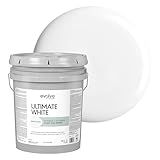
- ALL-IN-ONE PAINT AND PRIMER: Saves time and effort by priming, sealing, and finishing in one step for smooth, efficient coverage
- MULTIPLE SHEENS & SIZES – INTERIOR & EXTERIOR: Ultimate White bright white paint and primer is available in Flat, Eggshell, Satin, and Semi-Gloss sheens for walls, trim, doors, and more. Offered in 1-Gallon and 5-Gallon sizes to suit any interior or exterior painting project.
- SEMI-GLOSS SHEEN – HIGH-IMPACT SHINE: Reflective, durable finish ideal for interior & exterior trim, doors, cabinets, and high-touch areas. Moisture- and stain-resistant for lasting beauty.
- DURABLE & EASY TO CLEAN: Water-based, fast-drying formula delivers a washable finish designed for everyday wear in moisture-prone areas.
- EXCEPTIONAL HIDE & COVERAGE: High-opacity formula delivers brilliant white coverage with fewer coats, even over darker colors.
- Map the defects. Photograph every elevation and mark damp, cracks, peeling, rust, spalling and failed joints.
- Trace the water source. Check roof coverings, flashings, gutters, downpipes, gullies, plumbing, external taps and ground levels against walls.
- Stabilise the fabric. Repair masonry, timber, metal, pointing, joinery and drainage. Allow wet materials to dry under conditions suitable for the repair.
- Confirm the existing coating. Identify whether the surface is masonry paint, limewash, oil-based paint or another system; incompatible layers can peel even on a sound wall.
- Test for lead where age or records suggest risk. Use an appropriate test and plan containment before scraping or sanding.
- Clean gently. Remove dirt, biological growth and loose particles with methods that do not saturate or abrade historic fabric.
- Prepare only failed areas. Hand-scrape and sand wood and metal; avoid aggressive removal from masonry.
- Prime and finish with a compatible system. Follow the specified primer, topcoat, drying and recoat requirements, and keep a record of products and colours for future maintenance.
When should a specialist conservation contractor be involved?
Use experienced help when the work affects significant historic finishes or cannot be inspected safely from the ground. A conservation-trained surveyor or contractor is particularly appropriate for:
- steep or fragile roofs, tall elevations and chimneys requiring specialist access;
- unstable masonry, major cracking, spalling stone or suspected movement;
- lime-based walls, unusual renders, decorative finishes or uncertain historic coatings;
- lead-painted surfaces or work requiring containment and controlled waste disposal;
- buildings whose listing, covenant or conservation-area status may restrict colour, materials or paint removal.
Safe ground-level observation or binoculars can identify many problems, but do not substitute for a close inspection where fabric or access is unsafe. Ask for the proposed preparation method, coating specification, repair sequence and evidence of comparable heritage work before appointing anyone.
Independent reader supportYour contribution helps us test, update, and keep practical guides available for everyone.Do I need heritage approval before repainting?
Possibly. Requirements vary by country, jurisdiction, listing grade and the extent of the work. Repainting an unchanged colour with the same compatible system may be treated differently from changing colour, stripping historic layers, altering decorative details or repainting significant masonry.
Check the local planning or listed-building authority before ordering materials. Keep photographs, colour records and the proposed specification; these help demonstrate that sound historic fabric will be retained. If the wall system or original finish is uncertain, obtain conservation advice before selecting a modern coating.
Also popular on Amazon

- Ready to use, pre-mixed door and trim paint offers a fresh new look on interior or exterior metal, wood and fiberglass
- Water-based paint formula emits less odor and withstands fading for a long lasting finish
- Dries to the touch in 45 minutes, up to 3X faster than traditional oil-based paints
- Durable, chip resistant coating provides ultimate protection with modern curb appeal
- Beautiful satin door paint is available in 6 pre-mix color options for the perfect look
What maintenance matters besides paint?
Paint lasts only while the building sheds water and can dry out. Prioritise the parts that repeatedly wet the envelope:
- Roof drainage: clear gutters, downpipes and gullies at least twice yearly and after leaf fall or severe weather; repair leaks promptly.
- Roof and chimney: inspect annually and arrange close checks when the roof is steep, high or difficult to view safely.
- Walls and pointing: repair open joints and defective render with materials compatible with the masonry; do not cover damp with a dense film.
- Windows and doors: keep timber joints, putty, thresholds and drip details sound so water cannot enter end grain or wall openings.
- Foundations and perimeter: keep soil, paving and planting from bridging damp-proof details or directing water toward the wall.
- Ventilation: maintain vents and avoid blocking openings that allow floors, roofs and wall cavities to dry.
- Records: date photographs and note repairs, products, colours and recurring defects so the next inspection can identify change.
How should I choose between repainting now and waiting?
Repaint now when failed coating is exposing wood or metal, moisture is entering through defects, or masonry symptoms are spreading after the water source has been corrected. Wait and monitor when the coating is sound, the substrate is dry and defects are isolated and stable. In either case, schedule the next inspection rather than treating the decision as permanent: heritage maintenance works best as a repeating cycle of observe, repair, prepare and protect.
Frequently Asked Questions
Is repainting a historic house every five years too often?
Not for exterior wood or metal when the finish is failing; Irish heritage guidance uses at least five years as a preventative benchmark. It can be unnecessarily frequent for sheltered masonry with sound, breathable coatings, so inspect the substrate and coating before commissioning a full repaint.
What’s actually slowing this PC down?
Pick the symptom - the matching free tool is one click away.
What should I do if only one side of the house is peeling?
Investigate that elevation for a local water or exposure problem, such as a leaking gutter, failed flashing, driving rain or trapped moisture. Repair the cause and stabilise the failed area; a full-house strip is not automatically required when the remaining paint is sound.
How can I preserve original paint evidence during repairs?
Photograph layers and decorative details before preparation, retain firmly bonded coats and remove only loose failure. Record the colours and products used so later work can be matched without repeatedly stripping historic fabric.
Can breathable masonry paint fix damp walls?
No. A vapour-permeable coating may be appropriate after the wall is repaired, but it cannot stop roof leaks, rising damp, blocked drainage or plumbing failures. Correct the moisture source and allow the masonry to dry before decorating.
Quick Recap


