Crashes, No Sound, or Screen Glitches?
Outbyte Driver Updater · freeRandom freezes, missing sound and display glitches usually trace back to one bad driver. Find and replace yours safely.
Find the Right Drivers →ThatPainter is reader-supported. When you buy through links on our site, we may earn an affiliate commission. Learn More
Yes, you can paint a concrete path, but the coating will last only if the slab is properly prepared. Let new concrete cure, remove every contaminant and loose layer, repair defects, create the surface profile required by the coating, confirm the slab is dry, and then apply an exterior concrete coating in suitable weather. For a walking surface, choose a product specifically labeled for exterior concrete and foot traffic, and follow that product’s instructions whenever they differ from general practice.
The sequence below explains how to prepare the path, when acid etching is appropriate, how to check moisture, and how to choose primer, paint, traction additive and sealer without trapping moisture or creating a slippery walkway.
As an Amazon Associate I earn from qualifying purchases.
What’s actually slowing this PC down?
Pick the symptom - the matching free tool is one click away.
What is the correct preparation sequence for a painted concrete path?
Use this order: cure and inspect the concrete, remove contamination, repair damage, profile the surface, verify dryness, check the weather, then prime and paint. Skipping a step can leave a coating bonded to dust, oil, laitance, a sealer or damp concrete instead of to sound mineral surface.
- Confirm cure and alkalinity. New concrete normally needs about 30 days before coating. The Sherwin-Williams technical definition cited for cured concrete is at least 30 days old, with the material at 75°F and a surface pH between 6 and 9.
- Strip contamination and unstable layers. Remove dirt, dust, grease, oil, tar, laitance, efflorescence, loose mortar, curing compounds, sealers, old unstable paint and other treatments.
- Repair defects. Fill cracks, voids, holes and chips with a repair material compatible with the coating system. Allow repairs to cure, then smooth them.
- Create the required profile. Smooth or sealed concrete generally needs an approved chemical etch or mechanical abrasion. The target feel is similar to medium-grit sandpaper.
- Test for moisture. Tape an 18-by-18-inch sheet of 4-mil plastic to the path for at least 16 hours and inspect for condensation, discoloration or moisture beneath the sheet.
- Check application conditions. For the cited Sherwin-Williams system, air, surface and material temperatures must be at least 50°F (10°C) during application and curing. Avoid rain and fog unless the selected product is specifically designed for those conditions.
- Prime and coat. Use a concrete-compatible primer when the coating system calls for one, followed by an exterior porch-and-floor enamel or another product expressly rated for concrete and walking traffic.
- Add traction or protection only when compatible. A non-slip additive can improve footing. A clear exterior sealer may add weather and wear protection, but its compatibility and slip performance must be confirmed on the label.
How do I know whether the concrete is ready to paint?
Readiness depends on age, pH, soundness and moisture—not simply whether the surface looks dry. A path can feel hard while still releasing moisture or alkalinity that undermines a film-forming coating.
Popular on Amazon
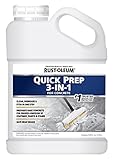
- Clean, degrease and etch bare concrete in one step to prep for coating
- 3-in-1 formula saves time and money on concrete coating projects
- Covers up to 250 sq. ft. per gallon on garage floors, concrete driveways, patios and more
- Promotes maximum adhesion of coatings, paints and stains for long lasting durability
- Ready to use and safe near grass for hassle free application
New concrete: allow the specified cure
Sherwin-Williams says new concrete is usually allowed about 30 days to cure before coating. Its technical definition describes concrete aged at least 30 days at a material temperature of 75°F, with a surface pH from 6 to 9. Cooler conditions, shade, weather and the particular mix can change how quickly a slab reaches a coating-ready condition, so use the coating manufacturer’s current cure and pH requirements as the controlling instruction.
Check the surface, not just the calendar
Look for powdery laitance, weak edges, flaking paint, salt-like efflorescence, oil-darkened patches, curing compound residue and areas that sound hollow or crumble. These are preparation problems even when the concrete is old. Remove unsound material and resolve the cause of any persistent dampness before coating.
Free tools Windows power users keep installed
One-click scans. No signup required.
Existing paths and previously sealed slabs
An older path may contain a sealer, paint, curing treatment or other finish that blocks adhesion. A coating system may require complete removal, approved abrasion or a specific primer. Do not assume that an acid etch will penetrate an unknown sealer; first follow the selected coating manufacturer’s compatibility instructions.
How should I clean a concrete path before painting?
Cleaning is complete only when the path is free of material that can interfere with bonding and no wash residue remains. Use a method that is compatible with the concrete and the coating, then allow the surface to dry before profiling or testing moisture.
Remove loose and bonded contamination
Sweep and scrape away loose mortar, peeling paint, dust and debris. Remove grease, oil, tar, curing compounds, efflorescence, laitance and old sealers with scrubbing, washing, pressure cleaning or another method allowed by the coating system. Pressure cleaning can move contamination into cracks or adjacent soil, so rinse thoroughly and control runoff according to local requirements.
Rinse until no cleaning residue remains
Detergent, degreaser, dissolved salts and acid residue can be as damaging as the original dirt. Rinse repeatedly with clean water as appropriate for the selected method, then let the path dry. If a film, chalk, gloss or dark oily patch remains, cleaning is not finished; repeat the compatible removal process rather than covering it with primer.
Also popular on Amazon

- CONCRETE: Cleaning, degreasing and profiling the surface to prepare it for coating, staining or sealing.
- MASONRY, BRICK: Cleans mortar joints, removes excess mortar and dissolves efflorescence.
- STEEL: Cleans, degreases, derusts and creates a phosphate conversion coating.
- GALVANIZED STEEL: Removes the passivation film on galvanized steel to improve coating adhesion.
- CONCRETE ADVANTAGES: Etch 'N Clean reduces preparation time by eliminating the separate pre-cleaning and rinsing operation before acid etching.
Do not coat unstable old paint
Old paint that is loose, blistered, chalking heavily or poorly bonded must be removed. A new coating cannot stabilize a weak layer underneath it. Feather or smooth remaining edges only after the unstable material has been taken away, and use a repair or primer system approved for the exposed concrete and the remaining coating.
How do I repair cracks, holes and rough spots?
Repair defects after cleaning and before the final surface profile. Choose a patch or crack-repair material that is compatible with the concrete coating, allow it to cure fully, and smooth it so the repaired area does not telegraph through the finish.
Match the repair to the defect
Use a suitable concrete crack or patch compound for cracks, voids, holes and chips. The product label should identify whether it is intended for exterior exposure and whether it can be coated with the primer or paint you selected. A repair that remains soft, shrinks excessively or is incompatible with the coating can fail even when the surrounding slab is sound.
Let repairs cure before profiling
Fresh repair material introduces its own moisture and may have a different texture from the original slab. Follow the repair product’s cure time, then sand, grind or otherwise smooth it only as permitted. Afterward, remove dust and repeat the moisture check for the complete path, not only the original concrete.
Do I need to etch concrete before painting?
Often, yes—especially when the concrete is smooth, dense or sealed—but only use an etching method permitted by the coating system. Etching or abrasion creates a microscopic profile so the primer or paint can grip; it is not a substitute for removing oil, old sealer or loose material.
| Preparation method | What it does | Process described in the guidance | Main trade-off |
|---|---|---|---|
| Acid etching | Chemically opens a smooth mineral surface | Use a 10–15% muriatic-acid solution or a 50% phosphoric-acid solution, scrub with a stiff brush, rinse two or three times, neutralize as directed, then perform the final dry and moisture checks. | Requires careful chemical handling, thorough rinsing and neutralization; it is unsuitable where the coating or site conditions prohibit acid. |
| Mechanical abrasion | Physically removes gloss and creates a coating-ready texture | Use grinding or another approved abrasive method, then remove all dust and confirm that the resulting profile meets the coating label. | Can create airborne dust and may expose weak areas or alter the texture if used too aggressively. |
Using an acid etch safely
Keep people, pets and incompatible materials away from the work area, and use the protective equipment and dilution, application and disposal instructions on the acid and coating labels. Apply the specified solution evenly, scrub with a stiff brush, and rinse two or three times. Neutralize when the instructions require it, remove the rinse residue, and do not proceed until the surface is clean and dry.
Also popular on Amazon

- 🧱 Powerful Concrete & Brick Cleaner – Designed to break down tough grime, stains, and buildup on concrete, brick, stone, and masonry surfaces. Perfect for patios, driveways, sidewalks, garage floors, and outdoor walls needing a deep clean.
- ⚡ Fast-Acting Rust & Mineral Deposit Removal – Effectively removes rust stains, hard water marks, calcium buildup, and surface discoloration. Helps restore a brighter, cleaner look to masonry and concrete with professional-grade performance.
- 🏗️ Multipurpose Heavy-Duty Formula for Many Projects – Ideal for concrete prep, masonry restoration, pool area cleaning, and industrial maintenance. Works great for DIY homeowners, contractors, and anyone needing strong surface treatment.
- 🧤 Omni Depot Protective Gloves Included for Safety – Bundle includes durable protective gloves to help shield hands while handling strong cleaning solutions. Added protection makes your cleaning tasks safer, easier, and more comfortable.
- ✅ Reliable Choice for Homeowners & Professionals – Trusted for high-performance cleaning, surface preparation, and restoration jobs. A must-have solution for demanding indoor and outdoor projects where results and quality matter most.
How to tell whether the profile is adequate
The finished texture should resemble medium-grit sandpaper rather than polished concrete. If water beads on untreated areas or the surface remains glossy, the profile may be inadequate or a sealer may still be present. Stop and consult the coating manufacturer before applying primer; increasing acid concentration or grinding blindly can damage the slab without solving the adhesion problem.
How dry does concrete need to be before painting?
Do not paint a damp path. Moisture trapped under a coating can cause adhesion loss, blistering, discoloration or premature failure, and the source must be corrected before painting.
The plastic-sheet moisture check
- Cut an 18-by-18-inch piece of clear 4-mil plastic.
- Tape all edges tightly to the concrete so outside air cannot circulate underneath.
- Leave it in place for at least 16 hours.
- Remove it and inspect the underside of the plastic and the concrete for condensation, discoloration or visible moisture.
If any of those signs appear, locate and correct the source—such as water entering from the edges, drainage or a damp substrate—then allow the slab to dry and repeat the check. A dry-looking top surface is not enough to overrule a positive test.
When a project specification requires a quantitative limit
A U.S. Government Publishing Office specification for applicable horizontal surfaces gives a limit of 3 pounds of moisture per 1,000 square feet in 24 hours. That figure applies only where the cited government specification governs; it is not a universal limit for every residential path. Use the test method and maximum value stated by your selected coating manufacturer or contract specification.
What weather conditions are suitable for painting an outdoor path?
Plan for a stable window that covers application and the coating’s initial cure. In the cited Sherwin-Williams system, air, concrete and coating temperatures must each be at least 50°F (10°C) during application and cure.
- Do not coat when rain or fog is expected unless the product is specifically designed for those conditions.
- Check the actual slab temperature, not only the air temperature; shaded concrete can be colder.
- Keep the surface clean and protected from new dust, leaves and splash while the coating cures.
- Follow the label for recoat, light-traffic and full-cure times. “Dry to touch” is not the same as ready for regular foot traffic.
Local weather, shade and the coating’s chemistry can change the workable window. The product label controls if it specifies a narrower temperature, humidity or precipitation requirement.
Recommended Free Tools
Also popular on Amazon

- Enhances Adhesion for Long-Lasting Coatings: Specifically formulated to increase the durability of anti-slip and paint coatings by promoting superior adhesion on concrete surfaces.
- Quick and Easy Application: Ready-to-use solution with a simple application process, perfect for both DIY enthusiasts and professionals seeking a hassle-free surface preparation method.
- Versatile Use in Multiple Settings: Ideal for residential garages, driveways, industrial warehouse floors, basements, and more, making it a versatile choice for various environments.
- Professional-Grade Strength: Developed for high-traffic and demanding areas, this powerful solution ensures surfaces are ready for heavy-duty coatings without intensive labor.
- Boosts Coating Longevity and Performance: Max Grip enhances surface texture, reducing the risk of peeling and flaking, and extending the life of your coating.
What primer and paint should I use on a concrete path?
Choose a complete exterior concrete coating system, not an interior wall paint or an unlabeled general-purpose product. The system may include a concrete primer, an acrylic or epoxy coating, and an optional compatible sealer.
Primer
Use a primer specifically formulated for concrete when the coating system requires one. Primer can improve adhesion and help the finish coat cover consistently, but it cannot make dirty, damp or unstable concrete paintable. Apply it only after cleaning, repair, profiling and moisture approval.
Acrylic, epoxy and porch-and-floor enamel
Acrylic and epoxy are cited concrete-coating families, while exterior porch-and-floor enamel is a practical category for a walking path. Compare the label-rated exterior exposure, foot-traffic use, weather resistance, cure requirements and maintenance instructions. Do not assume that an epoxy intended for interior floors or an acrylic intended for a wall is suitable for an outdoor walkway.
| Finish choice | What to evaluate | Why the label matters |
|---|---|---|
| Acrylic concrete coating | Exterior exposure, foot traffic, weather resistance and recoat conditions | Acrylic products differ in where they may be used and how they cure. |
| Epoxy concrete coating | Exterior suitability, sunlight and weather exposure, cure requirements and substrate moisture limits | Some epoxies are intended for conditions unlike an open outdoor path. |
| Exterior porch-and-floor enamel | Concrete adhesion, walking traffic, slip performance and the required primer | The product must expressly include exterior concrete or masonry use. |
| Concrete stain | Whether you want a penetrating finish instead of a film that covers the slab | Sherwin-Williams notes that stain penetrates and is generally less likely to chip or flake, while paint covers the concrete. |
Paint versus stain
Paint gives an opaque color and hides more of the original concrete. Stain penetrates rather than forming the same type of covering film and is generally less likely to chip or flake. The choice is therefore both aesthetic and maintenance-related; verify that the stain is rated for exterior walking surfaces and that the existing concrete can accept it.
What’s actually slowing this PC down?
Pick the symptom - the matching free tool is one click away.
How do I paint the prepared path?
Once the slab passes the moisture check and the weather meets the label, keep the work area clean and apply thin, even coats. Have the primer, coating, roller or brush, painter’s tape and any approved traction additive ready before opening the product.
- Protect adjacent surfaces. Tape borders and cover walls, steps, plants and drainage features so splashes and roller spatter do not become new contamination.
- Vacuum or sweep the profiled surface. Remove abrasive dust without adding water immediately before coating.
- Mix the product as directed. Do not add solvent, water or traction material unless the label permits it and gives a proportion.
- Prime where required. Work the concrete primer evenly into the profile and respect its recoat window.
- Apply the first finish coat. Use thin, even passes and maintain a wet edge so overlaps do not create ridges or color variation.
- Allow the stated recoat time. Recoating too soon can trap solvent or moisture; waiting too long may require additional preparation according to the label.
- Apply the next coat if specified. Keep film thickness and coverage within the product instructions rather than trying to hide defects with one heavy coat.
- Protect the path through cure. Keep foot traffic, rain, fog, dirt and sprinklers away for the full cure period stated by the manufacturer.
How can I make a painted path less slippery?
A smooth paint film can be uncomfortable or unsafe when wet, so a non-slip additive may be appropriate for a walking surface. Use only an additive approved for the selected coating and follow the specified amount and mixing method; too much texture can make cleaning difficult or create an uneven finish.
Also popular on Amazon
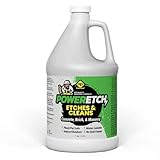
- CLEAN & ETCH IN ONE STEP - OPENS PORES & CREATES IDEAL SURFACE PROFILE (CSP) Micro-etches concrete to remove laitance and light residues while opening pores and increasing porosity. Produces the optimal surface profile for penetrating sealers, stains, paints, epoxy, and concrete coatings.
- BOOSTS ADHESION FOR EPOXY, PAINTS, SEALERS & COATINGS Enhances mechanical bonding by increasing surface area and improving substrate receptivity. Helps reduce peeling, delamination, and coating failure on garage floors, basements, patios, and walkways.
- HIGH COVERAGE - TREATS UP TO 250 SQ. FT. PER GALLON Efficient coverage for interior and exterior concrete. Ideal for prepping garage slabs, basement floors, workshops, outdoor patios, and walkways before applying sealers, stains, or coatings.
- ACID-FREE, NON-CORROSIVE FORMULA - SAFE FOR INDOOR USE Performs like a traditional acid etcher without harsh fumes, corrosive reaction, or concrete “burn.” Suitable for enclosed spaces where muriatic or phosphoric acids are unsafe or impractical.
- WATER-SOLUBLE FOR EASY DILUTION & SIMPLE RINSING Fully water-soluble formula eliminates the neutralization step. Mixes easily, spreads evenly, and rinses clean with water—saving time and reducing cleanup effort compared to traditional acids.
A clear exterior sealer may add weather and wear protection, but it can also change gloss and traction. Confirm that the sealer is compatible with the cured coating and that it is rated for exterior foot traffic. Never assume that a glossy clear coat is automatically safer or more durable.
What are the most common preparation failures?
| Symptom | Likely preparation problem | Corrective action |
|---|---|---|
| Peeling or flaking soon after coating | Dust, oil, old unstable paint, sealer or insufficient profile remained beneath the coating. | Remove the failed and weak layers, clean again, create the approved profile and use the specified primer system. |
| Blisters or cloudy patches | Moisture was present in the slab or entered before the coating cured. | Remove affected coating, locate and correct the moisture source, let the path dry and repeat the moisture test. |
| Uneven color or visible repairs | Patch material was not fully cured or was left rough; coats were applied too heavily or outside the recoat window. | Allow repairs to cure, smooth them, then recoat according to the label’s coverage and timing instructions. |
| Surface remains glossy and paint scratches easily | The concrete or old sealer was too smooth for the coating. | Use the approved acid etch or mechanical abrasion method, remove residue and dust, and verify the profile before priming. |
| Slick walkway when wet | The finish is too smooth or an incompatible sealer changed the traction. | Use a compatible non-slip additive or sealer system rated for walking surfaces; do not add an unapproved grit after the fact. |
How should I maintain the painted path?
Keep the surface free of dirt, leaves, oil and standing water, and inspect it for chips, worn traffic lanes, new cracks and areas where moisture is appearing. Clean with methods compatible with the coating instead of aggressive chemicals that can soften or dull it. When touch-up or recoating becomes necessary, remove loose material and repeat the relevant cleaning, repair, profiling and moisture checks; painting over a failing film only hides the defect temporarily.
Crashes, No Sound, or Screen Glitches?
Random freezes, missing sound and display glitches usually trace back to one bad driver. Find and replace yours safely.Free scan · under a minuteWindows Errors? Fix Them Before They Spread
Repair common Windows errors and clear accumulated junk for a smoother, more stable PC - no reinstall needed.Free scan · no reinstallBecause no controlled field comparison establishes a service-life figure for painted paths, durability depends on the specific product, preparation quality, exposure, traffic and maintenance. Use the coating manufacturer’s current instructions for recoating and repair decisions.
Frequently asked questions
Frequently Asked Questions
Can I paint a path that was poured only a week ago?
A week is earlier than the approximately 30-day cure period cited for new concrete. Wait until the slab meets the selected coating’s cure, pH and moisture requirements; a calendar date alone does not override a positive moisture or alkalinity check.
What if I cannot identify an old sealer on the concrete?
Do not assume acid will remove or penetrate it. Check the coating manufacturer’s compatibility guidance, and use an approved removal or mechanical-abrading method before committing the whole path; an inconspicuous test area can reveal whether the proposed system bonds without risking the entire walkway.
Can a moisture meter replace the plastic-sheet test?
Only when the coating label or governing specification accepts that instrument and method. Readings depend on the meter and substrate, so use the manufacturer’s stated limits and do not treat a dry reading as permission to coat when the surface shows condensation or other moisture signs.
How soon can people walk on the newly painted path?
Use the product label’s light-traffic and full-cure times, not the point at which the film merely feels dry. Keep normal foot traffic, rain and sprinklers off the path until the specified cure is complete.
Quick Recap


