Windows Errors? Fix Them Before They Spread
Repair common Windows errors and clear accumulated junk for a smoother, more stable PC - no reinstall needed.Free scan · no reinstall
Outdated Drivers Are Slowing You Down
One free scan finds every outdated or missing driver and matches the right update for your exact hardware.Free scan · exact hardware match
ThatPainter is reader-supported. When you buy through links on our site, we may earn an affiliate commission. Learn More
Stop the moisture before you repaint. In a shower bathroom, improve exhaust ventilation and investigate plumbing leaks, failed caulk, cracks, rain entry, roof or gutter paths, and dampness on the opposite side of the brick. Once the wall is dry, remove every loose or blistered layer, clean away efflorescence and friable masonry, test the surrounding coating, then apply a compatible concrete-and-masonry primer-sealer and a moisture-suitable finish coat. New white salts, renewed bubbles or a wall that stays damp mean the water problem is still active; repainting over it will fail again.
This sequence matters because moisture can push a paint film away from brick, while dissolved salts can create a weak, powdery surface beneath the coating. The repair is therefore a moisture-control project first and a painting project second.
What’s actually slowing this PC down?
Pick the symptom - the matching free tool is one click away.
As an Amazon Associate I earn from qualifying purchases.
Why does paint bubble or peel on a humid bathroom brick wall?
Paint bubbles or peels when moisture reaches the film or the masonry beneath it and breaks adhesion. Sherwin-Williams defines moisture peeling as “Loss of adhesion of the paint film caused by high levels of moisture that penetrate the film and eventually push the film away from the substrate.” In a bathroom, shower humidity is one possible source, but it is not the only one.
Shower humidity and poor ventilation
Warm shower air condenses on cooler brick and grout, adding water to a wall that should remain relatively dry. If the room has no effective exhaust fan, or the fan is poorly ducted, humidity can remain long enough to penetrate paint and masonry. Sherwin-Williams states that proper ventilation can fix most interior moisture problems and specifically recommends exhaust fans in bathrooms with showers.
Popular on Amazon
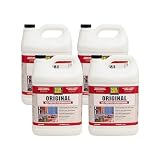
- Seals and protects interior or exterior stucco, brick, concrete, painted metal and vinyl surfaces from the damaging effects of water penetration
- 1 Gal. container waterproofs up to 300 sq. ft.
- Clear finish rejuvenates color on older painted and colored surfaces
- Reduces efflorescence
Leaks and water entering from elsewhere
A failed shower joint, leaking supply or drain pipe, cracked exterior masonry, roof or gutter overflow, rain exposure, groundwater, wicking from adjacent materials, and vapor movement can all deliver water to brick. The U.S. Environmental Protection Agency describes moisture problems as beginning when water moves from a source into a part of a building that should be dry. Peeling paint and spalling brick are warning symptoms, not proof of a single cause.
Free tools Windows power users keep installed
One-click scans. No signup required.
Efflorescence: the white, crusty clue
Efflorescence is a deposit of mineral salts left behind when water travels through brick, mortar or other masonry and reaches the surface. It often appears as white crusts or bands along mortar joints. Dulux Trade Australia explains that these salts create a friable, weak base; a coating applied over it can delaminate, crack, flake or peel. Efflorescence is related to moisture peeling, but it is not the same visible failure: the salt deposits are evidence that water has migrated through the masonry.
How do I find and stop the moisture before repainting?
Do not begin with a scraper or a new can of paint. Trace the water path first, because a cosmetic repair cannot stop an active leak or sustained vapor load.
- Observe when the wall becomes wet. Note whether bubbling increases after showers, heavy rain, use of a nearby sink or toilet, or periods when the room is closed. A pattern tied to rain points toward exterior entry; a pattern tied to showering points toward humidity or a shower-joint problem.
- Check the exhaust system. Confirm that an exhaust fan is present, operates during a shower and is correctly ducted. Installation and any electrical changes must comply with local electrical and building requirements. A fan that merely moves air into a ceiling or wall cavity can transfer the moisture problem rather than remove it.
- Inspect plumbing and wet-area joints. Look at shower valves, supply connections, drains, toilet connections, grout lines and caulked corners. Discolored brick, soft joints or dampness on the opposite side of the wall warrants a plumbing investigation.
- Inspect the exterior and above the room. Check exterior cracks, roof and gutter paths, window or door penetrations and any location where rain can reach the brick. Water can travel from a higher point and appear indoors several feet from the entry.
- Check the other side of the wall. A bathroom wall can be damp because of a leak in an adjoining room, a foundation or groundwater condition, or vapor moving through the assembly.
- Stop the source before surface work. Repair plumbing, roof, gutter, crack or joint defects and correct ventilation. If you cannot identify the source, pause the painting project and obtain a building or moisture assessment.
Do I need an exhaust fan if the wall keeps peeling?
Usually, yes, when showers are the main moisture source. An exhaust fan removes humid air before it condenses on brick, but it must be correctly sized, ducted and installed under local requirements. Ventilation will not repair a plumbing leak or exterior water entry, so persistent dampness after ventilation changes still requires diagnosis.
Run the fan during showering and use the bathroom’s normal controls as designed. Keep air pathways open so replacement air can enter the room; otherwise a fan may move little air. If a fan needs new wiring, a new duct route or a roof or wall termination, use a qualified installer rather than improvising electrical or building work.
Do these 3 things before closing this tab:
1Scan for outdated or missing drivers - takes under a minute2Clear out junk files and repair common Windows errors3Fix the driver behind crashes, sound loss and screen glitchesHow do I repair peeling or bubbling paint on brick?
Follow this order. Skipping the moisture, cleaning or drying stages traps the original failure beneath a fresh coating.
Also popular on Amazon

- Strong Bonding Performance: Specially formulated waterborne penetrating primer seeps deep into porous concrete, cement and masonry materials. It builds a firm underlayer for epoxy colored sand floor paint, polyurethane, or acrylic topcoats, effectively avoiding surface flaking, bubbling and layer separation to extend service life of garage, basement and factory ground surfaces.
- Surface Reinforcement & Barrier: Concrete Penetrating Primer functions as a high-performance surface treatment to bind loose fine particles and lower substrate porosity. It restricts water vapor transfer and salt crystal buildup, preventing white discoloration and coating aging; suitable for old concrete, plaster and uneven walls prior to top layer construction.
- Low Odor & Mild Composition: Waterborne penetrating primer is crafted with low-odor, gentle raw materials that meet environmental standards without harsh fumes. Concrete primer paint can be safely applied in living areas, bedrooms and cellars, creating a comfortable working environment for families with children and pets nearby.
- Stain Resistant: Penetrating primer delivers reliable stain and dirt resistance—repels spills, grease, and dust from adhering to the surface. It reduces stubborn permanent marks and keeps the top floor coating neat longer, lowering frequent rework and daily deep cleaning burdens.
- Upgraded Packaging & Easy Use: For better user experience, we upgraded the bucket with tight leak-proof sealing to prevent spills in transit and daily handling, zero waste from leakage. Penetrating Primer with the ready-to-use quick-dry formula recoats in 4 hours, smooth texture works with all common painting tools, easy for DIYers and contractors.
1. Remove loose and failed coating
Protect fixtures and floors, then scrape or otherwise remove peeling, blistered and poorly bonded paint. Sherwin-Williams advises checking adhesion in a 6- to 12-inch radius around a peeled area before deciding how far to strip. Paint that appears intact at the edge may still be detached underneath; remove it if the adhesion test shows movement.
Do not leave thin flakes, powdery edges or hollow-sounding sections simply because they are not yet falling. A new primer bonds only as well as the surface beneath it.
2. Brush away efflorescence and friable residue
Dry-brush white salt deposits and loose masonry residue with a stiff wire brush. Collect the debris rather than spreading it across the room. If the substrate and selected product allow rinsing, rinse as directed and give the wall time to dry completely.
Highly alkaline masonry may require a concrete-etching product, but use one only when the coating manufacturer permits it and exactly as directed. Etching is a preparation step, not a cure for continuing water movement. If efflorescence keeps returning, delay painting and continue investigating the moisture source.
3. Clean without damaging the brick
Use the least aggressive cleaning method that removes residue. Avoid forcing water into an already damp wall, saturating the opposite side of the assembly or abrading brick faces and mortar unnecessarily. Follow the primer and finish-coat technical data sheets for approved cleaners, rinsing and neutralization.
4. Let the masonry dry and check its condition
Do not seal moisture beneath primer. Dulux advises avoiding damp masonry above the moisture-reading threshold stated for its product, while the Brick Development Association says brick receiving a water repellent should be as dry as possible. Because limits vary by coating, use the selected product’s technical data sheet for moisture and pH requirements.
Also popular on Amazon

- Seals Concrete & Masonry Floors - Designed to block high moisture vapor transmission from concrete and masonry surfaces, reducing the risk of coating failure.
- Perfect for High-Traffic Areas - Ideal primer for pickleball courts, basketball courts, driveways, walkways, parking lots, patios, and other outdoor or indoor concrete spaces.
- Improves Coating Adhesion - Prepares the surface for topcoats such as paints, non-slip coatings, and epoxies, ensuring stronger bond and longer-lasting results.
- Quick-Dry & Water-Based - Dries fast for same-day coating and features a low-VOC, low-odor formula that’s safe for indoor and outdoor applications.
- Easy Spray-on Application - Must be applied using a low-pressure sprayer (40 PSI) equipped with a fan-type nozzle for even and effective coverage.
A masonry moisture meter can help locate wetter areas and compare readings, but the meter does not replace the manufacturer’s limit or a diagnosis of the water source. If readings remain high, the wall feels wet, or salts are still forming, stop the coating work.
5. Repair suitable cracks and joints
After cleaning and drying, seal appropriate cracks, penetrations and joints with a kitchen-and-bath waterproof sealant or a compatible siliconized acrylic or urethane caulk. Choose a sealant that is compatible with both the masonry and the coating system. Never use caulk to hide an active leak, bridge a moving structural crack or cover deteriorated mortar; those conditions need repair first.
6. Prime bare or repaired masonry
Apply a concrete-and-masonry primer-sealer to prepared bare brick and any areas where the old coating was removed. Sherwin-Williams names Loxon Concrete & Masonry Primer/Sealer as an example of this category. The primer must be compatible with the substrate, residual alkalinity and the planned finish coat.
Respect the product’s recoat window, coverage, temperature, humidity, moisture and pH limits. A primer labeled for ordinary drywall or wood is not automatically suitable for alkaline brick.
7. Apply the finish coating
Use a compatible masonry or interior coating rated for the room’s moisture conditions. Apply the number of coats and film thickness specified on the label, allowing each coat to dry under the stated conditions. Do not assume that a thicker film provides better waterproofing; an overly impermeable or incompatible film can trap vapor and fail again.
Crashes, No Sound, or Screen Glitches?
Random freezes, missing sound and display glitches usually trace back to one bad driver. Find and replace yours safely.Free scan · under a minutePC Slower Than It Used to Be?
A free scan shows the junk files, broken settings and background clutter dragging Windows down - then fixes them in one click.Free scan · Windows 10 & 118. Monitor the repair
Inspect the wall after showers and after significant rain. New white salts, renewed bubbling, peeling edges or persistent dampness are signs that water is still moving through the assembly. Stop adding paint and return to source diagnosis rather than repeatedly building up layers.
Also popular on Amazon

- Use on interior and exterior surfaces like concrete, cinderblock, brick, stucco, fiber cement siding, plaster, mortar, concrete masonry units and more to fill and smooth surfaces prior to applying topcoats units
- Covers up to 500 sq. ft. depending on application method and surface porosity
- Flat white finish is a high-hiding formula
- Provides excellent alkali resistance and eliminates concrete salt damage on top coats
How do I know whether the brick is too damp to paint?
Use three checks together: the wall’s physical condition, moisture readings and the coating manufacturer’s limits.
- Physical check: The brick and mortar should not feel wet, look dark from retained moisture or shed new powder after cleaning and drying.
- Salt check: Fresh efflorescence means water is still carrying soluble salts to the surface. Sherwin-Williams advises delaying painting when efflorescence continues.
- Instrument check: A masonry moisture meter can identify wet zones and help compare readings, but use the exact allowable reading in the chosen product’s technical data sheet. Do not substitute a generic internet threshold.
- Alkalinity check: Follow the primer’s pH limits and preparation instructions. High alkalinity can interfere with adhesion even when the wall appears dry.
The EPA describes damage as beginning after moisture accumulates beyond the safe moisture content limit of moisture-sensitive materials. That principle applies to the coating system: a dry-looking surface can still be outside the product’s permitted moisture range.
Which products and methods are appropriate for this repair?
Choose products by function and compatibility, not by a “waterproof paint” claim alone.
What’s actually slowing this PC down?
Pick the symptom - the matching free tool is one click away.
| Category | Use | Important limits or checks |
|---|---|---|
| Concrete-and-masonry primer-sealer | Promotes adhesion and seals prepared bare brick or mortar before the finish coat. | Verify compatibility with alkaline masonry, moisture level, pH and the finish product. |
| Moisture-suitable masonry or interior finish | Provides the visible protective coating after preparation and priming. | Follow the label for interior use, humidity, coverage, drying and recoat conditions. |
| Kitchen-and-bath waterproof sealant | Seals suitable stationary joints and small prepared gaps. | Never use it as a substitute for leak repair or structural crack repair. |
| Siliconized acrylic or urethane caulk | Alternative compatible sealant for appropriate joints where the product system allows it. | Check adhesion to brick and compatibility with primer and paint. |
| Stiff masonry wire brush | Removes efflorescence and loose residue before coating. | Brush without damaging sound brick faces or mortar; rinse only as directed. |
| Efflorescence remover or concrete etcher | Addresses persistent mineral or alkaline residue when specified by the coating system. | Use only on approved substrates and follow handling, rinsing and neutralization directions. |
| Bathroom exhaust fan | Reduces shower humidity before it condenses on the wall. | Correct ducting and local electrical and building compliance are required. |
| Masonry moisture meter | Helps locate damp areas and compare readings during drying. | Use the selected coating’s moisture limit; a meter reading alone does not identify the leak. |
| Breathable brick water repellent | May suit sound, clean, dry exterior masonry after salts are addressed. | The Brick Development Association warns that trapped vapor, soluble salts, cracks or poor ventilation can create new damage. Do not treat it as an indoor bathroom-paint solution without explicit product approval. |
Can I paint over efflorescence or bubbling?
No. Efflorescence is loose, salt-contaminated material, and bubbling indicates loss of adhesion. Paint applied over either condition is attached to a weak layer and is likely to delaminate again. Dry-brush and clean the salts, remove failed coating, correct the moisture source and wait until the deposits stop before priming.
Independent reader supportYour contribution helps us test, update, and keep practical guides available for everyone.What common shortcuts make the problem return?
- Painting immediately after scraping: Residual moisture remains under the new film.
- Painting over white salts: The friable, alkaline residue prevents a durable bond.
- Installing a fan without correcting its ducting: Moist air may be discharged into a cavity instead of outdoors or another approved location.
- Using ordinary wall primer: A product not designed for masonry may fail against alkalinity or moisture.
- Sealing an active leak with caulk: The visible joint looks better while water continues behind the wall.
- Using an exterior water repellent on an interior bathroom wall: An unsuitable film can restrict vapor movement and create new damage.
- Ignoring the surrounding paint: Delamination often extends beyond the obvious bubble; test adhesion around the failure and remove anything poorly bonded.
- Assuming humidity is the only cause: Plumbing, rain entry, groundwater and vapor pathways can produce the same symptom.
The U.S. Department of Housing and Urban Development’s 1994 Maintenance Guidebook VI – Painting Maintenance estimated that more than 80% of paint failures could be attributed to poor, improper or missing surface preparation. That is a historical HUD estimate, not a current universal statistic, but it illustrates why cleaning, drying and bonding checks deserve as much attention as the final color coat.
How do I stop bathroom paint from peeling again?
Keep the wall dry, keep water out of the masonry and inspect the first signs of recurrence.
Also popular on Amazon
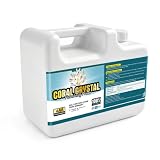
- Strong Bonding Performance: Specially formulated waterborne penetrating primer seeps deep into porous concrete, cement and masonry materials. It builds a firm underlayer for epoxy colored sand floor paint, polyurethane, or acrylic topcoats, effectively avoiding surface flaking, bubbling and layer separation to extend service life of garage, basement and factory ground surfaces.
- Surface Reinforcement & Barrier: Concrete Penetrating Primer functions as a high-performance surface treatment to bind loose fine particles and lower substrate porosity. It restricts water vapor transfer and salt crystal buildup, preventing white discoloration and coating aging; suitable for old concrete, plaster and uneven walls prior to top layer construction.
- Low Odor & Mild Composition: Waterborne penetrating primer is crafted with low-odor, gentle raw materials that meet environmental standards without harsh fumes. Concrete primer paint can be safely applied in living areas, bedrooms and cellars, creating a comfortable working environment for families with children and pets nearby.
- Stain Resistant: Penetrating primer delivers reliable stain and dirt resistance—repels spills, grease, and dust from adhering to the surface. It reduces stubborn permanent marks and keeps the top floor coating neat longer, lowering frequent rework and daily deep cleaning burdens.
- Upgraded Packaging & Easy Use: For better user experience, we upgraded the bucket with tight leak-proof sealing to prevent spills in transit and daily handling, zero waste from leakage. Penetrating Primer with the ready-to-use quick-dry formula recoats in 4 hours, smooth texture works with all common painting tools, easy for DIYers and contractors.
- Use the exhaust fan whenever the shower generates steam and keep it correctly ducted.
- Maintain shower caulk and grout joints, and repair failed plumbing promptly.
- After storms, check exterior cracks, roof and gutter paths and the opposite side of the wall for dampness.
- Do not cover new salt deposits with touch-up paint; treat them as a moisture warning.
- Keep records of where bubbling appears and whether it follows showers or rain. Patterns help a contractor distinguish interior humidity from a concealed leak.
- Use only coating systems whose technical data sheets match the brick’s moisture, pH and exposure conditions.
When should I call a qualified contractor?
Escalate when the wall remains wet after ventilation changes, an active plumbing or exterior leak is suspected, brick or mortar is structurally deteriorated, efflorescence persists, electrical work is needed for a fan or the project involves extensive damp-proofing. A contractor can investigate concealed water paths and determine whether masonry repairs are needed before coating.
Quick wins for a faster PC:
Clear out junk files and repair common Windows errorsFree Scan →Scan for outdated or missing drivers - takes under a minuteDriver Scan →Repair Windows errors before they cause bigger problemsFix Now →The Brick Development Association conditions water-repellent treatment on sound masonry, clean and dry surfaces, removal of salts and compatible ventilation. Those conditions are a useful boundary: if the wall cannot meet them, do not proceed with a repellent or a cosmetic repaint.
Frequently Asked Questions
Why are the white salts often strongest along mortar joints?
Water commonly follows the more permeable mortar network and evaporates at joints, leaving salts in bands there. Their location can help map moisture movement, but it does not identify whether the water came from a shower, plumbing, rain or another pathway.
Can an exterior breathable water repellent solve an interior bathroom wall problem?
Not by default. Such treatments are intended for suitable exterior masonry that is sound, clean, dry and free of ongoing salt movement; trapped vapor, cracks or poor ventilation can create additional damage. Use one indoors only if its technical documentation specifically approves that substrate and exposure.
When is a concrete-etching product actually necessary?
It is considered when masonry is highly alkaline or the selected coating system calls for it. Etching is not routine washing and should be used only on an approved substrate, with the specified rinsing and neutralization steps.
The Tool Desk
Outbyte Driver Updater FREEScan for outdated or missing drivers - takes under a minuteDriver Scan →Outbyte PC Repair FREEClear out junk files and repair common Windows errorsFree Scan →What does recurring bubbling after a successful repaint indicate?
It indicates that moisture is still reaching the coating or that a weak layer remains below it. Check for renewed salts, compare moisture readings across the wall and investigate plumbing, exterior entry and ventilation instead of adding another coat.
Quick Recap


