Outdated Drivers Are Slowing You Down
Recommended Free Tools
Outbyte Driver Updater · freeOne free scan finds every outdated or missing driver and matches the right update for your exact hardware.
Scan My Drivers Free →ThatPainter is reader-supported. When you buy through links on our site, we may earn an affiliate commission. Learn More
Use warm water first, then a small amount of mild dish soap if the wall still needs cleaning. Paint-care guidance from Sherwin-Williams and Benjamin Moore specifically identifies mild soap or mild dishwashing soap for painted walls, including grease on kitchen walls. The reviewed guidance does not specifically recommend ordinary household laundry detergent for this job, so it is a weaker, less certain choice rather than a proven paint-safe alternative. Whatever cleaner you use, protect the finish with a soft microfiber cloth or non-abrasive sponge, very little water, light pressure, a hidden-area test and a clean-water rinse.
Can you use laundry detergent to wash painted walls?
You can physically dilute laundry detergent and apply it to a wall, but it is not the first choice supported by the paint-care instructions reviewed for this article. Those instructions name mild soap, mild detergent or dishwashing soap; they do not specifically tell homeowners to use household laundry detergent on painted walls. That is an evidence limitation, not proof that every laundry product will damage every paint finish.
As an Amazon Associate I earn from qualifying purchases.
The Tool Desk
Outbyte PC Repair FREERepair Windows errors before they cause bigger problemsFix Now →Outbyte Driver Updater FREEScan for outdated or missing drivers - takes under a minuteDriver Scan →Laundry products are formulated for textiles, where builders, enzymes, fragrances, optical brighteners and dyes may be useful. The reviewed wall-cleaning guidance does not establish how those ingredients behave across different paints, sheens, ages or levels of cure. A formula that leaves no obvious mark on a durable semigloss wall could still leave residue, dulling or color change on a flat finish.
If laundry detergent is the only product available, treat it as a last-resort experiment. Read both labels, use warm water alone first, dilute far more than you would for clothing, test behind furniture and stop immediately if the paint becomes tacky, cloudy, streaked or lighter after drying. Do not assume that a product labeled “gentle” or “free and clear” has been tested for painted walls.
Popular on Amazon

- WHAT’S INCLUDED: One 32.5 fl oz bottle of Palmolive Ultra Pure + Clear Liquid Dish Soap, Fragrance Free
- WORKS EVERYWHERE YOU CLEAN: Whether you're hand-washing delicate glassware, scrubbing cast iron, or gently cleaning breast pump parts, this soap delivers consistent performance without irritation
- POWERFUL GREASE CUTTING: Instantly cuts through grease and eliminates stuck-on food, including tough, dried-on messes, giving you an effective cleaning performance you can trust
- SAFE FOR ALL: Perfect for cleaning dishes, toys, pacifiers, breast pumps, and baby bottles; gentle yet effective for the whole family
- PURE + CLEAR OF DYES: Our clear dish soap contains 0% parabens, phosphates, and dyes, with no harsh chemicals; delivering a safe, effective clean for everyone
Is dish soap safer for painted walls?
Mild dish soap has the clearest support from paint manufacturers for routine wall cleaning. Sherwin-Williams recommends mild soap and warm water for general wall washing and specifically points to grease-cutting dishwashing soap for kitchen grease. Benjamin Moore includes mild dish soap in its wall-cleaning supplies. These recommendations make a mild, well-diluted dish soap the better-supported option when water alone cannot remove the soil.
“Mild” matters. Use a small amount in a bucket of warm water rather than applying concentrated liquid directly to paint. Avoid strongly colored soaps, abrasive powders, solvent-based cleaners and products marketed for heavy-duty degreasing unless the paint maker specifically approves them. Even a recommended soap can leave a film if it is too concentrated or not rinsed.
Dish soap is not automatically safe on every finish. Flat and matte paints have little sheen and are easier to burnish or rub through. Eggshell and satin tolerate more cleaning but still need a light touch. Semigloss and gloss are generally more washable, yet their smoother surfaces can show fine scratches and streaks.
What is the difference between laundry detergent and dish soap for this job?
The practical difference is not a laboratory-proven ranking. No controlled head-to-head test or published percentage comparing laundry detergent with dish soap on painted walls was identified in the available guidance. The distinction is that paint manufacturers explicitly describe mild dishwashing soap as a wall-cleaning option, while ordinary laundry detergent is not directly named.
| Product | What the guidance establishes | How to use it on a painted wall | Main uncertainty or risk |
|---|---|---|---|
| Mild dish soap | Named by Sherwin-Williams for general cleaning and kitchen grease; listed by Benjamin Moore among supplies. | Add a small amount to warm water, apply with a soft cloth or non-abrasive sponge, rinse and dry. | Concentration, dyes, fragrance and excessive scrubbing can still cause residue, streaking or finish change. |
| Household laundry detergent | Not directly recommended in the reviewed painted-wall instructions. | Prefer warm water alone. If unavoidable, consult both labels, dilute heavily, test in a hidden spot and rinse thoroughly. | Formulations may contain builders, enzymes, fragrances or dyes whose effect on a particular paint is not established. |
| Warm water alone | Recommended starting point for light soil by multiple paint-care guides. | Use a barely damp cloth, working in a small section before expanding. | May not dissolve grease or adhered marks; excess water can still mark or damage paint. |
The safest decision is therefore sequential: remove loose dust, try warm water, then use a very weak solution of mild dish soap only where water is insufficient. This minimizes both chemical exposure and rubbing.
How does paint sheen change the safest cleaning method?
Check the paint can, color-card information or your project records if you know the finish. If you cannot identify it, assume the surface is more delicate until a hidden-area test shows otherwise.
Windows Errors? Fix Them Before They Spread
Repair common Windows errors and clear accumulated junk for a smoother, more stable PC - no reinstall needed.Free scan · no reinstallOutdated Drivers Are Slowing You Down
One free scan finds every outdated or missing driver and matches the right update for your exact hardware.Free scan · exact hardware matchAlso popular on Amazon
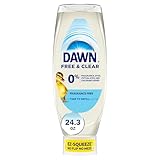
- 50% Less* Scrubbing (*vs. Dawn Non-Concentrated)
- Free of Dyes, No heavy perfumes, Phosphate Free.
- With Dawn EZ-Squeeze it's easier to get the amount you want, where you want it.
- Dawn helps save wildlife. Dawn is the only brand of dish soap trusted by rescue workers to clean wildlife impacted by oil spills.
- 3X Grease Cleaning Power* (*Cleaning ingredients per drop vs. Dawn Non-Concentrated)
| Finish or situation | Best starting point | Technique and risk control |
|---|---|---|
| Flat or matte | Warm water; only then a very weak mild-soap solution. | Use minimal pressure and short passes. Avoid abrasive sponges, repeated rubbing and over-wetting, because the surface can burnish, rub off or show a shiny patch. |
| Eggshell or satin | Warm water or mild dish soap. | Use a soft microfiber cloth or non-abrasive sponge, test first and rinse away residue. These finishes are more washable than flat paint but are not scrub-proof. |
| Semigloss or gloss | Mild soap; grease-cutting dish soap in warm water for kitchen splatters. | The film is generally easier to wipe, but abrasive tools can scratch it and strong cleaners can leave a visible dull area. |
| Recently painted wall | Wait for the paint maker’s cure guidance before wet cleaning. | “Dry” does not necessarily mean fully cured. Follow the label or technical guidance for the specific product. |
Sheen also affects what counts as a successful repair. A faint mark on a flat wall may be less noticeable than a polished spot created by scrubbing it. On glossy paint, the same rubbing can appear as a network of fine scratches rather than a color change.
How do you clean a painted wall without removing the paint?
Use a low-moisture, low-friction process. The following sequence combines the precautions repeated in manufacturer and retailer guidance.
- Wait for the appropriate cure time. Sherwin-Williams and The Home Depot advise waiting at least two weeks before washing newly painted walls. Benjamin Moore’s U.S. guidance says full cure can take about 30 days. The product label and paint maker’s instructions take priority because cure varies with formulation, temperature, humidity and ventilation.
- Gather separate cleaning and rinsing materials. Prepare warm water, a bucket, a soft microfiber cloth or non-abrasive sponge, a second clean cloth for rinsing and a soft towel for drying. A two-bucket setup—one for the cleaning solution and one for rinse water—helps prevent spreading dirty water.
- Remove loose grit first. Vacuum with a brush attachment, use a microfiber duster or wipe gently with a dry soft cloth. Dust left on the surface can smear into a paste or act as grit under the sponge.
- Test the method in an inconspicuous place. Behind furniture, near a baseboard or inside a closet is preferable. Apply the same water, soap, cloth and pressure you plan to use in the visible area.
- Start with warm water only. Dampen the cloth and wring it almost dry. Clean a small section with gentle strokes, then inspect while it is wet and again after it dries. If the soil lifts, continue with water rather than adding soap.
- Mix a weak dish-soap solution only if needed. Put warm water in the bucket and add a small amount of mild dish soap. The solution should feel lightly soapy, not thick or sudsy. Never pour concentrated soap onto the painted surface.
- Clean in small sections. Work from cleaner areas toward dirtier ones, using light, overlapping passes. Keep the cloth damp rather than dripping and frequently refold or rinse it so you do not redeposit soil.
- Rinse with a separate damp cloth. Wipe the section with clean water to remove soap residue. Rinse and wring the cloth often; a saturated cloth can leave runs and water marks.
- Dry promptly. Pat or wipe the area with a soft towel and allow it to finish air-drying. Compare the dry section with the surrounding wall before moving on.
- Stop at the first sign of finish change. Dulling, a shiny patch, streaks, discoloration, tackiness, bubbling or a watermark means the method is too aggressive for that surface. Let it dry, document the result and consult the paint maker or a professional before trying a stronger cleaner.
Rosco’s painted-surface guidance expresses the governing principle: begin with the gentlest cleaner and process possible. More pressure and more chemical strength are not a substitute for identifying the soil.
How should you remove kitchen grease from painted walls?
For isolated grease splatters, first remove loose dust and dab away excess oil without spreading it. Then use a small amount of grease-cutting dishwashing soap in warm water, as Sherwin-Williams specifically suggests for kitchen grease. Apply the solution to the cloth or sponge, not directly to the wall, and work a small area at a time.
Quick wins for a faster PC:
Scan for outdated or missing drivers - takes under a minuteDriver Scan →Clear out junk files and repair common Windows errorsFree Scan →Fix the driver behind crashes, sound loss and screen glitchesFind Drivers →Keep the cloth nearly dry, because grease cleaning often tempts people to flood the surface. After the mark lifts, rinse with a separate clean, damp cloth and dry. A lingering halo may be residue rather than remaining grease; rinsing is safer than increasing soap strength.
On flat paint, repeated attempts can create a cleaner-looking but shinier patch. If a grease mark has penetrated the coating or the surrounding paint has already changed, cleaning may not restore a uniform appearance; spot priming and repainting may be the appropriate repair.
Also popular on Amazon
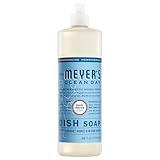
- This liquid Dish Soap cuts through grease, while making dishes clean and bright
- Our Dish Soap contains cleaning agents and other thoughtfully chosen ingredients to make grease disappear
- Rain Water dish soap has a fragrance so clean. Drops of Rain Water fall on leaves and noses and fill the air.
- Easy to use Dish Soap, made without parabens, phthalates or animal-derived ingredients
- Mrs. Meyer's products are made with cruelty-free formulas and are Leaping Bunny certified.
How do you remove scuffs without damaging paint?
Use the least aggressive method that works. Start with a dry microfiber cloth, then a barely damp cloth with warm water. Benjamin Moore and Sherwin-Williams guidance mentions a baking-soda-and-water paste for isolated scuffs, but baking soda is mildly abrasive, so it requires a hidden-area test and very light pressure.
Apply only a small amount of paste to the mark, make a few gentle passes and remove all residue with a clean damp cloth. Do not use a melamine “eraser” or abrasive pad as a default on painted walls; its abrasion can remove pigment or change sheen, especially on flat and matte finishes. If the mark does not respond quickly, stop rather than escalating pressure.
What’s actually slowing this PC down?
Pick the symptom - the matching free tool is one click away.
What if the wall has mold, mildew or an unknown stain?
Routine soap-and-water advice is for ordinary dust, fingerprints and light surface soil. Mold, mildew, water damage, nicotine staining and recurring dampness can require a different treatment and an investigation of the moisture source. The available wall-cleaning guidance does not establish one universal chemical recipe for those conditions.
Do not mix cleaners or improvise with bleach, ammonia, solvents or strong degreasers. Identify the paint and the stain, improve ventilation, and follow the paint manufacturer’s and the cleaning product’s safety directions. Extensive growth, soft or bubbling drywall, or a stain that returns after cleaning warrants a qualified remediation or painting professional.
What should you do if laundry detergent is the only cleaner available?
First ask whether cleaning can wait until you obtain a mild dish soap. If it cannot, reduce the risk rather than treating laundry detergent as equivalent.
- Read the laundry detergent label for surface-use warnings, dilution directions and ingredients that could leave color or residue.
- Use warm water alone on the entire wall before considering detergent.
- Prepare an extremely dilute solution only if the label permits non-laundry surface use; do not use a concentrated scoop or pod contents.
- Test behind furniture and let the area dry fully. Check for dulling, streaks, discoloration, tackiness, swelling or a watermark in normal light.
- Apply with a soft, almost-dry cloth, never a stiff brush or abrasive pad.
- Rinse twice with clean, damp cloths if any detergent was used, then dry the area.
- Stop if the finish changes. A failed test is a reason to repaint or seek product-specific advice, not to scrub harder.
Because no reviewed source establishes a universal safe dilution for laundry detergent on painted walls, giving a precise detergent-to-water ratio would create false confidence. The paint label and detergent label are more authoritative for a particular product than a generic recipe.
Also popular on Amazon

- No Flip. No Mess Cap
- Just grab the bottle & squeeze
- Easy on Hands, Tough on Grease
- 50% Less Scrubbing (vs. Dawn Non-Concentrated)
- Exotic Pomegranate & Rosewater scent
How long should you wait before washing a newly painted wall?
Wait until the paint has cured according to its manufacturer, not merely until it feels dry. Sherwin-Williams and The Home Depot guidance says to wait at least two weeks before washing. Benjamin Moore’s U.S. information notes that full cure can take about 30 days, while also distinguishing ordinary dry time from complete curing.
Temperature, humidity, airflow, coating type and film thickness affect the schedule. If the label gives a longer interval, use it. During the waiting period, remove only loose dust with a very soft, dry tool and avoid wet wiping, pressure-sensitive tape and abrasive contact.
What are the most common mistakes when cleaning painted walls?
- Skipping the dusting step: Dry grit becomes abrasive when trapped under a wet cloth.
- Using too much water: Saturation can leave marks, soften a coating, contribute to bubbling or drive moisture into joints.
- Applying cleaner directly to paint: Concentrated liquid creates a high-strength spot and runs into edges.
- Scrubbing until the mark disappears: The dirt may be gone while the sheen change remains.
- Cleaning an entire wall before testing: A hidden-area test can reveal incompatibility before it becomes a large repair.
- Skipping the rinse: Soap film attracts dust and can dry into visible streaks.
- Using one dirty bucket or cloth: Soil and detergent are redistributed instead of removed.
- Washing uncured paint: A coating can look dry yet remain vulnerable to water and friction.
- Assuming every sheen behaves alike: Flat, eggshell, satin, semigloss and gloss have different tolerance for moisture and rubbing.
- Escalating to harsh chemicals too quickly: Stronger is not automatically more effective and may make a localized repair obvious.
How can you tell whether the cleaning method worked?
Judge the wall only after it is completely dry. Wet paint can look darker, glossier or uneven even when no damage has occurred. Compare the cleaned test area with an adjacent untouched area under the same lighting.
A successful result removes the soil without leaving a visible edge, soap haze, color shift or sheen difference. Run your clean, dry fingertips lightly over the area only if the paint is fully cured; a sticky or chalky feel indicates residue or coating trouble. If the test passes, continue in sections and inspect each one before expanding.
Which cleaner should you choose for a painted wall?
Use this decision path rather than choosing by product category alone:
- Light dust or fingerprints: Dry microfiber dusting, followed by warm water if necessary.
- Persistent ordinary soil: A weak solution of mild dish soap in warm water.
- Kitchen grease: Mild grease-cutting dish soap in warm water, with careful rinsing.
- Isolated scuff: Warm water first; a cautiously tested baking-soda-and-water paste only for a small mark.
- Flat or matte finish: Use the least moisture and pressure, and expect that some marks may require touch-up rather than repeated washing.
- Unknown stain, mold or water damage: Pause routine cleaning and obtain product-specific or professional advice.
- Only laundry detergent available: Delay if possible; otherwise test a very dilute, label-permitted solution in a hidden area and rinse thoroughly.
For ordinary painted-wall cleaning, mild dish soap is the defensible default because it is explicitly named in the available paint-care guidance. Laundry detergent remains an unverified substitute, not a demonstrated improvement.
What do paint manufacturers actually say about wall washing?
Sherwin-Williams describes soft cloth or sponge with mild, soapy water as the typical approach and identifies grease-cutting dishwashing soap for kitchen grease. Its newly painted-wall guidance, along with The Home Depot’s instructions, uses a minimum two-week wait before washing.
Also popular on Amazon

- POWERFUL AND EFFECTIVE: Our new and improved Liquid Dish Soap easily cuts through grease and grime to leave your dishes sparkling.
- SAFER INGREDIENTS FOR PEOPLE & PLANET: We adhere to strict ingredient integrity, so you’ll never find harsh chemicals in our products. Certified Cruelty-Free by Leaping Bunny and Made in the USA.
- GENTLE ON DISHES, HANDS: Can use on baby bottles and pacifiers, as well in homes with those who struggle with skin and fragrance sensitivities. Enhanced scrubbing formula is tough on food stains while gentle on hands. Mild pH, septic safe.
- WHAT'S INCLUDED: Two (2) 24 oz bottles of our Liquid Dish Soap, formulated with only the best ingredients for you, your family and your household.
Benjamin Moore lists mild dish soap among wall-cleaning supplies and advises testing a hidden area. Its U.S. fresh-paint guidance notes that full cure may take about 30 days. Rosco’s painted-surface material recommends starting with the gentlest cleaner and process possible. Nippon Paint’s wall-cleaning guidance, updated August 18, 2026, also treats careful surface preparation and gentle cleaning as central to avoiding finish damage.
Recommended Free Tools
These are qualitative manufacturer and retailer recommendations. They do not establish a measured superiority percentage for dish soap over laundry detergent, nor do they guarantee the same outcome for every brand, color, sheen or wall condition.
When should you stop cleaning and repaint instead?
Stop when the wall has a burnished patch, exposed undercoat, bubbling, peeling, persistent watermark or a stain that repeatedly returns. Additional washing cannot restore paint that has been abraded or moisture-damaged.
Once the surface is dry, determine whether the issue is isolated or widespread. A small, stable mark on a sound coating may be handled with compatible touch-up paint after cleaning and preparation. Broad sheen variation, recurring dampness, smoke staining or damaged drywall usually needs diagnosis, priming and a planned repaint rather than more detergent.
Frequently Asked Questions
Can I use dish soap on a flat-painted wall?
Yes, but use much less soap and pressure than you would on a washable semigloss surface. Start with warm water, test a hidden area, keep the cloth nearly dry and accept that a stubborn mark may need touch-up paint instead of repeated rubbing.
Free tools Windows power users keep installed
One-click scans. No signup required.
Will rinsing remove all dish-soap residue from painted walls?
A separate clean, damp cloth removes most residue when it is changed or rinsed frequently. Follow with a soft towel, because residue left to dry can appear as streaks and attract dust.
Why does a cleaned spot look shinier after it dries?
Rubbing can burnish the coating, especially on flat or matte paint, creating a permanent sheen change even when the dirt is gone. Let the area dry fully before judging it; if the difference remains, further scrubbing is unlikely to help.
Can I clean a wall before selling or renting a home?
Yes, provided the paint is cured and you use the least aggressive method that removes the visible soil. Photograph or inspect test areas first, because a large shiny patch can be more noticeable to an inspector or prospective tenant than the original fingerprint.
Does warm water remove nicotine or smoke stains from painted walls?
Warm water and mild soap may remove surface residue, but embedded smoke staining can bleed back through ordinary paint. Persistent discoloration generally requires stain-blocking preparation and repainting advice rather than progressively stronger household detergents.
Do these 3 things before closing this tab:
1Clear out junk files and repair common Windows errors2Scan for outdated or missing drivers - takes under a minute3Repair Windows errors before they cause bigger problemsQuick Recap

Product prices and availability are accurate as of the date/time indicated and are subject to change. Any price and availability information displayed on Amazon at the time of purchase will apply.

