Free tools Windows power users keep installed
One-click scans. No signup required.
ThatPainter is reader-supported. When you buy through links on our site, we may earn an affiliate commission. Learn More
For most living rooms, paint is the safer default: it creates a continuous finish, tolerates minor wall irregularities, can be refreshed with another coat, and makes color changes straightforward. Peel-and-stick wallpaper is the better choice when you want a bold pattern, mural-like focal wall, or a reversible style change without wet paste. Its result depends heavily on a smooth, clean, dry wall and careful panel alignment. The right choice therefore depends less on a universal price or lifespan and more on your wall condition, visual goal, maintenance expectations, air-quality priorities, and willingness to do precise installation work.
As an Amazon Associate I earn from qualifying purchases.
At a glance
| Name | Best for | Key spec | Checked |
|---|---|---|---|
| Interior paint | All-over color, frequent refreshes, easier touch-ups, walls with minor texture | Enamel-based and high-gloss formulas are generally durable, according to Sherwin-Williams | Oct 2026 |
| Peel-and-stick wallpaper | Feature walls, high-impact patterns, temporary changes, avoiding wet paste | Requires a smooth, clean, dry surface; panels are applied edge to edge and smoothed | Oct 2026 |
Which is better for a living room: paint or peel-and-stick wallpaper?
Choose paint when you value a uniform backdrop, simple future color changes, forgiving application, and localized touch-ups. Choose peel-and-stick wallpaper when the room needs pattern, texture, or a mural effect and the wall can meet strict preparation requirements. A feature wall is usually the lowest-risk way to use wallpaper, while paint is the more predictable option for covering every wall.
Neither material wins every category. Paint changes the wall’s color but normally leaves the surface visually calm. Wallpaper can transform the room’s character in one installation, yet seams, bubbles, wrinkles, pattern repeats, and wall texture are more visible when the work is not precise. Removal is also product- and wall-dependent for both options: paint is changed by recoating, while removable wallpaper depends on its adhesive and the condition of the underlying wall.
Popular on Amazon

- 【SIZE&MATERIAL】17.3In X118.In=14.16sq.ft.Floral wallpaper,upgrading and thickening. Adopt vinyl and the latest removable glue,wallpaper sticks to any smooth, flat ,clean surface,No residue after removal.
- 【UNIQUE DESIGN】The wallpaper is close to black as the background, and blue green, orange, yellow, beige and white to depict the flowers and leaves, the overall deep tone is mainly but not dull, fresh and vivid and has a vintage style.
- 【EASY TO USE】Just peel and stick. No extra glue and no experience required. The wallpaper has grid lines on the back for easy tailoring as needed. Waterproof, oil-proof, durable,easy to clean,just wipe it with a cloth.
- 【MULTIFUNCTION】Suitable for walls, cabinets, tables, furniture, etc. Can be used to decorate your bedroom, bathroom, living room, office, etc. DIY available! Ideal for rentals or dorms.
- 【TIPS】There may be a slight chromatic aberration due to different lighting. It would better buy enough rolls at a time to make sure they come from the same batch to avoid color difference.
What visual effect will each material create?
Paint gives a continuous field of color
Paint is the better match for a quiet backdrop behind furniture, art, shelving, or a television. One color can make a small room feel visually orderly, and a new color can be applied later without matching a pattern repeat. Sheens also change the impression: lower-sheen finishes tend to reduce the emphasis on minor surface variation, while higher sheens reflect more light and can make imperfections easier to see.
Wallpaper supplies pattern and a focal point
Peel-and-stick wallpaper can deliver botanical motifs, geometric repeats, faux materials, or a mural-like image without mixing paste. It is especially effective on one wall behind a sofa, fireplace, or media console, where the pattern has a clear visual job. The trade-off is that every panel must line up and every crease or trapped bubble can remain noticeable in changing daylight.
- Use paint for an adaptable room that may receive new furniture or artwork.
- Use wallpaper when the wall itself should be the room’s main decorative element.
- Combine them by painting three walls and using wallpaper on one focal wall, provided the colors and pattern scale work together.
How does wall condition affect the decision?
Preparation is the deciding factor for peel-and-stick wallpaper. Manufacturer instructions require a smooth, clean, dry surface. Dust, grease, loose fibers, dampness, heavy texture, or an incompletely cured coating can keep the adhesive from making consistent contact. Minor texture that paint can visually soften may telegraph through a thin wallpaper film.
Walls suited to paint
Paint is generally more forgiving after ordinary repairs. Fill cracks and holes, sand the repairs smooth, remove dust, and prime areas that would otherwise absorb paint differently. A carefully prepared wall can accept a new coat even when it is not perfectly flat, although deep damage and active moisture should be corrected rather than hidden.
Walls suited to peel-and-stick
Inspect the wall from several angles under the room’s actual lighting. Sand ridges, remove flaking material, clean residue, and allow the surface to dry completely. Porous walls may need primer so the adhesive does not lose grip into the substrate. New walls should be thoroughly cured, dry, and primed; previously painted walls need cracks and holes filled, sanding, spot-priming, and priming of the areas to be papered, as outlined by Sherwin-Williams.
Do not use wallpaper to conceal dampness, active leaks, crumbling plaster, or unstable paint. Trapped moisture can undermine adhesion and create a repair problem behind the panels.
Also popular on Amazon
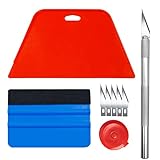
- Complete Tool Kit: Includes a large smoothing tool, blue squeegee, utility knife, replacement blades, and measuring tape for installation tasks.
- Smooth Application: The smoothing tools help reduce bubbles and creases during installation for a smoother surface and easier application.
- Cutting Tool: Includes a utility knife and replacement blades for cutting and trimming materials during installation.
- Smart Measuring Companion: Comes with measuring tape to plan layout and trim accurately before applying, minimizing waste for a perfect fit.
- DIY Installation: Designed as a basic tool set for vinyl backsplash tile installation and DIY home improvement projects.
What preparation does a painted living room require?
- Clear and protect the room. Move furniture away from the walls, remove plates and hardware, and cover floors and items that cannot be moved.
- Clean the surface. Remove dust, grease, and residue so the new coating bonds to the wall rather than to contamination.
- Repair damage. Fill nail holes and cracks, let the compound dry, then sand until the repair is flush.
- Prime strategically. Spot-prime repairs and use a full primer coat when the substrate is porous, stained, glossy, or a major color change is planned.
- Mask and cut in. Protect trim, windows, doors, and adjacent surfaces before brushing edges.
- Roll systematically. Work in manageable sections, maintain a wet edge, and follow the paint label for recoat and drying times.
- Inspect before restoring the room. Look for misses, lap marks, drips, and flashing after the coat has dried under normal room light.
A paint refresh is usually straightforward because a future repair can be blended with the same product and sheen. Keep the label information and a small amount of leftover paint for later touch-ups.
Recommended Free Tools
How do I install peel-and-stick wallpaper correctly?
Measure the wall, check the pattern repeat, and gather a level or plumb line, measuring tool, sharp blade, smoothing tool, clean cloth, and a straightedge. Work slowly: alignment errors compound across a wall, and repositioning becomes harder once adhesive picks up dust or fibers.
- Confirm the surface. Ensure the wall is smooth, clean, dry, cured, and free of loose paint or dust. Prime porous areas if the product instructions call for it.
- Plan the layout. Measure the wall height and width, identify the most visible starting point, and account for the pattern repeat and trimming waste.
- Establish a plumb guide. Use a level or plumb line rather than assuming a corner is perfectly straight.
- Position the first panel. Peel back only enough backing to set the top edge, keeping the panel aligned to the guide.
- Apply edge to edge. Follow the installation document’s instruction to place panels edge to edge, not overlapped, unless the specific product says otherwise.
- Smooth as you go. Press from the center outward to drive out bubbles and wrinkles. Lift and reposition gently while the adhesive still allows it.
- Trim excess. Use a sharp blade and straightedge at ceilings, baseboards, corners, and openings; change blades when they begin to drag.
- Check the finished wall. Inspect seams, corners, and bubbles from several angles, then wait 24 hours for the final result before judging the installation.
The installation document says panels can be removed and replaced multiple times, but adhesive effectiveness decreases when it collects dust, dirt, or fibers. Keep the backing and handle removed panels by clean edges if repositioning is necessary.
Which option is easier to remove or change later?
For a painted wall, changing the look normally means cleaning, preparing, and recoating. The new color may require primer when it is a strong contrast or when the old surface is stained, but the process is familiar and does not depend on an adhesive releasing cleanly.
Peel-and-stick wallpaper is potentially more reversible, not automatically so. Sherwin-Williams describes peel-and-stick products as easy to remove or reposition, while its wallpaper guidance notes that some wallpapers require peeling tools, shavers, or chemical strippers. The exact product instructions and the wall beneath it control the outcome. Adhesive that has bonded to weak paint, dusty primer, or a porous substrate can pull material away during removal.
Do these 3 things before closing this tab:
1Clear out junk files and repair common Windows errors2Scan for outdated or missing drivers - takes under a minute3Repair Windows errors before they cause bigger problems- Read the removal instructions before buying enough material for the room.
- Test a sample in an inconspicuous area and leave it long enough to reveal lifting or residue.
- When removing, pull slowly and keep the strip close to the wall rather than yanking outward.
- Expect to patch, sand, and prime if the old finish or adhesive damages the substrate.
Never assume that “peel-and-stick” means zero wall risk. Repositionability describes the product under suitable conditions, not every painted, textured, or previously repaired wall.
Also popular on Amazon

- ROLL OF WALLPAPER: Each roll of wallpaper measures 17.5'' x 393'', covers 48.5 square feet. Black floral pattern wallpaper that is durable, removable, waterproof, longevity. Please choose enough rolls at a time to ensure they are from the same batch to avoid color differences.
- Quick & Easy Operation: Floral wallpaper just peel and stick, no glue or tape required. The wallpaper has a grid on the back so you can easily cut it to the size you need. We sugguest patiently and slowly peel off the contact paper from the edge, sticking it while tearing, please don't remove too much at once. Paste vertically form top to bottom, preferably smoothing the wallpaper with a scraper or hard card.
- Design & Match: Floral wallpaper can be matched up perfectly. Try to move them up and down the alignment points when stick. You can find the correct repeat of this pattern very easy and match the 2 contact paper directly. Using flower and leaf elements, outlining the delicate lines with gold, the overall design is exquisite and beautiful.
- Multipurpose: The best DIY idea! Vintage floral wallpaper for living room, kitchen, bathroom, bedroom, toilet, countertops, cabinets, walls, etc. Renter friendly and temporary wallpaper for apartments. Dark floral contact paper is beautiful whether pasted on large or small areas.
- Warm Tips: Floral wallpaper sticks better on a smooth, clean and dry surface. It may fall off when on a textured surface. The color of floral wallpaper may vary due to individual screen resolution and lighting. Pls contact us anytime for any problems.
How do maintenance and repairs compare?
Paint touch-ups are localized
Paint supports small repairs when you retain the exact color, sheen, and product. Clean the area, feather the edges of the repair, and apply enough coating to blend without creating a raised spot. High-traffic walls may benefit from a more washable, durable formulation; Sherwin-Williams identifies enamel-based and high-gloss paints as generally durable.
Wallpaper cleaning is gentler
Washable wallpaper can usually be dry-cleaned or gently damp-cleaned, but abrasive cleaners and aggressive scrubbing can damage the print or surface. Asian Paints advises gentle cleaning and says a damaged section may be replaced with the same pattern: its wallpaper FAQ. Store an extra roll or panel when possible, because a later production run may not match the original color exactly.
Damage visibility differs
A small paint scuff can often be corrected with a brush or mini roller. A torn or stained patterned panel may require replacing an entire vertical section so the repeat remains aligned. Keep the original product name, batch information, and pattern direction for any future repair.
The Tool Desk
Outbyte Driver Updater FREEFix the driver behind crashes, sound loss and screen glitchesFind Drivers →Outbyte PC Repair FREERepair Windows errors before they cause bigger problemsFix Now →Which choice is better for indoor air quality?
Choose low- or zero-VOC paint where available, and ventilate the room during and after painting. YourHome specifically recommends paints with zero or low VOC levels and good ventilation. Follow the label’s ventilation and re-entry guidance, especially in a room used by children, older adults, or anyone sensitive to odors.
Wallcovering materials and adhesives vary. Building Clean describes peel-and-stick adhesive as a less-toxic alternative to wet applications while warning that some vinyl wallcoverings can contain PVC-related additives. Check the material disclosure, adhesive claims, and any certification rather than treating every wallpaper as chemically identical.
- Open windows or use mechanical ventilation when conditions permit.
- Keep containers closed when not in use and dispose of saturated rags safely according to the product label.
- Let paint or adhesive cure as directed before replacing furniture tightly against the wall.
- For sensitive occupants, prioritize documented low-emission products and ventilate longer than the minimum label guidance.
Is paint or peel-and-stick wallpaper cheaper?
There is no reliable universal winner. Total cost depends on wall area, number of coats, paint grade, primer, tools, wallpaper price, pattern repeat, trimming waste, surface repairs, and whether installation is hired out. A simple paint color can use inexpensive materials, while a premium washable finish or extensive repairs can raise the total. Wallpaper can avoid wet-paste supplies but may require extra rolls for pattern matching and waste at openings.
Also popular on Amazon

- Authentic Distressed Look Design : The realistic appearance and gray-white tone of white wooden wallpaper,showcases a wood texture with natural imperfections,that captures the timeless beauty weathered wooden planks
- Easy to Install and Remove : Just peel and stick according to the grid lines, it can be removed without damaging the surface of the wall
- Multi-scene: Suitable for bedroom, bathroom, living room, wall, cabinets and drawers, furniture renovation, etc. Simple white and classic wooden boards create an eternal aesthetic feeling, which complements various interior design themes
- Size: Each roll measures 17.7 inches by 78.7 inches, covering an area of 9.68 square feet. We offer a variety of sizes to suit your needs, and for bigger spaces, we recommend choosing the larger rolls
- CiCiwind Brand:Search "ciciwind wallpaper" on amazon or CiCiwind Store to find more patterns you like
Calculate both options for your actual room instead of comparing a can of paint with a single wallpaper roll. Measure wall area, subtract large openings, then add realistic waste: paint needs enough product for the specified coats; wallpaper needs allowance for pattern repeats, trimming, and mistakes. Include primer, masking materials, blades, smoothing tools, drop cloths, and labor in the same comparison.
Windows Errors? Fix Them Before They Spread
Repair common Windows errors and clear accumulated junk for a smoother, more stable PC - no reinstall needed.Free scan · no reinstallCrashes, No Sound, or Screen Glitches?
Random freezes, missing sound and display glitches usually trace back to one bad driver. Find and replace yours safely.Free scan · under a minute| Cost driver | How it affects paint | How it affects peel-and-stick wallpaper |
|---|---|---|
| Surface repairs | More filler, sanding, and primer; severe stains may need specialty primer | More smoothing and priming; texture can make the wall unsuitable |
| Coverage | Number of coats and paint opacity determine quantity | Wall dimensions, panel width, pattern repeat, and trimming waste determine quantity |
| Tools | Brushes, roller, tray, masking materials, and floor protection | Level, straightedge, sharp blades, smoothing tool, and clean cloth |
| Labor | Time for masking, cutting in, rolling, and drying between coats | Time for measuring, alignment, smoothing, seam checks, and precise trimming |
Local retail prices and product quality change, so use current quotes for the specific room and finish. Avoid choosing wallpaper solely because it appears faster; correcting misaligned panels can consume more material and time than planned.
Independent reader supportYour contribution helps us test, update, and keep practical guides available for everyone.What are the most common failure modes?
Paint problems
- Flashing: patched areas reflect light differently because they were not sealed or primed consistently.
- Lap marks: edges dried before adjacent sections were blended; work in smaller sections and maintain a wet edge.
- Peeling: moisture, contamination, or weak underlying paint prevented adhesion; remove unstable material and correct the moisture source before repainting.
- Visible texture: paint follows deep ridges and dents; repair and sand rather than adding more coats.
Wallpaper problems
- Seams drifting: the first panel was not plumb, so each following panel moved farther out of alignment.
- Bubbles or wrinkles: the panel was pressed down too quickly, the wall was dirty, or the substrate was uneven.
- Edges lifting: dust, porous substrate, dampness, or an incompatible coating reduced adhesive contact.
- Pattern mismatch: the repeat was not planned, or panels from different batches vary subtly.
Sherwin-Williams warns that painting over wallpaper can leave visible seams, cause blistering or peeling from paint moisture, and adhere poorly over heavy vinyl. Remove unsuitable wallpaper and prepare the wall instead of relying on paint to hide it.
How should I decide for my specific living room?
Use this sequence to make the choice before buying materials:
- Inspect the wall. If it is textured, dusty, damp, porous, or unstable, favor paint after proper repair or postpone both finishes until the wall is corrected.
- Define the visual job. For a calm background, choose paint; for a focal wall or strong pattern, consider peel-and-stick wallpaper.
- Choose your change strategy. If you expect frequent color changes, paint is simpler. If the style is temporary and the product passes a removal test, wallpaper may suit the project.
- Set your maintenance tolerance. Paint offers easier spot repairs. Wallpaper demands gentle cleaning and may require matching replacement panels.
- Check air-quality information. Select low- or zero-VOC paint and ventilation practices, or review wallcovering and adhesive materials and certifications.
- Price the complete installation. Include preparation, waste, tools, and labor for the exact wall dimensions.
- Test before committing. Paint a sample area to check color and sheen. Place a wallpaper sample in an inconspicuous area, confirm the paint has fully cured, and follow the removal instructions before covering the room.
When priorities conflict, a painted room with one wallpapered feature wall often balances adaptability and visual impact. It limits adhesive exposure and pattern-matching work while giving the wallpaper a defined focal role.
Can I put peel-and-stick wallpaper on a painted living-room wall?
Yes, if the paint is fully cured and the wall is smooth, clean, dry, and sound. Clean away dust and grease, repair defects, and test a sample first; porous or chalky coatings may need suitable primer. Do not apply over peeling paint, heavy texture, dampness, or an uncertain coating without correcting the substrate.
Also popular on Amazon
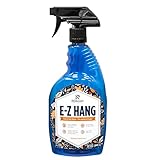
- EASY ADJUSTMENT - E-Z Hang provides ‘slip’ allowing you to float your wallpaper into position without having to peel and re-stick, simplifying pattern matching.
- DURABLE BOND - Provides improved adhesion for a long lasting, durable bond.
- SPRAY APPLICATION - No need for paint brushes and rollers with the simple spray application.
- ELIMINATE THE MESS - Clean excess adhesive using only water. Excellent for use with pre-pasted wallpapers, and eliminates the need for messy water trays.
- MADE IN ILLINOIS - Proudly made in Calumet City, Illinois.
How long should paint cure before wallpaper goes over it?
Use the paint manufacturer’s full-cure guidance rather than relying only on the time the wall feels dry. Temperature, humidity, film thickness, and product chemistry affect curing, and wallpaper adhesive can fail on a coating that is still releasing moisture. A small-area adhesion test is prudent before purchasing enough wallpaper for the room.
Will peel-and-stick wallpaper damage drywall?
It can, depending on the adhesive, wall preparation, paint strength, and removal technique. A compatible product on a sound, properly prepared wall may release cleanly, but pulling against weak paint or porous drywall can lift the surface and leave adhesive. Follow the product’s removal method and plan for patching and priming if the substrate is disturbed.
Can I paint over peel-and-stick wallpaper later?
Painting over wallpaper is risky because seams can remain visible, paint moisture can cause blistering or peeling, and heavy vinyl may provide poor adhesion. Removing the wallpaper and preparing the wall usually produces a more predictable painted finish. If removal is not feasible, obtain product-specific guidance and test adhesion in a hidden area first.
Free tools Windows power users keep installed
One-click scans. No signup required.
Is wallpaper easier to keep clean than painted walls?
Neither is universally easier. A washable wallpaper can be gently wiped, but abrasive cleaners and scrubbing may damage its surface, while a durable paint can tolerate routine cleaning and localized touch-ups. Follow the exact care instructions for the selected finish and keep replacement material for patterned repairs.
Frequently Asked Questions
Does peel-and-stick wallpaper work on textured walls?
Usually not reliably when the texture is pronounced. Peaks reduce adhesive contact and can show through the paper, so smooth and seal the surface or choose paint instead.
Should I wallpaper every living-room wall or just one?
A single feature wall lowers material use, pattern-matching exposure, and removal risk while preserving visual impact. Use all-over wallpaper only when the pattern, wall condition, and maintenance plan support it.
What sheen of paint is most practical in a living room?
Select a sheen based on the desired appearance and cleaning needs, following the paint maker’s recommendations. Higher-sheen and enamel-based products are generally durable, but they can reveal surface imperfections more readily.
What’s actually slowing this PC down?
Pick the symptom - the matching free tool is one click away.
How do I store leftover wallpaper for future repairs?
Keep unopened material in a clean, dry place with the product name, pattern information, and batch details. Protect opened panels from dust and fibers so the adhesive remains usable for a later matching repair.
Quick Recap


