Windows Errors? Fix Them Before They Spread
Repair common Windows errors and clear accumulated junk for a smoother, more stable PC - no reinstall needed.
Fix My PC Now →Free scan · no reinstall
ThatPainter is reader-supported. When you buy through links on our site, we may earn an affiliate commission. Learn More
As an Amazon Associate I earn from qualifying purchases.
For a shower or tub-surround, choose a correctly waterproofed tile assembly. Tile is the safer default where walls receive direct spray because its performance comes from a complete system—waterproof membrane, sound backing, sealed transitions and properly installed tile—not from the tile face alone. Painted brick can be attractive and less expensive on a dry or low-splash bathroom wall when the masonry is sound, clean and able to remain dry. Paint by itself is not a substitute for wet-area waterproofing.
Free tools Windows power users keep installed
One-click scans. No signup required.
The practical choice depends on five things: how much water reaches the wall, whether the existing brick is dry and stable, the full installed cost, how much grout care you will accept, and whether you want an easy cosmetic change or a more permanent finish. The comparison below separates those decisions so you can specify the right wall treatment rather than choosing on material price alone.
Popular on Amazon
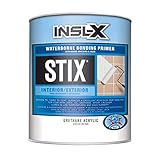
- Premium-quality, acrylic-urethane bonding primer-sealer with unparalleled adhesion to the most challenging surfaces, including glossy tile, PVC, vinyl, plastic, glass, glazed block, glossy paint, pre-coated siding, fiberglass, and galvanized metals.
- Bonding primer for drywall, plaster, ceiling, acoustical tile, wood trim and doors, Formica, ceramic tiles, glossy surfaces, PVC plastic, masonry walls, wood, trim, shutters, masonry, stucco, concrete, cement block, galvanized metal, aluminum, and other challenging surfaces.
- Bonds to "hard-to-coat" surfaces and can be top coated with almost any product.
- Fully cures in temperatures as low as 35 °F.
- 75 - 100 square foot coverage for interior or exterior use
Is painted brick cheaper than tile for a bathroom wall?
Usually, yes at the surface-material level, but the saving exists only when the existing brick needs little correction. The National Kitchen & Bath Association (NKBA) describes paint as the least expensive bathroom wall covering. Painting an exposed, sound brick wall can avoid demolition, backer-board work and tile-setting labor. Cleaning, repointing, efflorescence removal, bonding primer, multiple coats, access equipment and moisture repairs can narrow or erase that initial advantage.
Tile estimates include much more than the tile itself. Wall preparation, a waterproofing layer in wet zones, setting materials, trim, fixture cutouts, grout, labor and disposal all affect the final invoice. Compare itemized scopes rather than a paint gallon against a box of tile.
| Published reference | Scope and date | Reported cost |
|---|---|---|
| The Home Depot planning guide | Example wall-tile components in its current guide | $2.00 per sq. ft. tile material; $1.37 per sq. ft. setting materials; $8.00 per sq. ft. installation; about $11.37 per sq. ft. for those example components before other project costs |
| RemodelingExpense | Bathroom wall tiling estimate, June 22, 2026 | $15–$55 per sq. ft. installed; most 100-sq.-ft. projects shown at $1,500–$5,500 |
| Angi | Professional bathroom retiling guide, August 3, 2026 | $10–$50 per sq. ft. as a typical planning range; total professional projects reported at $450–$8,000 |
Those references describe tile work, not a national average for painting existing brick. No authoritative bathroom-specific national average establishes a single painted-brick price. Ask a painter to separate washing, repairs, primer, finish coats and any moisture remediation so the lower-cost option can be checked rather than assumed.
The Tool Desk
Outbyte Driver Updater FREEScan for outdated or missing drivers - takes under a minuteDriver Scan →Outbyte PC Repair FREERepair Windows errors before they cause bigger problemsFix Now →What a 100-square-foot wall might cost to tile
Applying the published ranges gives a planning envelope, not a quote. At $15–$55 per sq. ft., 100 sq. ft. of tiled wall is $1,500–$5,500 installed under RemodelingExpense’s 2026 estimate. Angi’s $10–$50 planning range would be $1,000–$5,000 for the same area when the scope fits that range. The Home Depot example components total about $1,137 for 100 sq. ft. before waterproofing, trim, demolition, difficult cuts, taxes or local adjustments.
Wall size is only one variable. A small shower with many niches, corners and plumbing penetrations can cost more per square foot than a large, open wall. Conversely, a straight, accessible wall over a suitable substrate may land near the lower end of a local quote.
Which wall is more waterproof: painted brick or tile?
A properly detailed tile assembly is more dependable in direct-splash areas. NKBA describes ceramic tile as waterproof, but the finished surface still relies on a waterproof membrane or other approved barrier behind it, sound backing, sealed joints and correct detailing at corners, valves, niches and the floor-to-wall transition. Tile is a finish layer, not the entire waterproofing system.
Also popular on Amazon

- Designed for interior and exterior surfaces
- Bonds to glossy surfaces without scuff sanding
- 35°F low application temperature
- Formulated with stain‐blocking resins
- Rust inhibitive ‐ may be used to prime ferrous metal
Painted brick has a narrower safe operating range. The masonry must be dry, structurally sound and able to stay dry after painting. The U.S. National Bureau of Standards stated in Building Materials and Structures Report BMS110 (1947): “It is essential that walls be dry at the time of painting and be so constructed or so treated as to remain dry after painting.” The report links painting wet or structurally damp walls with early scaling and flaking.
Vieux Carré Commission guidance also warns that waterproof coatings can trap moisture in masonry. If water is entering from a leak, rising through the wall, condensing on a cold surface or moving through failed joints, coating over it can conceal the symptom while the paint film fails. Fix the moisture source and defective masonry first.
Use a zoning rule, not a material slogan
- Shower and tub-spray zones: use tile over a correctly waterproofed assembly. Do not rely on paint over brick as the wet-area barrier.
- Walls outside direct spray: painted brick can work when inspection shows dry, stable masonry and the room has effective moisture control.
- Low-splash bathroom walls without exposed brick: a bathroom-rated satin or semi-gloss paint is generally the simpler finish.
A glass screen, shower curtain and good splash control may reduce exposure, but they do not turn a damp or defective brick wall into a suitable paint substrate.
Can you paint brick in a shower?
Paint alone should not be treated as a shower waterproofing system. A shower wall needs a designed wet-area assembly that directs water to the drain and protects the backing; an ordinary masonry coating over brick does not provide that protection. If the brick is in the direct spray path, tile over an approved waterproofed substrate is the prudent specification.
Painted brick may be appropriate on a nearby wall that receives incidental mist rather than continuous spray. Even there, confirm that the brick is dry and that joints, cracks and penetrations are sound. Follow the coating manufacturer’s compatibility instructions for masonry and bathroom humidity; a generic interior wall paint is not automatically suitable for a mineral, textured surface.
How should you inspect and prepare brick before painting?
Preparation determines whether the coating remains bonded. Treat moisture diagnosis as a prerequisite, not as a repair to make after peeling appears.
Also popular on Amazon

- Interior/Exterior use on new or previously painted drywall, concrete, wood, masonry, metal and glossy or difficult surfaces
- Water-based formula seals uniformly and will stick to surface without sanding
- Dries to the touch in just 30 minutes, ready to recoat in 1 hour and covers up to 100 sq. ft.
- Has excellent stain blocking resistance and can be used over any oil or latex topcoat
- Gray color of primer works great under vibrant, vivid colors saving time and money by improving hide and coverage of deep topcoats
- Map the exposure. Mark shower spray, tub splash, sink splash and areas that stay dry. Exclude direct-spray sections from a paint-only plan.
- Look for moisture evidence. Check for damp areas, musty odor, peeling or chalking film, cracks, darkened mortar and white, powdery efflorescence. Inspect adjacent plumbing and the exterior side of the wall where accessible.
- Correct the source. Repair plumbing leaks, failed sealant, roof or facade entry, drainage problems and condensation conditions. Vieux Carré Commission guidance recommends addressing the source, opening defective joints and removing failed paint before recoating.
- Assess the masonry. Repoint deteriorated mortar and repair loose or cracked brick with compatible materials. Painting over movement or friable joints transfers the failure to the new film.
- Clean without driving water into the wall. Remove dust, soap residue, loose coating and efflorescence using a method appropriate for the brick. Allow the wall to dry fully; a surface that feels dry can still hold internal moisture.
- Prime for adhesion. Use a masonry bonding primer specified for the substrate and the chosen topcoat. A primer designed for smooth drywall is not a substitute for a product rated for porous mineral surfaces.
- Apply compatible finish coats. Use a bathroom-rated satin or semi-gloss finish on low-splash walls, observing the product’s recoat and ventilation directions. Textured brick may require careful brushing into joints as well as rolling the faces.
- Protect the result. Run the exhaust fan during bathing and afterward, wipe standing splash and inspect the wall periodically. Ventilation reduces surface condensation but cannot compensate for water entering through the masonry.
Do not seal a damp wall simply to hide a stain. The National Bureau of Standards warning applies to the whole assembly: if the wall cannot remain dry, early scaling and flaking are foreseeable failure modes.
What does a correctly waterproofed tiled wall include?
Tile performance comes from coordinated layers. The exact products vary by system, but the installer should be able to identify the following in the written scope:
- A suitable, stable backing surface that is flat enough for the specified tile.
- An approved waterproof membrane or equivalent wet-area barrier behind or integrated with the tile system.
- Sealed seams, corners, fasteners, niches and plumbing penetrations according to the membrane manufacturer’s details.
- A properly sloped shower base and a continuous connection between wall waterproofing and the floor or receptor.
- Movement accommodation and flexible sealant at changes of plane, rather than treating every junction as a rigid grout joint.
- Tile, setting material, grout and trim installed within their product instructions.
Ask for the membrane type, transition details and responsibility for penetrations in the quote. A tile face can look perfect while an omitted membrane or unsealed transition allows water into the wall cavity.
Is grout harder to maintain than painted brick?
Generally, yes. Painted brick has no grout grid, so routine wiping is straightforward, but its coating must be renewed when it chalks, peels or shows patchy repairs. Tile faces are also easy to wipe, while cement grout introduces joints that can absorb moisture, stain and collect soap residue.
Painted-brick maintenance
- Wipe with a cleaner compatible with the coating and avoid aggressive scrubbing that polishes or removes the film from brick edges.
- Inspect for peeling, blistering, chalking, new cracks, efflorescence and dampness rather than waiting for a large failure.
- Diagnose and correct moisture before sanding, priming or repainting. A new coat over an active moisture problem can fail early.
- Expect touch-up color and sheen to vary on textured brick. Keeping the original product and color information helps, but repaired areas may remain visible because brick absorbs and reflects paint unevenly.
Tile and grout maintenance
- Glazed ceramic and porcelain surfaces generally tolerate regular bathroom cleaning and wipe clean without a coating film to renew.
- Cement grout is porous. Clean it with a method approved for that grout and seal it when the grout and sealer manufacturers call for sealing; a sealer slows absorption but does not make cement grout impervious.
- Epoxy grout has lower absorption and can reduce staining, but it costs more and demands more installation skill. It is not a reason to omit the waterproofing layer behind the tile.
- Keep spare tiles, if possible, with the color and batch information. A matching replacement is easier when the original product is still identifiable and available.
Neither finish is maintenance-free. Painted brick concentrates maintenance in the coating and the masonry; tile concentrates it in grout, sealant joints and occasional damaged-tile replacement.
How do repairs and future changes differ?
Paint is the more reversible cosmetic decision. You can change color by cleaning, spot-priming and recoating when the substrate remains sound. That flexibility is valuable on a dry feature wall, but every repaint adds preparation and can expose differences in texture or previous repairs.
Also popular on Amazon

- Superior Adhesion - Ensures superior adhesion of Schluter thin-set mortars on demanding floor and wall surfaces, providing a reliable and lasting bond.
- Wide Compatibility - Ideal for use on various challenging surfaces such as gypsum underlayment, existing tile, terrazzo, steel, adhesive residue, concrete, and more.
- Easy Clean-Up - Designed for effortless maintenance and to extend the life of your tools. Just rinse rollers or brushes with water while the primer is still wet. Enjoy simple cleanup and keep your tools performing like new.
- Quick Drying - Dries in just 15-60 minutes, allowing you to complete your projects efficiently and quickly. Ideal for time-sensitive tasks, ensuring minimal downtime and faster results.
- Long-Term Coverage - Backed by a 1-year limited warranty against manufacturing defects when installed per the Schluter Installation Handbook and Technical Data Sheet, following all guidelines and industry standards in effect at the time.
Tile is a more involved installation and removal project. A cracked tile can often be replaced locally, and a deteriorated grout joint can be raked out and renewed, provided matching tile and compatible materials are available. Removing a tiled wet-area wall may disturb waterproofing, trim and adjacent finishes, so future changes should be planned before installation.
Do not confuse a replaceable tile with a replaceable waterproofing system. If water has reached the backing, the repair may extend beyond the visible tile and grout.
What should you compare in an itemized quote?
Request separate line items so two bids describe the same work. A low surface-material price can conceal the work that determines durability.
- Demolition, debris handling and protection of fixtures.
- Brick cleaning, repointing, crack repair and moisture investigation for a painted option.
- Substrate flattening or replacement for tile.
- Waterproof membrane, primers, sealants and transition details in wet areas.
- Tile, setting materials, grout, trim, niches and plumbing cutouts.
- Labor, access constraints, curing time and local permit or inspection requirements.
- Final caulking, cleanup and care instructions.
For a painted-brick quote, ask which defects are included and which would trigger a change order. For a tile quote, ask where the membrane is located, how corners and penetrations are sealed, and whether the price includes removal of the existing finish.
Independent reader supportYour contribution helps us test, update, and keep practical guides available for everyone.Which option fits common bathroom situations?
| Situation | Better starting point | Reason |
|---|---|---|
| Open shower or tub wall receiving regular spray | Tile over a waterproofed assembly | Direct water exposure requires a coordinated barrier and finish system. |
| Exposed brick on a dry vanity or dressing wall | Painted brick, after moisture and masonry checks | Paint avoids grout and can preserve the existing texture at lower initial cost when repairs are limited. |
| Brick with efflorescence, damp joints or recurring leaks | Correct the masonry and moisture source before choosing a finish | Coating over active moisture can cause scaling, flaking or trapped moisture. |
| Low-splash wall where easy color changes matter | Bathroom-rated satin or semi-gloss paint | It is simpler to change cosmetically than tile. |
| High-cleaning-demand bathroom where grout work is acceptable | Glazed ceramic or porcelain tile with an appropriate grout | The tile face is wipeable; grout type determines much of the joint maintenance. |
What are the most common failure modes?
Peeling or blistering painted brick
Likely causes include damp masonry, trapped vapor, contamination, incompatible primer or movement in the brick and mortar. Stop recoating, find the water path, remove failed material and allow the wall to dry before selecting a compatible repair system.
Quick wins for a faster PC:
Clear out junk files and repair common Windows errorsFree Scan →Fix the driver behind crashes, sound loss and screen glitchesFind Drivers →Repair Windows errors before they cause bigger problemsFix Now →White powder returning after cleaning
Efflorescence indicates salts being carried to the surface by moisture. Repeated washing removes the visible deposit but not the water movement; investigate leaks, ground or exterior exposure, vapor paths and defective joints before repainting.
Also popular on Amazon

- Premium-quality, acrylic-urethane bonding primer-sealer with unparalleled adhesion to the most challenging surfaces, including glossy tile, PVC, vinyl, plastic, glass, glazed block, glossy paint, pre-coated siding, fiberglass, and galvanized metals.
- Bonding primer for drywall, plaster, ceiling, acoustical tile, wood trim and doors, Formica, ceramic tiles, glossy surfaces, PVC plastic, masonry walls, wood, trim, shutters, masonry, stucco, concrete, cement block, galvanized metal, aluminum, and other challenging surfaces.
- Bonds to "hard-to-coat" surfaces and can be top coated with almost any product.
- Fully cures in temperatures as low as 35 °F.
- Coverage: 300 - 400 square feet per gallon.
Dark grout or persistent mildew at corners
Surface cleaning will not correct a failed sealant joint or missing waterproofing detail. Replace deteriorated flexible sealant where appropriate and have the wet-area assembly evaluated if moisture persists behind the finish.
Cracked tiles or loose sections
Movement, an unstable substrate, inadequate coverage or water damage can all contribute. Replace only after the cause is understood; installing a new tile over a moving or wet base repeats the failure.
How should you make the final decision?
- Draw the splash boundary. Put every directly sprayed surface in the tile-and-waterproofing category unless a qualified professional designs a different approved system.
- Verify the brick. If it is damp, salt-contaminated, cracked or structurally unstable, price correction before comparing finishes.
- Obtain equivalent scopes. Compare complete installed costs, including preparation, waterproofing, trim, grout, labor and disposal.
- Choose your maintenance trade-off. Painted brick means coating inspections and future repainting; tile means grout and sealant care plus the possibility of localized tile repair.
- Consider reversibility. Select paint where changing color and preserving an existing feature matter; select tile where durable wet-area protection is the priority.
In short, tile wins for direct shower and tub exposure when its underlying waterproofing is correctly installed. Painted brick is a sensible lower-cost finish for a dry, stable, low-splash wall—but only after the masonry is proven able to stay dry.
Frequently Asked Questions
What causes white powder to appear on a painted brick bathroom wall?
The powder is usually efflorescence: salts carried to the surface as moisture moves through masonry. Brush or clean it only after investigating the water path; otherwise it will return and can undermine a new coating.
Can a new coat of paint permanently hide cracks in bathroom brick?
No. Paint can bridge very fine, stable surface marks, but movement, open mortar joints and active moisture will telegraph back through the film. Repair the masonry and resolve the cause before refinishing.
Is epoxy grout a substitute for waterproofing behind tile?
No. Epoxy grout absorbs less than cement grout and may reduce staining, but it is still a joint material, not the wall’s waterproof barrier. Wet-area membranes and sealed transitions remain necessary.
Why can a painted-brick touch-up look different from the original wall?
Brick faces and mortar joints absorb and reflect paint differently, and textured surfaces make film thickness uneven. Even the same color can show a patch after aging, cleaning or exposure, so keep the original product information and expect some variation.
Recommended Free Tools
Quick Recap


