Outdated Drivers Are Slowing You Down
Outbyte Driver Updater · freeOne free scan finds every outdated or missing driver and matches the right update for your exact hardware.
Scan My Drivers Free →ThatPainter is reader-supported. When you buy through links on our site, we may earn an affiliate commission. Learn More
A well-managed mixed native hedge with common hawthorn (Crataegus monogyna) as its backbone is the strongest all-round choice for feeding wildlife, creating shade and helping reduce roadside pollution in a UK garden. Hawthorn brings spring blossom, autumn haws, thorny nesting cover and dense growth. Adding species such as hazel, holly, field maple, beech, hornbeam, blackthorn, rowan or crab apple extends the supply of flowers, berries, nuts, leaves and shelter through the year. A large, dense hedge also offers more surface area to trap some airborne particles and produces a cooler, sheltered microclimate, although species, hedge size and management determine how much benefit you get.
Why is a mixed native hedge with hawthorn the best all-round choice?
There is no single plant that maximises every benefit. A diverse native hedge generally supports more kinds of wildlife than a single-species screen, while hawthorn provides reliable structure and food. The Royal Horticultural Society (RHS) and Royal Society for the Protection of Birds (RSPB) describe hedges as habitat for nesting birds, invertebrates, small mammals and hedgehogs. A mixture also improves habitat connectivity, allowing animals to move and feed along a continuous boundary.
As an Amazon Associate I earn from qualifying purchases.
What’s actually slowing this PC down?
Pick the symptom - the matching free tool is one click away.
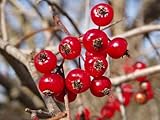
Common hawthorn is a British native that tolerates exposed sites and wet soils. Its blossom feeds insects, its autumn haws feed birds and its thorns make dense nesting cover. Richard Barker of LBS Horticulture notes that dense, thorny hawthorn hedges give birds secure nesting places away from predators.
How do different hedge plants compare?
| Option | Wildlife food and shelter | Pollution, shade and screening | Site and maintenance considerations |
|---|---|---|---|
| Common hawthorn | Spring blossom, haws, thorny nesting cover and dense structure | A substantial leafy hedge can trap some particles and provide shade | British native; tolerates exposed sites and wet soils; trim at least annually |
| Mixed native hedge | Broad range of flowers, berries, nuts, leaves and shelter; supports wildlife corridors | Can be made wide and dense, but results depend on design and species mix | Match plants to soil and exposure; decide final height before planting |
| Holly | Evergreen cover, berries and bird shelter | Year-round density helps screening and some physical pollution benefits | RHS guidance says male and female plants are needed for berries; check the cultivar and site requirements |
| Hazel | Nuts, structural diversity and nesting habitat when mixed with other natives | Deciduous canopy gives seasonal shade and shelter | Useful companion species; can be coppiced or managed within a mixed hedge |
| Beech or hornbeam | Native structure and shelter; both are listed by RHS and RSPB as wildlife-supporting choices | Dense mature foliage provides screening and cooling | Compare soil, exposure, desired evergreen effect and clipping needs |
| Pollution-led evergreen mix | Wildlife value varies with species and management | RHS lists cotoneaster, Elaeagnus, common yew and western red cedar for air-pollution capture | For pollution capture, RHS guidance calls for roughly 1.5m height and 1m depth |
Can a hedge really reduce pollution from a busy road?
Yes, but it is a physical filtering effect rather than a complete pollution solution. Leaves and branches intercept some larger airborne particles; rain can then wash trapped material away. Environmentalist Nick Mann describes hedges as trapping larger particulates and absorbing carbon dioxide. The RHS advises that larger, denser hedges provide more surface area for these functions.
Popular on Amazon

- Premium quality fruiting tree seeds package containing 10 Wild Hawthorn seeds (Crataegus monogyna) perfect for wildlife gardeners and traditional plant enthusiasts seeking native trees with edible berries and historical significance.
- Thrives in USDA zones 4-7 with full sun to partial shade and moderate moisture, making this a hardy native tree that provides four-season interest and supports local wildlife populations.
- Complete growing instructions included on each paper envelope, supporting careful germination and safe cultivation of this native fruiting tree.
- Traditionally valued for edible berries and used in herbal teas, this native hawthorn creates beautiful spring flowers, attracts wildlife, and produces small fruits with traditional food and medicinal uses.
- Makes an excellent gift for wildlife gardeners, native plant enthusiasts, or traditional plant knowledge collectors, perfect for sharing trees with ecological value and cultural heritage.
For a roadside boundary, prioritise a hedge with enough width and height to form a continuous canopy. RHS specifically identifies cotoneaster, Elaeagnus, common yew and western red cedar as plants suited to air-pollution capture. Those plants should not automatically replace native diversity: use them when pollution screening is the main constraint, and combine wildlife-supporting species where space and conditions allow.
How should I design and plant the hedge?
- Assess the site. Check soil moisture, drainage, exposure, available width and the height you can legally and practically maintain. Hawthorn suits exposed and wet conditions, but other species have different limits.
- Choose the final height and width first. Hedges are fairly permanent structures. A dense pollution screen needs substantial depth; wildlife hedges need enough room to flower and fruit without constant shearing.
- Build a native mix. Use hawthorn as the structural backbone, then add compatible plants such as hazel, holly, field maple, beech, hornbeam, rowan or crab apple. Include blackthorn only with a clear plan for its suckering habit.
- Prepare the soil. Composting hedge clippings and adding mulch can increase organic matter and reduce water loss, following RHS soil-care guidance.
- Water and establish plants carefully. Keep young plants watered during dry spells and maintain a weed-free strip while roots establish.
How should a wildlife hedge be trimmed?
Leave some sections informal if flowers, berries and nesting habitat are priorities. London Wildlife Trust warns that regularly clipped hedges can produce few or no flowers and berries, whereas informal growth provides more feeding and breeding opportunities. Trim established hawthorn at least once a year to control shape, but avoid cutting so tightly that blossom and fruiting wood are continually removed.
Quick wins for a faster PC:
Scan for outdated or missing drivers - takes under a minuteDriver Scan →Clear out junk files and repair common Windows errorsFree Scan →Also popular on Amazon
- Healthy Seedling: Fresh dug seedlings that are well rooted and ready to thrive for you.
- Easy To Grow: These seedlings arrive ready to plant.
- Buy with confidence you are getting quality plants from CZ Grain.
Plan work outside the main bird-nesting season where possible and inspect for active nests before cutting. A gently tapered profile—narrower at the top and wider at the base—helps light reach lower branches and encourages a dense structure.
Should I choose hawthorn, beech, holly or a single evergreen?
Choose hawthorn-led mixed natives when wildlife and seasonal interest come first. Choose holly when year-round cover matters and the site can support both sexes for berries. Beech or hornbeam suit gardeners wanting dense structure and screening, subject to soil and exposure. A pollution-led evergreen mix is more appropriate where roadside exposure and permanent screening dominate, but its wildlife value depends strongly on the species and how it is managed.
Also popular on Amazon

- Colorful: Eleanor Taber Indian Hawthorn is renowned for its abundant clusters of pink flowers in spring, complemented by its glossy, dark green foliage that sometimes takes on a purplish hue in colder weather. A mature plant generally reaches a compact size of 3-4 feet in height with a similar spread.
- Where to Plant: This Indian Hawthorn variety is an evergreen shrub, maintaining its vibrant foliage throughout the year. It is suitable for foundation plantings, hedges, or as an individual specimen in gardens and landscapes.
- Low Maintenance: Eleanor Taber prefers full sun to partial shade. While it can adapt to varying light conditions, a sunnier spot will enhance its blooming potential. Minimal pruning is required, but to encourage a bushier growth or maintain a specific shape, trim after the flowering season.
- USDA Zones: Adapted to USDA Hardiness Zones 7-11, Eleanor Taber Indian Hawthorn needs regular watering, especially during its initial years. Once established, it showcases a degree of drought tolerance, though it's still recommended to water it during prolonged dry spells.
Avoid making Leyland cypress the default wildlife choice. RSPB guidance says it can grow about 1m per year, become difficult to manage and provide little wildlife benefit. Blackthorn can add blossom and fruit, but Nick Mann recommends caution in garden hedges because it may sucker aggressively.
What benefits should I realistically expect?
- Wildlife: Native diversity supplies food and shelter at different times of year and creates a connected corridor.
- Shade and cooling: Mature foliage shades soil and creates a cooler, more sheltered microclimate; larger hedges generally do more.
- Pollution: Dense foliage can intercept some particles, especially when the hedge is substantial, but it does not remove all traffic pollution.
- Privacy: Holly and other evergreens screen in winter; deciduous natives provide strong summer cover and greater seasonal food value.
Frequently Asked Questions
How many plants do I need for a mixed native hedge?
The appropriate spacing depends on the plant size, species and whether you are planting a single or double row. Follow the nursery’s spacing guidance and leave enough room for the hedge’s intended mature width rather than packing plants tightly and relying on severe clipping.
Also popular on Amazon

- Premium quality fruit tree seeds package containing 3 Chinese Hawthorn (Crataegus pinnatifida) seeds, an ornamental flowering hawthorn with white spring blooms and clusters of bright red edible berries for planting.
- Hardy in USDA zones 4–8, this hawthorn tree thrives in full sun with moderate watering, showing strong cold tolerance and adapting well to urban gardens and low-maintenance landscapes.
- Complete growing instructions included on each seed packet, ensuring confident germination and cultivation of your Chinese Hawthorn (Crataegus pinnatifida) plants.
- Tart-sweet red haws suit tanghulu, haw flakes candy, jams, jellies, fruit leather, and a gentle hawthorn berry tea; white blossoms add spring fragrance and attract pollinators.
- A unique gift for gardeners who love Asian fruit trees, edible landscaping, hedgerows, or bonsai, and for cooks seeking authentic Chinese hawthorn berries for homemade treats.
Will a wildlife hedge damage nearby paving or foundations?
Most problems arise from planting too close to structures or allowing vigorous roots and branches to outgrow the available space. Check each species’ mature size, keep the hedge accessible for maintenance and use a root barrier only where a qualified horticultural professional advises it.
Do holly hedges always produce berries?
No. Berry production generally requires compatible male and female plants, and fruiting also depends on flowering conditions and the cultivar. Confirm the plant’s sex and pollination requirements before buying.
Also popular on Amazon

- We cannot ship our plants to the following states: AK, AZ, CA, CO, HI, ID, MT, NM, NV, OR, UT, WA, or WY. All orders to these states will be automatically cancelled.
- Southern Moon Yedda Hawthorn is an exceptionally strong evergreen shrub prized for its profusion of showy white flower clusters that cover the shrub just prior to the new flush of foliage. Leaves are glossy, deep green with wavy margins.
- Vigorous, compact, mounded, and dense habit, Southern Moon will reach a mature heighth of 3-6 feet tall and 6-8 feet wide.
- Grows in USDA zones 7-10 and likes full to partial sun. Relatively low maintenance and prefers well-drained soil but not completly dried out. Excellent for foundation plantings, borders, hedges, or containers.
- Botanical Name and or Other Common Names: Rhaphiolepsis umbellata 'RutRhaph1' (PP#207,30), Southern Moon Yedda Hawthorne.
When is the safest time to cut a hedge for birds?
Avoid cutting when active nests are present and check the hedge before work. Leaving fruiting growth through autumn and winter can provide food, while a lighter annual trim after the main nesting period helps retain structure without removing every flower and berry.
Quick Recap


