Windows Errors? Fix Them Before They Spread
Quick wins for a faster PC:
Clear out junk files and repair common Windows errorsFree Scan →Scan for outdated or missing drivers - takes under a minuteDriver Scan →Repair common Windows errors and clear accumulated junk for a smoother, more stable PC - no reinstall needed.Free scan · no reinstall
Outdated Drivers Are Slowing You Down
One free scan finds every outdated or missing driver and matches the right update for your exact hardware.Free scan · exact hardware match
ThatPainter is reader-supported. When you buy through links on our site, we may earn an affiliate commission. Learn More
Use flat paint for most ceilings, matte or eggshell for quieter walls, eggshell or satin for busy rooms, satin or semi-gloss for trim, and semi-gloss or gloss for cabinets and doors. The right sheen balances four things: how much light the surface reflects, how well it hides defects, how often it must be cleaned, and how much moisture or traffic it faces. Lower sheens look calmer and disguise unevenness; higher sheens clean more readily and draw attention to architectural details, but they also reveal poor preparation. The recommendations below give a reliable starting point, then show how to adjust it for lighting, wall condition and the way each room is used.
What does “paint finish” or “sheen” mean?
Finish, also called sheen, is the amount of gloss or shine a dried coating shows. Sherwin-Williams defines sheen as “the level of gloss or shine in a paint finish,” while Benjamin Moore describes it as a measure of how much light reflects from the painted surface. A flat finish reflects the least light; gloss and high gloss reflect the most.
As an Amazon Associate I earn from qualifying purchases.
That reflection changes more than appearance. Low-sheen paint scatters light and softens small dents, roller marks and patches. High-sheen paint bounces light directly back into the room, making trim stand out and making surface preparation easier to judge. Sheen is therefore both a design choice and a maintenance decision.
Which finish is best for each surface?
Start with the surface’s job rather than the color. The table gives a practical default and the trade-off that comes with it; product labels can use slightly different names, such as pearl instead of a mid-level satin.
Popular on Amazon

- Ready to use, pre-mixed door and trim paint offers a fresh new look on interior or exterior metal, wood and fiberglass
- Water-based paint formula emits less odor and withstands fading for a long lasting finish
- Dries to the touch in 45 minutes, up to 3X faster than traditional oil-based paints
- Durable, chip resistant coating provides ultimate protection with modern curb appeal
- Beautiful satin door paint is available in 6 pre-mix color options for the perfect look
| Surface or situation | Best starting finish | Why it fits | Main trade-off |
|---|---|---|---|
| Ceilings | Flat, preferably a dedicated ceiling flat | Absorbs light and conceals minor irregularities, seams and patches. | Less washable than glossier finishes. |
| Living rooms, dining rooms and adult bedrooms | Matte or flat; eggshell where more cleaning is expected | Creates a soft, low-reflection appearance and hides small flaws; eggshell adds practical washability. | More sheen can expose wall defects. |
| Hallways, family rooms and children’s rooms | Eggshell or satin | Balances moderate reflection with better resistance to scuffs and routine cleaning. | Satin reflects more light than eggshell. |
| Kitchen and bathroom walls | Satin, pearl or semi-gloss; semi-gloss when frequent cleaning is the priority | Handles moisture and repeated wiping better than the flattest wall finishes. | More glare and visible texture on an uneven wall. |
| Trim and millwork | Satin or semi-gloss | Provides a durable, cleanable surface that separates architectural details from flatter walls. | Semi-gloss is noticeably more reflective. |
| Cabinets and doors | Semi-gloss for a practical default; gloss or high gloss for emphasis | Supports cleaning and durability while allowing doors and profiles to become visual features. | High gloss demands exceptionally smooth preparation because it highlights defects. |
How do flat and matte finishes differ from eggshell?
Flat, matte and eggshell form the low-to-middle end of the sheen range, but they serve different priorities. Exact sheen levels vary by manufacturer, so treat the names as a guide and confirm the label or sample.
Flat
Flat paint has very little reflection and is the safest choice for ceilings or walls with visible patching, texture or waviness. It gives a quiet, uniform appearance, but its lower resistance to repeated scrubbing makes it less suitable for rooms where fingerprints and food splashes are routine.
Matte
Matte retains the soft, non-shiny look people want from flat paint while often offering somewhat more practical cleanability, depending on the formulation. It suits living rooms, dining rooms and adult bedrooms when minimizing glare and surface distraction matters more than aggressive washing.
Eggshell
Eggshell introduces a gentle glow. That small increase in reflection makes it a useful compromise for walls that need occasional wiping, including hallways, family rooms and children’s rooms. It still disguises more irregularity than satin or semi-gloss, but a patched wall may look less uniform as light moves across it.
When should I choose satin?
Choose satin when a surface sees regular contact, scuffs or moisture but you do not want the stronger shine of semi-gloss. Its moderate reflection works well on busy wall areas, trim and millwork, and it is a common starting point for kitchen or bathroom walls.
Free tools Windows power users keep installed
One-click scans. No signup required.
Satin is especially useful where one finish must bridge two needs: a hallway that needs wiping but connects to low-sheen rooms, or woodwork that should look distinct without appearing mirror-like. On walls with pronounced texture, inspect a sample under the room’s actual lighting first; satin’s reflection can make ridges and repairs more noticeable than eggshell does.
Is semi-gloss the best finish for kitchens, bathrooms, trim and cabinets?
Semi-gloss is the practical default for surfaces that are frequently cleaned or exposed to splashes. Manufacturer guidance commonly places it on trim, doors, many cabinets, and kitchen or bathroom walls where durability and wipeability take priority.
Also popular on Amazon
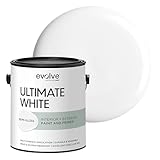
- ALL-IN-ONE PAINT AND PRIMER: Saves time and effort by priming, sealing, and finishing in one step for smooth, efficient coverage
- MULTIPLE SHEENS & SIZES – INTERIOR & EXTERIOR: Ultimate White bright white paint and primer is available in Flat, Eggshell, Satin, and Semi-Gloss sheens for walls, trim, doors, and more. Offered in 1-Gallon and 5-Gallon sizes to suit any interior or exterior painting project.
- SEMI-GLOSS SHEEN – HIGH-IMPACT SHINE: Reflective, durable finish ideal for interior & exterior trim, doors, cabinets, and high-touch areas. Moisture- and stain-resistant for lasting beauty.
- DURABLE & EASY TO CLEAN: Water-based, fast-drying formula delivers a washable finish designed for everyday wear in moisture-prone areas.
- EXCEPTIONAL HIDE & COVERAGE: High-opacity formula delivers brilliant white coverage with fewer coats, even over darker colors.
It is not automatically the best choice for every wall. The stronger reflection can create glare, emphasize orange-peel texture and reveal uneven drywall. If a bathroom wall is smooth and regularly wiped, semi-gloss is a sensible option; if the wall is visibly irregular, satin or pearl may provide a better visual balance while still addressing moisture.
On cabinets, semi-gloss gives a clear, durable-looking surface without making every small preparation mark conspicuous. Sanding, filling and priming remain important because reflected light will expose ridges around hardware holes, brush marks and uneven edges more readily than a matte wall finish.
Do these 3 things before closing this tab:
1Repair Windows errors before they cause bigger problems2Fix the driver behind crashes, sound loss and screen glitches3Clear out junk files and repair common Windows errorsWhen are gloss and high gloss worth using?
Gloss and high gloss provide the strongest reflection and the hardest-looking, most emphatic appearance. Sherwin-Williams characterizes gloss as the most light-reflective sheen, with an extremely hard and shiny finish. Use it when you intentionally want trim, doors or cabinet details to become focal points.
High gloss is a design decision, not a shortcut to hide wear. Every ripple, sanding scratch and poorly filled joint catches the light, so the substrate must be smoother and more consistently prepared than it would be for flat or matte paint. Gloss can work beautifully on a carefully prepared front door or a period millwork profile, while the same sheen may make a wavy wall look worse.
What paint finish is best for ordinary walls?
For most walls, choose by traffic first, then by how much unevenness you need to disguise. Matte or eggshell is usually the safest starting point in quiet rooms; eggshell or satin is more practical in rooms that receive daily contact.
Low-traffic rooms
Living rooms, dining rooms and adult bedrooms can use flat or matte for the softest look. Move to eggshell if the walls will be wiped periodically or if the room includes pets, children or furniture that rubs against painted surfaces.
The Tool Desk
Outbyte PC Repair FREEClear out junk files and repair common Windows errorsFree Scan →Outbyte Driver Updater FREEScan for outdated or missing drivers - takes under a minuteDriver Scan →High-traffic rooms
Hallways, family rooms and children’s rooms generally benefit from eggshell or satin. Eggshell keeps reflection restrained; satin favors easier cleaning and a more pronounced distinction between wall and trim.
Also popular on Amazon

- PAINT & PRIMER IN ONE – Pure White Semi Gloss acrylic paint combines paint and primer in one formula, delivering strong adhesion, smooth finish and easy application while reducing project time.
- INTERIOR & EXTERIOR PAINT – Versatile white acrylic paint for drywall, wood and previously painted surfaces. Ideal for walls, doors, trim and ceilings in residential or commercial projects.
- EASY APPLICATION & FAST DRYING – Smooth-flow formula delivers professional results even for beginners. Dries to touch in about 1 hour and allows recoating in 2-4 hours.
- DURABLE & SCRUBBABLE FINISH – Long-lasting semi gloss white paint resists wear, moisture and frequent cleaning while maintaining a bright white appearance.
- LOW-ODOR formula (made in the USA) - Low VOC acrylic paint covers approximately 300-400 square feet per gallon, depending on surface porosity. Ideal for bedrooms, nursery, playrooms, basements, kitchens, etc.
Walls with defects or texture
Flat and matte are the most forgiving because they reflect less directional light. They cannot repair a defect, but they reduce the contrast that makes a shallow dent or patch obvious. If you need a washable coating on an imperfect wall, use the lowest sheen that still meets the room’s cleaning and moisture demands, and improve the surface before painting.
What sheen should I use on trim, doors and millwork?
Satin and semi-gloss are the dependable choices. Both provide more cleanability than a flat wall coating and create enough contrast to frame doors, baseboards, casings and other woodwork.
- Choose satin when you want trim to read as a subtle architectural layer or when the woodwork has minor irregularities that a stronger shine would emphasize.
- Choose semi-gloss when the trim receives frequent touching, scuffing or wiping and you want a clearer visual separation from matte or eggshell walls.
- Choose gloss or high gloss when the trim, door or millwork is intended as a feature and the substrate can be prepared to a very smooth standard.
Keeping trim at one sheen throughout connected rooms usually produces a more deliberate result than changing it from doorway to doorway. The wall finish can change with room use while the trim finish supplies continuity.
Is semi-gloss or satin better for kitchen cabinets?
Semi-gloss is the practical default for cabinets because it combines a noticeable, cleanable surface with less visual exaggeration than high gloss. Satin is appropriate when you prefer a quieter look or when the cabinet faces have subtle irregularities that a stronger reflection would reveal.
Use gloss or high gloss only when the cabinet design and preparation support that emphasis. Doors must be smooth, edges crisp and repairs fully blended; otherwise the reflected highlights will outline every defect. Regardless of sheen, follow the paint manufacturer’s substrate, primer and recoat directions for the cabinet material.
Should ceilings be flat or matte?
Flat is the conventional starting point for ceilings, and a dedicated ceiling-flat product is preferable when available. Its low reflection minimizes glare from windows and light fixtures and helps minor drywall joints or repair patches disappear from normal viewing angles.
Matte can work when a specific product offers the performance or color you need, but do not assume every matte coating behaves like a ceiling coating. Check the label for ceiling suitability and consider how the surface will be viewed under strong raking light. A glossier ceiling generally calls attention to imperfections and can create distracting reflections.
Windows Errors? Fix Them Before They Spread
Repair common Windows errors and clear accumulated junk for a smoother, more stable PC - no reinstall needed.Free scan · no reinstallOutdated Drivers Are Slowing You Down
One free scan finds every outdated or missing driver and matches the right update for your exact hardware.Free scan · exact hardware matchAlso popular on Amazon
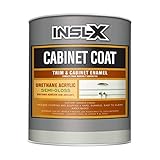
- The ultimate acrylic cabinet paint for a “factory-like” finish when refurbishing kitchen and bathroom cabinets, shelving, furniture, trim, and crown molding.
- Delivers an ultra smooth, durable finish.
- Super adhesion to hard-to-coat surfaces without primer.
- Durable semi-gloss cabinet finish that resists chipping, scuffing, food stains, grease & water.
- 87 – 112 square foot coverage per quart
How do lighting and surface quality change the right sheen?
Reflection is directional: a smooth, glossy film can send a window or lamp back toward the viewer, while a flat film diffuses that light. The same color can therefore appear calmer in matte and brighter or more contrasty in satin, semi-gloss or gloss.
- Check daylight and artificial light. View a large sample where the finish will live, at different times and with the room lights on. A sheen that looks restrained in a dim store can look much brighter beside a sunny window.
- Inspect the substrate before committing. Fill dents, feather joint compound, sand raised edges and correct visible roller texture. The higher the sheen, the more those steps affect the final appearance.
- Account for existing texture. Satin and semi-gloss emphasize peaks and grooves; flat and matte reduce the visual contrast but do not eliminate shadows in deep texture.
- Coordinate adjacent surfaces. A flatter wall next to satin trim creates separation. If both are high sheen, the boundary can lose hierarchy and the room may feel visually busy.
What finish is easiest to clean?
Among common interior sheens, satin and semi-gloss are the straightforward choices for frequent wiping, scuffs and splashes. Gloss and high gloss also offer strong surface reflection and are often selected for doors or cabinetry, but their visual demands can outweigh their maintenance advantage on broad walls.
Flat and matte coatings should be treated more gently unless the specific product is labeled for scrubbing. Formulations differ, so read the technical or care information rather than assuming that a finish name guarantees a particular washability level. In a room that needs both concealment and cleaning, eggshell can be the compromise.
How do I select a finish room by room?
Use this sequence before buying paint. It prevents a color decision from locking you into an unsuitable sheen.
- Identify the surface. Separate ceilings, walls, trim, doors and cabinet boxes or fronts; they do not have to share a finish.
- Rate traffic and cleaning. Note fingerprints, children’s activity, pets, cooking residue, splashes and how often the surface will be wiped.
- Rate moisture exposure. Kitchens, bathrooms and utility areas generally need satin, pearl or semi-gloss rather than the flattest wall coating.
- Inspect defects and texture. If the substrate is uneven, begin at the low-sheen end and budget time for repair before moving shinier.
- Decide what deserves emphasis. Use gloss or high gloss selectively on well-prepared trim, doors or cabinets you want to highlight.
- Test the actual product. Apply a generous sample to a board or inconspicuous section, place it in the room and view it under both daylight and installed lighting.
- Confirm the label. Make sure the product is intended for the substrate and location, and follow its preparation, application and cleaning guidance.
What common sheen mistakes should I avoid?
Using semi-gloss on every wall
A uniform high reflection can magnify drywall flaws and produce glare across large surfaces. Reserve semi-gloss for rooms and surfaces that benefit from its cleaning performance, and use eggshell or satin where a calmer wall is more important.
Choosing flat paint for a frequently scrubbed area
Low reflection does not automatically mean high washability. In hallways, children’s rooms and splash-prone areas, move toward eggshell, satin or semi-gloss according to the level of cleaning and moisture the product must handle.
Applying gloss over rough preparation
Gloss does not conceal sanding scratches, open joints or waviness. Correct the substrate first; if that level of preparation is impractical, select a lower sheen that better suits its condition.
Also popular on Amazon
- ALL-IN-ONE PAINT AND PRIMER: Saves time and effort by priming, sealing, and finishing in one step for smooth, efficient coverage
- MULTIPLE SHEENS & SIZES – INTERIOR & EXTERIOR: Ultimate White bright white paint and primer is available in Flat, Eggshell, Satin, and Semi-Gloss sheens for walls, trim, doors, and more. Offered in 1-Gallon and 5-Gallon sizes to suit any interior or exterior painting project.
- SEMI-GLOSS SHEEN – HIGH-IMPACT SHINE: Reflective, durable finish ideal for interior & exterior trim, doors, cabinets, and high-touch areas. Moisture- and stain-resistant for lasting beauty.
- DURABLE & EASY TO CLEAN: Water-based, fast-drying formula delivers a washable finish designed for everyday wear in moisture-prone areas.
- EXCEPTIONAL HIDE & COVERAGE: High-opacity formula delivers brilliant white coverage with fewer coats, even over darker colors.
Ignoring the ceiling when planning sheen
A ceiling painted in the same reflective finish as the walls can throw light toward occupants and make repairs conspicuous. Flat ceiling paint usually provides the quieter overhead field most rooms need.
Recommended Free Tools
Assuming all brands use sheen names identically
“Matte,” “pearl,” “satin” and “semi-gloss” are useful categories, not universal laboratory standards. Compare the manufacturer’s finish descriptions and inspect a sample instead of relying on the name alone.
Can different finishes share one color?
Yes. Using one color in different sheens is a common way to create quiet contrast: flat on the ceiling, matte or eggshell on walls, and satin or semi-gloss on trim. The color stays related while changing reflection identifies each architectural plane.
Because sheen changes how light is returned, the same color will not look identical on every surface. Order enough of each finish separately, label containers clearly and make touch-up plans that match both color and sheen.
How should I balance appearance, durability and defect hiding?
Think of sheen as a sliding scale rather than a contest for the shiniest coating. Move downward toward flat or matte when visual calm and defect concealment dominate; move upward toward eggshell, satin or semi-gloss as traffic, moisture and cleaning increase; reserve gloss and high gloss for deliberate emphasis on well-prepared details.
What’s actually slowing this PC down?
Pick the symptom - the matching free tool is one click away.
That approach follows the manufacturer guidance from Sherwin-Williams and Benjamin Moore: lower reflection is associated with ceilings and low-traffic walls, while higher sheens are directed toward trim, kitchens, bathrooms and other areas where durability or cleaning matters. The best finish is the one that meets the surface’s demands without adding reflection the room does not need.
Frequently Asked Questions
Can I use one paint finish throughout an open-plan room?
You can, but a single sheen may force a compromise between a washable kitchen wall and a low-glare living-room wall. Many open plans look more intentional when ceilings stay flat, connected walls use one low or medium sheen, and trim or doors carry the higher sheen.
Is matte paint washable?
Some modern matte products are formulated for cleaning, while others are not. Check the specific product’s care instructions and test a hidden spot before scrubbing; the word “matte” alone does not establish washability.
How can I compare sheen samples accurately?
Paint samples on a board large enough to see reflections, then move the board near windows, under ceiling fixtures and beside the trim. Let the samples dry fully before judging, because wet paint reflects differently from the cured film.
Should cabinet interiors use the same sheen as the doors?
Not necessarily. Door and drawer fronts benefit most from the chosen appearance and cleaning performance, while interiors can be selected for practical maintenance and compatibility with stored items; follow the coating label for the material and use.
Quick Recap


