The Tool Desk
Outdated Drivers Are Slowing You Down
One free scan finds every outdated or missing driver and matches the right update for your exact hardware.Free scan · exact hardware matchPC Slower Than It Used to Be?
A free scan shows the junk files, broken settings and background clutter dragging Windows down - then fixes them in one click.Free scan · Windows 10 & 11Outbyte PC Repair FREEClear out junk files and repair common Windows errorsFree Scan →Outbyte Driver Updater FREEScan for outdated or missing drivers - takes under a minuteDriver Scan →
ThatPainter is reader-supported. When you buy through links on our site, we may earn an affiliate commission. Learn More
Remove laundry-detergent residue from a painted wall by starting with a soft cloth dampened with warm water, then escalating to a small amount of mild, dye-free dish soap only if the film remains. Rinse with a separate clean-water cloth and dry the area completely. Test every solution behind furniture or wall art first, and use especially light pressure on flat, matte, or eggshell paint. If the wall was painted recently, wait at least two weeks before routine soap-and-water washing so the finish can cure; an early, completely dried spill is a special case that some manufacturer guidance permits treating after four to six hours.
Why does laundry detergent leave a sticky film on paint?
Detergent that splashes, drips, or is carried onto a wall can dry into a concentrated film. The area may feel tacky, collect dust, show shiny or dull streaks, or remain visibly darker than the surrounding paint. Rubbing the spot aggressively can spread the film and burnish the finish, while leaving it in place can create a problem if you later repaint: Nippon Paint notes that residue left on a wall can interfere with paint adhesion.
As an Amazon Associate I earn from qualifying purchases.
Do these 3 things before closing this tab:
1Repair Windows errors before they cause bigger problems2Scan for outdated or missing drivers - takes under a minute3Clear out junk files and repair common Windows errorsPaint sheen determines how cautiously you should work. Flat and matte finishes have little surface gloss and are more easily polished, marked, or removed. Eggshell is somewhat more washable but still needs gentle handling. Satin, semi-gloss, and gloss generally tolerate more cleaning, yet abrasive tools and excessive water can still scratch, soften, or leave a visible change in sheen.
What supplies do I need?
Set up before you start so you can clean, rinse, and dry without repeatedly disturbing the paint:
Popular on Amazon
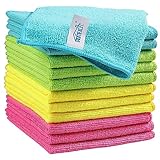
- Effective Streak-Free Cleaning: Clean kitchen countertops, windows, mirrors, bathroom surfaces, stainless steel, car interiors, glass, and other delicate surfaces with just water or your favorite cleaner—these microfiber cloths deliver streak-free, neat results with minimal effort, making daily cleanup fast and simple
- Lint-Free & Scratch-Safe: Soft to the touch and completely lint-free, these cloths won't scratch or damage delicate finishes like glass, ceramic, coated metals, car paint, or polished surfaces—clean with confidence on everything from household appliances to auto trim and electronics screens
- Ultra-Absorbent for Spills, Polishing & Drying: Designed to quickly soak up liquids, grease, and grime, making them ideal for drying dishes, wiping spills, polishing stainless steel, buffing car surfaces, and tackling everyday messes around the house, garage, or workshop—efficient cleaning without extra effort
- Reusable, Washable & Long-lasting: Machine washable and reusable hundreds of times with reinforced edges that hold up wash after wash—a durable replacement for disposable paper towels that cuts down on waste and repeat purchases for families, pet owners, detailers, and busy households
- Versatile Across Home, Auto & Beyond: Equally suited for general household cleaning, interior car detailing, exterior buffing, polishing wheels, wiping down tools, workshop surfaces, electronics, eyeglasses, screens, and more—simply rinse after use or toss in the washing machine; a practical all-around choice for homes, garages, shops, and small businesses
- Microfiber cleaning cloths
- A soft, non-abrasive sponge
- Two buckets or bowls: one for the cleaning mixture and one for clean rinse water
- Warm water
- A small amount of mild, preferably dye-free dish soap
- Soft gloves, if your skin is sensitive to detergent
- Baking soda for an optional, carefully tested spot treatment
- Matched touch-up paint if cleaning leaves permanent discoloration or paint loss
Keep a vacuum brush, soft duster, or other clean soft cloth nearby for removing loose dust before wet cleaning. Avoid colored soaps and dyed sponges; The Home Depot warns that their color can transfer and stain a wall.
How do I remove sticky laundry-detergent residue from a painted wall?
Use the least aggressive method that works. The following sequence protects the coating while giving each step a chance to remove the film.
Windows Errors? Fix Them Before They Spread
Repair common Windows errors and clear accumulated junk for a smoother, more stable PC - no reinstall needed.Free scan · no reinstallCrashes, No Sound, or Screen Glitches?
Random freezes, missing sound and display glitches usually trace back to one bad driver. Find and replace yours safely.Free scan · under a minute-
Identify the finish and check whether the paint is cured
Look at the wall in side light to judge whether it is flat, matte, eggshell, satin, semi-gloss, or gloss. Plan on minimal pressure and less moisture for lower-sheen finishes. For routine soap-and-water cleaning, allow at least two weeks after painting for the finish to cure. Benjamin Moore describes four to six hours only for a completely dried early spill, not as a general waiting period for washing a newly painted wall.
-
Remove loose dust first
Use a vacuum brush, soft duster, or dry soft cloth. Lift the dust rather than grinding it into the paint; grit under a damp cloth can create fine scratches or shiny rub marks.
-
Test the planned method in a hidden place
Choose an area behind furniture or wall art. Apply the same cloth, moisture level, and cleaner you intend to use on the visible spot. Let the test dry and continue only if the paint has not faded, streaked, peeled, or changed sheen. A wet test can look acceptable and then dry to a dull or glossy patch, so inspect it after drying.
-
Try warm water first
Dampen a microfiber cloth or non-abrasive sponge with warm water and wring it until it is damp, not dripping. Work in small sections with light passes. Sherwin-Williams cautions that too much water can hurt paint, so do not soak the wall or allow runs to sit at edges and seams.
Free tools Windows power users keep installed
One-click scans. No signup required.
Special offer. See more information about Outbyte and uninstall instructions. Please review EULA and Privacy policy.Also popular on Amazon
 USANOOKS Microfiber Cleaning Cloth Grey - 12 Pcs (12.5"x12.5") - High Performance - 1200 Washes, Ultra Absorbent Microfiber Towel Weave Grime & Liquid for Streak-Free Mirror Shine - Car Washing Cloth
- 10x GRIP-ROOT WEAVE - TRAP MORE, WORK LESS: Ultra-absorbent microfiber towels for car Grip Root weave works like PLANT ROOT FOLLICLES, sucking up & LOCKING AWAY 8x to 10x its weight in liquid, particulates, moisture, grime and dirt in far LESS TIME than traditional ‘Heavy Duty’ Cleaning Rags. Each towel features a 2.5mm thick design, providing enhanced durability and better grip during use.
- WON’T LINT, SCRATCH, PILL, SWIRL, SHED, or BLEED like thin, cheaply made microfiber towels for cars. RAPID DRY release layers make these the ideal microfiber towels for cars, creating that spectacular, SWIRL-FREE MIRROR SHINE with our cleaning rags. With a solid 2.5mm thickness, these towels are built to prevent damage while ensuring optimal performance.
- LASTS 1200+ WASHES - That’s 3.27 YEARS worth of use in this 12-pack of COMMERCIAL GRADE 300 GSM Reuseable Cleaning Cloth. The 2.5mm thickness and OVERLOCK BRAIDED STITCHING makes the ideal SUSTAINABLE SOLUTION for cleaning every SURFACE, crack, and CREVICE in your home, garage, or office.
- SOAK IT UP FASTER - 4X’s MORE ABSORBENT than COTTON cloths, these are the microfiber cleaning cloth for cars to get if you want an ALL PURPOSE cleaning towel, crafted with 2.5mm thickness to scoop up your messes, oils, and liquids FASTER than a SPONGE
- UNRIVALED POWER - TEST THIS GRIP-ROOT technology risk-free for 30 full days. With a 2.5mm thick design, it LOCKS AWAY dirt, dust, grime, spills, and messes better than any other high-performance cleaning rags you’ve tried.
-
Escalate to a mild soap solution only when needed
If water alone leaves tackiness, put a small amount of mild, preferably dye-free dish soap into warm water. Do not pour concentrated detergent directly on the wall. Dip the cloth or sponge into the diluted mixture, wring it well, and clean a small section using gentle strokes. Strong solvents, glass cleaner, and heavy-duty household sprays are inappropriate first choices; Benjamin Moore specifically says never to use glass cleaner or a heavy-duty spray cleaner on a painted wall.
-
Rinse with clean water
Use a separate cloth or sponge dampened with clean water and wrung out thoroughly. Make a second pass over every area treated with soap. A soap film left behind can feel sticky again as it dries and can compromise later paint adhesion.
-
Dry and inspect before repeating
Pat or wipe the wall with a soft absorbent cloth, then let it air-dry fully. Check for remaining tackiness, streaks, dull spots, color change, peeling, or a softened surface. Do not automatically repeat the wash while the wall is still damp; moisture can hide a sheen change and repeated rubbing increases damage.
-
Treat a persistent mark cautiously
For a small area that remains discolored after the water-and-soap process, test a thin baking-soda-and-water paste or another gentle spot cleaner in the hidden test area. Use minimal pressure and a short contact time, then remove it with clean water and dry the wall. Never combine cleaners, and stop immediately if the test changes the paint.
What’s actually slowing this PC down?
Pick the symptom - the matching free tool is one click away.
Special offer. See more information about Outbyte and uninstall instructions. Please review EULA and Privacy policy. -
Repair only after cleaning has failed
If the wall remains permanently discolored or the paint has been removed, use touch-up paint matched to the original color and sheen. Apply it with the same brush or roller method used on the surrounding wall whenever possible. Painting over a tacky or dirty surface can trap the residue and produce poor adhesion, so the area must be clean and completely dry first.
How should I adjust the method for different paint sheens?
The finish changes the acceptable pressure, moisture, and likelihood of visible marking. Use this comparison to choose a conservative starting point.
| Finish | Relative cleaning tolerance | Best starting technique | Main risk |
|---|---|---|---|
| Flat or matte | Lowest | Dry dust removal, then a barely damp microfiber cloth with very light passes | Burnishing, shiny patches, or pigment removal from rubbing |
| Eggshell | Low to moderate | Damp microfiber cloth; use diluted mild soap only after a hidden-spot test | Streaks or a visible change in sheen from excess water |
| Satin | Moderate to high | Damp cloth, followed by a well-rinsed mild-soap pass if necessary | Scratches from abrasive sponges and residue in textured areas |
| Semi-gloss | High, but not unlimited | Small sections, controlled moisture, and a clean-water rinse | Fine scratches or dulling that shows in reflected light |
| Gloss | Highest of these finishes | Soft cloth and gentle soap; avoid pressure that could haze the shine | Scratches and uneven gloss after aggressive spot cleaning |
Dulux’s guidance is simple: use soft sponges and cloths to avoid scratching paintwork. A finish that tolerates washing is not a finish that tolerates scouring.
Also popular on Amazon

- Strong Absorbent & Streak-Free: Crafted with premium microfiber, these cleaning rags quickly absorb water and wipe away spills, dust, grease, and dirt without leaving streaks. Ideal for drying dishes, cleaning countertops, or polishing surfaces in the kitchen, car, or around the home.
- Soft & Lint-Free on Delicate Surfaces: Made from a non-abrasive blend of 85% polyester and 15% nylon, our microfiber cloths are gentle yet effective. They won’t scratch paint, glass, or delicate surfaces, and leave no lint behind—perfect for cleaning mirrors, electronics, stainless steel, and other smooth surfaces.
- Durable Construction for Long-Term Use: Designed with reinforced stitching, these cleaning cloths are not only reusable but also resist wear and tear even after frequent washing. A reliable alternative to disposable paper towels for everyday cleaning.
- Multi-Color Convenience for Any Task: Available in 4 assorted colors—Pink, Green, Blue, and Purple—for easy color-coding. Use different cleaning towels for the kitchen, bathroom, car, or electronics. Stay organized and keep your cleaning tasks clearly separated.
- Machine Washable & Quick-Drying: Each microfiber cloth measures 11.8" x 11.8", making them compact and easy to store. They can be washed by hand or machine. Quick-drying and always ready for your next cleaning job.
Can I use dish soap on a painted wall?
Yes, but only as a diluted second step after warm water and only after testing it in an inconspicuous place. Choose a mild, preferably dye-free soap, use a small amount, keep the cloth damp rather than wet, and rinse with a separate clean-water cloth. Colored soap can leave its own tint, and concentrated soap can replace one sticky film with another.
Recommended Free Tools
The cleaner-strength sequence is deliberately conservative:
| Order | Cleaner | When to use it | How to control risk |
|---|---|---|---|
| 1 | Plain warm water | Always start here for a fresh or light film | Damp cloth, small sections, frequent wringing |
| 2 | Diluted mild, dye-free dish soap | When water leaves tackiness | Hidden-spot test, minimal soap, thorough clean-water rinse |
| 3 | Tested baking-soda paste or another gentle spot cleaner | Only for a small mark that survives the first two steps | Minimal pressure, short treatment, never mix products |
| 4 | Strong solvents, glass cleaner, or heavy-duty sprays | Do not use on painted walls as a routine solution | These products can damage the coating and are specifically discouraged by paint-care guidance |
Will vinegar damage painted walls?
There is no universal yes-or-no rule for vinegar on every paint formulation and sheen. Because the available paint-care guidance favors warm water and mild soap and warns against stronger household cleaners, vinegar should not be your first treatment for detergent residue. If you are considering it for a stubborn spot, test the exact diluted mixture behind furniture, let it dry, and proceed only if there is no color loss, streaking, peeling, or sheen change.
Never combine vinegar with another cleaner. Use one product at a time, rinse completely, and stop if the wall becomes tacky, soft, dull, or unusually shiny. A product that removes the residue but alters the finish has not solved the problem.
What if the wall is still sticky after cleaning?
First, confirm that the wall is fully dry. Damp paint can feel tacky even when the detergent has been removed. If tackiness remains after a complete warm-water rinse and drying period, repeat only the mild-soap step on a small test section rather than washing the entire wall again.
When the film is gone but a visible mark remains, distinguish between residue and paint damage:
- Residue: the surface feels or looks coated, and a clean-water wipe removes additional film. Continue with controlled rinsing and drying.
- Discoloration: the surface is no longer sticky, but the color differs. A carefully tested spot cleaner may help; otherwise, plan a touch-up.
- Paint loss or peeling: the coating has been removed or lifted. Stop wet cleaning, allow the area to dry, and prepare it for matched touch-up paint.
- Sheen change: the color is similar, but light reflects differently. More rubbing usually makes this worse; a matched touch-up or repaint of a natural wall section may be needed.
Match touch-up paint by color and sheen, not color alone. Use the same application method—brush or roller, with a comparable nap or texture—when possible, because application differences can remain visible even when the paint color is correct.
Also popular on Amazon

- 【Microfiber Towels Bulk】One pack of 50 microfiber towels for cars and home, measuring 12x12 inches, Made of 87% polyester and 13% polyamide, 210gsm microfiber cloth, is vacuum-packed to reduce greenhouse gas emissions. Please allow a few minutes for the towels to expand fully after unpacking to achieve optimal fluffiness and absorbency.
- 【Super Absorbent】 TEAWOO microfiber cleaning cloths quickly soak up moisture and dry rapidly, making them ideal for both automotive and household cleaning tasks. They efficiently remove dirt, grime, and liquids with ease.
- 【Soft and Lint-Free】TEAWOO microfiber towels bulk supply of ultra-soft, non-abrasive microfiber towels ensure a scratch-free cleaning experience on surfaces, paint, glass, and coatings. Perfect for cleaning tough grease and dirt from your car, kitchen, and windows, leaving no traces behind.
- 【Reusable and Washable】These reusable and washable microfiber towels cleaning for cars can be used hundreds of times without shrinking, shedding, or losing their cleaning effectiveness. They are a cost-effective alternative to disposable towels, ideal for car and household cleaning.
- 【Easy Maintenance and Use 】Our bulk microfiber towels come in 5 colors and are crafted with high-quality fabric and sewn edges, providing a soft and scratch-free feel. They are easy to maintain and perfect for keeping both your car and home spotless.
How do I handle a detergent spill on recently painted walls?
Fresh paint needs time to cure, even when it feels dry to the touch. Routine soap-and-water washing should wait at least two weeks after painting. During that period, avoid scrubbing and excess water; remove only what can be lifted gently without rubbing the finish.
If an early spill has already dried, Benjamin Moore’s four-to-six-hour figure applies to that specific completely dried-spill situation, not to ordinary washing of a new wall. Follow the paint manufacturer’s label when it gives a longer or more specific cure period, and use the hidden-spot test before treating the visible area.
What cleaning mistakes cause more damage?
- Soaking the wall: excess water can weaken or mark paint, especially at joints, corners, and low-sheen areas.
- Scrubbing with rough material: abrasive pads and gritty cloths can scratch or polish the finish.
- Skipping the dust step: trapped grit increases the chance of fine scratches.
- Using too much soap: concentrated or poorly rinsed soap can leave a second sticky layer.
- Cleaning without a hidden test: a solution can cause fading or sheen change that is obvious only after it dries.
- Layering products: mixing cleaners creates unpredictable reactions and makes rinsing more difficult.
- Repeating while wet: moisture masks the final appearance and encourages unnecessary rubbing.
- Painting over residue: leftover detergent can interfere with adhesion and cause the repair coat to fail.
Sherwin-Williams describes a properly chosen mild mixture as tough on dirt but gentle on walls. That balance depends on controlled moisture, a soft tool, and enough rinsing—not on making the cleaner stronger.
When should I stop cleaning and repaint?
Stop when the wall is clean but the original color or sheen cannot be restored without increasingly forceful treatment. Continued rubbing can enlarge a small damaged spot into a broad burnished patch. Once the surface is dry, clean, and no longer tacky, a matched touch-up is safer than escalating to harsh chemicals.
For a small repair, feather the touch-up into the surrounding area with the original tool and let it dry before judging the match. On flat or matte walls, a mismatch in sheen can be more noticeable than a slight color difference; on glossy walls, application marks and scratches can stand out in reflected light.
Frequently asked questions
Can I use a colored dish soap if I rinse it well?
It is better not to. Colored soaps and dyed sponges can transfer color to paint, particularly on light walls or porous lower-sheen finishes. Choose a dye-free soap and test it out of sight before treating the spill.
The Tool Desk
Outbyte Driver Updater FREEFix the driver behind crashes, sound loss and screen glitchesFind Drivers →Outbyte PC Repair FREEClear out junk files and repair common Windows errorsFree Scan →Also popular on Amazon

- MATERIAL & CONSTRUCTION: Made of microfiber with ultra-soft & non-abrasive design that will not scratch paints, vinyl, glass, finishes or other surfaces
- SIZE & QUANTITY: Each rectangular cleaning cloth measures 40.6 by 30.5 inches; sold as a pack of 24 towels for multiple cleaning tasks & extended supply
- ABSORBENCY & PERFORMANCE: Soaks up 8 times their own weight; cleans effectively either dry or with liquid cleaners for streak-free results & a lint-free shine
- DURABLE & REUSABLE: Built for long-lasting use with durable construction; can be reused hundreds of times while maintaining softness & cleaning effectiveness
- EASY CARE: Machine washable for convenient maintenance; wash separately before first use & wash with like colors to preserve quality
How soon can I repaint after removing the residue?
Wait until the wall is completely dry and no longer tacky, cool, or soft to the touch. A dry surface is necessary for adhesion, but the paint label’s cure guidance still controls how soon a new coat can be applied over recently painted areas.
Should I wash the entire wall after a small spill?
Usually not. Clean manageable sections and stop once the residue is gone; washing a much larger area can create uneven sheen or drying marks, especially on flat and matte paint. If a touch-up later needs to blend, use a natural break such as a corner or trim line rather than creating a random large patch.
Does this method work on wallpaper or unpainted plaster?
No. Wallpaper, bare plaster, and other unpainted surfaces absorb moisture and respond differently to soap and rinsing. Use the surface manufacturer’s care instructions instead of applying a painted-wall cleaning sequence.
What if the detergent reached a textured painted surface?
Use a soft brush or cloth only if it is non-abrasive, and keep moisture tightly controlled so liquid does not collect in the texture. Work in small areas, rinse with clean water, and allow extra drying time before deciding whether residue remains in the recesses.
Quick wins for a faster PC:
Fix the driver behind crashes, sound loss and screen glitchesFind Drivers →Repair Windows errors before they cause bigger problemsFix Now →Frequently Asked Questions
Can I use a colored dish soap if I rinse it well?
It is better not to. Colored soaps and dyed sponges can transfer color to paint, particularly on light walls or porous lower-sheen finishes. Choose a dye-free soap and test it out of sight before treating the spill.
How soon can I repaint after removing the residue?
Wait until the wall is completely dry and no longer tacky, cool, or soft to the touch. A dry surface is necessary for adhesion, but the paint label’s cure guidance still controls how soon a new coat can be applied over recently painted areas.
Should I wash the entire wall after a small spill?
Usually not. Clean manageable sections and stop once the residue is gone; washing a much larger area can create uneven sheen or drying marks, especially on flat and matte paint. If a touch-up later needs to blend, use a natural break such as a corner or trim line rather than creating a random large patch.
Does this method work on wallpaper or unpainted plaster?
No. Wallpaper, bare plaster, and other unpainted surfaces absorb moisture and respond differently to soap and rinsing. Use the surface manufacturer’s care instructions instead of applying a painted-wall cleaning sequence.
What if the detergent reached a textured painted surface?
Use a soft brush or cloth only if it is non-abrasive, and keep moisture tightly controlled so liquid does not collect in the texture. Work in small areas, rinse with clean water, and allow extra drying time before deciding whether residue remains in the recesses.
Quick Recap

Product prices and availability are accurate as of the date/time indicated and are subject to change. Any price and availability information displayed on Amazon at the time of purchase will apply.

