Free tools Windows power users keep installed
One-click scans. No signup required.
ThatPainter is reader-supported. When you buy through links on our site, we may earn an affiliate commission. Learn More
Choose stain when the wood’s grain and texture are part of the look; choose paint when you need an opaque, even color or want to hide weathering. For a sound deck, fence, or other exterior wood where grain should remain visible, a semi-transparent penetrating stain is usually the best starting point. For damaged, uneven, or previously painted wood, paint—or a solid-color stain when some texture should remain—usually makes more sense.
As an Amazon Associate I earn from qualifying purchases.
The right finish depends on five things: the appearance and opacity you want, moisture and sunlight exposure, the species and movement of the wood, the existing coating and surface condition, and the preparation and maintenance the project can support.
At a glance
| Name | Best for | Key spec | Checked |
|---|---|---|---|
| Semi-transparent penetrating stain | Sound decks, fences, and treated exterior wood where grain should show | Penetrates wood; visible grain; less prone to peeling, flaking, and blistering than film coatings | Oct 2026 |
| Solid-color stain | Rough or weathered exterior wood needing broad color while retaining texture | Heavily pigmented, mostly opaque appearance; behaves more like a thin film coating | Oct 2026 |
| Exterior paint | Opaque color, hiding defects, or matching an existing painted surface | Solid surface film; generally longer overall life in optimal conditions, but can trap moisture | Oct 2026 |
What is the difference between wood stain and paint?
Paint creates a solid coating on top of the surface. Stain soaks into the wood to preserve more of its natural texture. That basic difference controls how much grain remains visible, how the finish responds to movement, and how failures appear.
Popular on Amazon

- NO LAPS, RUNS OR STREAKS: Goof Proof formula with no back brushing required; ideal for exterior wood projects
- OUTSTANDING DURABILITY: No cracking, chipping, flaking or peeling with excellent moisture resistance and UV protection; great for outdoor decks, fences, wood siding and more
- CAN WITHSTAND RAIN WITHIN MINUTES OF APPLICATION: Can also be applied in direct sunlight
- HIGH AND LOW TEMPERATURE APPLICATION: Requires no wet-line application, the product will blend itself and can be applied in any temperature range for proper application
- EASY TO APPLY AND MAINTAIN: Low odor formula may be applied using sprayer, roller or brush onto the wood's surface; no sanding or stripping required for reapplication
How paint forms a film
Paint covers the surface with an opaque film. The film can create a uniform color, hide uneven grain and weathering, and make it easier to match another painted element. Because the coating sits on the surface, adhesion, moisture behind the film, and movement of the substrate all affect its service life.
How penetrating stain works
A semi-transparent penetrating stain enters the wood rather than building a thick surface layer. Its pigment changes the color while helping protect against ultraviolet degradation, and the grain remains visible. GSA guidance describes penetrating stains as less prone to peeling, flaking, and blistering because they do not rely on the same surface film as paint.
Where solid-color stain fits
Solid-color, or opaque, stain contains more pigment and hides much of the natural color. It still tends to reveal more surface texture than ordinary paint, making it a useful middle choice for rough siding, fences, and weathered boards. It is not immune to film-coating failure: because it forms a coating, it can peel or blister when the substrate, moisture, or preparation is unfavorable.
The USDA Forest Products Laboratory describes finishes—including paint, varnish, and stain—as products that provide a desired appearance, protect wood surfaces, and create a cleanable surface. The choice is therefore not only about color; it is also about the wood’s exposure, movement, and expected service.
How do I choose between stain and paint?
Start with the project’s visual goal, then check the wood and existing coating. This decision guide puts the most common conditions in one place.
| Project condition or goal | Usually favor | Reason |
|---|---|---|
| Sound deck or treated exterior wood with visible grain as a priority | Semi-transparent penetrating stain | It colors while preserving grain and penetrates rather than relying on a thick film. HUD identifies semi-transparent stain for decks and general treated-wood use. |
| Rough, textured, or weathered exterior where a broad color is wanted | Solid-color stain or paint | Solid stain hides natural color while retaining texture; paint supplies the most opaque film. Check compatibility before coating. |
| Damaged, weathered, or uneven wood that needs visual hiding | Paint or opaque stain | Paint is the strongest option for hiding imperfections; solid stain can mask excessive porosity and color variation. |
| Existing full-body paint | Repaint with a compatible paint or opaque system | A penetrating stain is visually and technically incompatible with a full film that already covers the wood. |
| Interior furniture, trim, or cabinetry | Finish selected for appearance and cleanability | Interior use calls for a substrate- and exposure-specific product label; decide whether grain, color change, and a cleanable surface matter most. |
| Pine or another species that absorbs stain unevenly | Paint or stain-specific preparation | Pine may require additional preparation to produce an even stained appearance. |
Is paint or stain better for a deck?
For a sound deck where the boards’ grain should remain visible, a semi-transparent penetrating exterior stain is usually the better fit. Paint becomes more appropriate when an opaque color is essential or the deck surface is too weathered and uneven for a translucent finish.
Why penetrating stain is common on decks
Deck boards move as their moisture content changes. A penetrating stain colors the wood without depending on a heavy surface film, and GSA guidance associates that type with less peeling, flaking, and blistering. HUD identifies semi-transparent stain for decks and general treated-wood applications.
Recommended Free Tools
When paint can make sense outdoors
Paint can hide worn color, repairs, and irregular boards better than a translucent finish. Sherwin-Williams reports that paint generally has a longer overall life in optimal conditions, but also notes that exterior paint can trap moisture while stain allows moisture to escape and is often useful on decks. Treat that as a formulation- and assembly-dependent trade-off, not a universal durability ranking. A sound deck with persistent dampness is not automatically improved by adding a film.
Also popular on Amazon
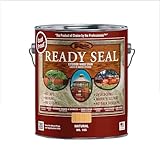
- NO LAPS, RUNS OR STREAKS: Goof Proof formula with no back brushing required; ideal for exterior wood projects
- OUTSTANDING DURABILITY: No cracking, chipping, flaking or peeling with excellent moisture resistance and UV protection; great for outdoor decks, fences, wood siding and more
- CAN WITHSTAND RAIN WITHIN MINUTES OF APPLICATION: Can also be applied in direct sunlight
- HIGH AND LOW TEMPERATURE APPLICATION: Requires no wet-line application, the product will blend itself and can be applied in any temperature range for proper application
- EASY TO APPLY AND MAINTAIN: Low odor formula may be applied using sprayer, roller or brush onto the wood's surface; no sanding or stripping required for reapplication
What to check before coating a deck
- Confirm whether the boards are bare, stained, or painted.
- Look for loose coating, dirt, grease, mildew, and dust.
- Consider the wood species, grain orientation, knots, and areas that stay damp.
- Use only a product labeled for exterior horizontal wood and the stated exposure.
What hides weathered or uneven wood best?
Paint gives the greatest visual hiding. Solid-color stain is the compromise when the project needs broad, relatively opaque color but the owner still wants more of the wood’s surface texture than ordinary paint provides.
Paint for maximum opacity
A solid paint film can conceal uneven color, repairs, and much of the visual effect of weathering. Sherwin-Williams identifies paint as the better choice when imperfections need to be hidden. The substrate still has to be sound: paint cannot replace removal of loose fibers, failing coating, mildew, grease, or dust.
Solid-color stain for texture
Solid stain contains enough pigment to hide the natural color and excessive porosity while leaving a less uniform, more textured appearance than paint. Because it behaves like a thin film-forming coating, apply it only after checking compatibility with the existing finish and the product label’s preparation requirements.
Will stain let the wood grain show?
Usually, yes—if the product is a semi-transparent penetrating stain and the wood is sound enough to accept it evenly. Pigment changes the color, but the grain and much of the natural texture remain visible.
Semi-transparent versus solid-color stain
Semi-transparent stain is the grain-forward option. Solid-color stain is heavily pigmented and can cover most natural color, so it is chosen for a broader, more consistent appearance rather than for showing every board’s original figure.
Why the same stain looks different on different boards
Wood species, grain orientation, knots, extractives, porosity, and previous weathering all change absorption. Two boards coated with the same product can therefore show different color and transparency. Pine is specifically noted as a species that may need additional stain preparation to avoid uneven uptake.
How do wood species, movement, and exposure affect the finish?
Finish performance depends on the substrate as much as on the can. USDA guidance identifies wood movement, grain orientation, species, knots, extractives, and exposure as factors that influence the result.
The Tool Desk
Outbyte PC Repair FREERepair Windows errors before they cause bigger problemsFix Now →Outbyte Driver Updater FREEScan for outdated or missing drivers - takes under a minuteDriver Scan →Wood movement
Exterior wood expands and contracts as its moisture content changes. A surface film must stay attached while the board moves; a penetrating stain does not depend on the same film thickness, but it still requires clean, sound wood and suitable exposure.
Also popular on Amazon

- Use on railings, furniture, trim, boats (above the waterline)
- Covers up to 90 sq. ft.
- Achieve a deep, rich color from a premium formulation that gives a semi-gloss finish to protect from the elements
- Deeper color, additional coats may be applied
- Aids in protecting outdoor wood from damage
Moisture and sunlight
Outdoor priorities are water, sunlight, weathering, and moisture movement. Pigmented stain helps limit ultraviolet degradation, while the product’s formulation and the way the assembly sheds water determine how moisture is managed. No finish is a guarantee against wet wood or poor drainage.
Species and extractives
Knots, resinous extractives, and differences in porosity can alter color and adhesion. Follow the product label for the exact species and substrate; do not assume a result on one wood species transfers to another.
Can I paint over stained wood?
Yes, when the stained surface is sound and the new paint system is compatible. The conversion requires cleaning, light sanding or deglossing, and a compatible primer; water-based and oil-based stains can call for different primer approaches.
What’s actually slowing this PC down?
Pick the symptom - the matching free tool is one click away.
- Identify the existing stain. Determine whether it is water-based, oil-based, or another finish if the product information is available. If the coating cannot be identified, select a primer and topcoat only after confirming compatibility on the label or with the manufacturer.
- Clean the surface. Remove dirt, grease, mildew, dust, and other contaminants. Let the wood dry fully before sanding or priming.
- Remove loose material. Scrape or otherwise remove failing stain and weak fibers. A new coating cannot reliably bond to material that is already separating.
- Lightly sand or degloss. Reduce sheen and smooth the surface without cutting through sound wood unnecessarily. Remove sanding dust before priming.
- Apply the compatible primer. Use the primer approach specified for the existing stain type. A stain-blocking or bonding primer may be necessary, but the label determines suitability for the substrate and topcoat.
- Apply the paint system. Use a paint labeled for the exposure and substrate, respecting recoat, ventilation, cleanup, and disposal directions.
Painting over stain is different from putting penetrating stain over paint. The latter can leave an incompatible visual and adhesion system, especially when the existing surface is a full-body film.
Can I stain over painted wood?
Do not assume that a penetrating stain can replace a full-body paint system. GSA guidance says a fully painted surface should generally be repainted rather than converted to a visually incompatible penetrating stain.
Why the existing paint matters
Penetrating stain needs access to the wood. A sound paint film blocks that path, so the stain cannot behave as it would on bare or suitably prepared wood. Removing a complete paint system to expose sound wood is a different project from simply applying stain on top.
Safer alternatives
- Repaint with a compatible paint system when the existing film is sound.
- Use a compatible opaque coating only when the product label permits it and the surface is properly prepared.
- If a natural-wood appearance is essential, evaluate whether complete coating removal is practical without damaging the substrate.
How should I prepare wood before staining or painting?
Preparation is mandatory for both systems. GSA guidance says stain preparation should be as meticulous as paint preparation.
Do these 3 things before closing this tab:
1Repair Windows errors before they cause bigger problems2Fix the driver behind crashes, sound loss and screen glitches3Clear out junk files and repair common Windows errors- Inspect the substrate and coating. Note bare areas, loose material, mildew, grease, dust, knots, repairs, and any existing paint or stain.
- Clean thoroughly. Remove dirt, grease, mildew, and dust using methods allowed by the product label. Rinse or wipe away residues as directed.
- Allow complete drying. Applying over damp wood can interfere with penetration, adhesion, and the finish’s appearance.
- Remove failing material. Scrape, brush, or sand loose coating and weak fibers until the remaining surface is sound.
- Address porosity and uneven absorption. Species such as pine may need stain-specific preparation. Use the label’s conditioning, priming, or sanding instructions rather than improvising.
- Choose a compatible system. Confirm that the primer, stain, paint, and existing coating can be used together on that substrate and exposure.
- Plan application conditions. Follow the label for temperature, moisture, ventilation, VOC precautions, cleanup, and disposal, as well as any local rules.
Which type of stain should I use?
“Stain” describes several product families, not one universal formula. Sherwin-Williams lists water-based, water-soluble dye, oil-based, gel, lacquer, varnish, and metalized dye stains.
Also popular on Amazon

- THICK, NO-DRIP FORMULA: Less mess than traditional wood stains and applies smoothly on horizontal and vertical surfaces including wood, metal, fiberglass and more
- LOW ODOR, WATER BASED GEL STAIN: Comfortably complete projects indoors including furniture, doors, trim and banisters
- FAST DRY TIME: Dries on wood in only 1 hour for quick project completion
- RICH, EVEN COLOR: Covers up to 250 square feet per quart
- INTERIOR AND EXTERIOR USE: Ideal for indoor and outdoor applications; not recommended for floors, decks or siding
For exterior wood
First separate semi-transparent penetrating stain from solid-color stain. The semi-transparent type is intended to keep grain visible; the solid-color type supplies opaque color while retaining more texture than standard paint. Then compare the label’s suitability for the wood species, climate, exposure, and maintenance plan.
For interior projects
Furniture, trim, and cabinetry require a finish selected for the exact substrate and indoor exposure. Decide whether the priority is a visible grain pattern, a particular color change, resistance to routine cleaning, or a uniform surface, then use the product label to confirm compatibility.
How to weigh the options
Sherwin-Williams recommends considering wood type, local climate, maintenance, cost, and aesthetics together. A product that is attractive on a sample board may still be wrong for a damp exterior or a heavily handled interior surface.
Which finish lasts longer outdoors?
There is no universal service-life winner. Sherwin-Williams reports longer overall life for paint in optimal conditions, while also describing circumstances in which stain’s moisture behavior is advantageous. Actual performance depends on product chemistry, wood species, moisture exposure, surface preparation, prior coating, and maintenance.
Why a longer-lasting film can still fail early
Paint’s film can protect a sound, well-prepared surface, but moisture trapped behind it or movement of the wood can cause adhesion problems. A failure may appear as peeling, blistering, or flaking rather than simple color fade.
Why penetrating stain can require maintenance
Penetrating stain avoids the same thick-film failure mode, but weather, sunlight, foot traffic, and moisture still affect its appearance and protection. Recoating decisions should follow the specific product’s label and the condition of the wood, not a generic number of years.
What are the common failure modes and fixes?
| Symptom | Likely issue | Practical response |
|---|---|---|
| Peeling, flaking, or blistering film | Film-coating failure related to moisture, movement, incompatible layers, or poor preparation | Remove loose material, identify the existing system, dry and clean the substrate, then rebuild with a compatible primer and topcoat. |
| Patchy or uneven stain color | Different porosity, grain orientation, knots, extractives, weathering, or insufficient species-specific preparation | Stop and assess the substrate; follow the stain label for preparation rather than adding another coat blindly. |
| New paint will not adhere to stained wood | Gloss, residue, dampness, or an incompatible primer | Clean, let the surface dry, lightly sand or degloss, and use the primer approach specified for the existing stain type. |
| Opaque coating hides more texture than expected | Paint or solid stain selected when a semi-transparent appearance was wanted | Use a sample area before committing; a semi-transparent penetrating stain is the grain-forward option on suitable bare wood. |
| Moisture damage behind an exterior film | Water entering or being retained by the assembly; formulation and drainage may be unsuitable | Correct the moisture source and choose a system labeled for the substrate and exposure instead of treating the symptom with another coat. |
How much preparation and maintenance should I expect?
Stain is not automatically the low-effort option. Both systems need a clean, dry, sound substrate. Penetrating stain can reduce the risk of peeling and blistering associated with surface films, but uneven wood may need careful conditioning and color may require periodic maintenance. Paint can produce the most uniform appearance, yet converting stained wood to paint requires the extra primer and deglossing steps described above.
Crashes, No Sound, or Screen Glitches?
Random freezes, missing sound and display glitches usually trace back to one bad driver. Find and replace yours safely.Free scan · under a minuteWindows Errors? Fix Them Before They Spread
Repair common Windows errors and clear accumulated junk for a smoother, more stable PC - no reinstall needed.Free scan · no reinstallEstimate the total project effort from the existing coating, the amount of loose or weathered material, access to all faces of the wood, and the finish’s exposure. The cheapest-looking choice at the store can become the more labor-intensive choice if it requires extensive removal or correction later.
Also popular on Amazon
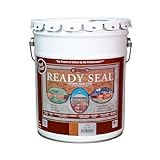
- NO LAPS, RUNS OR STREAKS: Goof Proof formula with no back brushing required; ideal for exterior wood projects
- OUTSTANDING DURABILITY: No cracking, chipping, flaking or peeling with excellent moisture resistance and UV protection; great for outdoor decks, fences, wood siding and more
- CAN WITHSTAND RAIN WITHIN MINUTES OF APPLICATION: Can also be applied in direct sunlight
- HIGH AND LOW TEMPERATURE APPLICATION: Requires no wet-line application, the product will blend itself and can be applied in any temperature range for proper application
- EASY TO APPLY AND MAINTAIN: Low odor formula may be applied using sprayer, roller or brush onto the wood's surface; no sanding or stripping required for reapplication
What should I use on treated lumber?
For sound treated exterior wood where the grain should remain visible, HUD identifies semi-transparent stain as a suitable direction. Confirm that the specific product is labeled for treated wood and the intended exposure, and prepare the surface as carefully as any other substrate.
If the treated lumber is rough, weathered, or visually inconsistent, solid-color stain or paint can provide more hiding. The decision then turns on whether retaining texture or achieving an opaque, uniform film is more important.
How do I make the final choice?
Use this sequence before buying materials:
- Set the visual target. Choose visible grain, textured opaque color, or a fully uniform film.
- Classify the exposure. Separate interior work from exterior work, and identify decks or other areas subject to water, sunlight, and repeated movement.
- Identify the substrate. Record the wood species, treated status, knots, repairs, weathering, and porosity.
- Identify the existing coating. Bare wood, penetrating stain, solid stain, and full-body paint do not have the same compatibility options.
- Budget preparation. Include cleaning, mildew and grease removal, sanding or deglossing, primer, drying time, ventilation, and disposal requirements.
- Verify the label. Confirm the product is intended for the substrate, orientation, exposure, and coating combination before application.
How we picked the options in this guide: The choices are based on opacity and grain retention, exterior moisture behavior, wood movement and species, compatibility with existing coatings, and the preparation and maintenance each finish demands. Those criteria explain why semi-transparent penetrating stain leads for sound grain-forward exterior wood, why paint leads for maximum hiding, and why solid-color stain occupies the middle ground.
Quick wins for a faster PC:
Clear out junk files and repair common Windows errorsFree Scan →Scan for outdated or missing drivers - takes under a minuteDriver Scan →What safety and application rules still apply?
Follow the product label and local requirements for application conditions, ventilation, VOC exposure, cleanup, and disposal. Keep the substrate dry as directed, use the specified primer or conditioner, and do not combine water-based, oil-based, or other systems unless the manufacturer identifies them as compatible. A finish chosen for the right appearance can still fail if it is applied outside its stated use.
Frequently Asked Questions
Can I test the color before coating the whole project?
Apply the proposed system to a representative, inconspicuous area or sample board that uses the same wood species and preparation. Different porosity, knots, and grain direction can change the final color, so a color card alone cannot show the full effect.
Does a darker stain protect wood better than a lighter stain?
Color alone is not a reliable durability measure. Pigment contributes to ultraviolet protection, but the product chemistry, preparation, moisture exposure, and maintenance determine how the finish performs.
Is a clear finish the same as a semi-transparent stain?
No. A semi-transparent stain changes color with pigment while leaving grain visible; a clear product has a different formulation and protection profile. Use only a product labeled for the specific wood and exposure.
PC Slower Than It Used to Be?
A free scan shows the junk files, broken settings and background clutter dragging Windows down - then fixes them in one click.Free scan · Windows 10 & 11Outdated Drivers Are Slowing You Down
One free scan finds every outdated or missing driver and matches the right update for your exact hardware.Free scan · exact hardware matchCan I use an interior stain on an exterior deck?
Do not assume that an interior product can withstand outdoor moisture, sunlight, and movement. The label must specifically cover the substrate and exterior exposure, and exterior application rules may differ from indoor instructions.
What should I do if I cannot identify the old coating?
Avoid guessing at compatibility. Remove loose material, clean and dry a small area, and obtain guidance from the prospective primer or finish manufacturer before coating the project; a full-body paint system should not be treated as bare wood for penetrating-stain purposes.
Quick Recap


