Do these 3 things before closing this tab:
1Fix the driver behind crashes, sound loss and screen glitches2Repair Windows errors before they cause bigger problems3Scan for outdated or missing drivers - takes under a minuteThatPainter is reader-supported. When you buy through links on our site, we may earn an affiliate commission. Learn More
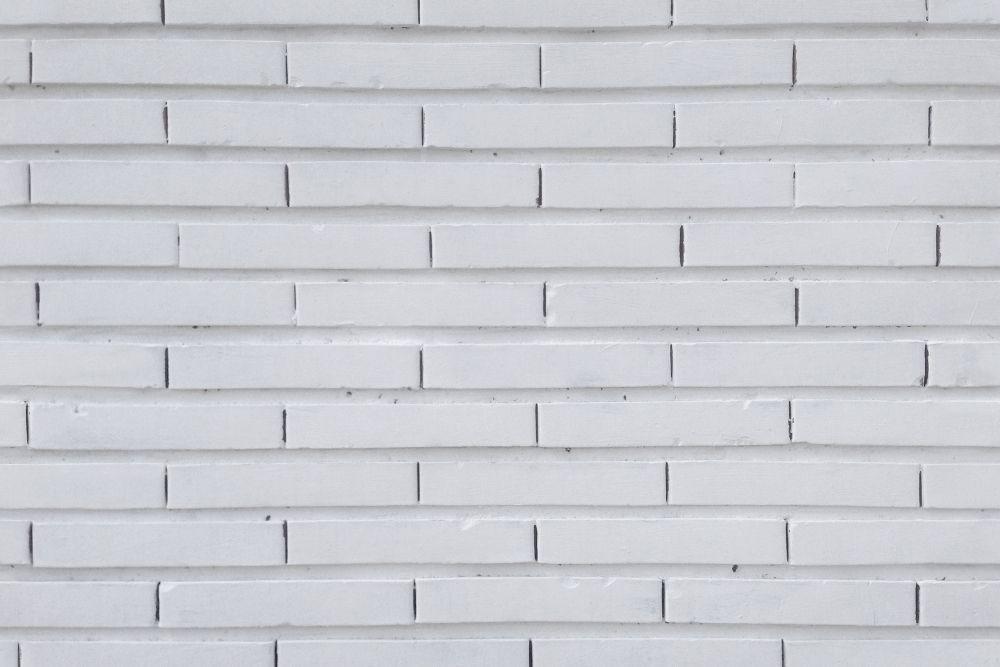
Most masonry surfaces will need a sealer and primer before they get painted. While stone is hard, many of these surfaces are made from rocks that retain moisture and will interfere with any coat of paint. This is especially common with basements. Test your masonry for sealing by leaving a taped square of kitchen wrap on a wall surface. After a day, if water has condensed beneath the wrap, it’s not primed or sealed.
As an Amazon Associate I earn from qualifying purchases.
Specialized masonry sealers and primers are available online and in stores where paint is sold, so make sure you have these before you apply a coat of masonry paint. They will treat stone surfaces and establish a water-resistant foundation upon which the coat of masonry paint can be added. Only add the paint once both the sealer and primer coats are fully dry.
Recommended Free Tools
Can I Paint A Fence With Masonry Paint?
Whether you can paint a wooden fence all depends on how well treated the fence is. While masonry paint is supposed to be used for stonework, you can use it on wood to some success. A lot of different woods act like stone, where they draw in moisture from the environment and hold it. This means that you’ll need the wood surface to be clean and free of dust, and then coated in a primer.
#1 Best Overall

- Interior/Exterior use on new or previously painted drywall, concrete, wood, masonry, metal and glossy or difficult surfaces
- Water-based formula seals uniformly and will stick to surface without sanding
- Dries to the touch in just 30 minutes, ready to recoat in 1 hour and covers up to 100 sq. ft.
- Has excellent stain blocking resistance and can be used over any oil or latex topcoat
- Gray color of primer works great under vibrant, vivid colors saving time and money by improving hide and coverage of deep topcoats
For wood, a latex primer paired with latex paint is best. Latex works best because it keeps the wood porous, so moisture can be absorbed and released. Oil-based paint won’t work for wooden surfaces, it’ll start coming off in large swathes.
If the surface isn’t properly treated, the worst that will happen is some flaking which can then be patched up later.
Rank #2
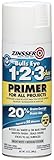
- Interior/exterior use on new or previously painted Drywall, concrete, wood, masonry, metal and glossy or difficult surfaces
- Oil-based formula seals uniformly and will Stick to surface without sanding
- Dries to the touch in just 30 minutes and covers up to 12 sq ft
- Has excellent stain blocking resistance and can be used over any oil or Latex topcoat
- Provides a smooth, White finish and; is designed to block imperfections with only one Coat
Can You Add Water To Masonry Paint?
If you want the most consistent finish, adding water to masonry paint tends to be a bad idea. It all depends on how much water you want to add. Adding small amounts can be fine, even beneficial. People commonly add small amounts of water to dilute the first coat of paint, which helps with sealing and can make less paint go a little further.
If the wall has been covered with a new render of cement or lime, adding a little water to the paint can help prime the surface and prepare it for the next layers of paint to come. Even if you’re applying masonry paint via spray, you can add some water to it to reap the same benefits.
Rank #3
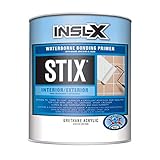
- Premium-quality, acrylic-urethane bonding primer-sealer with unparalleled adhesion to the most challenging surfaces, including glossy tile, PVC, vinyl, plastic, glass, glazed block, glossy paint, pre-coated siding, fiberglass, and galvanized metals.
- Bonding primer for drywall, plaster, ceiling, acoustical tile, wood trim and doors, Formica, ceramic tiles, glossy surfaces, PVC plastic, masonry walls, wood, trim, shutters, masonry, stucco, concrete, cement block, galvanized metal, aluminum, and other challenging surfaces.
- Bonds to "hard-to-coat" surfaces and can be top coated with almost any product.
- Fully cures in temperatures as low as 35 °F.
- 75 - 100 square foot coverage for interior or exterior use
That said, be careful when adding water to masonry paints and always check the labels. Some masonry paints have a zero-tolerance policy for adding water, in which case you shouldn’t. If you do, it can produce a bad finish.
Can You Paint Over Masonry Paint?
When you have a stonework wall that’s coated in masonry paint, you’ll need to consider a few things before deciding if you can paint over it. As always, the moisture content of the wall should be considered. If too much moisture is trapped in the wall, mold can develop and cause a much bigger problem. Ensure the wall is dry before painting by leaving it for a month or two.
Rank #4

- Premium-quality, acrylic-urethane bonding primer-sealer with unparalleled adhesion to the most challenging surfaces, including glossy tile, PVC, vinyl, plastic, glass, glazed block, glossy paint, pre-coated siding, fiberglass, and galvanized metals.
- Bonding primer for drywall, plaster, ceiling, acoustical tile, wood trim and doors, Formica, ceramic tiles, glossy surfaces, PVC plastic, masonry walls, wood, trim, shutters, masonry, stucco, concrete, cement block, galvanized metal, aluminum, and other challenging surfaces.
- Bonds to "hard-to-coat" surfaces and can be top coated with almost any product.
- Fully cures in temperatures as low as 35 °F.
- Coverage: 300 - 400 square feet per gallon.
Prepare a brickwork surface by scrubbing it to remove debris and paint flakes. This can be done using a brush or broom. Then wash the wall with a detergent. If you use a power washer, don’t focus on one area for too long as it can start penetrating the paint job. Remove any mold if there is any present.
Free tools Windows power users keep installed
One-click scans. No signup required.
Avoid using glossy sealers on the surface as this will trap moisture within the wall, so avoid that. You also shouldn’t need to use a primer if the wall has been painted already. Just use a roller and add a few extra coats of masonry paint until it has a uniform finish.
Best Value
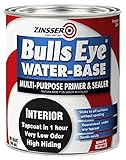
- Use to prime interior surfaces such as walls, doors, trim, plaster, concrete and more
- Water-based low-odor formula provides exceptional stain hiding even on dark or porous surfaces
- Dries to the touch in 30 minutes and covers up to 100 sq. ft. per quart
- Creates a uniform flat-finish surface ideal for top coating
- Adheres to slick surfaces without the need for deglossing or sanding

What Happens If You Paint Wood With Masonry Paint?
What happens when you apply masonry paint to wood depends on how the paint is applied. Homeowners can and do use masonry paint when they need to decorate wooden furniture or surfaces. Not only that, the insulation that masonry paint offers can also protect the wood in the same way it protects brickwork.
If masonry paint is applied to wood without any preparation beforehand, the moisture absorbed and emitted from the surface will weaken the paint’s bond. This is what causes flaking and peeling, sometimes to the point where it looks like you never painted the wood at all. You can also have a problem with paint dust, which isn’t only unsightly but dangerous to pets and children if inhaled.
When applying masonry paint to wood, you should always apply a primer that controls the moisture input/output so that the paint can stay in place.
What Is The Best Masonry Paint?
There isn’t a single best masonry paint for all circumstances. For some, the best will mean the most popular with consumers while other paints will be ideal for interior masonry or exterior masonry, and each will have its own formulas that react to the environment differently.
The best paint will be what you need in that situation. If your home gets a lot of moisture, you want waterproofing masonry paint. If you’re in a high pollution area, you can get anti-carbonation masonry paint that keeps CO2 at bay, so it doesn’t damage the coating over the years.
Quick Recap
The best paints will have most of these qualities:
- Breathability – How effectively the surface takes in and pushes out moisture to keep the paint coating from molding or flaking.
- Waterproofing – How effectively the paint keeps external moisture from rain and similar weathers out, so it doesn’t penetrate the coating and cause damage.
- Elasticity – How effectively the paint handles temperature differences, which can cause cracks if the paint is not flexible enough to move with the wall.
- Guarantee – The lifetime of the product as described by the company, who may also offer warranty or return policies if the paint does not work as expected in a certain timeframe.

Product prices and availability are accurate as of the date/time indicated and are subject to change. Any price and availability information displayed on Amazon at the time of purchase will apply.




