
Free tools Windows power users keep installed
One-click scans. No signup required.
ThatPainter is reader-supported. When you buy through links on our site, we may earn an affiliate commission. Learn More
Oil-based paint used to be the most popular type of paint back in the day. It was known for its high durability and self-leveling, which always resulted in a perfect finish. Unfortunately, it came with a significant downside: oil-based paint emits compounds dangerous to the environment and requires using paint thinner to remove.
As an Amazon Associate I earn from qualifying purchases.
Nowadays, you can rely on safe alternatives such as water-based latex paint. But even though they’re easy to use, painting over oil-based paint can be a nuisance. Luckily, we’re here to show you how to paint over oil-based paint without sanding.
Can You Paint Over Oil-Based Paint Without Sanding?
With the latest innovations in paint technology, it’s now possible to paint over oil-based paint without sanding through the use of oil-bonding additives. These additives help create a layer the paint can stick to, so you won’t have to sand or prime the surface.
#1 Best Overall
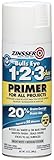
- Interior/exterior use on new or previously painted Drywall, concrete, wood, masonry, metal and glossy or difficult surfaces
- Oil-based formula seals uniformly and will Stick to surface without sanding
- Dries to the touch in just 30 minutes and covers up to 12 sq ft
- Has excellent stain blocking resistance and can be used over any oil or Latex topcoat
- Provides a smooth, White finish and; is designed to block imperfections with only one Coat

You can also use acrylic and latex-based paint to paint over oil-painted surfaces. However, for a perfect finish, we always recommend sanding down the surface first to remove its glossy finish and create a stronger adhesion.
Using a bonding primer especially made to stick to oil-based paint is also essential as it’ll result in a better finish.
One of the best ways to ensure the amount of primer is enough is to check for imperfections or color stains. If any are present, you’ll have to apply an extra primer layer for a better result. In most cases, two coats of primer are usually enough.
What’s actually slowing this PC down?
Pick the symptom - the matching free tool is one click away.
Rank #2

- Cover stain, QT, Oil based stain killer primer/sealer
- Adds extra shine to your product
- Manufactured in United States
- High-hiding formula blocks most stains and helps seal water, smoke and nicotine stains
- Sticks to interior and exterior surfaces and sands easily
Steps to Paint Over Oil-Based Paint Without Sanding
Looking to learn more about how to paint over oil-based paint without sanding? Follow our guide below:
- Apply a bonding primer to the surface.
The first step is to apply the bonding primer directly on the surface you wish to paint. The resulting reaction will de-gloss and roughen the surface, allowing water-based paint to stick more easily.
- Mix bonding primer with your paint.
To ensure the paint adheres to the treated surface, we also recommend adding a fair amount of bonding primer to your paint. This product is non-toxic and won’t affect the properties of your paint job, such as color or finish.
Rank #3
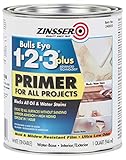
- The product is QT INT/EXT LTX Primer
- Easy and simple use kit
- The product is manufactured in United States
- Primer for all projects.
- First water-based primer that blocks water stains.
- Start painting.
Now you can paint over your oil-based surface without any concerns. By avoiding sanding, you’ll save time while protecting your home from the chemicals found in oil-based paint.
Do these 3 things before closing this tab:
1Fix the driver behind crashes, sound loss and screen glitches2Repair Windows errors before they cause bigger problems3Scan for outdated or missing drivers - takes under a minuteFrequently Asked Questions
Painting an oil-based surface with oil-based paint is straightforward and requires no special treatment. However, the surface must be fully cured; otherwise, the new paint may not stick.
Painting with water-based paint over oil-based paint without sanding or a bonding primer will make the paint blister and peel off.
Rank #4
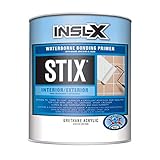
- Premium-quality, acrylic-urethane bonding primer-sealer with unparalleled adhesion to the most challenging surfaces, including glossy tile, PVC, vinyl, plastic, glass, glazed block, glossy paint, pre-coated siding, fiberglass, and galvanized metals.
- Bonding primer for drywall, plaster, ceiling, acoustical tile, wood trim and doors, Formica, ceramic tiles, glossy surfaces, PVC plastic, masonry walls, wood, trim, shutters, masonry, stucco, concrete, cement block, galvanized metal, aluminum, and other challenging surfaces.
- Bonds to "hard-to-coat" surfaces and can be top coated with almost any product.
- Fully cures in temperatures as low as 35 °F.
- 75 - 100 square foot coverage for interior or exterior use
Yes, but you’ll have to use a bonding primer to ensure the paint adheres to the surface.
Conclusion
Water-based paint is extremely convenient, safe, and easy to apply. The best part is that you can safely apply it over oil-based paint without sanding by using a suitable bonding primer.
Follow our recommendations, and you’ll avoid the tedious work of having to sand and prime your walls or cabinets.
Best Value

- Easy to Use: Even for beginners, this primer is easy to use! Just brush it on and let it dry.
- Eco-Friendly: Green Wise Certified, ultra low VOC and water-based - contains NO harsh chemical additives such as phthalates, formaldehyde, heavy metals, or solvents.
- Dries Clear: This is a bonus especially if you’re painting a piece of furniture that you would like to later distress. The clear finish means you’ll see the original wood tone underneath when distressing instead of white or grey primer.
- Great Adhesion: Bonding agents in the primer help to create a more porous surface so that paint can adhere to any smooth surface.
- No Harsh Smell: Due to the lack of harsh smells, there is almost no odor, allowing you to paint indoors without worrying about your health.

A Professional Painter, Joseph is known for solving huge problems with simple DIY tricks. Now retired, he writes for ThatPainter.com to educate people on how to get their paint job just right. Joseph specializes in painting services, and has a ton of experience working with paint of varied quality.
Quick Recap
Product prices and availability are accurate as of the date/time indicated and are subject to change. Any price and availability information displayed on Amazon at the time of purchase will apply.
Recommended Free Tools




